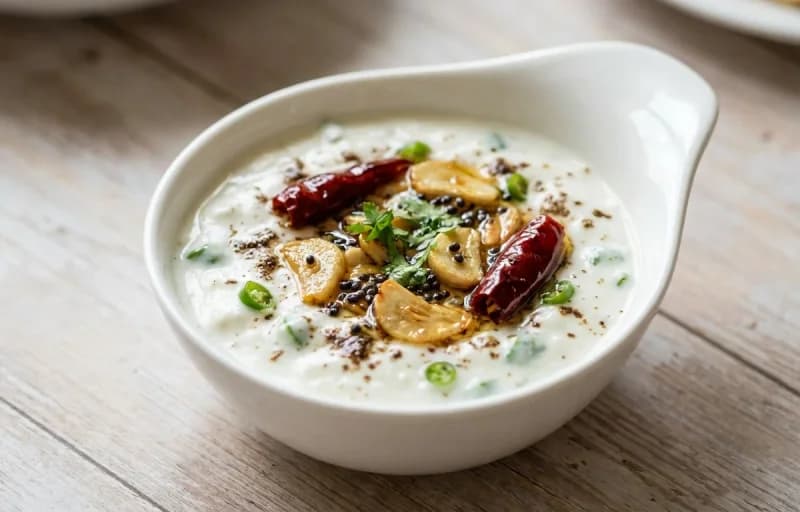
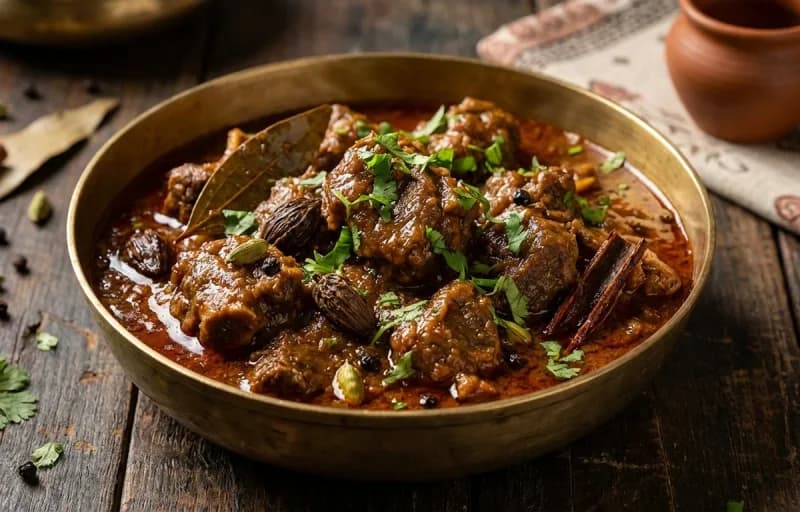
A quick and tangy Rajasthani curry made with crispy papad simmered in a yogurt-based gravy. This traditional dish is a lifesaver when you're out of fresh vegetables and comes together in under 30 minutes, offering a unique blend of savory and sour flavors.
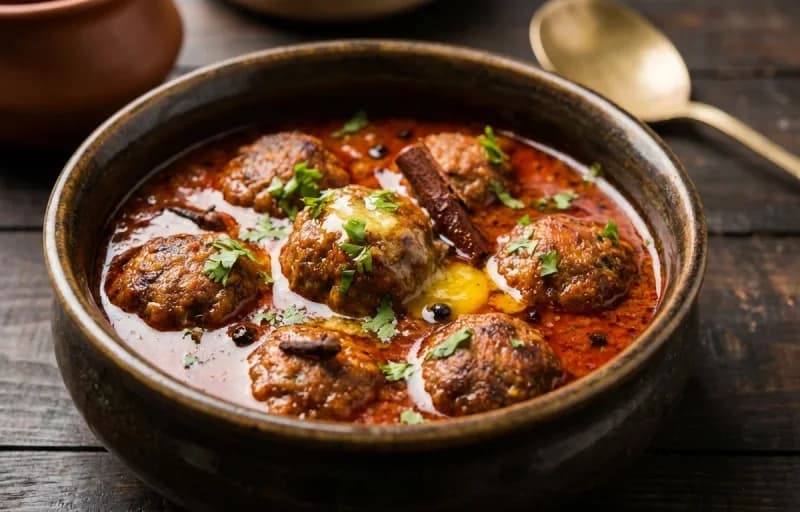
Hard-boiled eggs simmered in a rich and aromatic onion-tomato gravy. This comforting North Indian curry is packed with flavor and comes together quickly, perfect for a weeknight dinner with roti or rice.
Prep15 min
Cook25 min
Servings4
Serving size: 1 serving(One serving includes 2 hard-boiled eggs and approximately 1 cup of curry.)
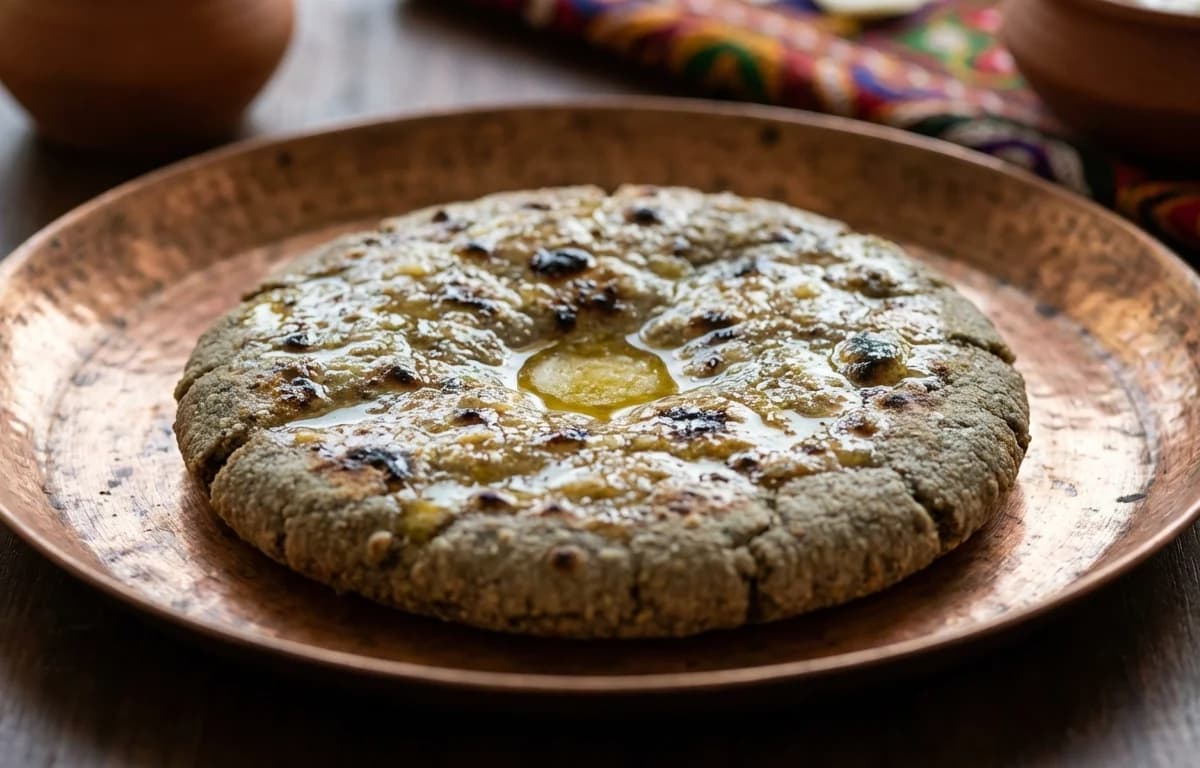
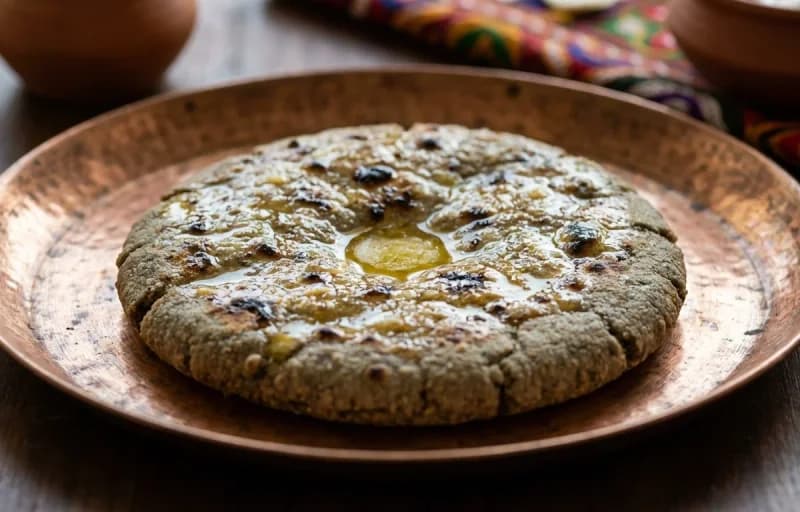
A rustic, gluten-free flatbread from Rajasthan, made from pearl millet flour. It has a nutty, earthy flavor and a slightly coarse texture, perfect for pairing with spicy curries or simply with a dollop of ghee and jaggery.
About Papad ki Sabzi, Egg Masala Curry and Bajra Roti
Perfectly spiced Papad ki Sabzi with protein-packed Boiled Egg Masala & fiber-rich Bajra Roti. A wholesome delight!
This marwari dish is perfect for lunch. With 777.1500000000001 calories and 29.59g of protein per serving, it's a nutritious choice for your meal plan.
fat
1 medium Tomato (finely chopped)
0.5 tsp Turmeric Powder
1 tsp Red Chili Powder (Adjust to taste)
1.5 tsp Coriander Powder
0.5 tsp Garam Masala
1 tsp Kasuri Methi (dried fenugreek leaves)
0.75 tsp Salt (Adjust to taste, as papad is salty)
1.5 cup Water
2 tbsp Coriander Leaves (chopped, for garnish)
Instructions
1
Prepare Papad & Yogurt Slurry
Roast the papads one by one over an open flame using tongs until crisp and lightly browned. Alternatively, microwave for 30-45 seconds.
Once cooled, break the roasted papads into rough 1-2 inch pieces. Set aside.
In a medium bowl, whisk together the curd and besan until no lumps remain.
Add turmeric powder, red chili powder, and coriander powder to the curd mixture. Whisk well to combine.
Pour in 1/2 cup of water and whisk again to create a smooth, thin slurry.
2
Sauté the Aromatics
Heat ghee in a kadai or deep pan over medium heat. Once hot, add mustard seeds and cumin seeds.
When the seeds begin to splutter (about 30 seconds), add the asafoetida.
Immediately add the finely chopped onion, green chilies, and ginger-garlic paste. Sauté for 3-4 minutes until the onions become soft and translucent.
Add the finely chopped tomato and cook for another 4-5 minutes, stirring occasionally, until it turns soft and the ghee starts to separate from the masala.
3
Cook the Gravy
Reduce the heat to low. Slowly pour the yogurt-besan slurry into the pan, stirring continuously and vigorously with a whisk or spoon. This is crucial to prevent the curd from splitting.
Continue stirring and cook on low-medium heat for 5-6 minutes until the gravy comes to a gentle boil and thickens slightly. You'll notice a glossy sheen on the surface.
Add the remaining 1 cup of water and salt. Mix well. Bring the gravy back to a simmer and cook for another 2-3 minutes.
4
Finish and Serve
Turn off the heat. Crush the kasuri methi between your palms and sprinkle it into the gravy, followed by the garam masala. Stir to combine.
Just before serving, add the broken papad pieces to the hot gravy. Gently mix and let them soak for only 30-60 seconds. They should soften slightly but retain a slight bite.
Garnish with fresh chopped coriander leaves. Serve immediately with hot phulkas, bajra roti, or steamed rice.
302cal
15gprotein
15gcarbs
21gfat
Ingredients
8 pcs Large Eggs (Hard-boiled and peeled)
3 tbsp Vegetable Oil
1 tsp Cumin Seeds
1 pcs Bay Leaf
2 pcs Onion (Medium-sized, finely chopped)
1.5 tbsp Ginger Garlic Paste
2 pcs Green Chili (Slit lengthwise)
1 cup Tomato Puree (From about 3 medium tomatoes)
0.5 tsp Turmeric Powder
1 tsp Kashmiri Red Chili Powder (Adjust for desired heat)
3 tbsp Coriander Leaves (Freshly chopped, for garnish)
Instructions
1
Prepare the Eggs
Place eggs in a saucepan, cover with cold water, bring to a boil, and cook for 10-12 minutes to hard-boil them.
Drain the hot water and transfer the eggs to an ice bath or run under cold water to stop the cooking process. Peel once cool.
Gently prick the peeled eggs all over with a fork or toothpick. This helps them absorb the gravy's flavor.
Optional but recommended: Heat 1 tsp of oil in a pan. Sauté the boiled eggs with a pinch of turmeric and red chili powder for 2-3 minutes until they are lightly golden. Set aside.
2
Sauté the Aromatics
Heat 3 tbsp of oil in a kadai or heavy-bottomed pan over medium heat. Add the cumin seeds and bay leaf. Allow the cumin to splutter for about 30 seconds.
Add the finely chopped onions and sauté for 8-10 minutes, stirring frequently, until they turn deep golden brown.
Add the ginger-garlic paste and slit green chilies. Cook for another 1-2 minutes until the raw aroma disappears.
3
Cook the Masala
Reduce the heat to low. Add the turmeric powder, Kashmiri red chili powder, and coriander powder. Stir for 30 seconds until fragrant, being careful not to burn the spices.
2 cup Bajra Flour (Also known as pearl millet flour)
0.5 tsp Salt (Adjust to taste)
1 cup Warm Water (Use as needed, the amount may vary)
2 tbsp Ghee (For serving)
Instructions
1
Prepare the Dough
In a wide bowl or parat, combine the 2 cups of bajra flour and 0.5 tsp of salt. Mix well.
Gradually add warm water, a little at a time, and start gathering the flour to form a shaggy dough.
Once the flour comes together, begin kneading. Use the heel of your palm to push and press the dough for 5-7 minutes. This process is crucial for a smooth, crack-free roti.
The final dough should be soft, smooth, and pliable, similar to the consistency of chapati dough. It should not be sticky or too stiff.
Cover the dough with a damp cloth and let it rest for 15 minutes. Do not rest it for too long as it can become dry.
2
Shape the Rotis
After resting, knead the dough again for one minute.
Divide the dough into 8 equal portions and roll them into smooth, crack-free balls.
Take one ball of dough. Dust your palms with a little dry bajra flour.
Gently flatten the ball and start patting it between your palms, rotating it as you go, to form a thin disc of about 4-5 inches in diameter. This is the traditional method.
For an easier method, place a dough ball on a piece of parchment paper or a plastic sheet. Flatten it slightly, cover with another sheet, and use a rolling pin to gently roll it into a 4-5 inch circle of about 1/4 inch thickness.
3
Cook the Rotis
Heat a cast-iron or earthen tawa (griddle) over medium-high heat. The tawa should be hot before you place the roti on it.
Carefully lift the rolled roti and place it on the hot tawa.
Cook for about 45-60 seconds on the first side, or until you see small bubbles and the color changes slightly.
Flip the roti using tongs and cook the other side for about a minute until light brown spots appear.
For a soft, puffed roti, you can now place it directly on a low open flame using tongs. It will puff up in seconds. Flip to cook both sides evenly. Alternatively, press the roti gently on the tawa with a folded kitchen towel to help it puff up.
Repeat the process for all the remaining dough balls.
4
Serve
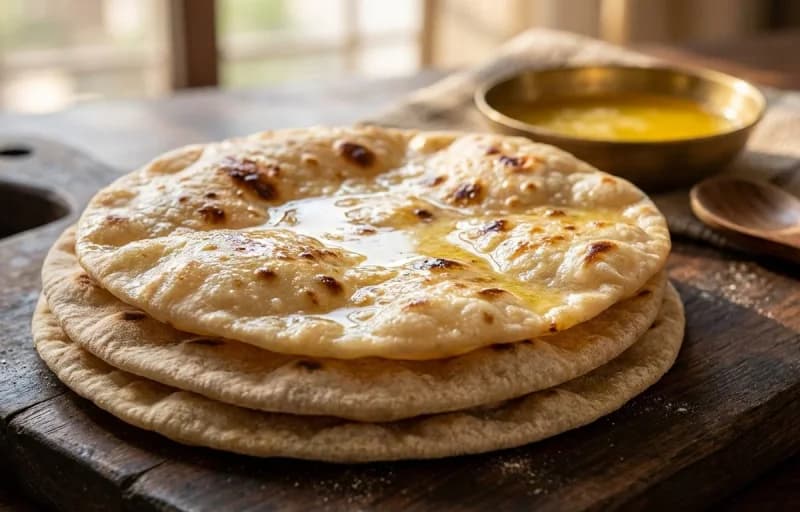
Once cooked, remove the roti from the heat and immediately brush it generously with ghee.
Serve the hot Bajra Roti with Rajasthani curries like Gatte ki Sabzi, dal, or simply with a dollop of white butter (makhan) and a piece of jaggery (gur).
Cook the masala over medium heat for 8-10 minutes, stirring occasionally, until it thickens and oil begins to separate from the sides. This is a crucial step for a flavorful gravy.
4
Simmer the Curry and Finish
Pour in 1.5 cups of hot water and stir well, scraping any bits from the bottom of the pan. Bring the gravy to a boil.
Reduce the heat to low, cover the pan, and let it simmer for 5-7 minutes for the flavors to meld together.
Gently add the prepared hard-boiled eggs to the gravy.
Sprinkle garam masala and crushed kasuri methi over the top. Stir gently to combine.
Cover and simmer for a final 2-3 minutes. Turn off the heat, garnish with fresh coriander leaves, and let it rest for 5 minutes before serving.