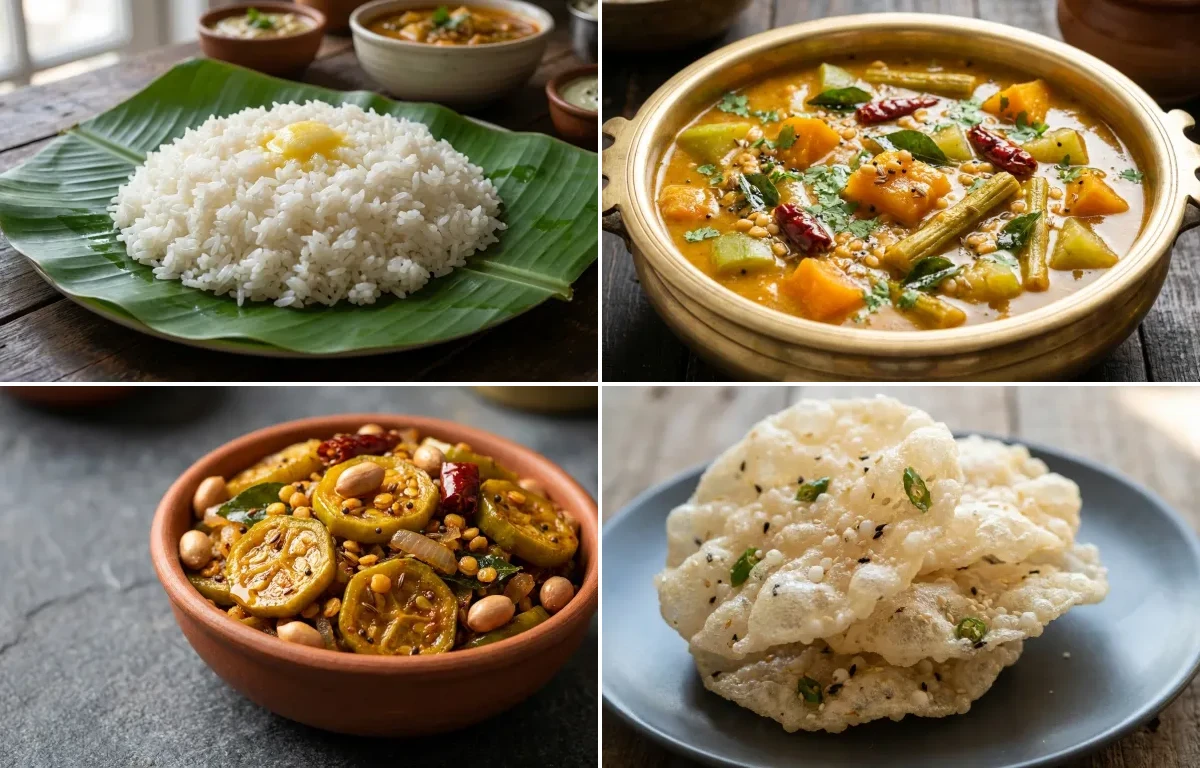
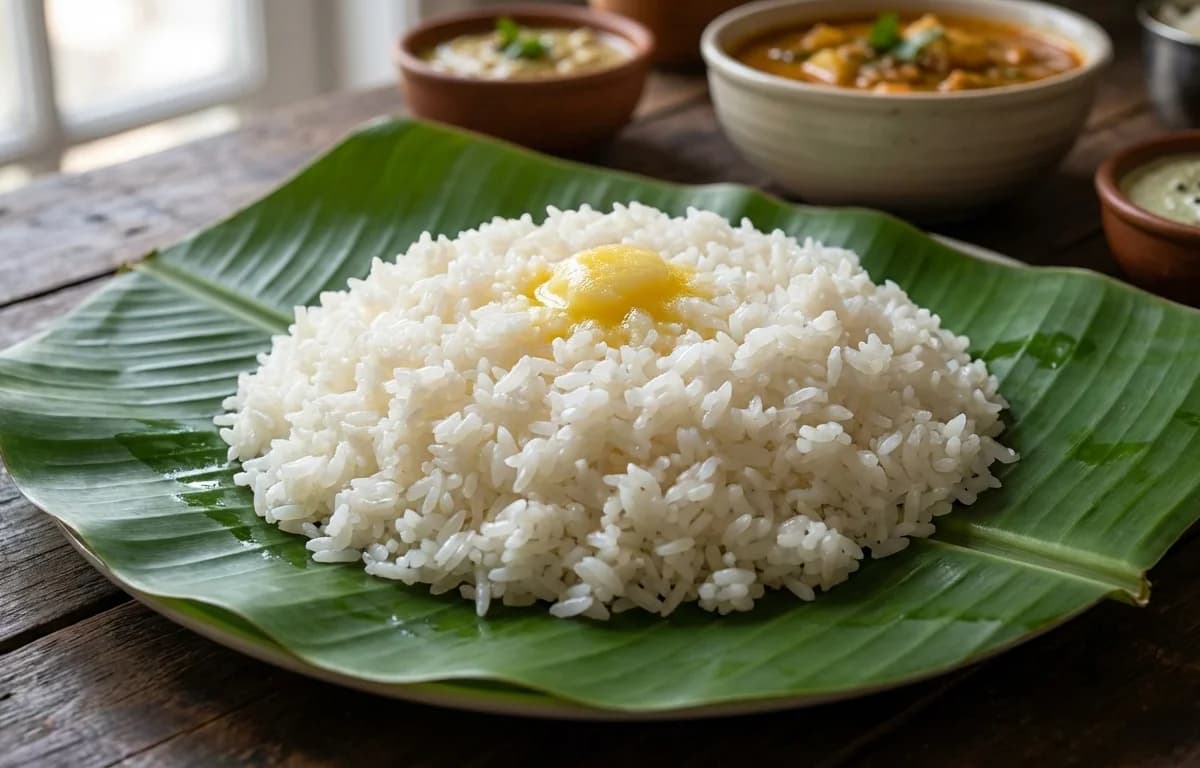
Achieve perfectly fluffy, soft, and separate grains of steamed rice every time with this foolproof recipe. An essential staple in Indian cuisine, this simple method forms the ideal base for a multitude of dishes like dal, sabzi, and rich curries.
Prep5 min
Cook20 min
Soak30 min
Servings4
Serving size: 1 serving
253cal
5gprotein
55gcarbs
Ingredients
1.5 cup basmati rice
3 cup water (for cooking, plus more for rinsing)
Instructions
1
Rinse and Soak the Rice
Place 1.5 cups of basmati rice in a medium bowl.
Add cool water and gently swirl the rice with your fingertips. The water will become cloudy.
Carefully drain the starchy water. Repeat this rinsing process 3-4 times, until the water runs mostly clear.
Add enough fresh water to cover the rice by an inch and let it soak for 30 minutes. This is key for long, fluffy grains.
After soaking, drain the rice completely using a fine-mesh sieve.
2
Cook the Rice
Transfer the drained rice to a heavy-bottomed saucepan with a tight-fitting lid.
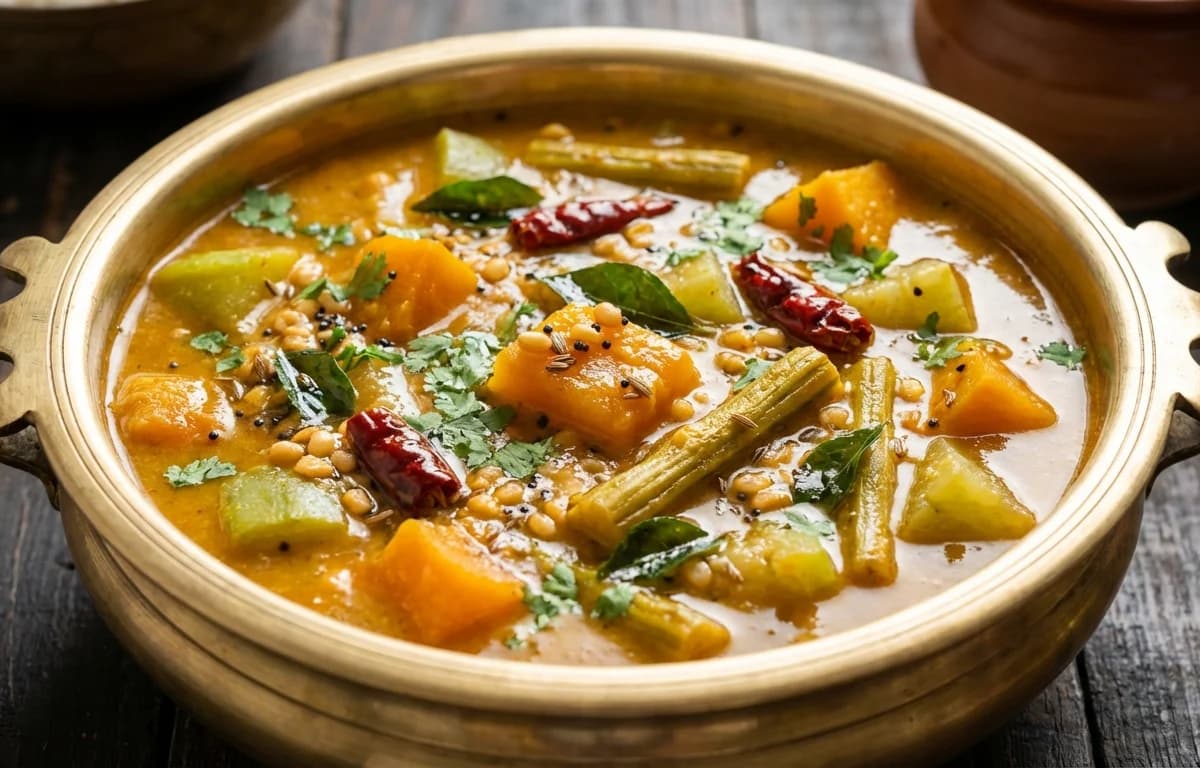
A classic Andhra stew that perfectly balances tangy, sweet, and spicy flavors. This comforting dish features a medley of vegetables simmered in a tamarind and jaggery broth, making it a perfect side for rice.
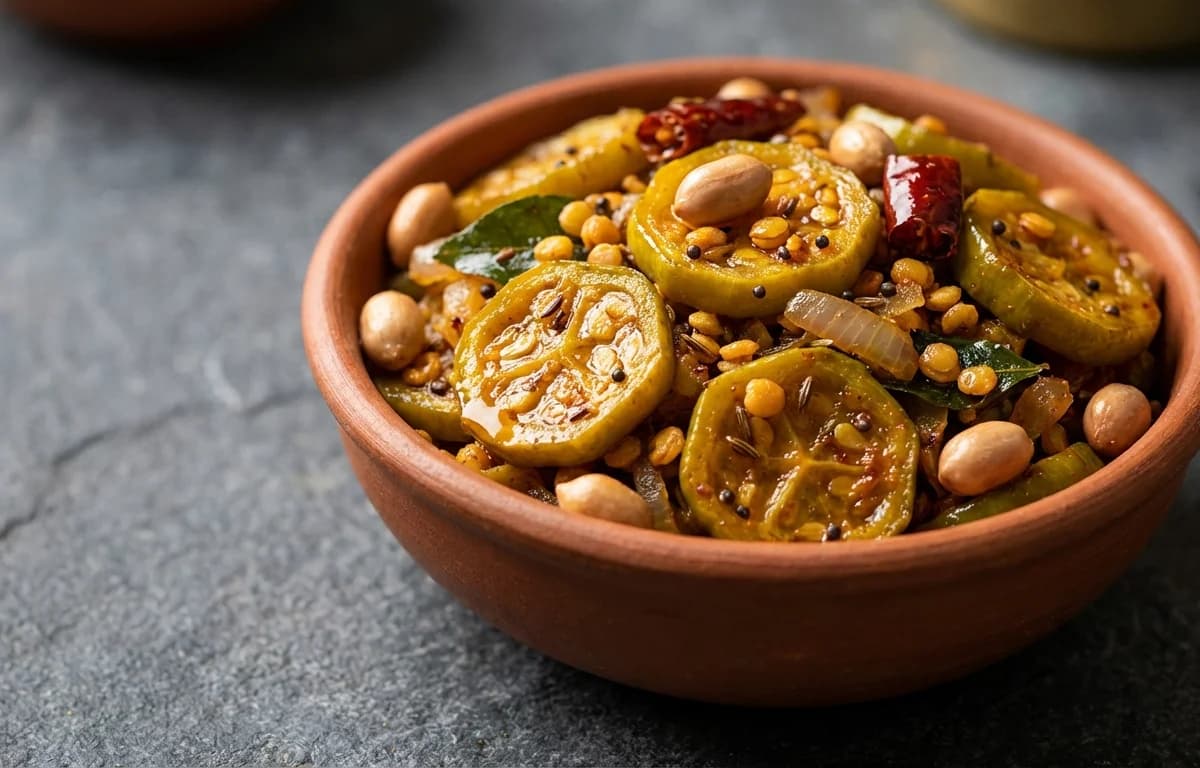
A simple, crispy, and flavorful South Indian stir-fry made with ivy gourd. This popular Andhra side dish gets its delightful crunch and nutty aroma from a special roasted peanut and garlic powder, making it a perfect partner for rice and sambar.
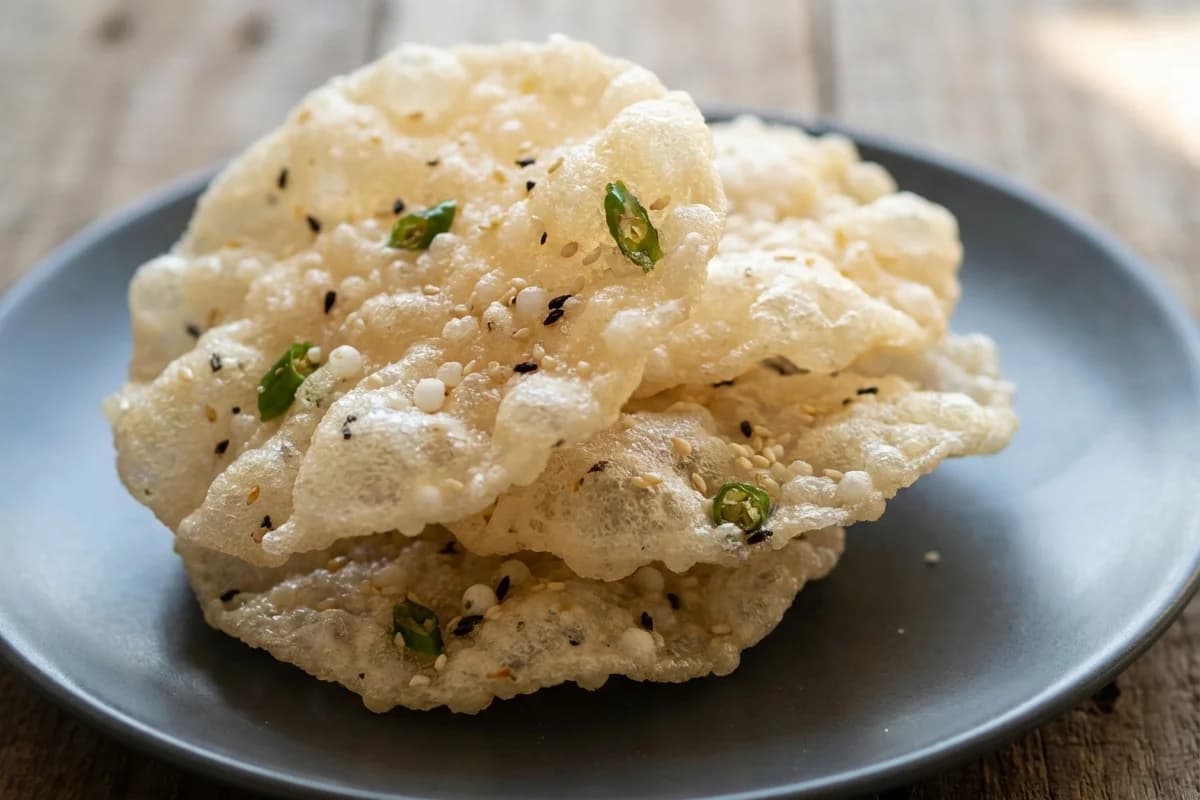
Crispy, sun-dried rice fritters from the heart of Andhra Pradesh. Made with rice and sago, these savory crackers are stored for months and fried to golden perfection, offering a delightful crunch with every meal.
Prep20 min
Cook40 min
Soak240 min
Servings
About Steamed Rice, Mukkala Pulusu, Dondakaya Vepudu and Biyyam Vadiyalu
Fiber-rich mixed veg stew with crispy ivy gourd fry – a tangy, energy-giving homestyle delight!
This andhra dish is perfect for lunch. With 792 calories and 13.520000000000001g of protein per serving, it's a nutritious choice for your meal plan.
Other Cuisines to Explore
Discover authentic meals from cuisines around the world.
Place the pan over medium-high heat and bring the water to a rolling boil.
Once boiling, give the rice one gentle stir to prevent sticking.
Immediately reduce the heat to the lowest setting, cover the pot securely, and let it simmer for 12-15 minutes.
Do not lift the lid during this time to keep the steam trapped inside.
3
Rest and Fluff
After 12-15 minutes, turn off the heat. Keep the lid on and let the pot stand undisturbed for another 10 minutes.
This resting period allows the residual steam to finish cooking the grains perfectly.
After resting, remove the lid and use a fork to gently fluff the rice, separating the grains.
Serve hot with your favorite curry or dal.
4
Serving size: 1 serving
161cal
2gprotein
23gcarbs
8gfat
Ingredients
2 tbsp Tamarind (seedless, packed)
3.5 cup Water (divided for soaking and cooking)
1 pc Drumstick (cut into 2-inch pieces)
1 cup Bottle Gourd (peeled and cubed)
1 cup Yellow Pumpkin (peeled and cubed)
1 medium Onion (peeled and quartered)
2 pc Green Chili (slit lengthwise)
0.5 tsp Turmeric Powder
1 tsp Red Chili Powder (adjust to taste)
2 tbsp Jaggery (grated or powdered)
1.5 tsp Salt (or to taste)
1 tbsp Rice Flour
2 tbsp Vegetable Oil
1 tsp Mustard Seeds
0.5 tsp Cumin Seeds
0.5 tsp Urad Dal
0.5 tsp Chana Dal
2 pc Dried Red Chili (broken into halves)
1 sprig Curry Leaves
0.25 tsp Asafoetida
2 tbsp Coriander Leaves (freshly chopped, for garnish)
Instructions
1
Prepare Tamarind & Vegetables
Soak the tamarind in 1/2 cup of warm water for 15 minutes. Squeeze well to extract all the pulp, then strain the liquid and discard the solids. Set the tamarind extract aside.
While the tamarind is soaking, wash, peel, and chop all the vegetables as specified in the ingredient list.
2
Cook the Vegetables
In a large, heavy-bottomed pot, combine the chopped drumstick, bottle gourd, pumpkin, quartered onion, and slit green chilies.
Add 3 cups of water, turmeric powder, and 1 tsp of salt. Stir to combine.
Bring the mixture to a boil over medium-high heat. Once boiling, reduce the heat to medium, cover the pot, and cook for 10-12 minutes until the vegetables are tender but still hold their shape.
3
Add Flavorings
Pour the prepared tamarind extract into the pot with the cooked vegetables.
Add the grated jaggery, red chili powder, and the remaining 0.5 tsp of salt. Stir gently to combine without mashing the vegetables.
Allow the pulusu to simmer uncovered for 5-7 minutes, letting the raw smell of the tamarind dissipate and the flavors meld.
In a small, dry pan over low heat, roast the peanuts for 4-5 minutes until they are aromatic and lightly browned. Remove and set aside to cool.
In the same hot pan, add the dried red chilies and cumin seeds. Roast for about 1 minute until fragrant, being careful not to burn them.
If using, lightly toast the desiccated coconut for 30 seconds until it turns a pale golden color.
Once all roasted ingredients have cooled completely, transfer them to a blender or spice grinder along with the garlic cloves.
Pulse a few times to create a coarse powder. A coarse texture is key for the final dish. Set this powder aside.
2
Temper and Sauté the Ivy Gourd
Heat oil in a wide, heavy-bottomed pan or kadai over medium heat.
Once the oil is hot, add the mustard seeds and allow them to splutter.
Add the urad dal and chana dal. Sauté for about a minute until they turn a light golden brown.
Add the curry leaves and asafoetida (hing). Sauté for another 30 seconds until the leaves are crisp.
Add the sliced ivy gourd (dondakaya) to the pan. Sprinkle with turmeric powder and salt. Mix thoroughly to ensure the slices are evenly coated with the oil and spices.
1 cup Sona Masuri Rice (Or any short-grain raw rice)
0.25 cup Sabudana (Also known as sago or tapioca pearls)
5 pcs Green Chillies (Adjust to your spice preference)
1 tbsp Cumin Seeds
1 tbsp Sesame Seeds (White or black)
1.5 tsp Salt (Adjust to taste)
6 cup Water (For cooking the porridge)
2 cup Vegetable Oil (For deep frying)
Instructions
1
Soak Rice and Sago
Thoroughly wash the raw rice and sabudana under running water until the water runs clear.
In a large bowl, soak the washed rice and sabudana together in enough water to cover them by at least 2 inches. Let them soak for a minimum of 6 hours, or preferably overnight.
2
Grind the Batter
Drain all the water from the soaked rice and sabudana.
Transfer the mixture to a wet grinder or a high-powered blender along with the green chillies.
Grind to a very smooth, fine paste. Add a few tablespoons of water if necessary to facilitate grinding, but keep the batter as thick as possible.
3
Cook the Porridge
Pour the ground batter into a heavy-bottomed pot or kadai.
Add 6 cups of water and salt. Whisk well to ensure there are no lumps.
Place the pot on medium heat. Cook for 25-30 minutes, stirring continuously and scraping the bottom and sides to prevent sticking and burning.
The mixture will thicken considerably and turn into a glossy, translucent porridge. To check for doneness, the raw smell of rice should be gone.
4
Add Spices and Cool
Turn off the heat. Immediately stir in the cumin seeds and sesame seeds.
Mix everything well. Allow the porridge to cool for 15-20 minutes. It will thicken further as it cools.
5
Pipe and Sun-Dry
Lay a clean, thick plastic sheet or a clean cotton cloth (like a dhoti) in an area with direct, strong sunlight.
Using a spoon or a piping bag with a plain nozzle, drop small, coin-sized portions of the warm batter onto the sheet, leaving about an inch of space between each one.
Let them dry in the sun for 2 to 4 days, depending on the intensity of the sun. They will shrink, become hard, and turn translucent.
After the first day, gently peel them off the sheet and flip them over to ensure the other side also dries completely.
6
Store the Vadiyalu
Once the vadiyalu are completely brittle and moisture-free (they should snap easily), they are ready for storage.
Store them in a clean, dry, airtight container at room temperature. They can be stored for up to a year.
7
Fry and Serve
Heat vegetable oil in a kadai over medium-high heat for deep frying.
To test if the oil is ready, drop a small piece of vadiyalu; it should sizzle and rise to the surface immediately.
Carefully drop a handful of dried vadiyalu into the hot oil. They will puff up and double in size within 5-10 seconds.
Using a slotted spoon, quickly remove them before they change color significantly. Drain on a paper towel to absorb excess oil.
Serve hot as a crunchy accompaniment to rice dishes like sambar, rasam, or pappu.
In a small bowl, whisk the rice flour with 3 tablespoons of water until you have a smooth, lump-free slurry.
While stirring the pulusu continuously, slowly pour in the rice flour slurry. This prevents lumps from forming.
Continue to cook for another 2-3 minutes, stirring occasionally, until the stew thickens slightly to a light gravy consistency.
5
Prepare the Tempering (Talimpu)
In a small pan (tadka pan), heat the vegetable oil over medium heat.
Add the mustard seeds and wait for them to splutter.
Add the cumin seeds, urad dal, and chana dal. Sauté for about 30-40 seconds until the dals turn a light golden brown.
Add the broken dried red chilies, curry leaves, and asafoetida. Sauté for another 15 seconds until the curry leaves are crisp and fragrant. Be careful not to burn the spices.
6
Combine and Serve
Immediately pour the hot tempering over the simmering pulusu. You should hear a satisfying sizzle.
Stir gently to incorporate the tempering throughout the stew.
Garnish with freshly chopped coriander leaves. Turn off the heat and let it rest for 5 minutes before serving.
Serve hot with steamed rice, mudda pappu (plain cooked dal), and a dollop of ghee.
3
Slow-Fry to Perfection
Reduce the heat to medium-low and cook the ivy gourd for 15-20 minutes, stirring every 3-4 minutes to prevent sticking and ensure even cooking.
Do not cover the pan. This is crucial for allowing moisture to escape, which makes the ivy gourd crispy rather than steamed and soggy.
Continue cooking until the pieces are tender, have shrunk in size, and have developed crispy, golden-brown edges.
4
Add Spice Powder and Serve
Once the ivy gourd is well-cooked and crispy, sprinkle the prepared peanut-garlic powder over it.
Gently mix to coat all the pieces evenly.
Cook on low heat for another 2-3 minutes, allowing the flavors of the powder to meld with the vegetable.
Turn off the heat and serve hot as a side dish with rice and sambar, rasam, or dal.