
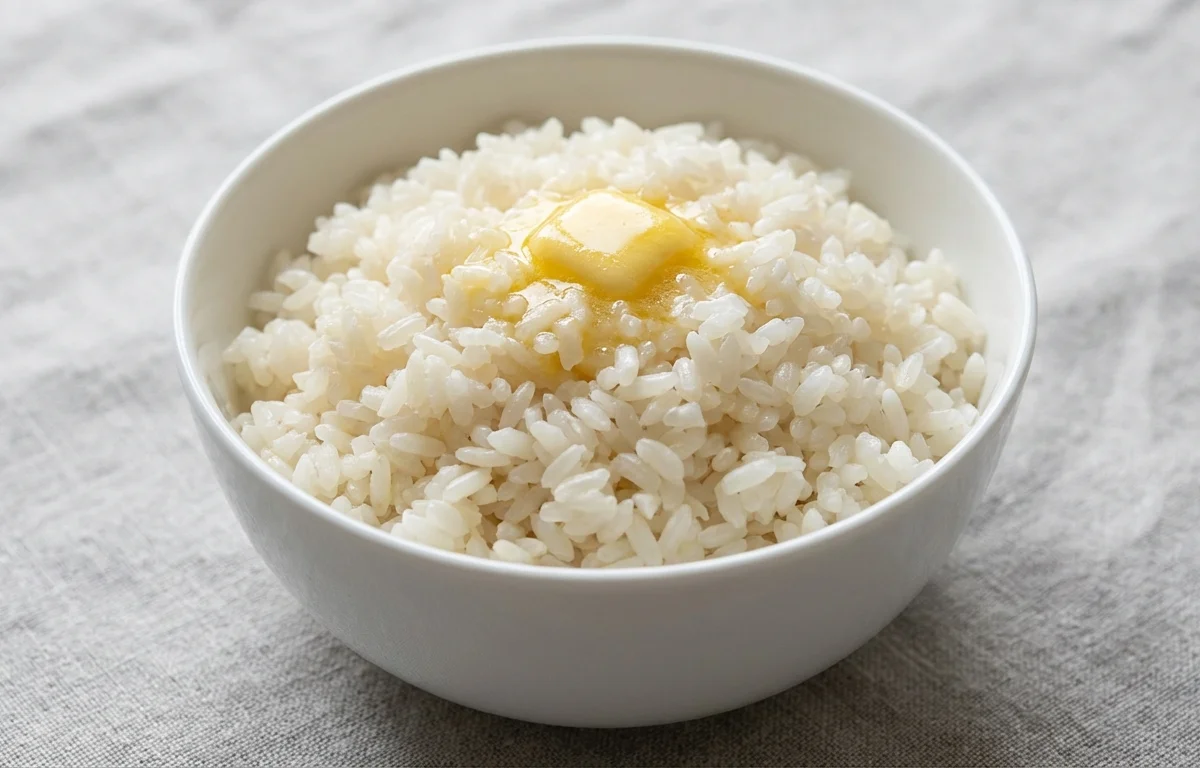
Shada Bhaat
Simple, perfectly steamed white rice that forms the heart of every Bengali meal. This unseasoned, fluffy rice lets the bold flavors of accompanying curries, dal, and fish shine through. A humble staple that is deceptively tricky to master—getting each grain separate and tender is a point of pride in Bengali kitchens.
For 4 servings
- prep
Wash and soak the rice.
1.Rinse the rice in cold water 3-4 times until the water runs almost clear.2.Cover the rinsed rice with fresh water and let it soak for 15 minutes.3.Drain the soaked rice completely and set aside.TIPDon't skip the soaking—it hydrates the grains evenly and helps them cook up fluffy and separate. - boil · ~3 min
Bring the water to a boil.
1.Pour 3 cups of water into a heavy-bottomed pot.2.Add a pinch of salt.3.Bring to a rolling boil over high heat. - simmer · ~15 min
Cook the rice.
Add the drained rice to the boiling water. Stir gently once to prevent sticking. When the water returns to a boil, reduce the heat to the lowest possible setting. Cover the pot with a tight-fitting lid.
TIPA tight-fitting lid is everything—wrap a clean kitchen cloth under the lid if needed to trap steam completely. - rest · ~6 min
Rest the rice off the heat.
After 15 minutes, turn off the heat. Do not open the lid. Let the pot sit undisturbed on the warm burner for another 5 to 7 minutes to finish steaming.
TIPPatience during the rest is the secret to perfectly separated grains. Peeking releases the steam. - prep
Fluff and serve the rice.
Remove the lid. Use a fork or a flat rice paddle to gently fluff the rice, lifting and turning from the bottom. Transfer to a serving bowl and serve hot with Bengali-style dal, fish curry, or vegetable fries.
TIPUse a light hand when fluffing—mashing or stirring aggressively will break the delicate grains.
What to keep in mind.
6 tips from the recipe — small details that make a real difference to the final dish.
- 1Soaking the rice for exactly 15 minutes ensures even hydration without making grains mushy.
- 2Use a heavy-bottomed pot to distribute heat evenly and prevent scorching at the bottom.
- 3Wrap a clean kitchen towel under the lid to trap steam if your lid isn't perfectly tight.
- 4Let the rice rest undisturbed for 5-7 minutes off heat — this finishes steaming without burning.
- 5Fluff with a fork or flat rice paddle using a gentle lifting motion to keep grains intact.
- 6Gobindobhog rice is ideal for its aroma and delicate texture, but any short-grain white rice works.
Adapt it for your goals.
Aromatic rice
Substitute Gobindobhog with aged basmati or jeera rice for a different fragrance and slightly firmer grain — ideal for pairing with rich gravies.
low starchLow-starch
Rinse the rice 5-6 times until water is crystal clear and reduce soaking time to 10 minutes for a fluffier, less sticky texture suitable for fried rice.
butter finishButter finish
After fluffing, gently fold in 1 tablespoon of ghee or butter for a richer mouthfeel — a common Bengali variation for festive meals.
Why this is on our healthy list.
Low in Fat
Steamed white rice is naturally fat-free, making it a light base that complements heavy curries without adding extra calories.
Easy to Digest
Short-grain white rice like Gobindobhog is low in fiber and gentle on the stomach, ideal for convalescents or those needing a bland diet.
Quick Energy Source
The carbohydrates in rice provide readily available energy, making it a staple for active lifestyles in Bengali cuisine.
Naturally Gluten-Free
Rice is gluten-free by nature, making this dish safe for those with celiac disease or gluten sensitivity.
Frequently asked questions
Mushy rice usually means too much water or overcooking. Use a 1:2 rice-to-water ratio and don't boil beyond the 15-minute simmer.





-curry.webp)
.webp)