Other10 recipes
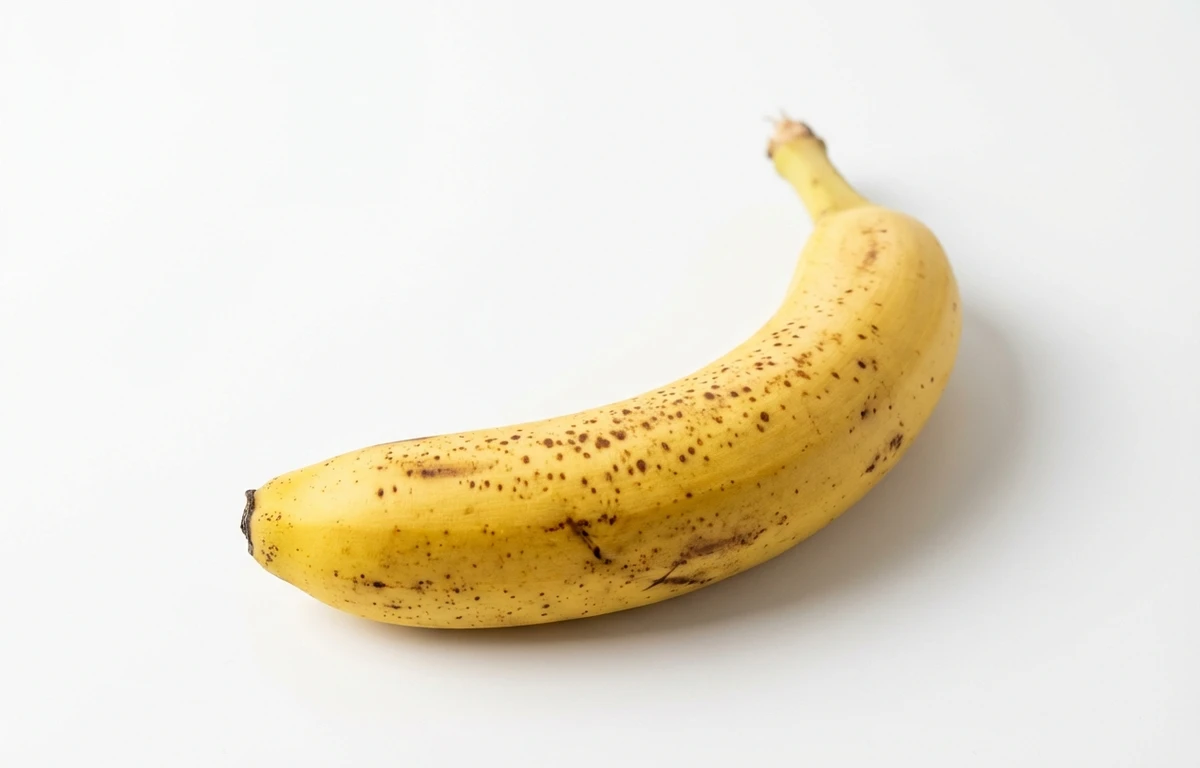
banana.
VegetarianVeganGluten-freeDairy-freeNut-freePeanut-freeSoy-freeEgg-freeShellfish-freeHoney-freeAlcohol-free
ALSO KNOWN AS
yellow bananasmadhura vazhapazhampazhamripe kelapaka kelaripe bananascavendish bananadessert bananavazhaipazhamripe bananaRaw BananasbananasMedium Bananasfresh bananaripe yellow bananaraw ripe bananaBananakadalikelaplatanoguineobanana fruityellow banana
SERVING
CALORIES
89
PROTEIN
1.1g
CARBS
22.8g
FAT
0.30g
FIBER
2.6g
NUTRITION PROFILE · per 100 g
Everything in this ingredient.
MACRONUTRIENTS
Calories89kcal—
Protein1.1g2%
Carbohydrates22.8g8%
Fiber2.6g9%
Sugar12.2g24%
Total fat0.30g0%
Saturated fat0.10g1%
Trans fat0g—
Cholesterol0mg0%
Water74.9g—
MINERALS
Sodium1.0mg0%
Potassium358mg8%
Calcium5.0mg0%
Iron0.30mg2%
Magnesium27mg6%
Phosphorus22mg2%
Zinc0.15mg1%
Copper0.08mg9%
Manganese0.27mg12%
Selenium1.0µg2%
VITAMINS
Vitamin A3.0µg0%
Vitamin C8.7mg10%
Vitamin D0µg0%
Vitamin E0.10mg1%
Vitamin K0.50µg0%
Thiamin (B1)0.03mg3%
Riboflavin (B2)0.07mg5%
Niacin (B3)0.67mg4%
Pantothenic acid (B5)0.33mg7%
Vitamin B60.37mg22%
Folate (B9)20µg5%
Vitamin B120µg0%
%DV based on a 2,000 cal diet. Source: USDA FoodData Central. A dash in the %DV column means there’s no established Daily Value for that nutrient.
MEASUREMENT CONVERSIONS
How much is what.
1 cup225g
1 tablespoon14.2g
1 teaspoon4.7g
1 oz28.4g
1 lb453.6g
1 ml1g
1 liter950g
1 piece118g
HEALTH BENEFITS
Why eat it.
- ✓Rich in potassium which supports heart health and blood pressure regulation
- ✓Provides a quick energy boost through natural sugars and fiber
- ✓Contains pectin and resistant starch which support digestive health
- ✓High in Vitamin B6, essential for brain development and immune function
- ✓Contains antioxidants like dopamine and catechins that reduce oxidative stress
COOKING TIPS
In the kitchen.
- 1Use overripe, spotted bananas for the best flavor and sweetness in baking
- 2Brush sliced bananas with lemon or lime juice to prevent enzymatic browning
- 3Freeze peeled bananas to create a creamy, dairy-free 'nice cream' base
STORAGE
Keep it fresh.
- Store at room temperature away from direct sunlight to ripen naturally
- Keep away from other fruits unless you want them to ripen faster due to ethylene gas
- Once ripe, store in the fridge to extend life; the skin will darken but the fruit stays firm
FAQ
Frequently asked questions.
How long do bananas last?
Bananas typically last 2-5 days at room temperature. Once fully ripe, they can be refrigerated for an additional 3-5 days.
Can you freeze bananas?
Yes, peel them first and store in an airtight bag. They are excellent for smoothies or baking after thawing.
How do I pick the best bananas?
Choose bright yellow bananas for immediate use, or green-tipped ones if you want them to last a few days.
What can I substitute for bananas in baking?
Applesauce, mashed avocado, or pumpkin puree can often substitute for bananas in a 1:1 ratio by volume.
How do I ripen bananas faster?
Place them in a brown paper bag with an apple or tomato; the trapped ethylene gas accelerates ripening.
Are bananas high in sugar?
They contain about 12g of natural sugar per 100g, which is higher than berries but comes with fiber to slow absorption.
Why do bananas turn brown?
They turn brown due to enzymatic browning when exposed to oxygen or as they ripen and starch converts to sugar.
Are banana peels edible?
Yes, they are edible when washed thoroughly and cooked, though they are much tougher and more bitter than the fruit.
RECIPES
Cook with banana.
10 recipes · sorted by what’s quick
.webp)