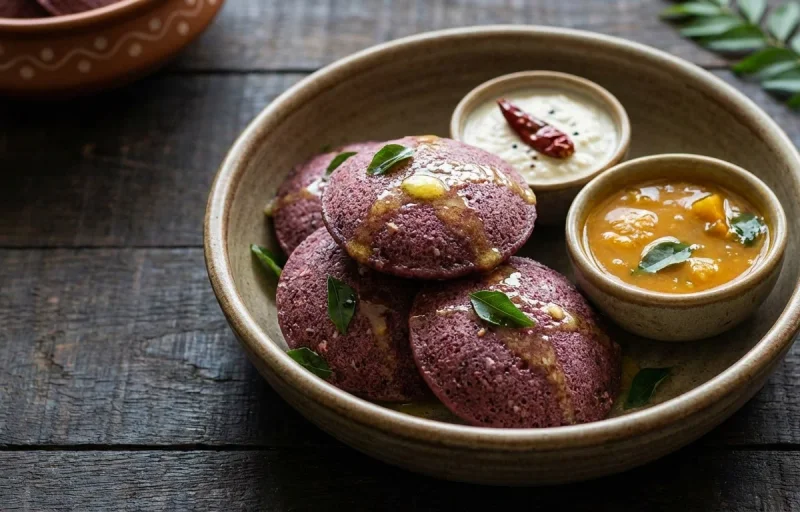
Grain3 recipes
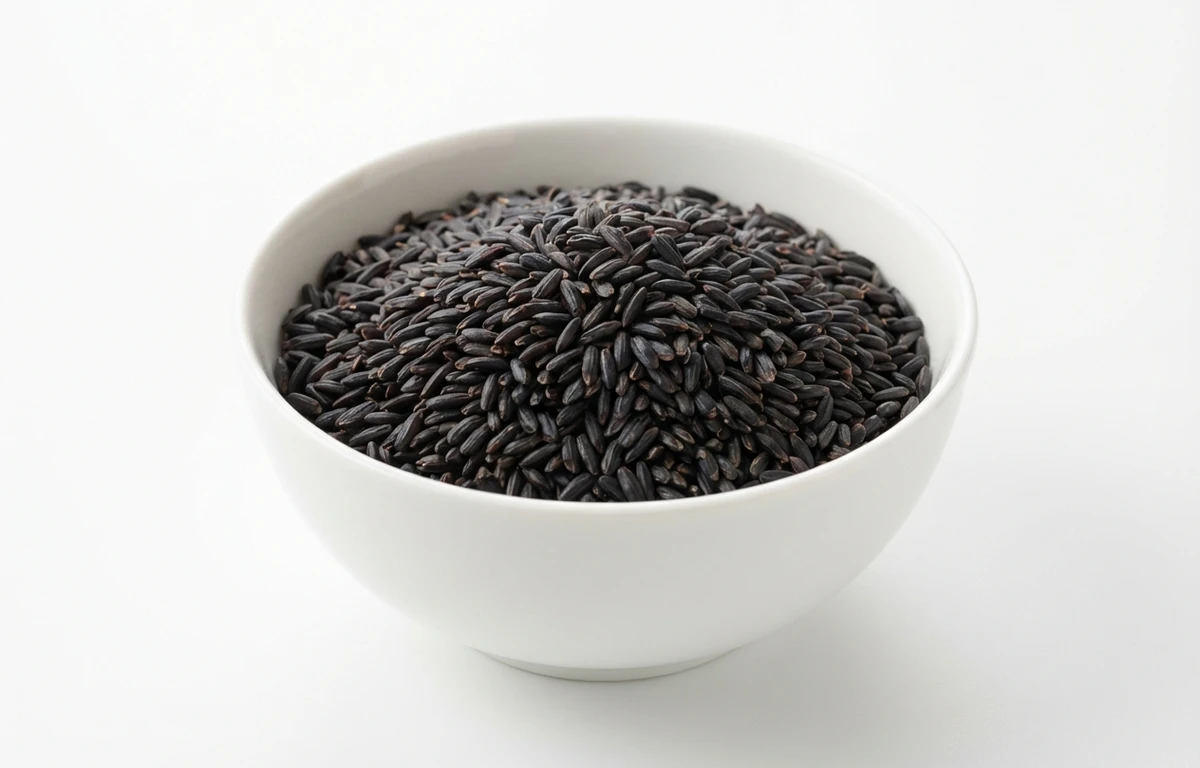
black rice.
VegetarianVeganGluten-freeDairy-freeNut-freePeanut-freeSoy-freeEgg-freeShellfish-freeHoney-freeAlcohol-freeWhole grain
ALSO KNOWN AS
kavuni arisiraw black riceforbidden ricepurple rice
SERVING
CALORIES
356
PROTEIN
8.9g
CARBS
72.4g
FAT
3.3g
FIBER
4.9g
NUTRITION PROFILE · per 100 g
Everything in this ingredient.
MACRONUTRIENTS
Calories356kcal—
Protein8.9g18%
Carbohydrates72.4g26%
Fiber4.9g18%
Sugar0.70g1%
Total fat3.3g4%
Saturated fat0.60g3%
Trans fat0g—
Cholesterol0mg0%
Water12g—
MINERALS
Sodium5.0mg0%
Potassium268mg6%
Calcium15mg1%
Iron3.5mg19%
Magnesium143mg34%
Phosphorus310mg25%
Zinc2.2mg20%
Copper0.30mg33%
Manganese2.5mg109%
Selenium15µg27%
VITAMINS
Vitamin A0µg0%
Vitamin C0mg0%
Vitamin D0µg0%
Vitamin E0.20mg1%
Vitamin K0.50µg0%
Thiamin (B1)0.40mg33%
Riboflavin (B2)0.10mg8%
Niacin (B3)4.3mg27%
Pantothenic acid (B5)1.0mg20%
Vitamin B60.50mg29%
Folate (B9)20µg5%
Vitamin B120µg0%
%DV based on a 2,000 cal diet. Source: USDA FoodData Central. A dash in the %DV column means there’s no established Daily Value for that nutrient.
MEASUREMENT CONVERSIONS
How much is what.
1 cup185g
1 tablespoon11.5g
1 teaspoon3.8g
1 ml0.8g
1 liter766.7g
HEALTH BENEFITS
Why eat it.
- ✓Extremely high in antioxidants, particularly anthocyanin, which helps protect cells from oxidative stress and may reduce inflammation.
- ✓A good source of dietary fiber, which aids in digestion, promotes satiety, and helps regulate blood sugar levels.
- ✓Contains a higher amount of protein compared to other rice varieties, supporting muscle maintenance and repair.
- ✓Rich in essential minerals such as iron, which is vital for oxygen transport in the blood, and manganese, important for bone health and metabolism.
COOKING TIPS
In the kitchen.
- 1Rinse black rice thoroughly under cold running water before cooking to remove excess surface starch.
- 2Use a water-to-rice ratio of approximately 2:1. For every 1 cup of rice, use 2 cups of water or broth.
- 3Soaking the rice for at least 30 minutes to an hour before cooking can shorten the cooking time and result in a more tender texture.
- 4Simmer, covered, for about 30-40 minutes. Its nutty flavor and chewy texture make it excellent for salads, grain bowls, and desserts like rice pudding.
STORAGE
Keep it fresh.
- Store uncooked black rice in an airtight container in a cool, dark pantry for up to 6 months.
- For longer-term storage (up to a year), place the airtight container in the freezer to prevent the natural oils in the bran from becoming rancid.
- Cooked black rice should be cooled and refrigerated in an airtight container, where it will keep for 3-5 days.
FAQ
Frequently asked questions.
Is black rice healthy?
Yes, black rice is considered a superfood due to its high concentration of anthocyanins, the same antioxidants found in blueberries. These antioxidants help protect cells from oxidative stress and reduce inflammation, while its high fiber content supports heart and digestive health.
How much protein and fiber are in black rice?
Black rice contains approximately 8.9g of protein per 100g, which is higher than most other rice varieties. It is also a rich source of dietary fiber, which aids in digestion, promotes a feeling of fullness, and helps regulate blood sugar levels.
Is black rice better than white or brown rice?
Nutritionally, black rice is superior to white rice and often outperforms brown rice because it contains more protein and significantly more antioxidants. While brown rice is a healthy whole grain, black rice offers unique phytonutrients like anthocyanins that are not found in other rice types.
Is black rice gluten-free?
Yes, black rice is naturally gluten-free. It is an excellent grain choice for individuals with celiac disease, gluten intolerance, or those following a gluten-free diet for other health reasons.
Is black rice keto-friendly?
No, black rice is not keto-friendly as it is high in carbohydrates, containing about 72.4g of carbs per 100g. While it is a complex carbohydrate with a lower glycemic index than white rice, it contains too many net carbs for a standard ketogenic diet.
How do you cook black rice?
To cook black rice, use a ratio of 1 cup of rice to 2 cups of water or broth. Bring to a boil, then reduce heat to low, cover, and simmer for 30 to 35 minutes until the liquid is absorbed; let it stand for 5 minutes before fluffing with a fork.
What does black rice taste like?
Black rice has a distinct nutty, earthy flavor and a slightly sweet finish. Its texture is denser and chewier than white rice, providing a more substantial mouthfeel similar to wild rice or brown rice.
Why does the water turn purple when cooking black rice?
The water turns deep purple because the anthocyanin pigments in the rice's outer bran layer are water-soluble. This is a natural process and a sign of the rice's high antioxidant content; the rice itself will also appear dark purple once cooked.
How should I store black rice and how long does it last?
Store uncooked black rice in an airtight container in a cool, dry, and dark place for up to 6 months. Cooked black rice should be stored in the refrigerator in a sealed container and consumed within 3 to 5 days.
Does black rice help with weight loss?
Black rice can support weight loss efforts because its high fiber and protein content promote satiety, helping you feel full longer and reducing the likelihood of overeating. It is a nutrient-dense alternative to refined grains that provides more sustained energy.
RECIPES
Cook with black rice.
3 recipes · sorted by what’s quick