
meat3 recipes
Bratwurst Sausage.
VegetarianVeganGluten-freeDairy-freeNut-freePeanut-freeSoy-freeEgg-freeShellfish-freeHoney-freeAlcohol-free
ALSO KNOWN AS
bratsgerman sausageBratwurst Sausages
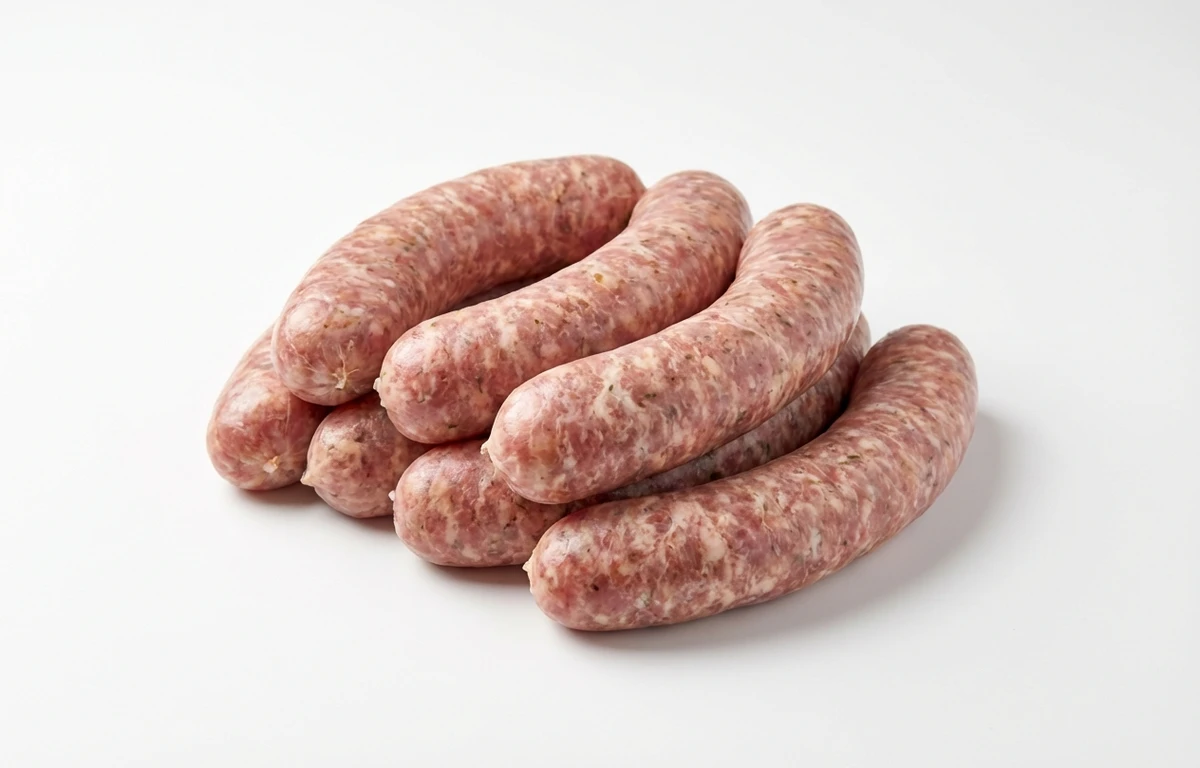
SERVING
CALORIES
330
PROTEIN
14.5g
CARBS
2.5g
FAT
29.5g
FIBER
0g
Per 100 g, it provides 0.50 µg of vitamin K.
NUTRITION PROFILE · per 100 g
Everything in this ingredient.
MACRONUTRIENTS
Calories330kcal—
Protein14.5g29%
Carbohydrates2.5g1%
Fiber0g0%
Sugar0.50g1%
Total fat29.5g38%
Saturated fat11.5g57%
Trans fat0.10g—
Cholesterol75mg25%
Water50g—
MINERALS
Sodium780mg34%
Potassium230mg5%
Calcium15mg1%
Iron1.2mg7%
Magnesium18mg4%
Phosphorus180mg14%
Zinc2.5mg23%
Copper0.08mg9%
Manganese0.02mg1%
Selenium25µg45%
VITAMINS
Vitamin A0µg0%
Vitamin C0mg0%
Vitamin D0.20µg1%
Vitamin E0.30mg2%
Vitamin K0.50µg0%
Thiamin (B1)0.35mg29%
Riboflavin (B2)0.15mg12%
Niacin (B3)3.8mg24%
Pantothenic acid (B5)0.50mg10%
Vitamin B60.20mg12%
Folate (B9)5.0µg1%
Vitamin B120.70µg29%
%DV based on a 2,000 cal diet. Source: USDA FoodData Central. A dash in the %DV column means there’s no established Daily Value for that nutrient.
MEASUREMENT CONVERSIONS
How much is what.
1 oz3.5g
1 lb0.2g
1 piece90g
HEALTH BENEFITS
Why eat it.
- ✓Good source of protein for muscle maintenance and repair.
- ✓Provides essential B vitamins (B1, B3, B12) important for energy metabolism.
- ✓Contains iron, vital for oxygen transport in the blood.
COOKING TIPS
In the kitchen.
- 1Grill over medium heat for 15-20 minutes, turning occasionally, until browned and cooked through.
- 2Pan-fry in a skillet over medium heat, adding a splash of water and covering initially to steam, then uncover to brown.
- 3Boil bratwurst in beer or water for 10-15 minutes before grilling or pan-frying to ensure even cooking and add flavor.
STORAGE
Keep it fresh.
- Store raw bratwurst in the refrigerator for 1-2 days or freeze for up to 2-3 months.
- Cooked bratwurst can be refrigerated for 3-4 days.
- Ensure packaging is airtight to prevent freezer burn when freezing.
FAQ
Frequently asked questions.
Is bratwurst healthy?
Bratwurst is a good source of high-quality protein and essential B vitamins, but it is high in calories and saturated fat. It should be consumed in moderation as part of a balanced diet, particularly for those monitoring their heart health or sodium intake.
How much protein is in bratwurst?
A 100g serving of bratwurst contains approximately 14.5g of protein. This makes it an effective source of protein for muscle maintenance and repair, though it is more calorie-dense than leaner meats.
Is bratwurst keto-friendly?
Yes, bratwurst is generally keto-friendly because it is high in fat (29.5g) and low in carbohydrates (2.5g per 100g). However, you should check the label for added sugars or fillers that might increase the carb count.
Is bratwurst gluten-free?
While meat is naturally gluten-free, some bratwurst brands use breadcrumbs or flour as fillers. Always check the ingredient list for wheat-based additives to ensure the specific brand is safe for a gluten-free diet.
How do you cook bratwurst?
Bratwurst is best prepared by grilling, pan-searing, or simmering in liquid (like beer) before browning. It must be cooked to an internal temperature of 160°F (71°C) to ensure it is safe to eat while remaining juicy.
What does bratwurst taste like?
Bratwurst has a savory, mild flavor seasoned with spices like nutmeg, ginger, caraway, and white pepper. It typically has a coarse texture and a firm 'snap' when bitten into, especially if it has a natural casing.
How long does bratwurst last in the fridge?
Fresh, uncooked bratwurst should be used within 1 to 2 days of purchase. Precooked or vacuum-sealed varieties can last up to two weeks unopened, but once opened, they should be consumed within 3 to 5 days.
How can you tell if bratwurst has gone bad?
Spoiled bratwurst will have a slimy surface, a sour or pungent odor, and may develop a greyish or greenish tint. If the texture or smell seems off, it is safest to discard the sausage to avoid food poisoning.
Is bratwurst precooked?
It depends on the product; some bratwursts are sold raw and require full cooking, while others are smoked or parboiled and only need to be heated through. Always check the packaging to see if it is labeled 'fresh' or 'fully cooked'.
RECIPES
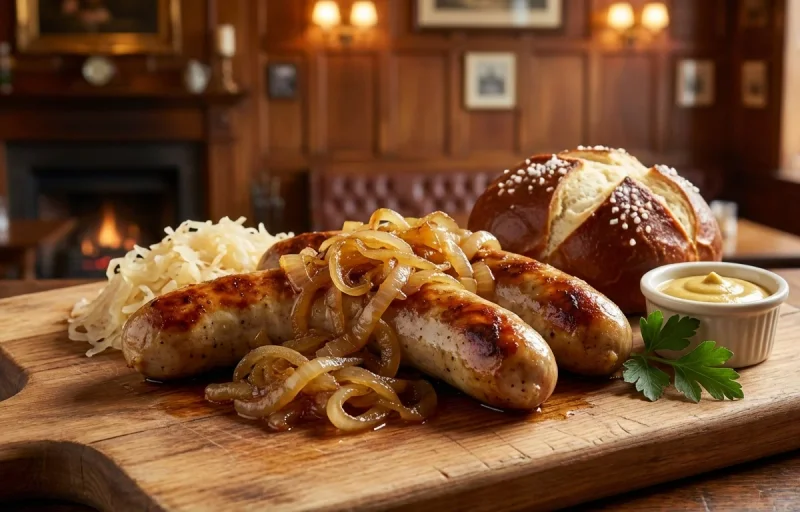
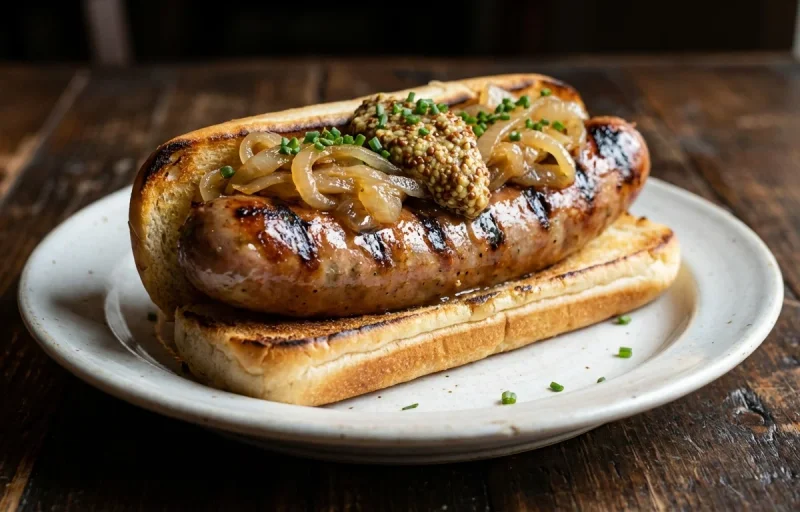
Cook with bratwurst sausage.
3 recipes · sorted by what’s quick
SAME CATEGORY
Other meat.
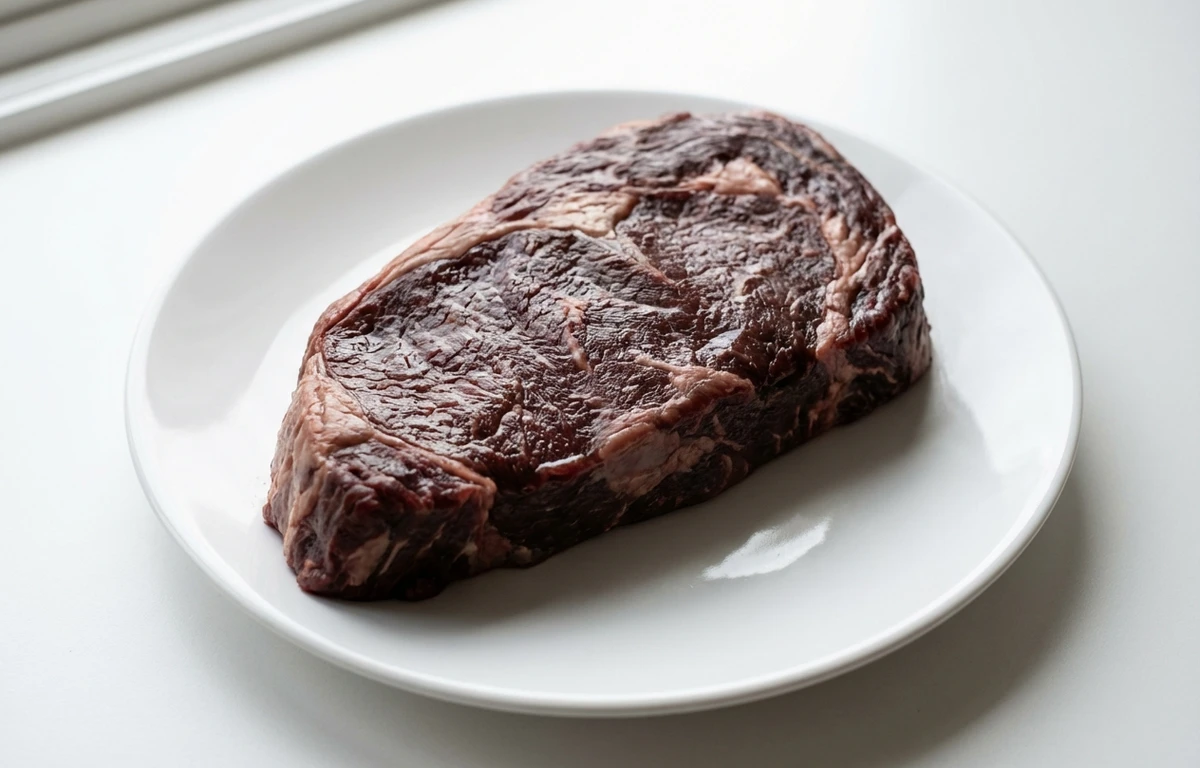
black bear meat
boiled beef heart
boiled beef kidney
braised beef brisket navel end lean
braised beef brisket point end lean
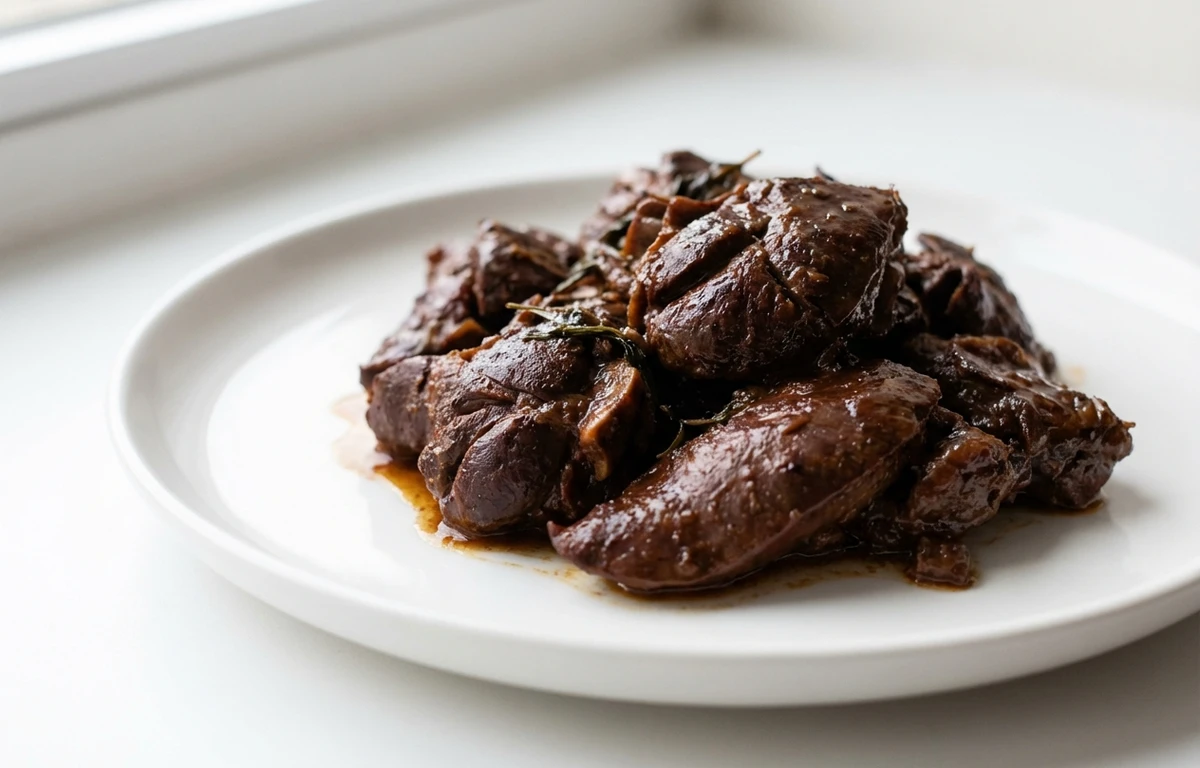
braised cooked lamb lungs
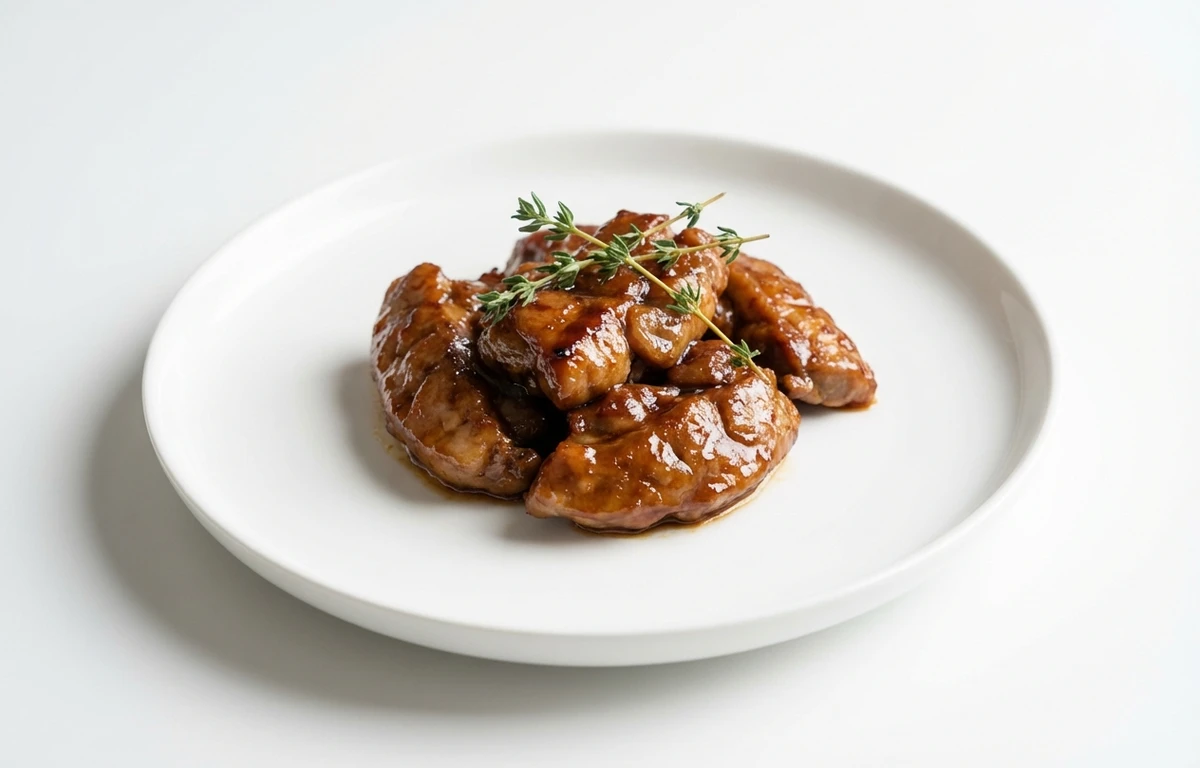
braised cooked lamb pancreas
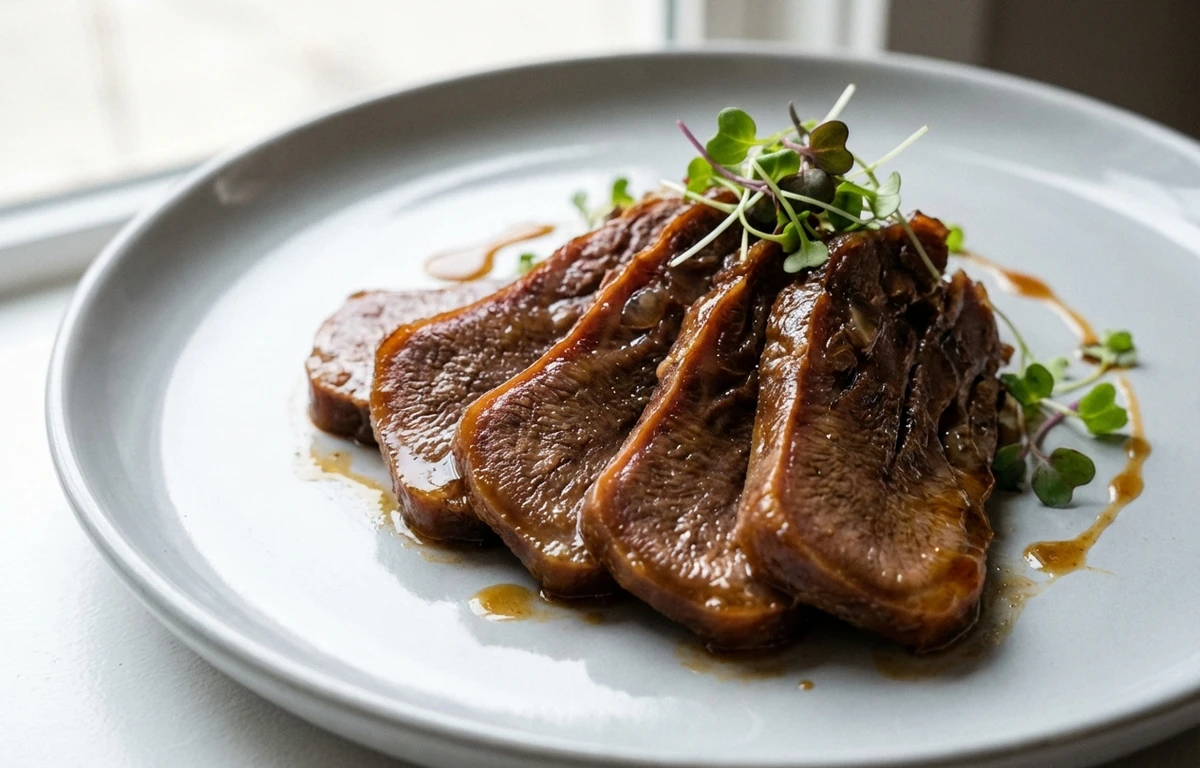
braised cooked lamb tongue
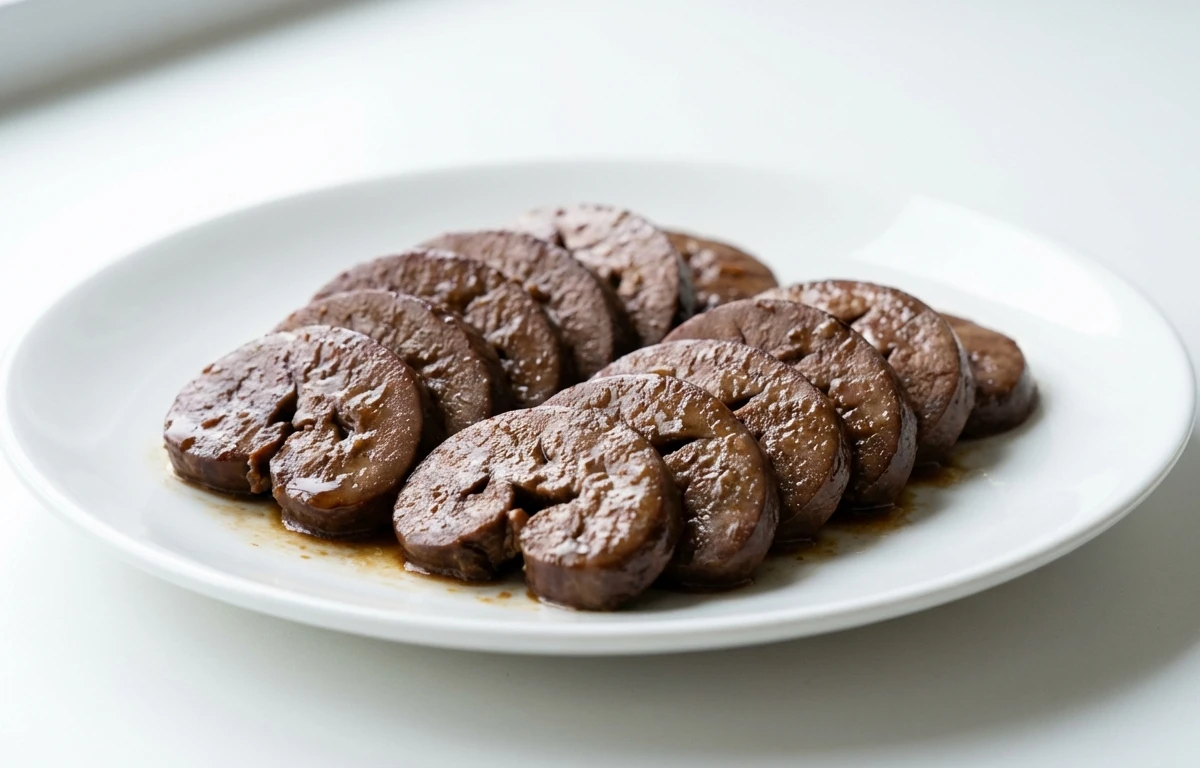
braised cooked pork kidneys
braised cooked veal thymus
braised cooked veal tongue
braised select bottom round beef steak









