Grain10 recipes
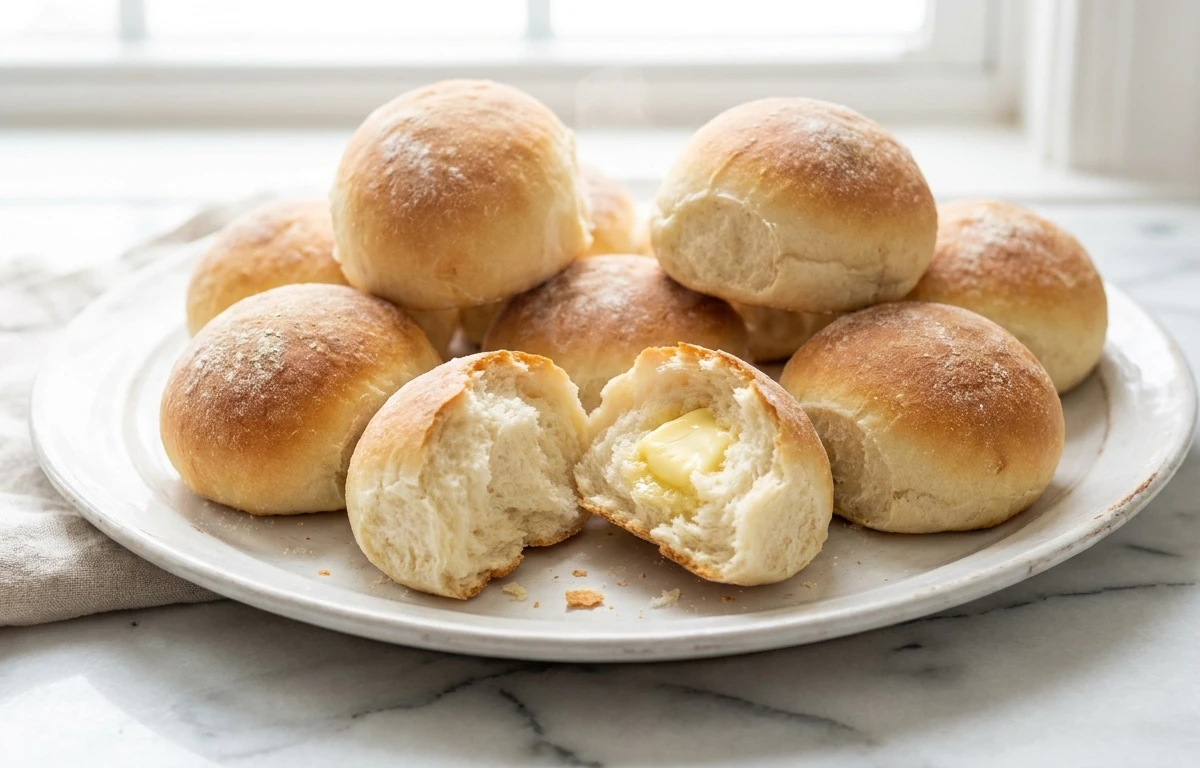
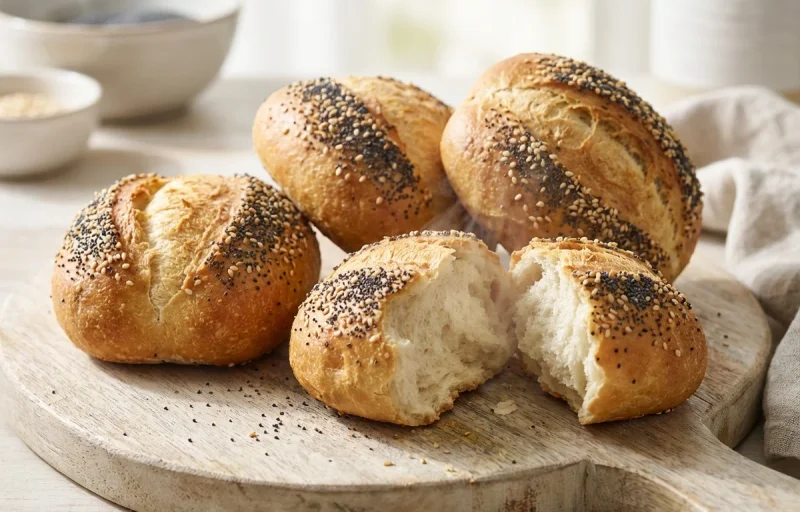
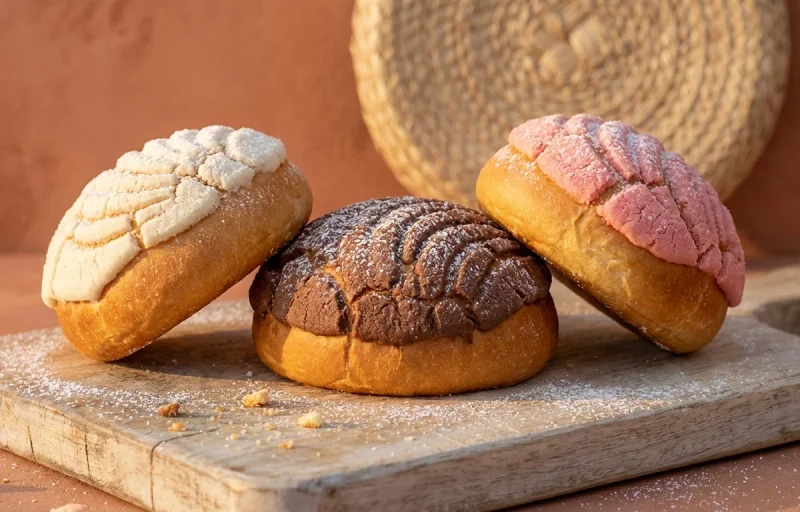
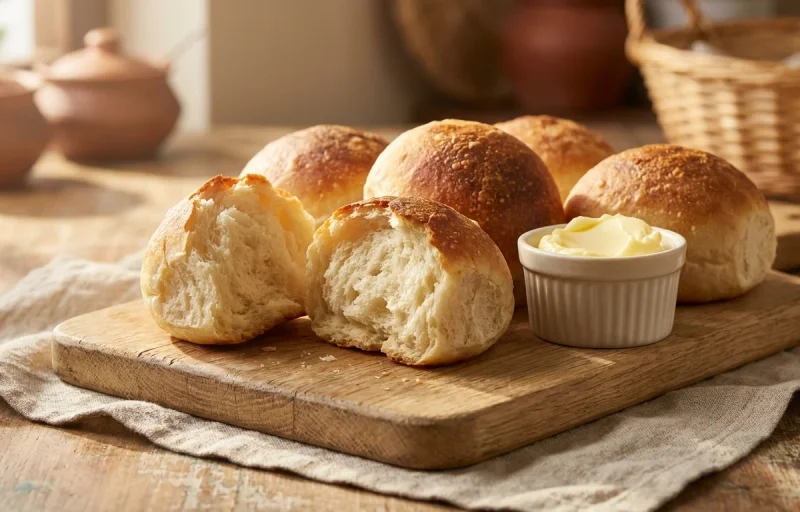
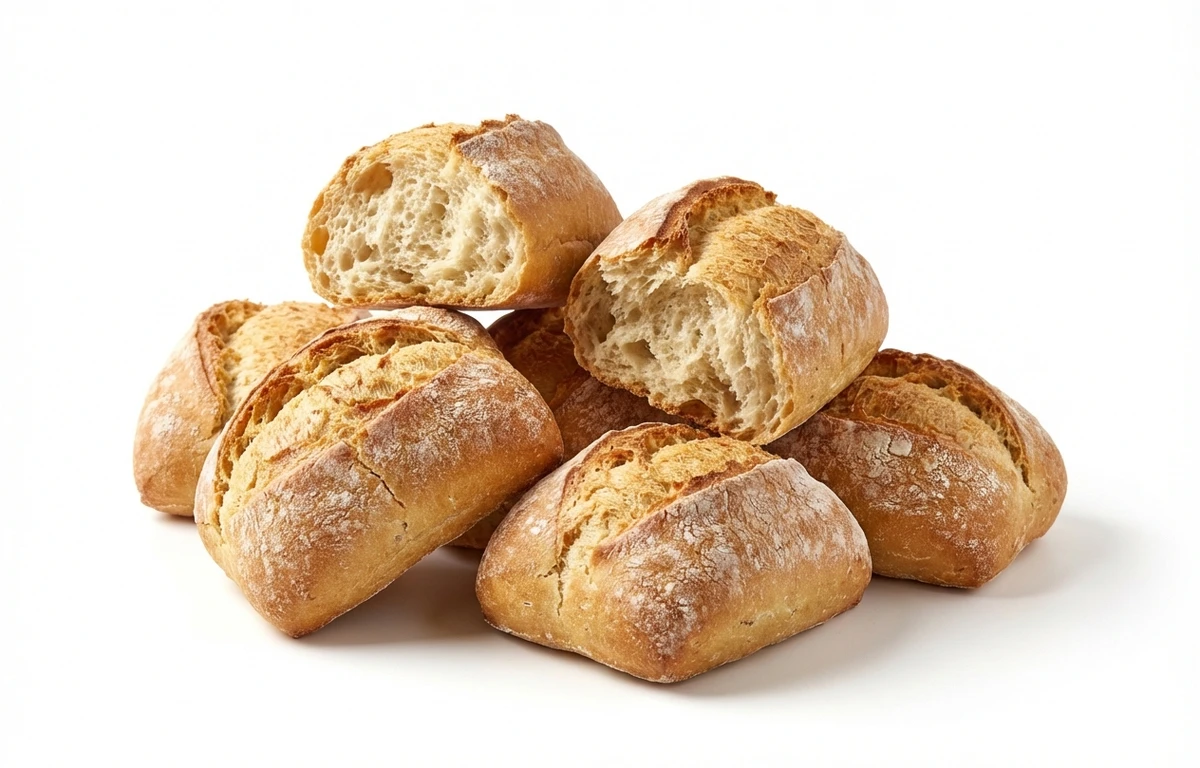
bread rolls.
VegetarianVeganGluten-freeDairy-freeNut-freePeanut-freeSoy-freeEgg-freeShellfish-freeHoney-freeAlcohol-freeFermented
ALSO KNOWN AS
pavrollsdinner rollbunbappaodinner rollsbread rollsladi pavyeast rollssoft rollsdinner bunswhite rollstable rollssoft dinner rolls
SERVING
CALORIES
280
PROTEIN
9.3g
CARBS
50.3g
FAT
4.2g
FIBER
2.3g
Per 100 g, it provides 1.9 µg of vitamin K.
NUTRITION PROFILE · per 100 g
Everything in this ingredient.
MACRONUTRIENTS
Calories280kcal—
Protein9.3g19%
Carbohydrates50.3g18%
Fiber2.3g8%
Sugar5.2g10%
Total fat4.2g5%
Saturated fat1.1g6%
Trans fat0g—
Cholesterol10mg3%
Water32.5g—
MINERALS
Sodium500mg22%
Potassium120mg3%
Calcium100mg8%
Iron3.5mg19%
Magnesium25mg6%
Phosphorus115mg9%
Zinc0.80mg7%
Copper0.10mg11%
Manganese0.40mg17%
Selenium25µg45%
VITAMINS
Vitamin A1.0µg0%
Vitamin E0.10mg1%
Vitamin K1.9µg2%
Thiamin (B1)0.20mg17%
Riboflavin (B2)0.15mg12%
Niacin (B3)2.5mg16%
Pantothenic acid (B5)0.40mg8%
Vitamin B60.10mg6%
Folate (B9)60µg15%
Vitamin B120µg0%
%DV based on a 2,000 cal diet. Source: USDA FoodData Central. A dash in the %DV column means there’s no established Daily Value for that nutrient.
MEASUREMENT CONVERSIONS
How much is what.
1 piece60g
HEALTH BENEFITS
Why eat it.
- ✓Provides carbohydrates, which are the body's primary source of energy.
- ✓Enriched bread rolls are fortified with essential B vitamins (thiamine, niacin, riboflavin) and iron.
- ✓Can be a source of minerals such as selenium and manganese.
COOKING TIPS
In the kitchen.
- 1To refresh day-old rolls, lightly spritz them with water and warm in an oven at 350°F (175°C) for 5-7 minutes.
- 2Slice rolls in half to use for sandwiches, sliders, or as a base for mini pizzas.
- 3Use stale bread rolls to make homemade croutons, breadcrumbs, or as a key ingredient in bread pudding or stuffing.
STORAGE
Keep it fresh.
- Store at room temperature in a paper bag or bread box for 1-3 days to maintain a crisp crust.
- For longer storage (up to 3 months), place in a freezer-safe, airtight bag. Thaw at room temperature or reheat directly from frozen.
FAQ
Frequently asked questions.
Are bread rolls healthy?
Bread rolls provide essential carbohydrates for energy and can be part of a balanced diet. Whole wheat versions offer more fiber for digestion, while enriched rolls provide B vitamins and iron. However, they are calorie-dense, so portion control is important.
How many calories and carbs are in bread rolls?
On average, 100g of bread rolls contains approximately 280 calories and 50.3g of carbohydrates. They also provide about 9.3g of protein and 4.2g of fat per 100g serving.
Are bread rolls vegan?
Many basic bread rolls are vegan, made from flour, water, yeast, and salt. However, some varieties like brioche or dinner rolls may include milk, butter, or eggs, so it is important to check the ingredient label.
How do you reheat bread rolls to make them soft again?
To soften stale rolls, sprinkle them lightly with water and warm them in an oven at 350°F (175°C) for 5-10 minutes. Alternatively, wrap them in a damp paper towel and microwave for 10-15 seconds to restore moisture.
What is the best way to store bread rolls?
Store bread rolls in a cool, dry place in a paper bag or bread box to maintain crust texture. Avoid refrigerating them, as the cold environment can cause the starch to crystallize and make the bread go stale faster.
Can you freeze bread rolls?
Yes, bread rolls freeze very well for up to 3 months. Place them in an airtight freezer bag, removing as much air as possible, and thaw them at room temperature or reheat them directly in the oven when ready to eat.
What is the difference between white and whole wheat bread rolls?
White rolls are made from refined flour and have a softer texture, while whole wheat rolls use the entire grain kernel. Whole wheat rolls are generally more nutritious, offering higher fiber, vitamins, and minerals like manganese and selenium.
How can you tell if a bread roll has gone bad?
Check for visible signs of mold, which can appear as green, white, or black spots. Additionally, if the roll has a sour or off-putting smell, or if it has become excessively hard and dry, it should be discarded.
RECIPES
Cook with bread rolls.
10 recipes · sorted by what’s quick