Grain7 recipes
breadfruit.
VegetarianVeganGluten-freeDairy-freeNut-freePeanut-freeSoy-freeEgg-freeShellfish-freeHoney-freeAlcohol-free
ALSO KNOWN AS
raw breadfruitartocarpus altilisbakri-chajharkada chakkanirphanassukunulu
SERVING
CALORIES
103
PROTEIN
1.1g
CARBS
27.1g
FAT
0.20g
FIBER
4.9g
This ingredient is flagged as naturally gluten-free. Per 100 g, it provides 0.50 µg of vitamin K.
NUTRITION PROFILE · per 100 g
Everything in this ingredient.
MACRONUTRIENTS
Calories103kcal—
Protein1.1g2%
Carbohydrates27.1g10%
Fiber4.9g18%
Sugar11g22%
Total fat0.20g0%
Saturated fat0.05g0%
Trans fat0g—
Cholesterol0mg0%
Water70.7g—
MINERALS
Sodium2.0mg0%
Potassium490mg10%
Calcium17mg1%
Iron0.50mg3%
Magnesium25mg6%
Phosphorus30mg2%
Zinc0.10mg1%
Copper0.08mg9%
Manganese0.06mg3%
Selenium0.60µg1%
VITAMINS
Vitamin A2.0µg0%
Vitamin C29mg32%
Vitamin D0µg0%
Vitamin E0.10mg1%
Vitamin K0.50µg0%
Thiamin (B1)0.11mg9%
Riboflavin (B2)0.03mg2%
Niacin (B3)0.90mg6%
Pantothenic acid (B5)0.46mg9%
Vitamin B60.10mg6%
Folate (B9)14µg4%
Vitamin B120µg0%
%DV based on a 2,000 cal diet. Source: USDA FoodData Central. A dash in the %DV column means there’s no established Daily Value for that nutrient.
MEASUREMENT CONVERSIONS
How much is what.
1 cup135g
1 oz28.4g
1 lb453.6g
1 piece1200g
HEALTH BENEFITS
Why eat it.
- ✓Rich in potassium which helps regulate blood pressure and heart health
- ✓Excellent source of complex carbohydrates for sustained energy
- ✓Contains Vitamin C which boosts immunity and collagen production
- ✓Gluten-free alternative for those with wheat sensitivities
COOKING TIPS
In the kitchen.
- 1Oil your hands and knife before cutting to prevent the sticky latex sap from adhering
- 2Always peel the skin and remove the central core before consuming
- 3Can be boiled, roasted, baked, or fried; it behaves similarly to a potato in recipes
STORAGE
Keep it fresh.
- Store unripe breadfruit at room temperature until it softens slightly
- Once ripe, store in the refrigerator for up to 2-3 days
- For long-term storage, peel, core, and blanch before freezing
FAQ
Frequently asked questions.
What does breadfruit taste like?
When cooked, breadfruit has a starchy texture and flavor similar to freshly baked bread or a potato. Riper fruits are slightly sweeter.
How do I know when a breadfruit is ripe?
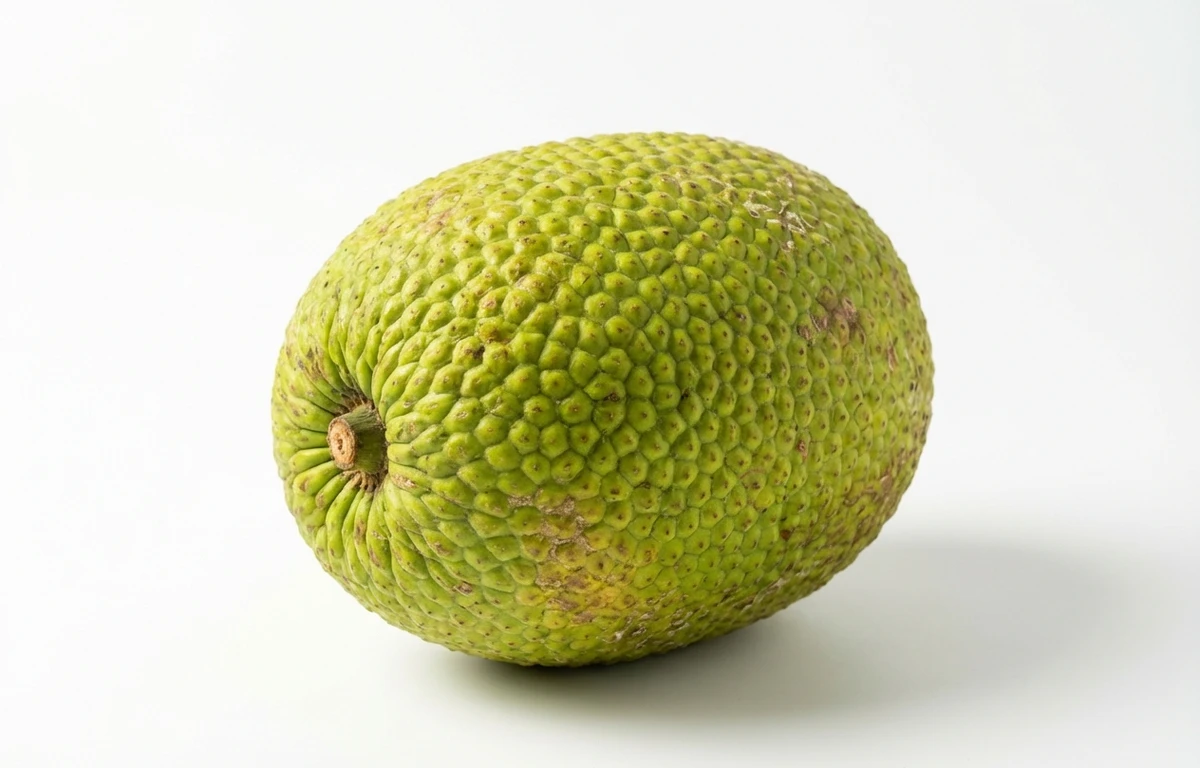
A ripe breadfruit will feel slightly soft to the touch, its skin will turn from bright green to a yellowish-green, and it may have small drops of latex on the surface.
Can you eat breadfruit raw?
While very ripe breadfruit can be eaten raw (it becomes sweet and creamy), it is most commonly consumed cooked when it is mature but still firm.
What is a good substitute for breadfruit?
Potatoes, yuca (cassava), green plantains, or unripe jackfruit are the best substitutes due to their similar starchy texture.
How do you remove the sticky sap?
Rub vegetable oil on your knife and hands before cutting. If sap gets on your skin, use oil to dissolve it before washing with soap.
Can breadfruit be frozen?
Yes, peel and cut it into chunks, blanch them in boiling water for a few minutes, cool, and then freeze in airtight bags.
How do you clean breadfruit?
Wash the exterior, peel the thick skin with a sharp knife or peeler, cut into quarters, and remove the spongy central core.
What are common dishes made with breadfruit?
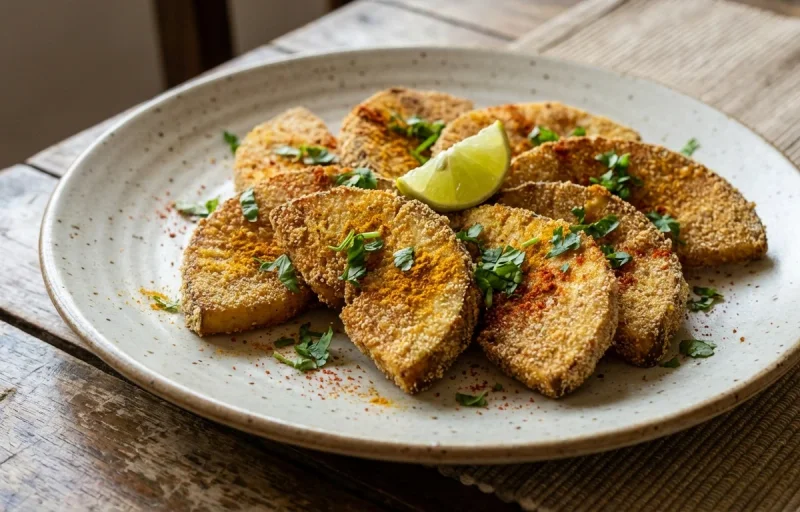
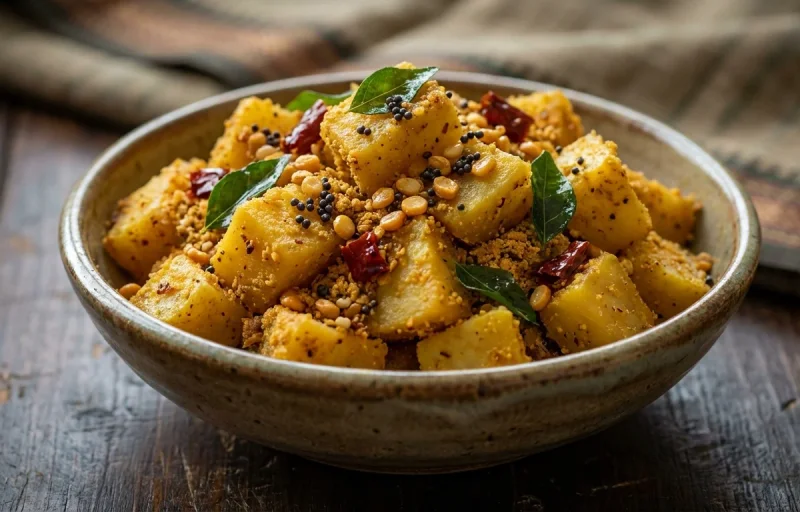
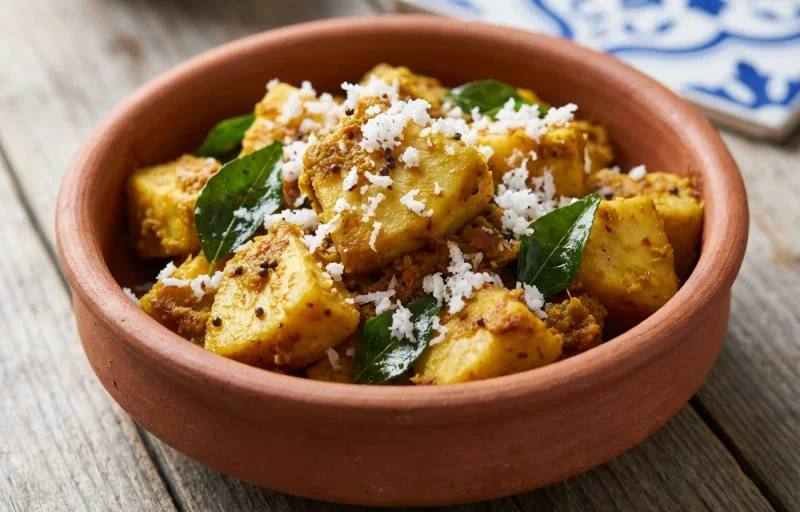
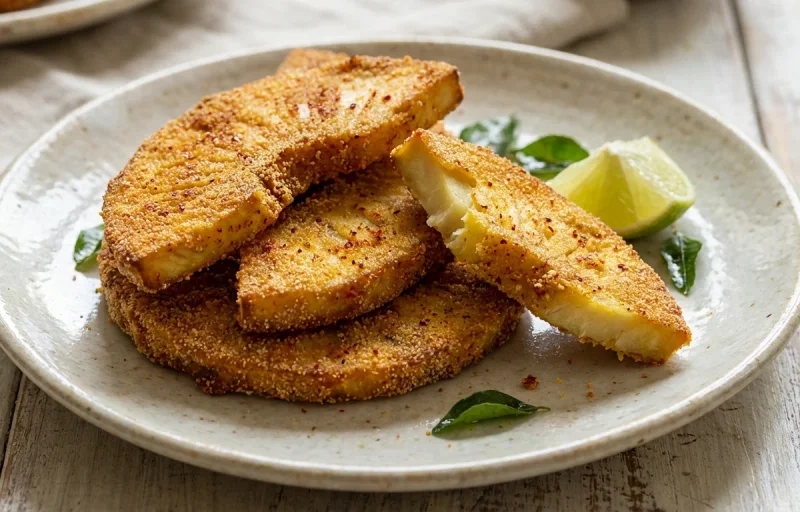
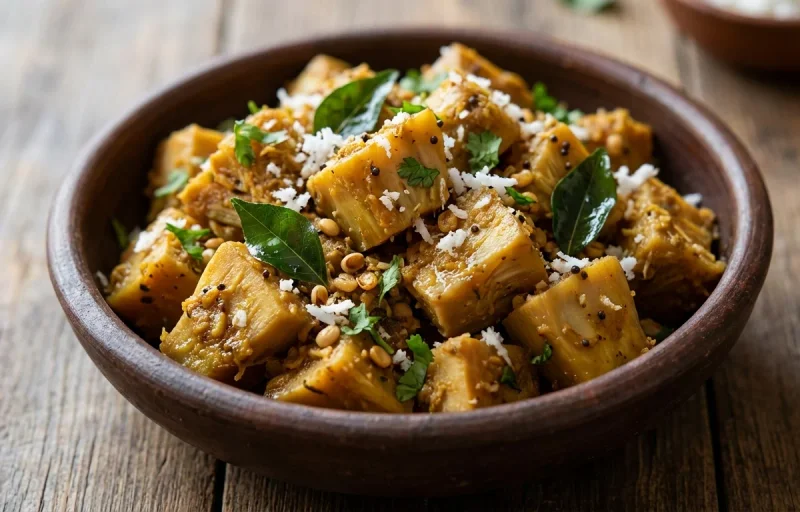
Common preparations include breadfruit chips, roasted breadfruit, curries, and 'oil down' (a Caribbean steamed dish).
RECIPES
Cook with breadfruit.
7 recipes · sorted by what’s quick