Dairy10 recipes
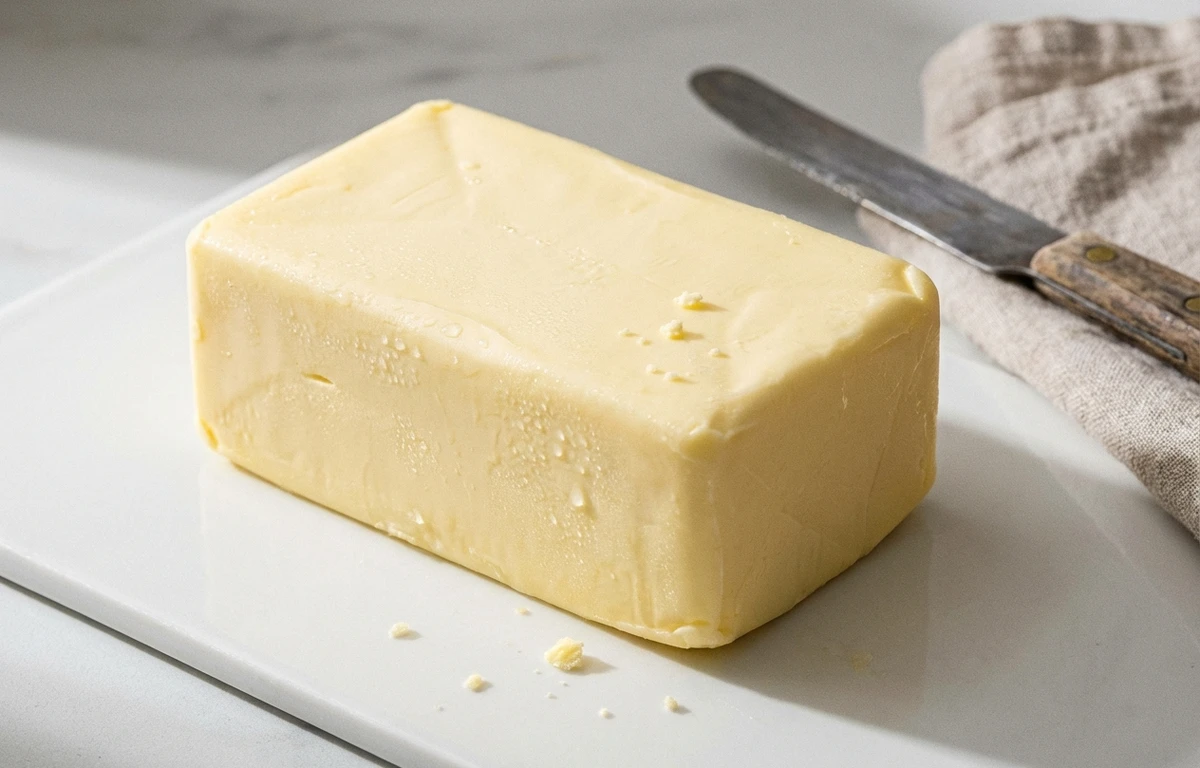
butter.
VegetarianVeganGluten-freeDairy-freeNut-freePeanut-freeSoy-freeEgg-freeShellfish-freeHoney-freeAlcohol-free
ALSO KNOWN AS
makkhanmaska
SERVING
CALORIES
717
PROTEIN
0.85g
CARBS
0.06g
FAT
81.1g
FIBER
0g
NUTRITION PROFILE · per 100 g
Everything in this ingredient.
MACRONUTRIENTS
Calories717kcal—
Protein0.85g2%
Carbohydrates0.06g0%
Fiber0g0%
Sugar0.06g0%
Total fat81.1g104%
Saturated fat51.4g257%
Trans fat3.3g—
Cholesterol215mg72%
Water15.9g—
MINERALS
Sodium643mg28%
Potassium24mg1%
Calcium24mg2%
Iron0.02mg0%
Magnesium2.0mg0%
Phosphorus24mg2%
Zinc0.09mg1%
Copper0.02mg2%
Manganese0mg0%
Selenium1.0µg2%
VITAMINS
Vitamin A684µg76%
Vitamin C0mg0%
Vitamin D1.5µg8%
Vitamin E2.3mg15%
Vitamin K7.0µg6%
Thiamin (B1)0.01mg1%
Riboflavin (B2)0.03mg2%
Niacin (B3)0.04mg0%
Pantothenic acid (B5)0.11mg2%
Vitamin B60mg0%
Folate (B9)3.0µg1%
Vitamin B120.17µg7%
%DV based on a 2,000 cal diet. Source: USDA FoodData Central. A dash in the %DV column means there’s no established Daily Value for that nutrient.
MEASUREMENT CONVERSIONS
How much is what.
1 cup227g
1 tablespoon14.2g
1 teaspoon4.7g
1 oz28.4g
1 lb453.6g
1 ml0.9g
1 liter911g
HEALTH BENEFITS
Why eat it.
- ✓Rich source of fat-soluble vitamins A, D, E, and K
- ✓Contains Conjugated Linoleic Acid (CLA) which may have anti-cancer properties
- ✓Provides butyrate, a short-chain fatty acid that supports colon health
- ✓High energy density for quick caloric needs
- ✓Contains lecithin which aids in cholesterol metabolism
COOKING TIPS
In the kitchen.
- 1Use unsalted butter for baking to have better control over the salt content of the recipe
- 2For 'creaming' with sugar, ensure butter is at room temperature (about 65°F/18°C)
- 3When sautéing, add a splash of oil to butter to raise its smoke point and prevent burning
STORAGE
Keep it fresh.
- Store in the refrigerator in its original wrapper or a sealed container to prevent odor absorption
- Can be frozen for up to 9 months if wrapped tightly in foil or plastic
- Keep away from strong-smelling foods like onions or garlic as butter absorbs odors easily
FAQ
Frequently asked questions.
How long does butter last in the refrigerator?
Butter typically lasts 1-3 months in the refrigerator if kept in its original packaging or a sealed container.
Can I freeze butter?
Yes, butter freezes very well. It can be stored in the freezer for 6-9 months without significant loss of quality.
What is the difference between salted and unsalted butter?
Salted butter contains added salt as a preservative and flavor enhancer, while unsalted butter is pure cream and preferred for precise baking.
How do I soften butter quickly?
Cut the butter into small cubes and leave at room temperature for 15-20 minutes, or place it under a warm glass bowl.
What are the best substitutes for butter in baking?
Common substitutes include margarine, coconut oil, applesauce (for lower fat), or Greek yogurt, depending on the recipe.
Is butter or margarine healthier?
Butter is a natural product but high in saturated fat; margarine is plant-based but may contain processed fats. Moderation is key for both.
What is 'brown butter'?
Brown butter (beurre noisette) is butter cooked until the milk solids toast, creating a nutty aroma and flavor.
Why does my butter turn yellow?
The yellow color comes from beta-carotene in the grass cows eat. It is natural and indicates the presence of Vitamin A.
RECIPES
Cook with butter.
10 recipes · sorted by what’s quick