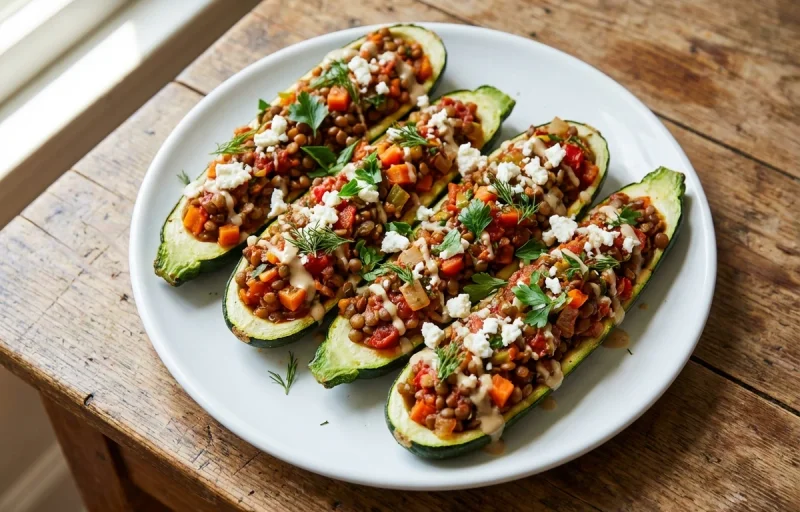
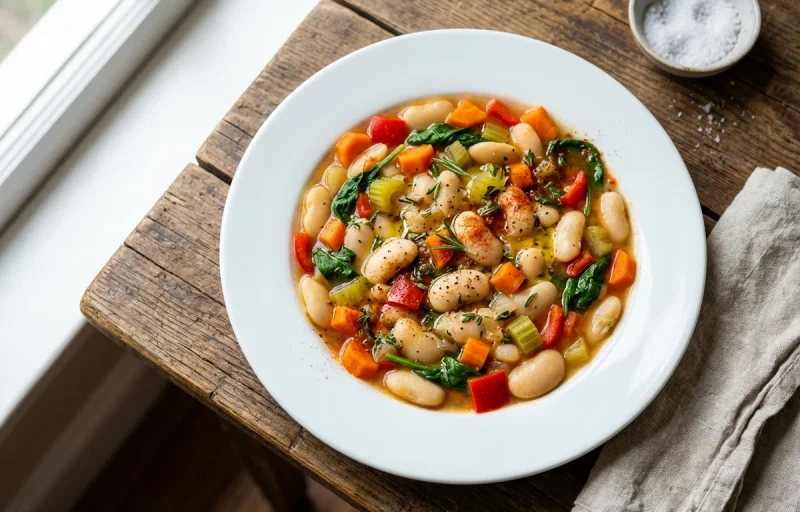
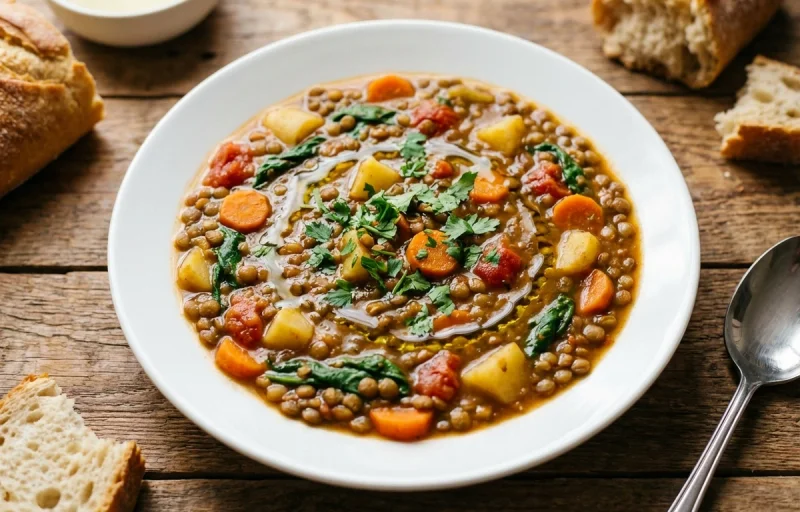
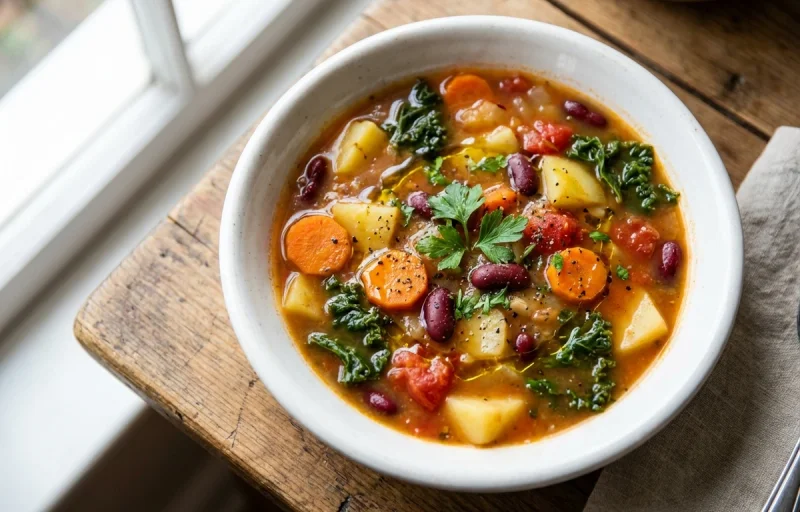
Other10 recipes
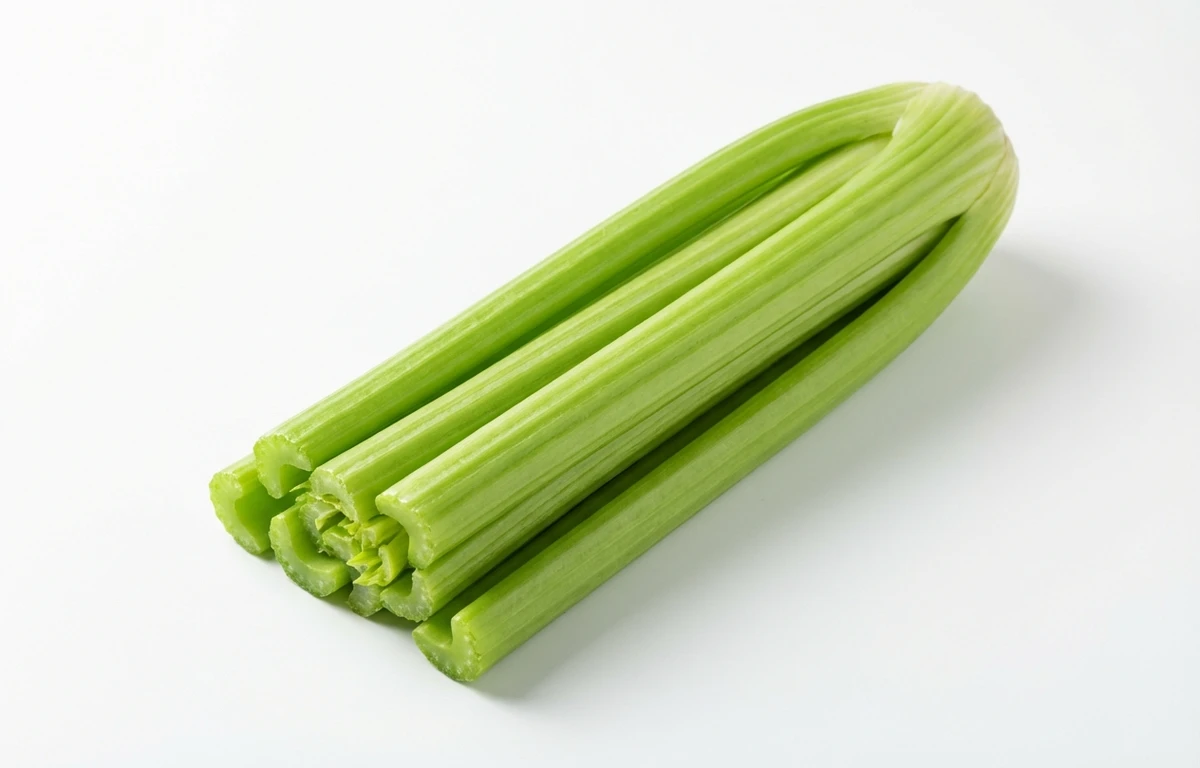
celery.
VegetarianVeganGluten-freeDairy-freeNut-freePeanut-freeSoy-freeEgg-freeShellfish-freeHoney-freeAlcohol-free
ALSO KNOWN AS
celery ribscelery stalkscelerycelery sticksraw celery
SERVING
CALORIES
16
PROTEIN
0.70g
CARBS
3.0g
FAT
0.20g
FIBER
1.6g
NUTRITION PROFILE · per 100 g
Everything in this ingredient.
MACRONUTRIENTS
Calories16kcal—
Protein0.70g1%
Carbohydrates3.0g1%
Fiber1.6g6%
Sugar1.8g4%
Total fat0.20g0%
Saturated fat0.04g0%
Trans fat0g—
Cholesterol0mg0%
Water95.4g—
MINERALS
Sodium80mg3%
Potassium260mg6%
Calcium40mg3%
Iron0.20mg1%
Magnesium11mg3%
Phosphorus24mg2%
Zinc0.13mg1%
Copper0.04mg4%
Manganese0.10mg4%
Selenium0.10µg0%
VITAMINS
Vitamin A22µg2%
Vitamin C3.1mg3%
Vitamin D0µg0%
Vitamin E0.27mg2%
Vitamin K29.3µg24%
Thiamin (B1)0.02mg2%
Riboflavin (B2)0.03mg2%
Niacin (B3)0.32mg2%
Pantothenic acid (B5)0.25mg5%
Vitamin B60.07mg4%
Folate (B9)36µg9%
Vitamin B120µg0%
%DV based on a 2,000 cal diet. Source: USDA FoodData Central. A dash in the %DV column means there’s no established Daily Value for that nutrient.
MEASUREMENT CONVERSIONS
How much is what.
1 cup101g
1 tablespoon6.3g
1 teaspoon2.1g
1 ml0.4g
1 liter420.8g
1 piece50g
HEALTH BENEFITS
Why eat it.
- ✓Rich in antioxidants and anti-inflammatory compounds like flavonoids and vitamin C, which help protect against cellular damage.
- ✓High water and fiber content promotes hydration and supports digestive health by preventing constipation.
- ✓Contains compounds called phthalides, which may help relax artery walls to increase blood flow and lower blood pressure.
- ✓A good source of Vitamin K, which is essential for blood clotting and bone health.
COOKING TIPS
In the kitchen.
- 1Use celery as a key aromatic base (part of a mirepoix with carrots and onions) to build flavor in soups, stews, and sauces.
- 2Slice thinly on a diagonal to add a crisp texture and fresh flavor to salads, stir-fries, and slaws.
- 3Don't discard the leaves; they are packed with flavor and can be used as an herb, similar to parsley, in stocks, soups, or as a garnish.
- 4For a crunchy, healthy snack, fill the stalks with peanut butter, cream cheese, or hummus.
STORAGE
Keep it fresh.
- For maximum freshness, wrap the entire celery bunch tightly in aluminum foil and store it in the refrigerator's crisper drawer. This method can keep it crisp for up to four weeks.
- Alternatively, trim the base and place the stalks upright in a jar with a small amount of water, covering loosely. This keeps it hydrated for 1-2 weeks.
FAQ
Frequently asked questions.
Is celery healthy?
Yes, celery is very healthy as it is low in calories but rich in essential nutrients. It provides antioxidants, anti-inflammatory compounds, and Vitamin K, which supports bone health and proper blood clotting.
Is celery good for weight loss?
Celery is an excellent food for weight loss because it contains only 16 calories per 100g and has a high water content. Its fiber helps you feel full longer, making it a perfect low-calorie snack for managing appetite.
Is celery keto-friendly?
Yes, celery is very keto-friendly. With only 3g of total carbohydrates per 100g, it is one of the lowest-carb vegetables available and can be used as a crunchy vessel for high-fat dips like nut butters or cream cheese.
Can you eat celery leaves?
Yes, celery leaves are completely edible and highly nutritious. They have a concentrated celery flavor similar to parsley and can be used in salads, soups, pestos, or as a fresh garnish.
How do you keep celery crisp for longer?
To maintain crispness, wrap the whole celery stalks tightly in aluminum foil and store them in the refrigerator. This allows the ripening gas (ethylene) to escape while keeping moisture in, extending its shelf life for up to two weeks.
What are the health benefits of celery for blood pressure?
Celery contains phytochemicals called phthalides, which help relax the tissues of artery walls. This process can increase blood flow and may help in naturally lowering blood pressure.
Does celery have 'negative calories'?
The idea that celery has 'negative calories' is a common myth. While it is extremely low in calories and requires energy to chew and digest, it still provides a small net amount of energy to the body rather than subtracting it.
How do you know if celery has gone bad?
Fresh celery should be bright green, firm, and snap easily when bent. If the stalks feel limp, rubbery, or look translucent or brownish, the celery has lost its freshness and is beginning to spoil.
Can you freeze celery?
You can freeze celery, but it will lose its signature crunch and become soft upon thawing. It is best to blanch it for 3 minutes before freezing and use it later for cooked dishes like soups, stews, or stocks.
Is celery high in sodium?
Celery is naturally higher in sodium than most vegetables, containing about 80mg per 100g. However, this is still a relatively low amount compared to the daily recommended limit and is usually not a concern for most people.
RECIPES
Cook with celery.
10 recipes · sorted by what’s quick