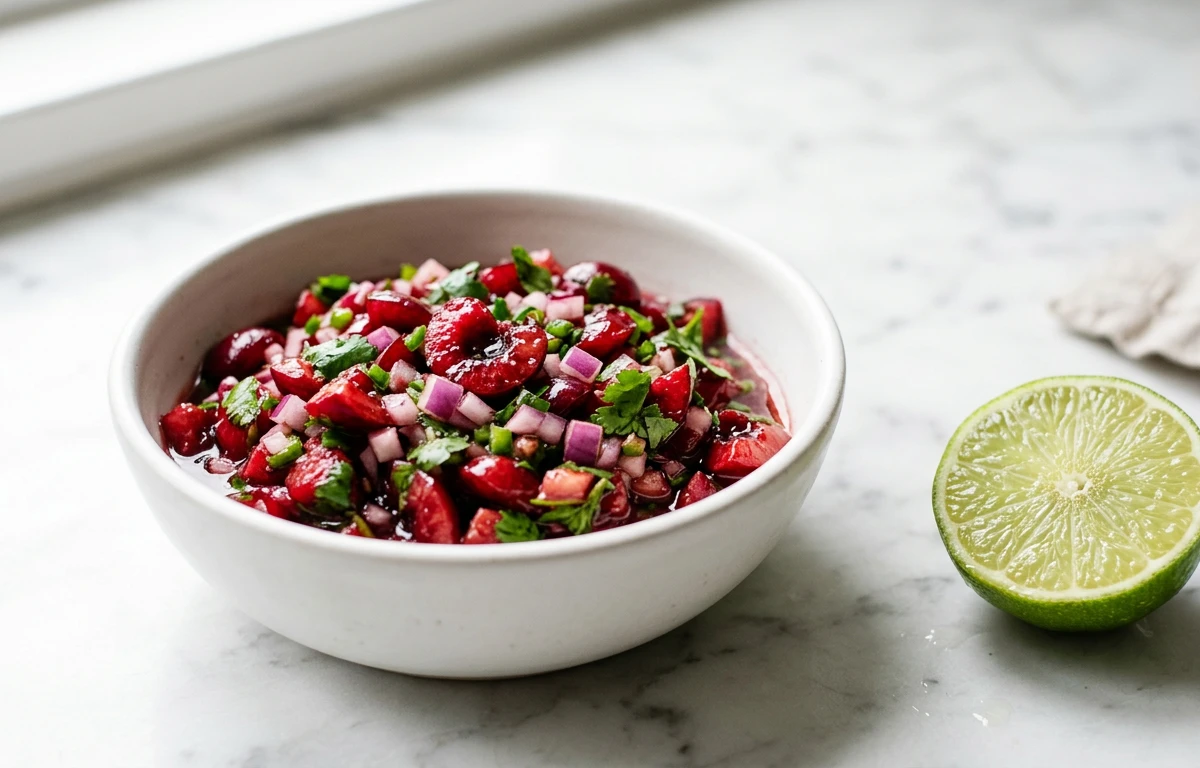
Other6 recipes
cherries.
VegetarianVeganGluten-freeDairy-freeNut-freePeanut-freeSoy-freeEgg-freeShellfish-freeHoney-freeAlcohol-free
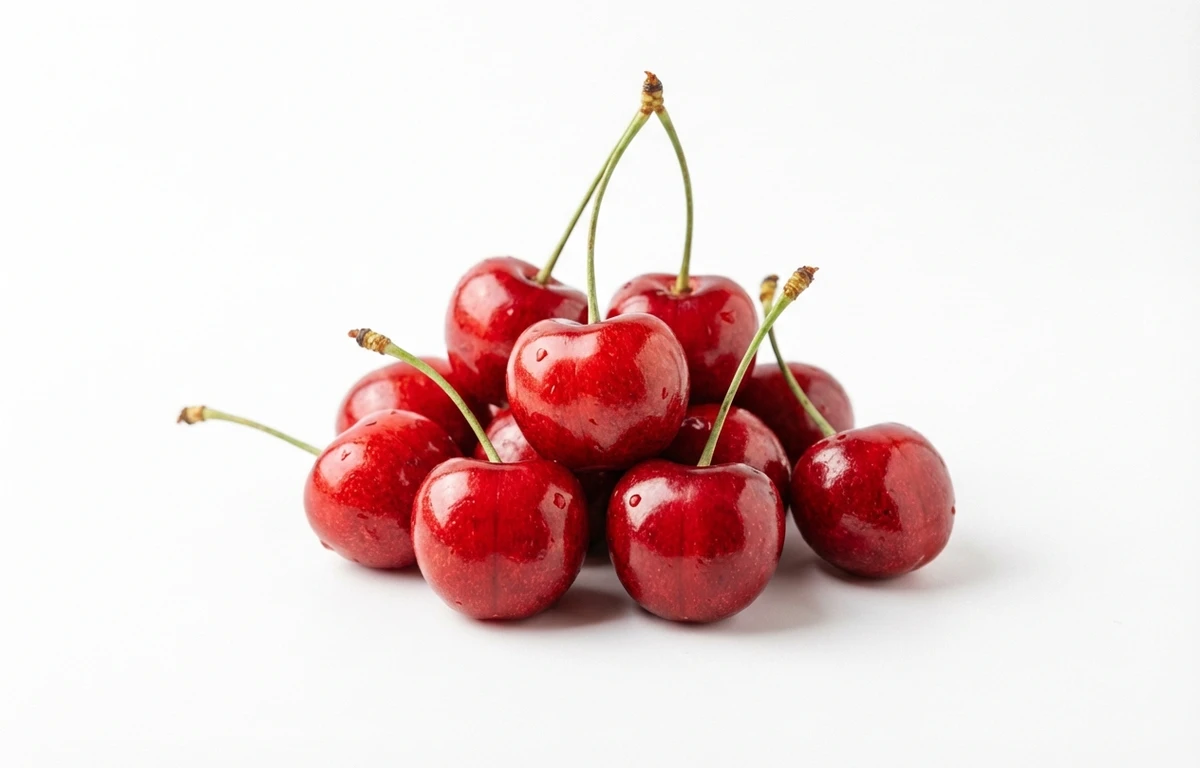
SERVING
CALORIES
63
PROTEIN
1.1g
CARBS
16g
FAT
0.20g
FIBER
2.1g
NUTRITION PROFILE · per 100 g
Everything in this ingredient.
MACRONUTRIENTS
Calories63kcal—
Protein1.1g2%
Carbohydrates16g6%
Fiber2.1g8%
Sugar12.8g26%
Total fat0.20g0%
Saturated fat0.04g0%
Trans fat0g—
Cholesterol0mg0%
Water82.3g—
MINERALS
Sodium0mg0%
Potassium222mg5%
Calcium13mg1%
Iron0.36mg2%
Magnesium11mg3%
Phosphorus21mg2%
Zinc0.07mg1%
Copper0.06mg7%
Manganese0.07mg3%
Selenium0µg0%
VITAMINS
Vitamin A3.0µg0%
Vitamin C7.0mg8%
Vitamin D0µg0%
Vitamin E0.07mg0%
Vitamin K2.1µg2%
Thiamin (B1)0.03mg3%
Riboflavin (B2)0.03mg2%
Niacin (B3)0.15mg1%
Pantothenic acid (B5)0.20mg4%
Vitamin B60.05mg3%
Folate (B9)4.0µg1%
Vitamin B120µg0%
%DV based on a 2,000 cal diet. Source: USDA FoodData Central. A dash in the %DV column means there’s no established Daily Value for that nutrient.
MEASUREMENT CONVERSIONS
How much is what.
1 cup154g
1 tablespoon15g
1 teaspoon5g
1 oz28.4g
1 lb453.6g
1 ml1g
1 liter1000g
1 piece8g
HEALTH BENEFITS
Why eat it.
- ✓Rich in antioxidants like anthocyanins which reduce inflammation
- ✓Natural source of melatonin which can improve sleep quality
- ✓High potassium content supports heart health and blood pressure
- ✓May aid in exercise recovery by reducing muscle soreness
- ✓Low glycemic index compared to many other fruits
COOKING TIPS
In the kitchen.
- 1Use a dedicated cherry pitter or a pastry tip to remove pits easily
- 2Roast cherries with a bit of balsamic vinegar to intensify their flavor
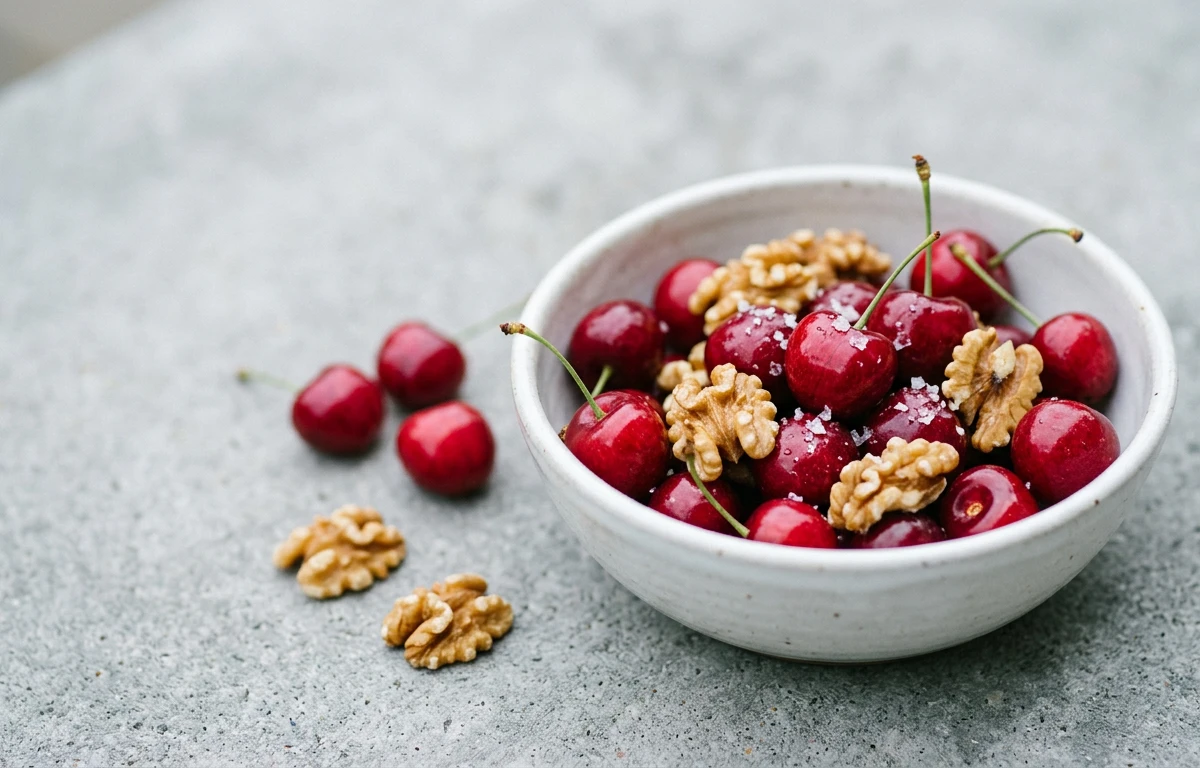
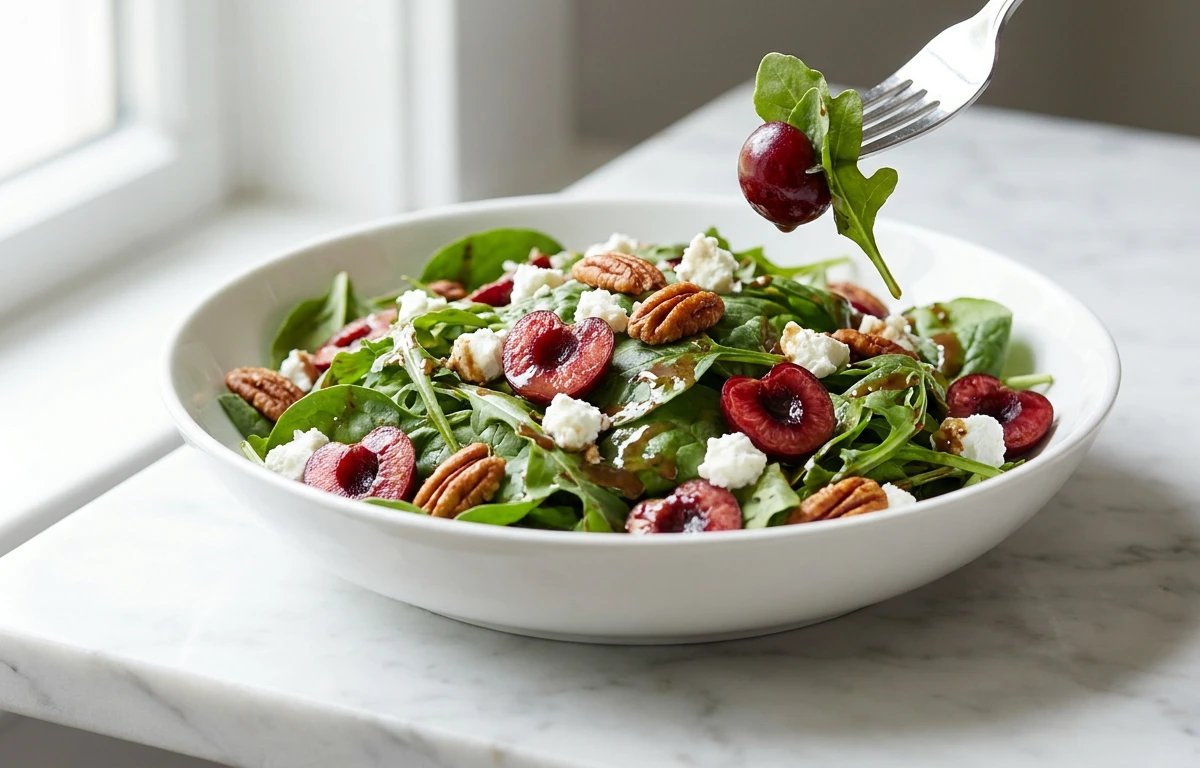
- 3Add fresh cherries to savory salads with goat cheese and walnuts
STORAGE
Keep it fresh.
- Store unwashed in the refrigerator in a plastic bag or container
- Keep the stems attached to maintain freshness for longer
- Avoid storing near strong-smelling foods as they can absorb odors
FAQ
Frequently asked questions.
How long do fresh cherries last in the fridge?
Fresh cherries typically last 5 to 7 days in the refrigerator when kept dry and cold.
Can you freeze cherries?
Yes, cherries freeze very well. It is best to pit them first, lay them on a baking sheet to freeze individually, then transfer to a freezer bag.
How can I tell if cherries are ripe and high quality?
Look for cherries that are firm, shiny, and have bright green stems. Avoid those that are dull, soft, or have brown, brittle stems.
What is a good substitute for fresh cherries?
Depending on the recipe, you can use frozen cherries, berries (like raspberries or blueberries), or sliced plums.
Do cherries help with gout?
Many studies suggest that cherry consumption can lower uric acid levels and may reduce the risk of gout attacks.
Should I wash cherries before storing them?
No, you should only wash cherries immediately before eating them, as moisture causes them to spoil faster in storage.
Are cherry pits toxic?
Cherry pits contain amygdalin, which the body converts to cyanide. While swallowing a whole pit is usually harmless, you should never crush or chew them.
What is the difference between sweet and tart cherries?
Sweet cherries (like Bing or Rainier) are usually eaten fresh, while tart or sour cherries (like Montmorency) are preferred for baking and preserves.
RECIPES
Cook with cherries.
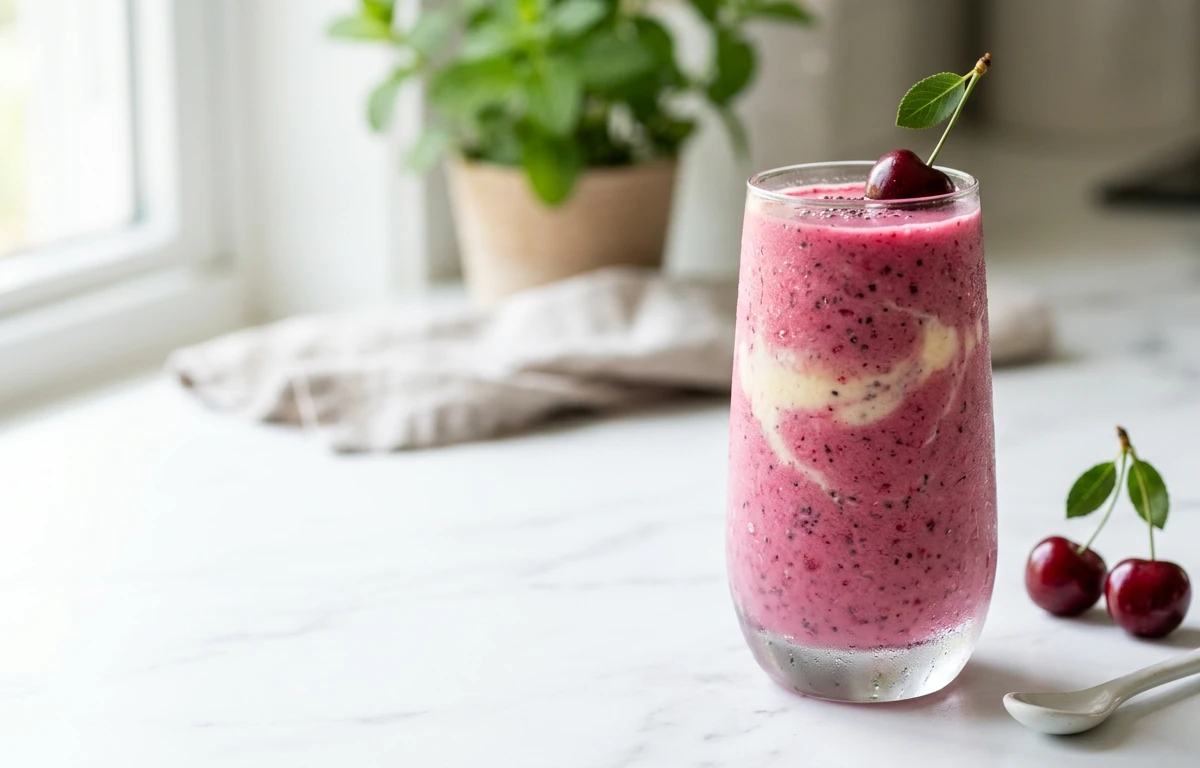
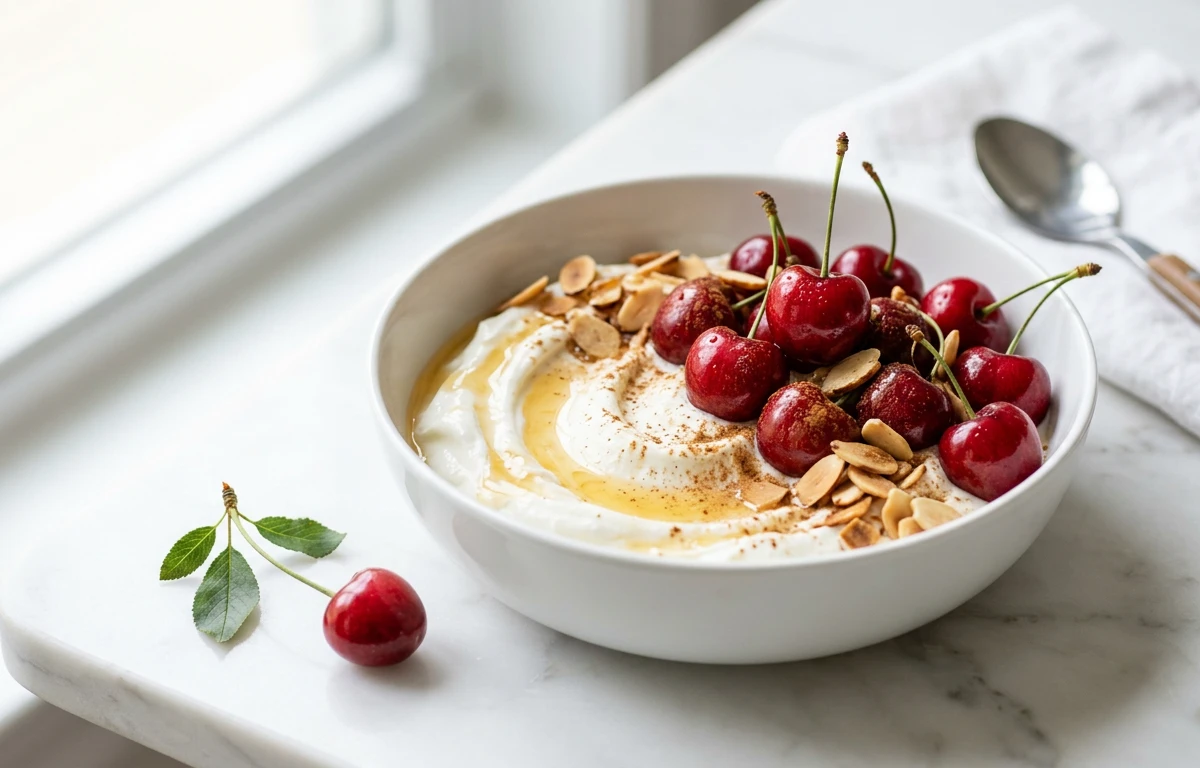
6 recipes · sorted by what’s quick