Protein1 recipes
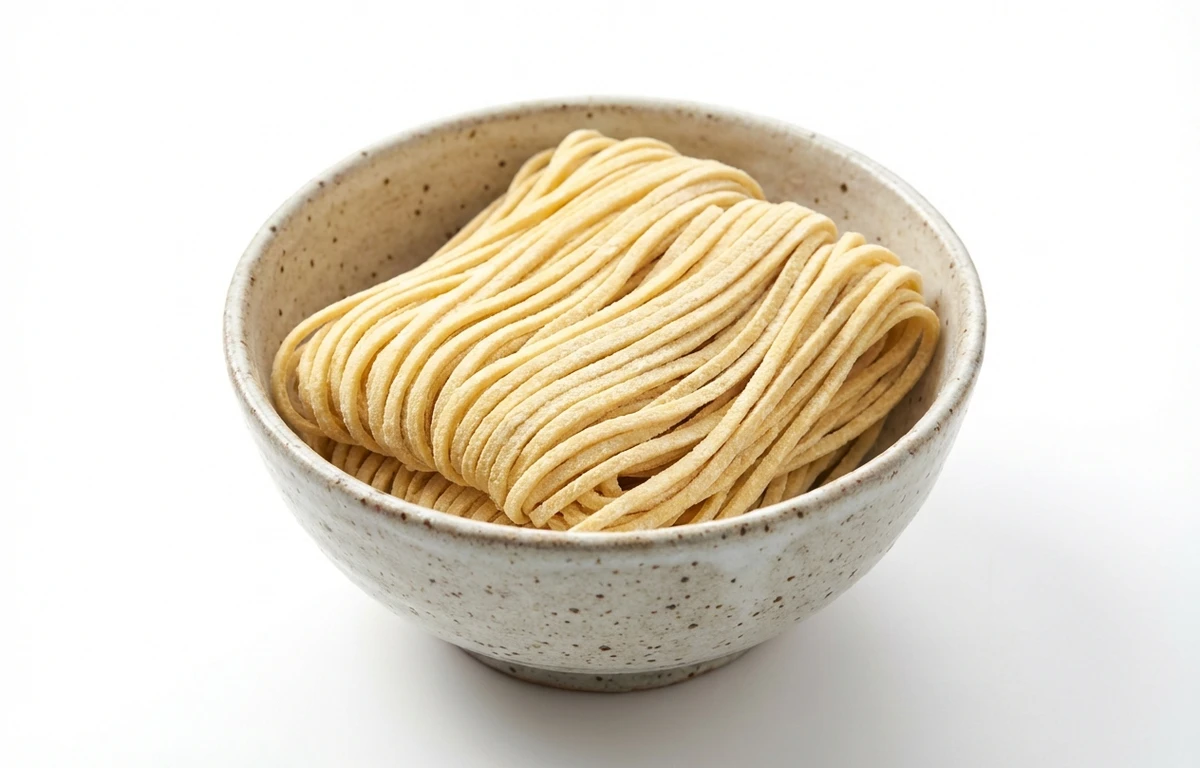
chickpea flour noodles.
VegetarianVeganGluten-freeDairy-freeNut-freePeanut-freeSoy-freeEgg-freeShellfish-freeHoney-freeAlcohol-free
ALSO KNOWN AS
garbanzo bean noodlesbesan noodleschickpea pasta
SERVING
CALORIES
365
PROTEIN
22g
CARBS
58g
FAT
6.0g
FIBER
13g
NUTRITION PROFILE · per 100 g
Everything in this ingredient.
MACRONUTRIENTS
Calories365kcal—
Protein22g44%
Carbohydrates58g21%
Fiber13g46%
Sugar3.5g7%
Total fat6.0g8%
Saturated fat0.70g3%
Trans fat0g—
Cholesterol0mg0%
Water8.0g—
MINERALS
Sodium15mg1%
Potassium850mg18%
Calcium50mg4%
Iron5.5mg31%
Magnesium160mg38%
Phosphorus350mg28%
Zinc3.0mg27%
Copper0.80mg89%
Manganese1.5mg65%
Selenium8.0µg15%
VITAMINS
Vitamin A2.0µg0%
Vitamin C0mg0%
Vitamin D0µg0%
Vitamin E0.80mg5%
Vitamin K9.0µg8%
Thiamin (B1)0.50mg42%
Riboflavin (B2)0.20mg15%
Niacin (B3)1.5mg9%
Pantothenic acid (B5)0.60mg12%
Vitamin B60.50mg29%
Folate (B9)430µg108%
Vitamin B120µg0%
%DV based on a 2,000 cal diet. Source: USDA FoodData Central. A dash in the %DV column means there’s no established Daily Value for that nutrient.
MEASUREMENT CONVERSIONS
How much is what.
1 cup92g
1 oz28.4g
1 lb453.6g
HEALTH BENEFITS
Why eat it.
- ✓High in plant-based protein for muscle maintenance
- ✓Excellent source of dietary fiber for digestive health
- ✓Naturally gluten-free alternative to traditional wheat pasta
- ✓Low glycemic index helps in managing blood sugar levels
- ✓Rich in folate and essential minerals like iron and magnesium
COOKING TIPS
In the kitchen.
- 1Boil in plenty of salted water for 5-8 minutes until al dente
- 2Rinse with cold water immediately after draining to stop the cooking process and prevent sticking
- 3Avoid overcooking as legume-based noodles can become mushy very quickly compared to wheat
STORAGE
Keep it fresh.
- Store dry noodles in a cool, dry place in an airtight container
- Keep away from direct sunlight and moisture to prevent spoilage
- Once cooked, store in the refrigerator for up to 3 days in a sealed container
FAQ
Frequently asked questions.
How long do dry chickpea flour noodles last?
When stored in an airtight container in a cool, dry place, they can last for 1 to 2 years.
Are chickpea flour noodles gluten-free?
Yes, they are naturally gluten-free as they are made from legumes rather than wheat, barley, or rye.
How do I prevent chickpea noodles from becoming mushy?
Check them frequently while boiling and drain them as soon as they reach 'al dente' texture, then rinse with cold water.
Can I freeze cooked chickpea noodles?
Yes, you can freeze cooked chickpea noodles for up to 2 months, though the texture may become slightly softer upon thawing.
What is the best way to reheat them?
Reheat briefly in boiling water for 30-60 seconds or sauté them quickly in a pan with a little oil or sauce.
Do they taste like regular pasta?
They have a slightly nuttier flavor and a firmer, more substantial texture than traditional white flour pasta.
Are chickpea noodles better for weight loss?
They are higher in protein and fiber, which can increase satiety and help with weight management compared to refined wheat pasta.
What sauces pair best with chickpea noodles?
They pair well with robust sauces like pesto, marinara, or olive oil and garlic, as well as creamy tahini-based dressings.
RECIPES
Cook with chickpea flour noodles.
1 recipes · sorted by what’s quick