Other10 recipes
collard greens.
VegetarianVeganGluten-freeDairy-freeNut-freePeanut-freeSoy-freeEgg-freeShellfish-freeHoney-freeAlcohol-freeHalalKosher
ALSO KNOWN AS
haakcollardsraw collard greensgreens
SERVING
CALORIES
32
PROTEIN
3.0g
CARBS
5.4g
FAT
0.61g
FIBER
4.0g
NUTRITION PROFILE · per 100 g
Everything in this ingredient.
MACRONUTRIENTS
Calories32kcal—
Protein3.0g6%
Carbohydrates5.4g2%
Fiber4.0g14%
Sugar0.46g1%
Total fat0.61g1%
Saturated fat0.06g0%
Trans fat0g—
Cholesterol0mg0%
Water89.6g—
MINERALS
Sodium17mg1%
Potassium213mg5%
Calcium232mg18%
Iron0.47mg3%
Magnesium27mg6%
Phosphorus25mg2%
Zinc0.21mg2%
Copper0.05mg6%
Manganese0.66mg29%
Selenium1.3µg2%
VITAMINS
Vitamin A251µg28%
Vitamin C35.3mg39%
Vitamin D0µg0%
Vitamin E2.3mg15%
Vitamin K437µg364%
Thiamin (B1)0.05mg4%
Riboflavin (B2)0.13mg10%
Niacin (B3)0.74mg5%
Pantothenic acid (B5)0.27mg5%
Vitamin B60.17mg10%
Folate (B9)129µg32%
Vitamin B120µg0%
%DV based on a 2,000 cal diet. Source: USDA FoodData Central. A dash in the %DV column means there’s no established Daily Value for that nutrient.
MEASUREMENT CONVERSIONS
How much is what.
1 cup35g
1 oz28.4g
1 lb453.6g
1 piece15g
HEALTH BENEFITS
Why eat it.
- ✓Extremely rich in Vitamin K, which is crucial for blood clotting and bone health.
- ✓Excellent source of Vitamin A (from beta-carotene) and Vitamin C, powerful antioxidants that support immune function and vision.
- ✓High in dietary fiber, which promotes digestive health, aids in blood sugar regulation, and can help lower cholesterol.
- ✓Contains glucosinolates, compounds studied for their potential anti-cancer properties.
COOKING TIPS
In the kitchen.
- 1Remove the tough, fibrous central stem before cooking by folding the leaf in half and slicing the stem away.
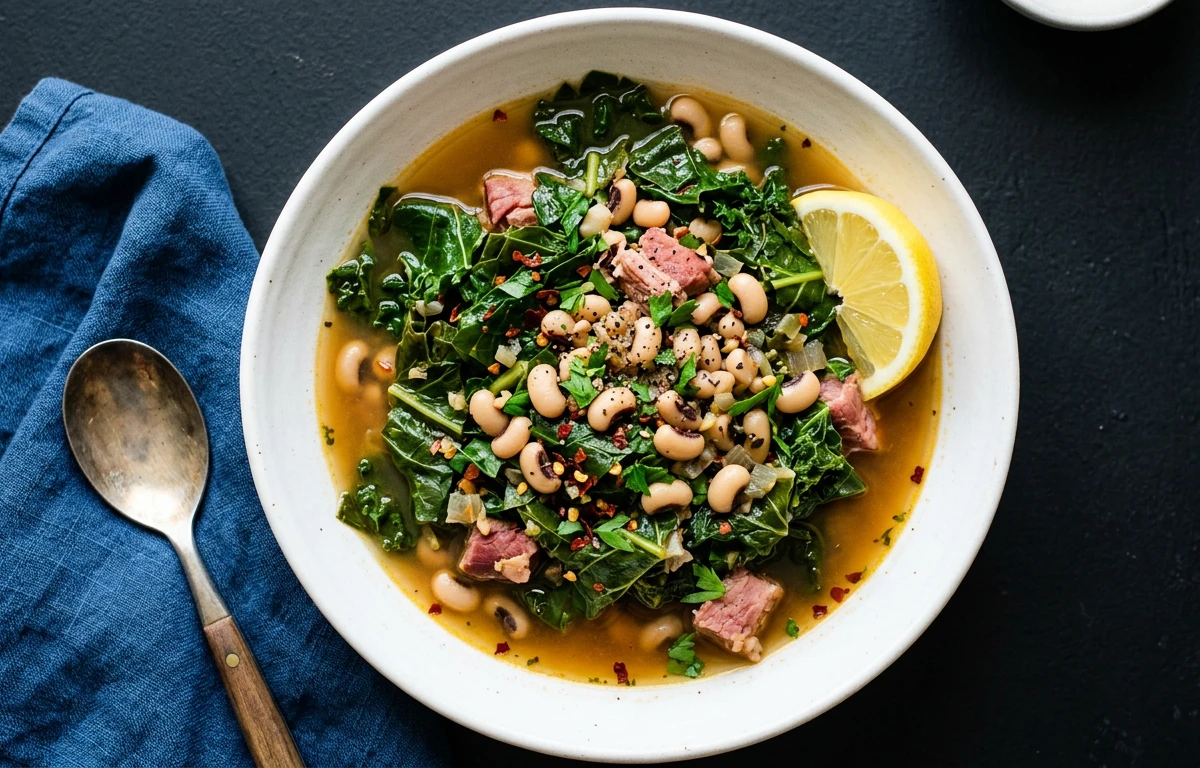
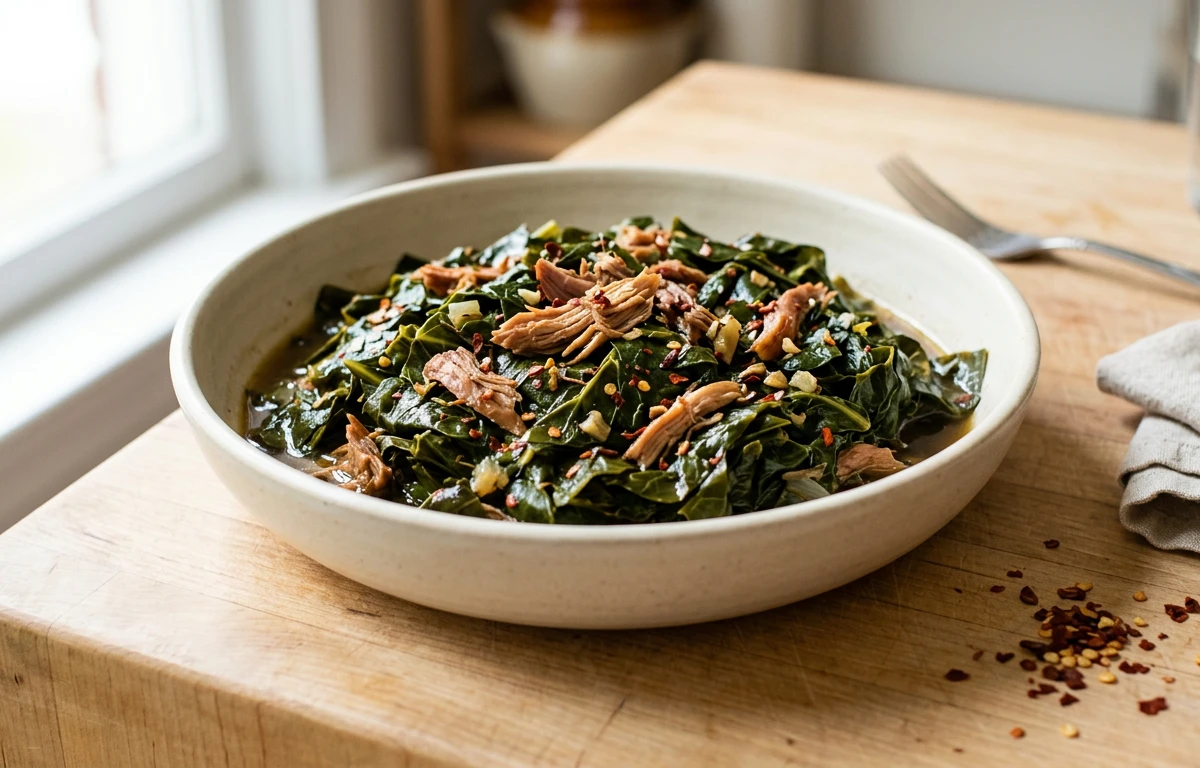
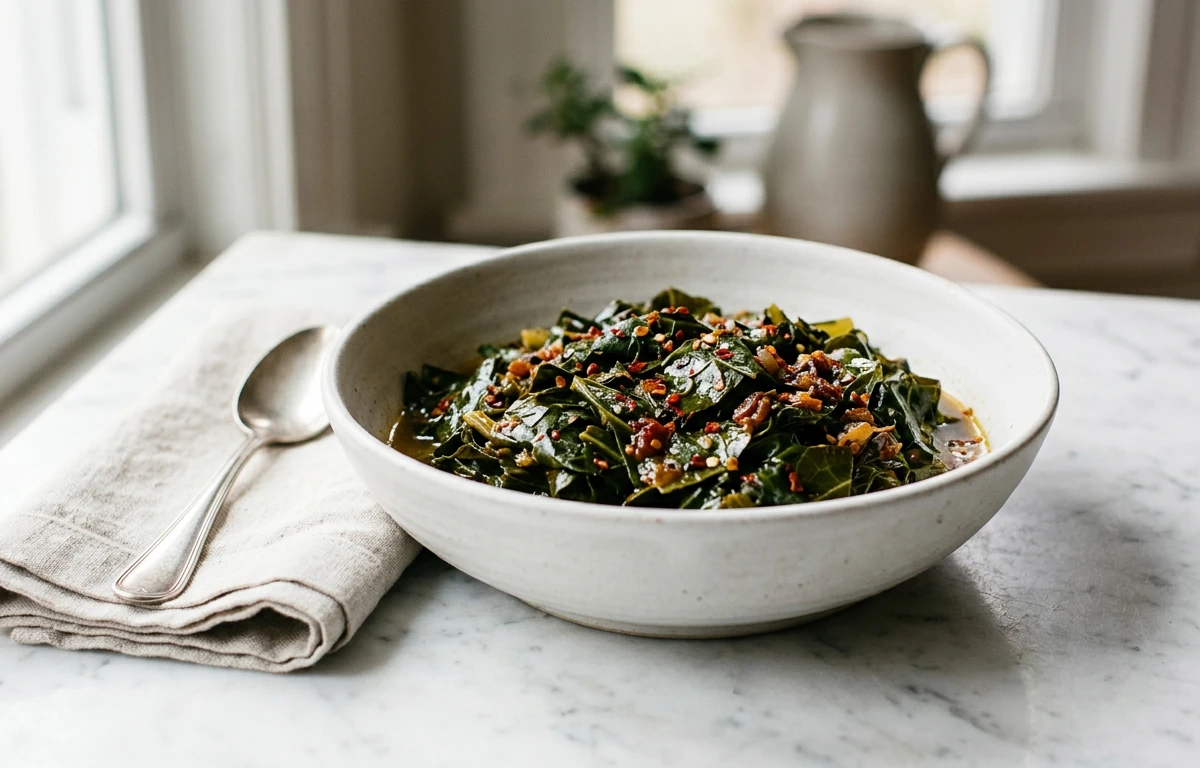
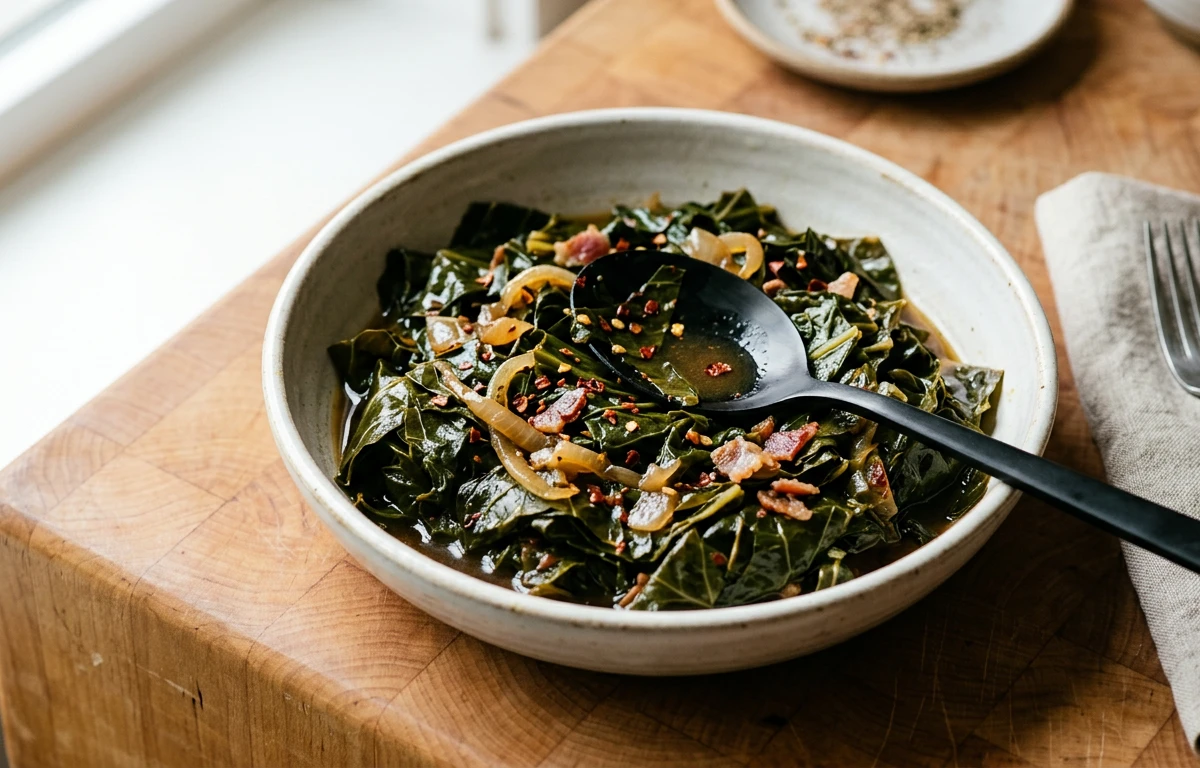
- 2For a classic Southern-style preparation, slow-simmer the greens with smoked meat (like turkey wings or ham hocks), onion, and a splash of vinegar to tenderize them and balance their slight bitterness.
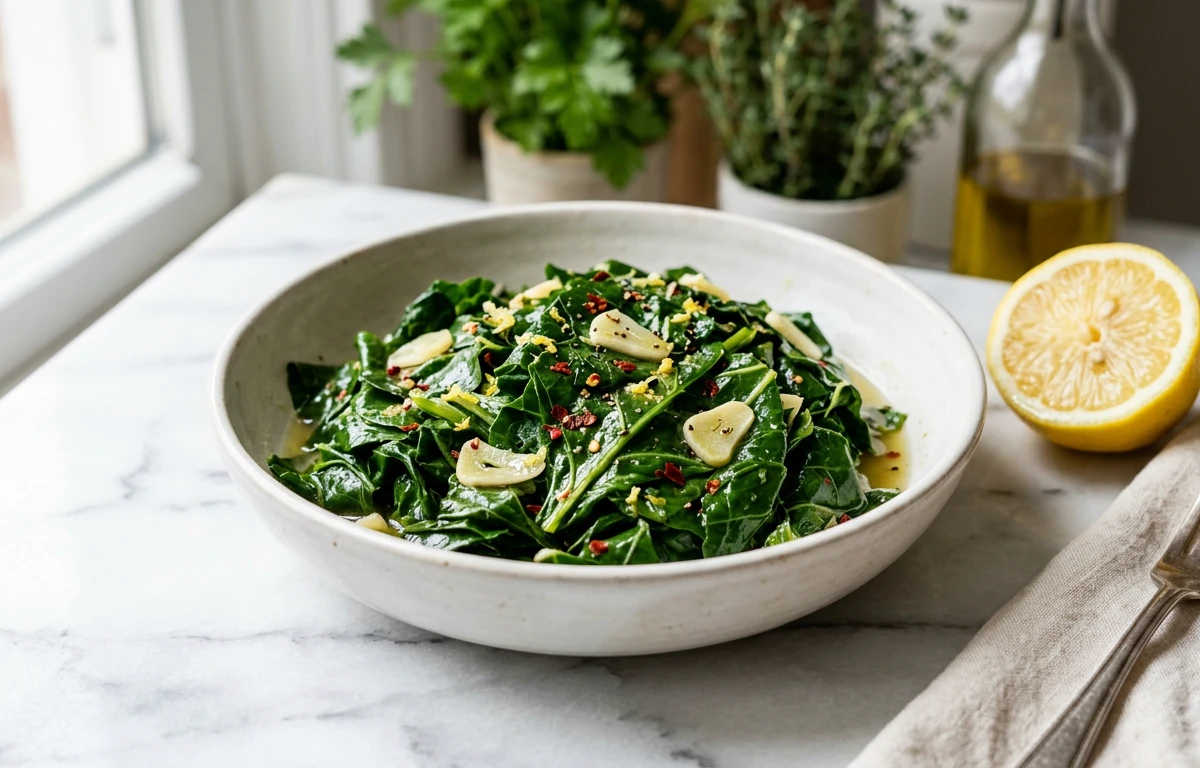
- 3For a quicker method, slice the leaves into thin ribbons (chiffonade) and sauté with garlic, olive oil, and a pinch of red pepper flakes until just wilted.
- 4Use large, sturdy collard leaves as a gluten-free wrap for sandwiches or burritos after blanching them briefly to make them pliable.
STORAGE
Keep it fresh.
- Store unwashed collard greens in a perforated plastic bag in the refrigerator's crisper drawer for up to one week.
- For long-term storage, blanch the leaves for 3 minutes, cool in an ice bath, drain thoroughly, and freeze in an airtight container for up to 12 months.
FAQ
Frequently asked questions.
Are collard greens healthy?
Yes, collard greens are exceptionally healthy. They are a powerhouse of Vitamin K for bone health, Vitamin A for vision, and Vitamin C for immune support. Additionally, they contain glucosinolates, which are plant compounds studied for their potential anti-cancer properties.
How many calories and carbs are in collard greens?
Collard greens are very low in calories, containing only 32 calories per 100g. They have approximately 5.42g of carbohydrates and 3.02g of protein, making them a nutrient-dense addition to almost any diet.
Are collard greens good for weight loss?
Yes, they are excellent for weight loss because they are low in calories and high in dietary fiber. The fiber content helps promote a feeling of fullness, which can prevent overeating and aid in blood sugar regulation.
Are collard greens keto-friendly?
Collard greens are very keto-friendly. With only about 5.4g of total carbs per 100g and a high fiber content, the net carb count is low enough to fit easily into a ketogenic or low-carb lifestyle.
Are collard greens vegan and gluten-free?
Naturally, collard greens are both vegan and gluten-free. However, be cautious with traditional Southern-style recipes, as they are often prepared with animal products like ham hocks or bacon for flavor.
How do you cook collard greens?
The most common method is slow-braising them in broth with aromatics like onions and garlic until tender. They can also be sautéed quickly with olive oil, steamed, or even used as a sturdy, low-carb substitute for tortilla wraps.
Can you eat collard greens raw?
Yes, you can eat them raw, though the leaves are much tougher than spinach or lettuce. To make them easier to eat raw, slice them into very thin ribbons (chiffonade) for salads or massage them with a little oil and lemon juice to soften the fibers.
What do collard greens taste like?
Collard greens have a mild, earthy, and slightly bitter flavor, similar to kale but with a more substantial, leathery texture. Their bitterness mellows significantly when cooked, especially when paired with acidic ingredients like vinegar or lemon juice.
How do you store fresh collard greens?
Store unwashed collard greens in a sealed plastic bag in the refrigerator's crisper drawer. Wrapping them in a damp paper towel before bagging can help maintain moisture and keep them fresh for 5 to 7 days.
Do I need to remove the stems from collard greens?
Yes, it is best to remove the thick, woody stems before cooking as they are very tough and take much longer to soften than the leaves. You can easily strip the leaves away from the stem by hand or with a sharp knife.
RECIPES
Cook with collard greens.
10 recipes · sorted by what’s quick