Other10 recipes
corn on the cob.
VegetarianVeganGluten-freeDairy-freeNut-freePeanut-freeSoy-freeEgg-freeShellfish-freeHoney-freeAlcohol-freeWhole grain
ALSO KNOWN AS
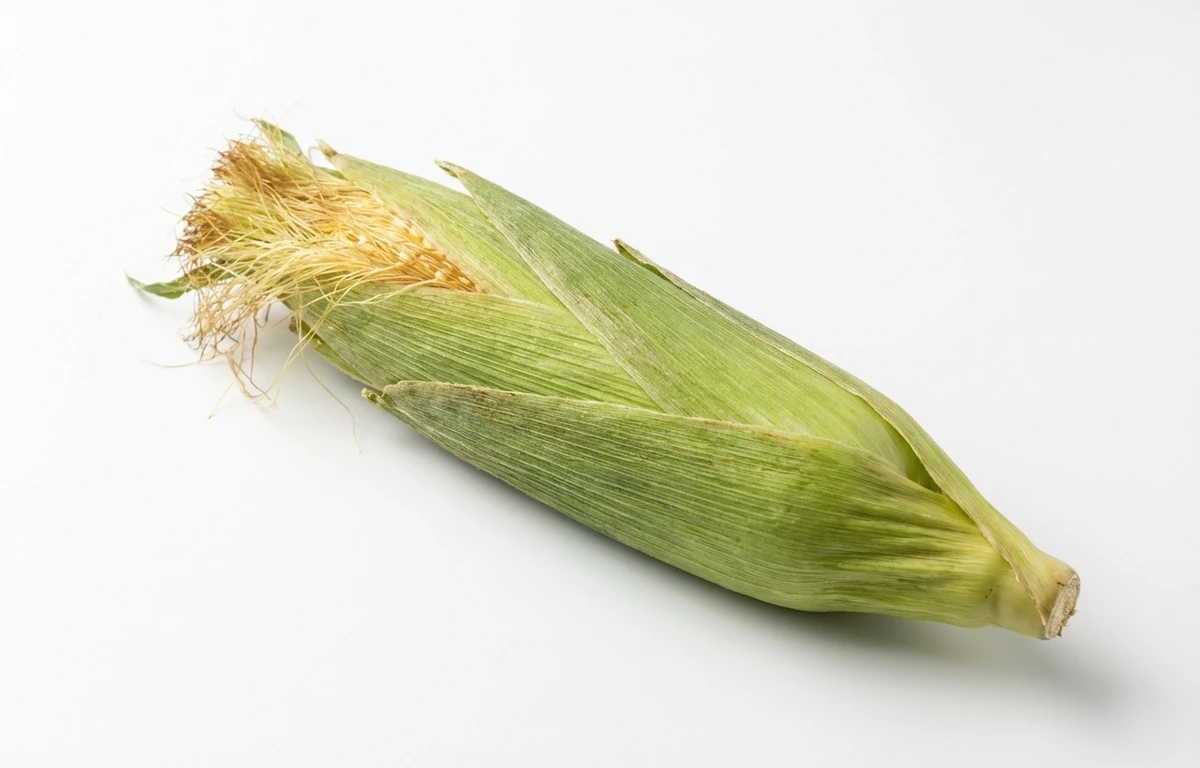
corn on the cobmaize cobsbhuttamakkasweetcornsugar cornmakkaiSweet Corn Cobs
SERVING
CALORIES
98
PROTEIN
3.3g
CARBS
23.5g
FAT
0.78g
FIBER
2.8g
This ingredient is flagged as naturally gluten-free.
NUTRITION PROFILE · per 100 g
Everything in this ingredient.
MACRONUTRIENTS
Calories98kcal—
Protein3.3g7%
Carbohydrates23.5g9%
Fiber2.8g10%
Sugar4.5g9%
Total fat0.78g1%
Saturated fat0.12g1%
Trans fat0g—
Cholesterol0mg0%
Water71.8g—
MINERALS
Sodium5.0mg0%
Potassium294mg6%
Calcium4.0mg0%
Iron0.68mg4%
Magnesium32mg8%
Phosphorus87mg7%
Zinc0.70mg6%
Copper0.05mg6%
Manganese0.16mg7%
Selenium0.80µg1%
VITAMINS
Vitamin A0µg0%
Vitamin C7.2mg8%
Vitamin D0µg0%
Thiamin (B1)0.10mg8%
Riboflavin (B2)0.09mg7%
Niacin (B3)1.7mg11%
Pantothenic acid (B5)0.29mg6%
Vitamin B60.18mg11%
Folate (B9)40µg10%
Vitamin B120µg0%
%DV based on a 2,000 cal diet. Source: USDA FoodData Central. A dash in the %DV column means there’s no established Daily Value for that nutrient.
MEASUREMENT CONVERSIONS
How much is what.
1 cup165g
1 tablespoon10.3g
1 teaspoon3.4g
1 ml0.7g
1 liter687.5g
1 piece250g
HEALTH BENEFITS
Why eat it.
- ✓Rich in dietary fiber, which aids digestion and promotes a feeling of fullness.
- ✓A good source of complex carbohydrates, providing sustained energy.
- ✓Provides essential nutrients including B vitamins (thiamin, niacin), magnesium, and phosphorus.
COOKING TIPS
In the kitchen.
- 1When boiling, add corn to unsalted boiling water and cook for 3-5 minutes until tender. Salting the water can make the kernels tough.
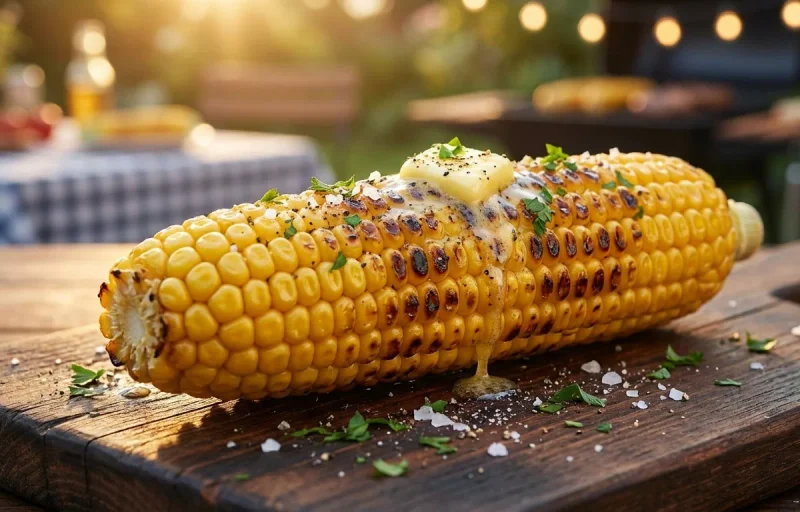
- 2For grilling, soak corn in its husk in cold water for at least 15 minutes before grilling to prevent the husks from burning and to steam the kernels.
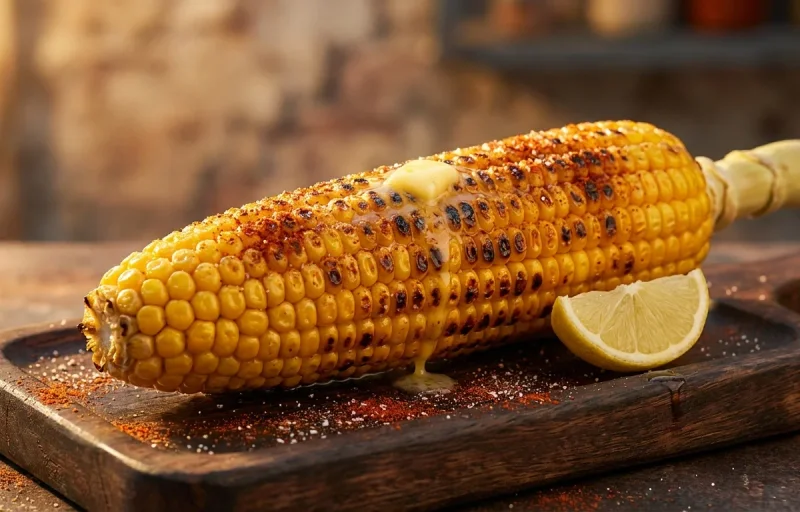
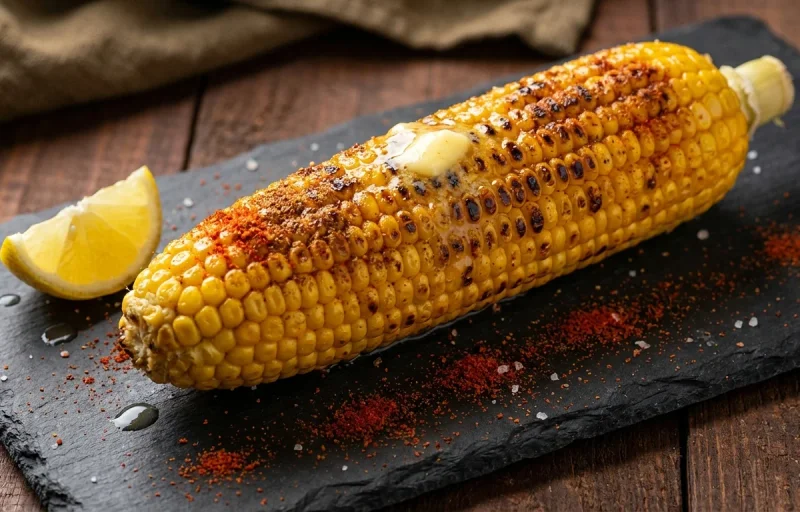
- 3To roast, brush shucked cobs with butter or oil, season as desired, and roast at 400°F (200°C) for 20-25 minutes, turning occasionally.
- 4For a quick method, microwave a shucked cob wrapped in a damp paper towel on high for 2-4 minutes until tender.
STORAGE
Keep it fresh.
- For best flavor, consume corn on the cob as soon as possible after purchase. Store unhusked corn in the refrigerator for no more than 1-3 days.
- For long-term storage, blanch shucked cobs for 3-5 minutes, plunge into an ice bath to cool, then freeze in airtight bags for up to 12 months.
FAQ
Frequently asked questions.
Is corn on the cob keto-friendly?
Generally, corn is not considered keto-friendly because it is a starchy vegetable. With approximately 23.5g of carbohydrates per 100g, a single ear of corn can easily exceed the daily carb limit for those on a strict ketogenic diet.
What are the best ways to cook corn on the cob?
Common methods include boiling in salted water for 3-5 minutes, grilling for a smoky charred flavor, or roasting in the oven. Steaming is also a great option as it helps retain more of the water-soluble B vitamins compared to boiling.
Can you eat corn on the cob raw?
Yes, fresh corn can be eaten raw and has a sweet, milky, and crunchy texture. It is often used raw in salads, salsas, or as a garnish, though most people prefer the texture and enhanced sweetness that comes with cooking.
How do you store fresh corn on the cob?
Fresh corn should be kept in its husk and stored in the refrigerator to slow down the process of sugars turning into starch. For the best flavor and sweetness, it should be consumed within one to two days of purchase.
How can you tell if corn on the cob has gone bad?
Signs of spoilage include a slimy texture on the kernels, a sour or off-putting smell, and visible mold. If the husk is extremely dry, brown, or has small holes (indicating pests), the corn may no longer be fresh.
Does corn on the cob provide energy?
Yes, corn is a good source of complex carbohydrates, providing 23.5g per 100g. These carbohydrates provide sustained energy, making it an excellent food choice for active individuals or as a fuel source for the brain and muscles.
Can you freeze corn on the cob?
Yes, you can freeze corn on the cob, but it is best to blanch it first by boiling it briefly and then plunging it into ice water. This stops enzyme activity, preserving the color, texture, and nutritional value for up to 12 months in the freezer.
RECIPES
Cook with corn on the cob.
10 recipes · sorted by what’s quick