Dairy5 recipes
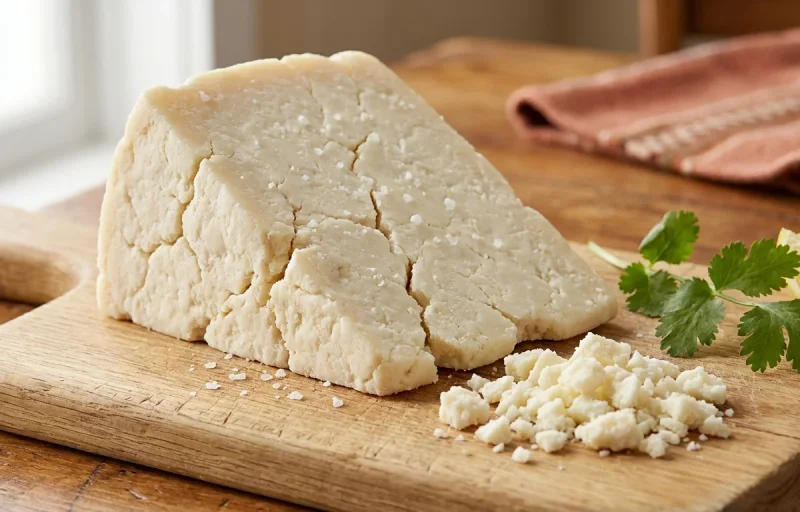
cotija cheese.
VegetarianVeganGluten-freeDairy-freeNut-freePeanut-freeSoy-freeEgg-freeShellfish-freeHoney-freeAlcohol-freeFermented
ALSO KNOWN AS
queso cotija
SERVING
CALORIES
366
PROTEIN
22.5g
CARBS
3.6g
FAT
29.2g
FIBER
0g
NUTRITION PROFILE · per 100 g
Everything in this ingredient.
MACRONUTRIENTS
Calories366kcal—
Protein22.5g45%
Carbohydrates3.6g1%
Fiber0g0%
Sugar0.90g2%
Total fat29.2g37%
Saturated fat18.8g94%
Trans fat0.60g—
Cholesterol94mg31%
Water40.2g—
MINERALS
Sodium1420mg62%
Potassium92mg2%
Calcium710mg55%
Iron0.50mg3%
Magnesium26mg6%
Phosphorus460mg37%
Zinc3.1mg28%
Copper0.03mg3%
Manganese0.01mg0%
Selenium14.5µg26%
VITAMINS
Vitamin A255µg28%
Vitamin C0mg0%
Vitamin D0.50µg3%
Vitamin E0.60mg4%
Vitamin K2.4µg2%
Thiamin (B1)0.03mg3%
Riboflavin (B2)0.36mg28%
Niacin (B3)0.10mg1%
Pantothenic acid (B5)0.40mg8%
Vitamin B60.05mg3%
Folate (B9)11µg3%
Vitamin B121.4µg58%
%DV based on a 2,000 cal diet. Source: USDA FoodData Central. A dash in the %DV column means there’s no established Daily Value for that nutrient.
MEASUREMENT CONVERSIONS
How much is what.
1 cup113g
1 tablespoon7.1g
1 teaspoon2.4g
1 ml0.5g
1 liter470.8g
HEALTH BENEFITS
Why eat it.
- ✓Rich source of calcium, essential for maintaining strong bones and teeth.
- ✓High in complete protein, which is crucial for muscle repair, growth, and overall body function.
- ✓Provides a good amount of phosphorus, a mineral that works with calcium to support skeletal health.
- ✓Contains Vitamin B12, which is important for nerve function and the formation of red blood cells.
COOKING TIPS
In the kitchen.
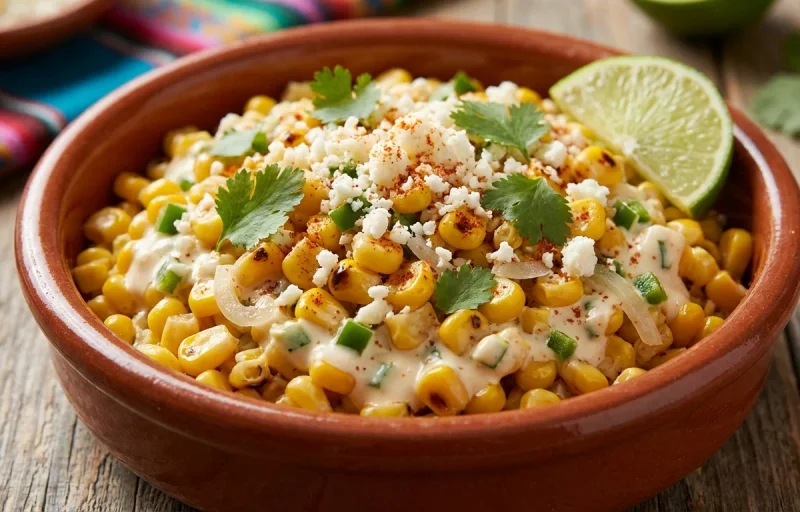
- 1Use as a finishing cheese. Its strong, salty flavor is best when crumbled or grated over dishes like tacos, enchiladas, salads, chili, and elote (Mexican street corn).
- 2Cotija cheese does not melt; it only softens when heated. Avoid using it in recipes where a creamy, melted texture is desired, such as quesadillas or queso dip.
- 3Because of its saltiness, you may need to reduce the amount of salt in the rest of your dish when using cotija.
- 4Lightly toasting crumbled cotija in a dry pan for a minute can enhance its nutty flavor before using it as a topping.
STORAGE
Keep it fresh.
- Refrigerate in its original packaging or wrap tightly in plastic wrap or wax paper. It can last for several weeks to a month.
- For longer-term storage, cotija can be frozen for up to 3 months. Thaw in the refrigerator; note that the texture may become more crumbly.
FAQ
Frequently asked questions.
Is cotija cheese healthy?
Cotija cheese is a nutrient-dense dairy product that provides high-quality protein and essential minerals like calcium and phosphorus for bone health. However, it is relatively high in sodium and saturated fat, so it is best used as a flavorful garnish rather than a primary ingredient.
How much protein is in cotija cheese?
Cotija cheese is an excellent source of complete protein, containing approximately 22.5 grams per 100 grams. This makes it a great option for supporting muscle repair and maintaining satiety.
Is cotija cheese keto-friendly?
Yes, cotija cheese is very keto-friendly. With only 3.6 grams of carbohydrates and 29.2 grams of fat per 100 grams, it fits well into a low-carb, high-fat ketogenic lifestyle.
Does cotija cheese melt?
No, cotija cheese does not melt when heated. It softens slightly but retains its crumbly structure, which is why it is traditionally used as a finishing topping for dishes like elote, tacos, and beans.
What does cotija cheese taste like?
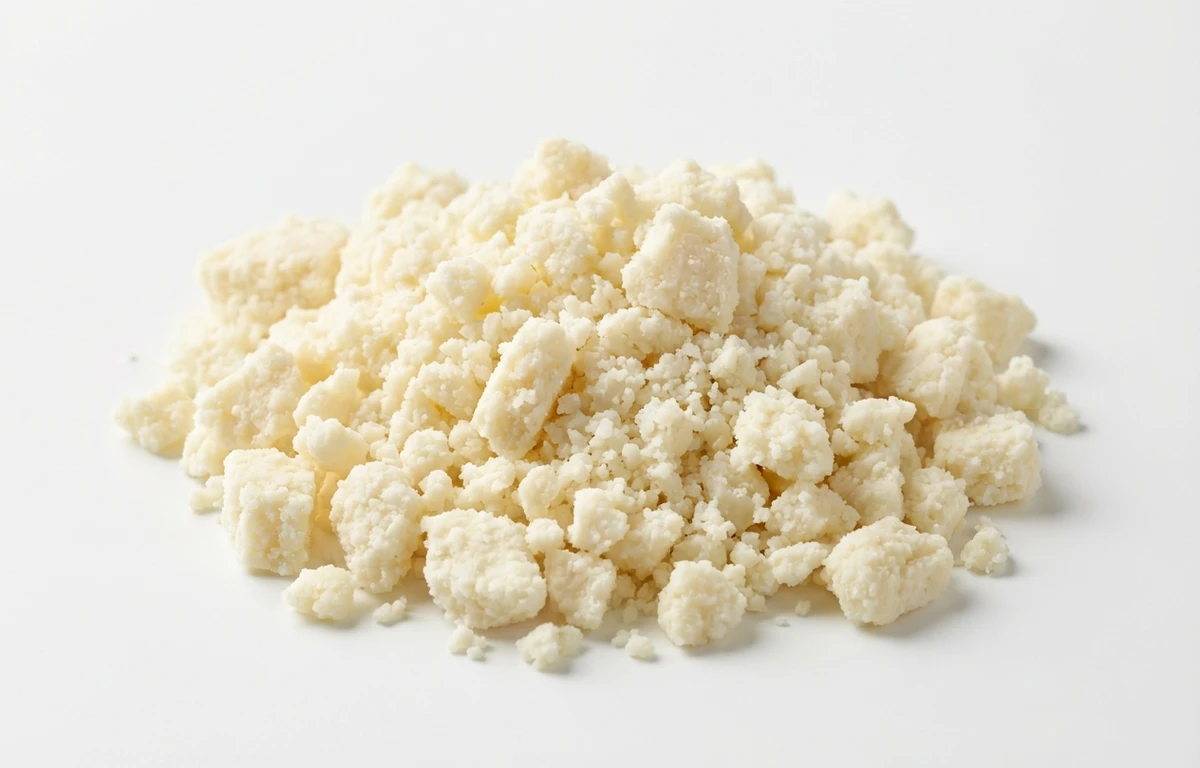
Cotija has a strong, salty, and milky flavor profile. Its texture is firm and dry, often compared to a cross between a mild feta and a sharp parmesan.
What is a good substitute for cotija cheese?
The best substitute for fresh cotija is Feta cheese, as it shares a similar saltiness and crumbly texture. For aged cotija, you can use finely grated Parmesan or Pecorino Romano to achieve a similar dry, sharp finish.
Is cotija cheese gluten-free?
Yes, pure cotija cheese is naturally gluten-free as it is made from cow's milk, salt, and enzymes. Always check the packaging for potential cross-contamination if you have a severe gluten sensitivity.
How should I store cotija cheese and how long does it last?
Store cotija cheese in the refrigerator wrapped tightly in parchment paper or plastic wrap. When properly sealed, it can last for 2 to 4 weeks; if you notice any mold or an off-smell, it should be discarded.
Is cotija cheese lactose-free?
Cotija is not lactose-free, but like many aged cheeses, it contains lower levels of lactose than fresh milk. Most people with mild lactose sensitivity can tolerate small amounts, but those with severe intolerance should exercise caution.
Can I freeze cotija cheese?
Yes, you can freeze cotija cheese for up to 3 months. While freezing may slightly change the texture and make it more crumbly, it remains perfectly suitable for use as a topping on cooked dishes after thawing.
RECIPES
Cook with cotija cheese.
5 recipes · sorted by what’s quick