
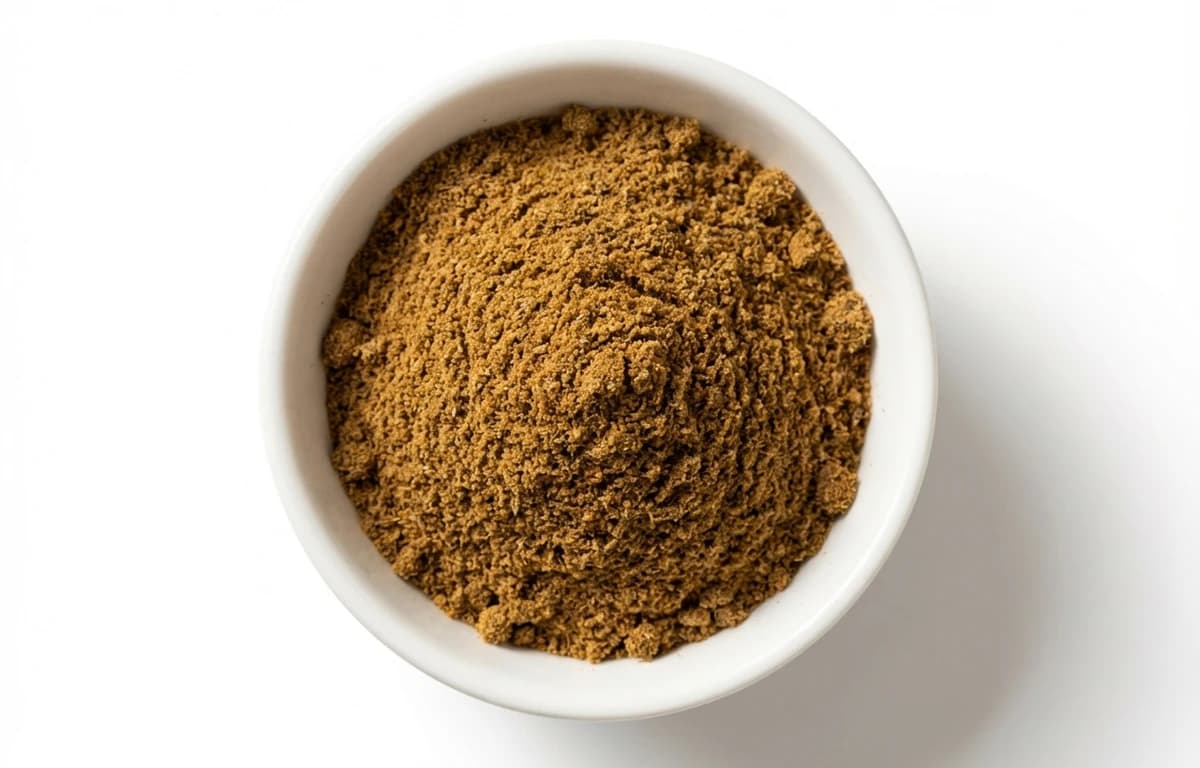
cumin
Also known as: jeera, cumin seeds, whole cumin, comino, zira, safed jeera
Loading...
Also known as: jeera, cumin seeds, whole cumin, comino, zira, safed jeera
Per 100g
Nutrition data source: USDA FoodData Central
Common measurement equivalents in grams
A refreshing, protein-packed salad that's perfect for a light lunch or dinner. Earthy quinoa, tangy feta, and crisp vegetables are tossed in a zesty lemon-cumin dressing.
A vibrant, protein-packed salad combining earthy spinach, fluffy quinoa, and soft paneer. It's all tossed in a zesty tamarind-cumin dressing for a delightful Indian-inspired twist on a modern classic.
A refreshing and protein-packed salad combining fluffy quinoa, hearty black beans, and sweet corn. Tossed in a zesty lemon-cumin dressing, it's a perfect light lunch or a vibrant side dish with an Indian twist.
A wholesome and vibrant bowl featuring Indian-spiced black beans, fluffy cumin rice, fresh greens, and creamy avocado. It's a protein-packed, satisfying vegan meal that's perfect for a healthy lunch or dinner.
A quick and flavorful side dish of black beans simmered with garlic, cumin, and savory broth. Perfect for pairing with rice or tacos, and ready in under 15 minutes.
Whole cumin seeds can last 1-2 years if stored properly in an airtight container. Ground cumin loses its potency much faster, typically within 6 months.
Caraway seeds are the closest match. Ground coriander or chili powder can also work in a pinch, though they will alter the flavor profile.
Yes, cumin is one of the densest plant sources of iron, providing over 60mg per 100g, making it excellent for supporting blood health.
Look for seeds that are greenish-brown, uniform in size, and have a very strong, pungent aroma when squeezed.
It is not recommended as moisture can ruin the texture and the cold can dull the essential oils. Room temperature in a dark pantry is best.
Whole seeds are used for tempering in oil and provide texture, while ground cumin is used to distribute flavor evenly throughout a dish or spice rub.
No, they are different plants. While they look similar and are related, caraway has a more anise-like, cooling flavor compared to cumin's earthy warmth.
Some studies suggest that cumin powder may help boost metabolism and aid in weight loss when combined with a healthy diet.
Cumin seeds are usually ready to use, but it is good practice to quickly sift through them to check for any small stones or debris before cooking.
cumin is a versatile ingredient found in cuisines around the world. With 375 calories per 100g and 17.8 grams of protein, it's a nutritious addition to many dishes.
Explore more ingredients in the spice category with complete nutrition information.
View all spice →