Other10 recipes
english muffins.
VegetarianVeganGluten-freeDairy-freeNut-freePeanut-freeSoy-freeEgg-freeShellfish-freeHoney-freeAlcohol-freeFermented
ALSO KNOWN AS
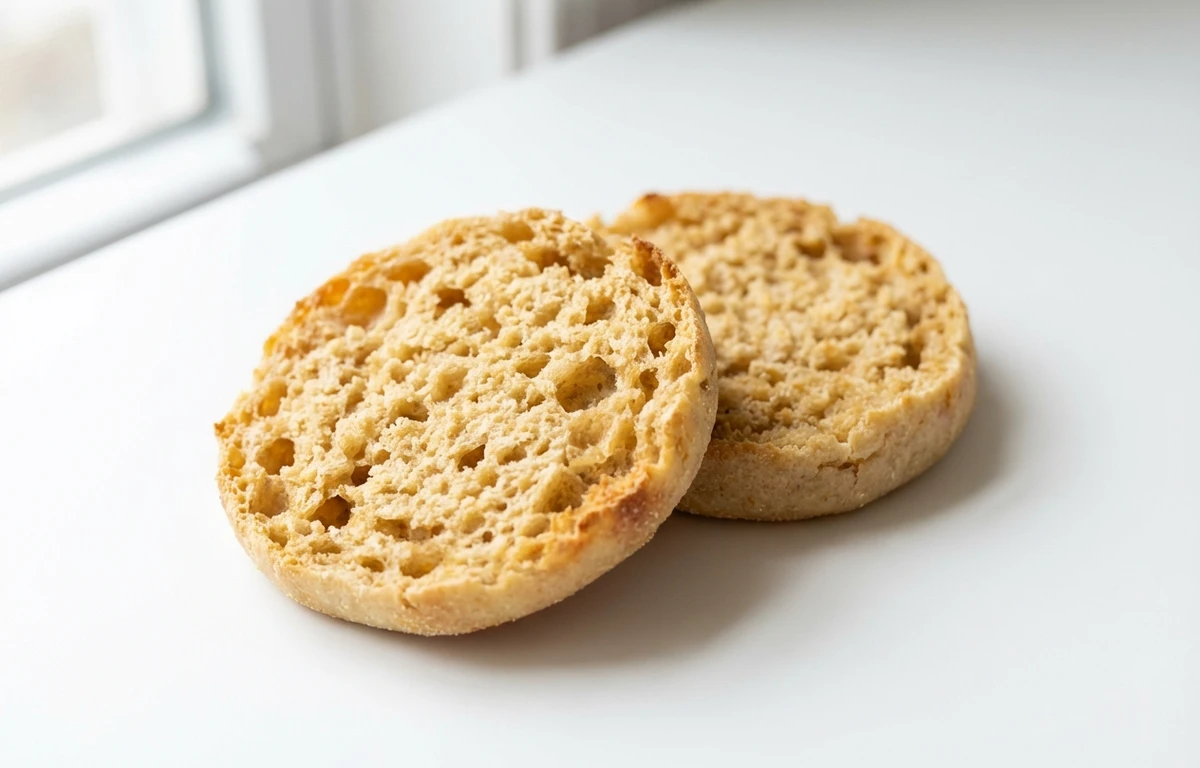
English Muffin
SERVING
CALORIES
235
PROTEIN
8.0g
CARBS
45g
FAT
1.0g
FIBER
2.5g
Per 100 g, it provides 0.20 µg of vitamin K.
NUTRITION PROFILE · per 100 g
Everything in this ingredient.
MACRONUTRIENTS
Calories235kcal—
Protein8.0g16%
Carbohydrates45g16%
Fiber2.5g9%
Sugar2.0g4%
Total fat1.0g1%
Saturated fat0.20g1%
Trans fat0g—
Cholesterol0mg0%
Water42g—
MINERALS
Sodium450mg20%
Potassium120mg3%
Calcium100mg8%
Iron2.5mg14%
Magnesium25mg6%
Phosphorus130mg10%
Zinc0.80mg7%
Copper0.10mg11%
Manganese0.40mg17%
Selenium22µg40%
VITAMINS
Vitamin A0µg0%
Vitamin C0mg0%
Vitamin D0µg0%
Vitamin E0.10mg1%
Vitamin K0.20µg0%
Thiamin (B1)0.40mg33%
Riboflavin (B2)0.30mg23%
Niacin (B3)3.5mg22%
Pantothenic acid (B5)0.30mg6%
Vitamin B60.10mg6%
Folate (B9)120µg30%
Vitamin B120µg0%
%DV based on a 2,000 cal diet. Source: USDA FoodData Central. A dash in the %DV column means there’s no established Daily Value for that nutrient.
MEASUREMENT CONVERSIONS
How much is what.
1 cup90g
1 tablespoon5.6g
1 teaspoon1.8g
1 oz28.4g
1 lb453.6g
1 ml0.4g
1 liter380g
1 piece57g
HEALTH BENEFITS
Why eat it.
- ✓Low in fat compared to many other breakfast breads
- ✓Provides complex carbohydrates for sustained energy
- ✓Good source of B-vitamins for metabolism
- ✓Contains essential minerals like iron and selenium
- ✓Lower in sugar than many breakfast cereals
COOKING TIPS
In the kitchen.
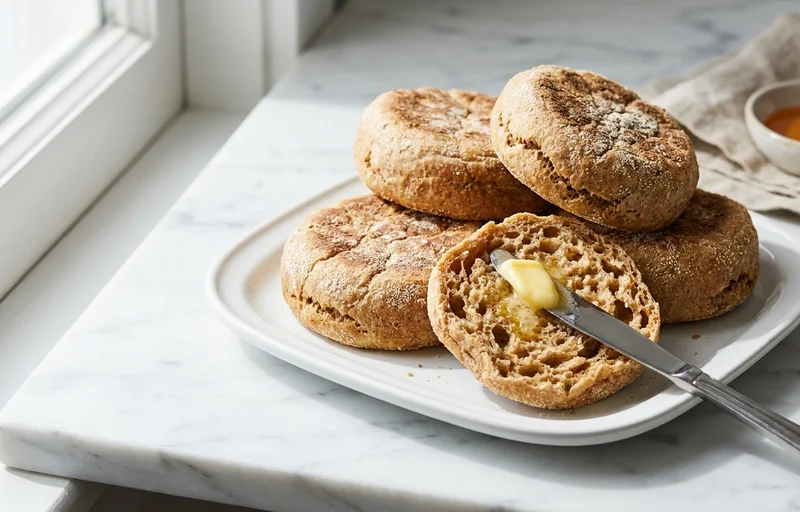
- 1Always fork-split rather than slicing with a knife to preserve the 'nooks and crannies'
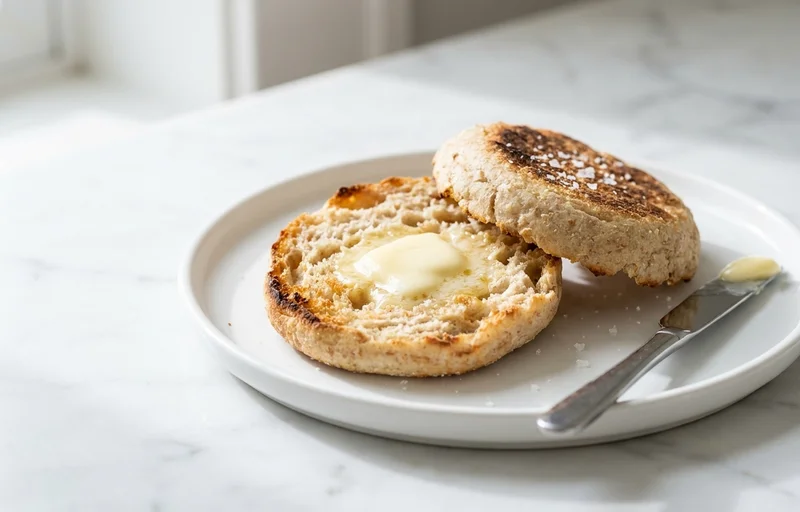
- 2Toast until the edges are golden brown and crispy for the best texture
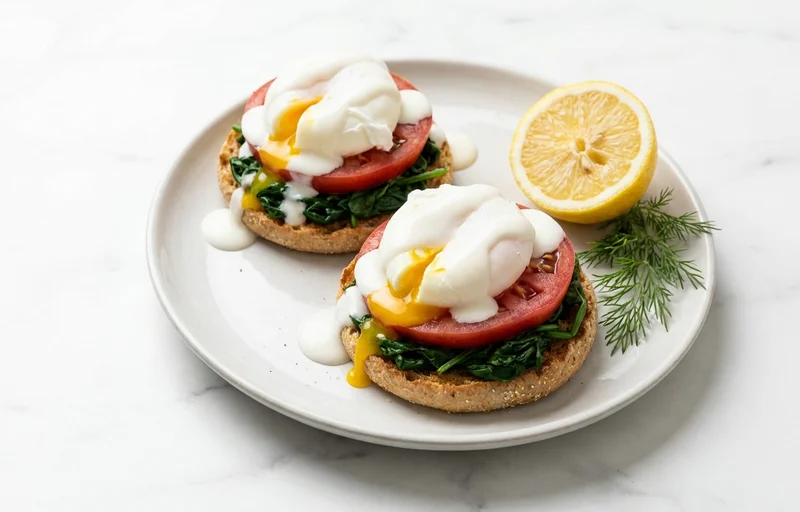
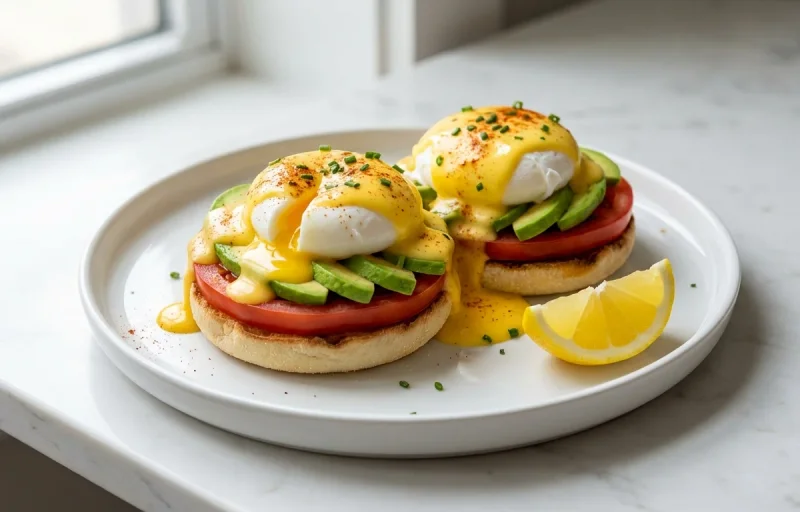
- 3Use as a base for mini pizzas or eggs benedict for a sturdy foundation
STORAGE
Keep it fresh.
- Store in a cool, dry place in an airtight bag for 4-7 days
- Freeze for up to 6 months to maintain freshness
- Keep away from direct sunlight to prevent mold growth
FAQ
Frequently asked questions.
How long do English muffins last?
They typically last 4 to 7 days at room temperature if kept in an airtight bag. In the freezer, they can last up to 6 months.
What is the best way to store English muffins?
Keep them in their original packaging or an airtight bag in a cool, dry pantry. If you won't finish them within a few days, freezing is the best option.
Why should I use a fork to open an English muffin?
Using a fork to 'split' the muffin creates an uneven surface with 'nooks and crannies' that hold butter and toppings better than a smooth knife-cut surface.
Are English muffins vegan?
Most commercial English muffins are vegan, but some brands may use milk, butter, or honey. Always check the ingredient label for dairy or animal-derived additives.
Can I toast English muffins from frozen?
Yes, you can toast them directly from the freezer. You may need to increase the toasting time slightly or use a 'defrost' setting on your toaster.
What are the best substitutes for English muffins?
Crumpets are the closest substitute. Other alternatives include bagels, sourdough toast, or ciabatta rolls depending on the dish.
Are English muffins healthier than bread?
They are often lower in calories and fat than large slices of sandwich bread or bagels, but this depends on the specific brand and whether they are whole grain.
How do I know if an English muffin has gone bad?
Look for visible mold spots (usually green, white, or black), a sour or off smell, or an excessively hard, dry texture.
RECIPES
Cook with english muffins.
10 recipes · sorted by what’s quick