Spice10 recipes
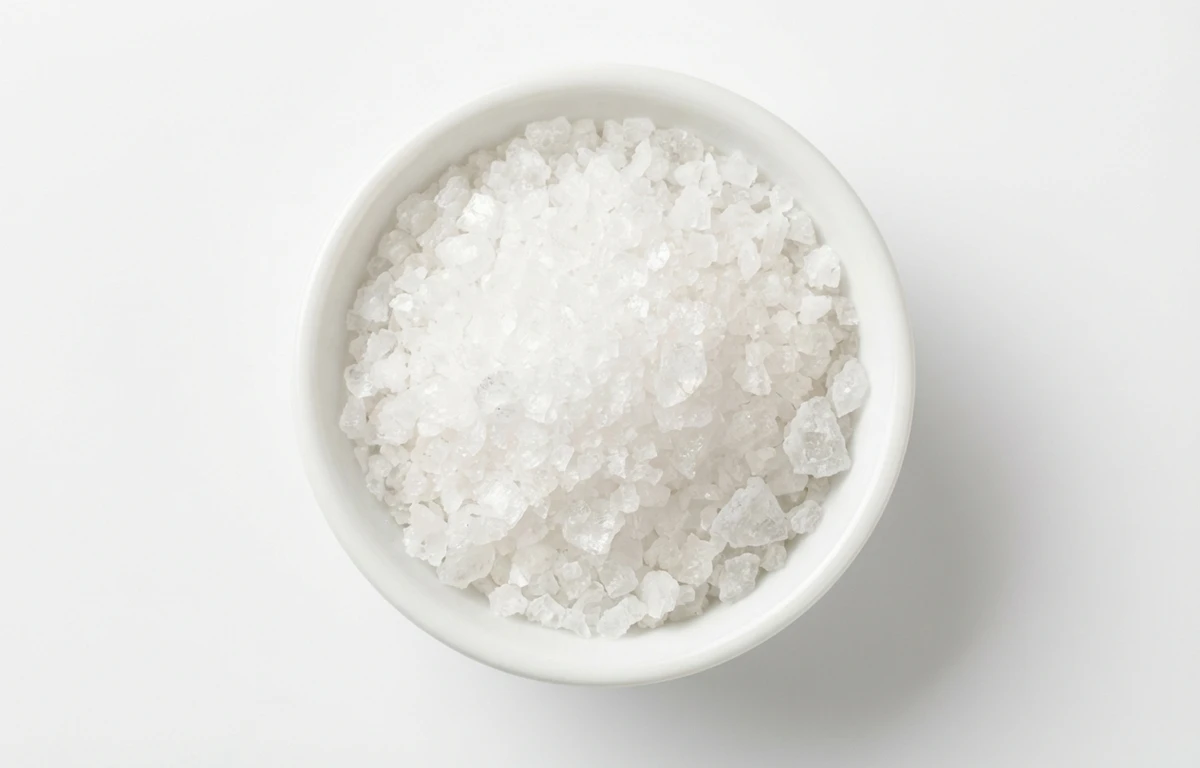
flaky sea salt.
VegetarianVeganGluten-freeDairy-freeNut-freePeanut-freeSoy-freeEgg-freeShellfish-freeHoney-freeAlcohol-free
ALSO KNOWN AS
fleur de selfinishing salt
SERVING
CALORIES
0
PROTEIN
0g
CARBS
0g
FAT
0g
FIBER
0g
NUTRITION PROFILE · per 100 g
Everything in this ingredient.
MACRONUTRIENTS
Calories0kcal—
Protein0g0%
Carbohydrates0g0%
Fiber0g0%
Sugar0g0%
Total fat0g0%
Saturated fat0g0%
Trans fat0g—
Cholesterol0mg0%
Water0.20g—
MINERALS
Sodium38758mg1685%
Potassium12mg0%
Calcium24mg2%
Iron0.30mg2%
Magnesium10mg2%
Zinc0.10mg1%
Selenium0.10µg0%
VITAMINS
Vitamin A0µg0%
Vitamin C0mg0%
Vitamin D0µg0%
Vitamin E0mg0%
Vitamin K0µg0%
Thiamin (B1)0mg0%
Riboflavin (B2)0mg0%
Niacin (B3)0mg0%
Pantothenic acid (B5)0mg0%
Vitamin B60mg0%
Folate (B9)0µg0%
Vitamin B120µg0%
%DV based on a 2,000 cal diet. Source: USDA FoodData Central. A dash in the %DV column means there’s no established Daily Value for that nutrient.
MEASUREMENT CONVERSIONS
How much is what.
1 cup150g
1 tablespoon10g
1 teaspoon3g
1 oz28.4g
1 lb453.6g
1 ml0.7g
1 liter650g
HEALTH BENEFITS
Why eat it.
- ✓Provides essential sodium for nerve function
- ✓Contains trace minerals like magnesium and calcium
- ✓Helps maintain fluid balance in the body
- ✓Enhances flavor perception, potentially reducing overall salt intake
- ✓Free from anti-caking agents found in table salt
COOKING TIPS
In the kitchen.
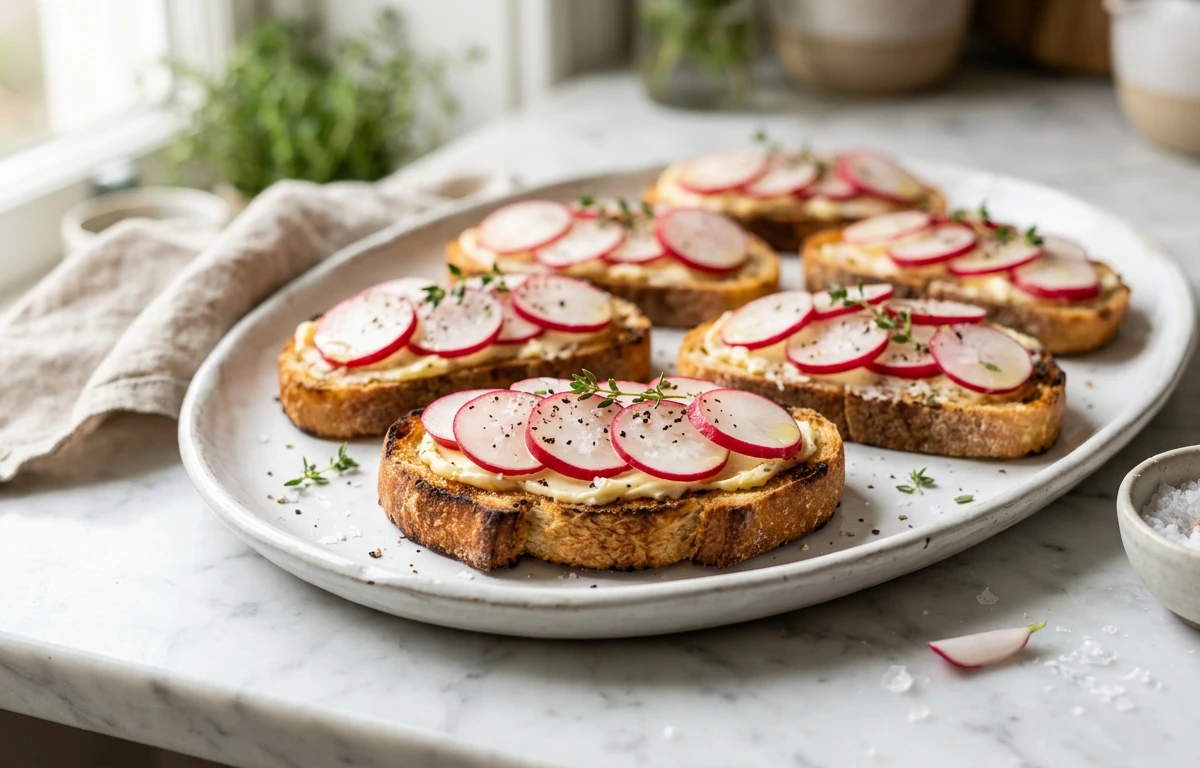
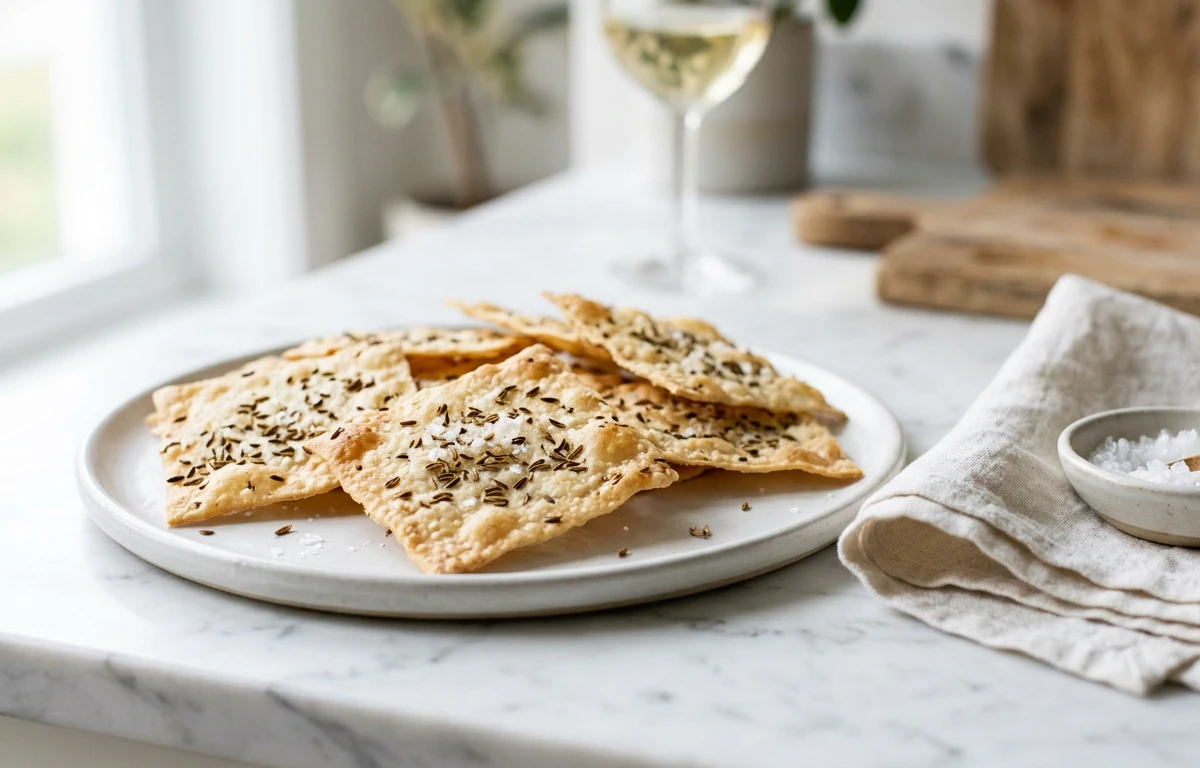
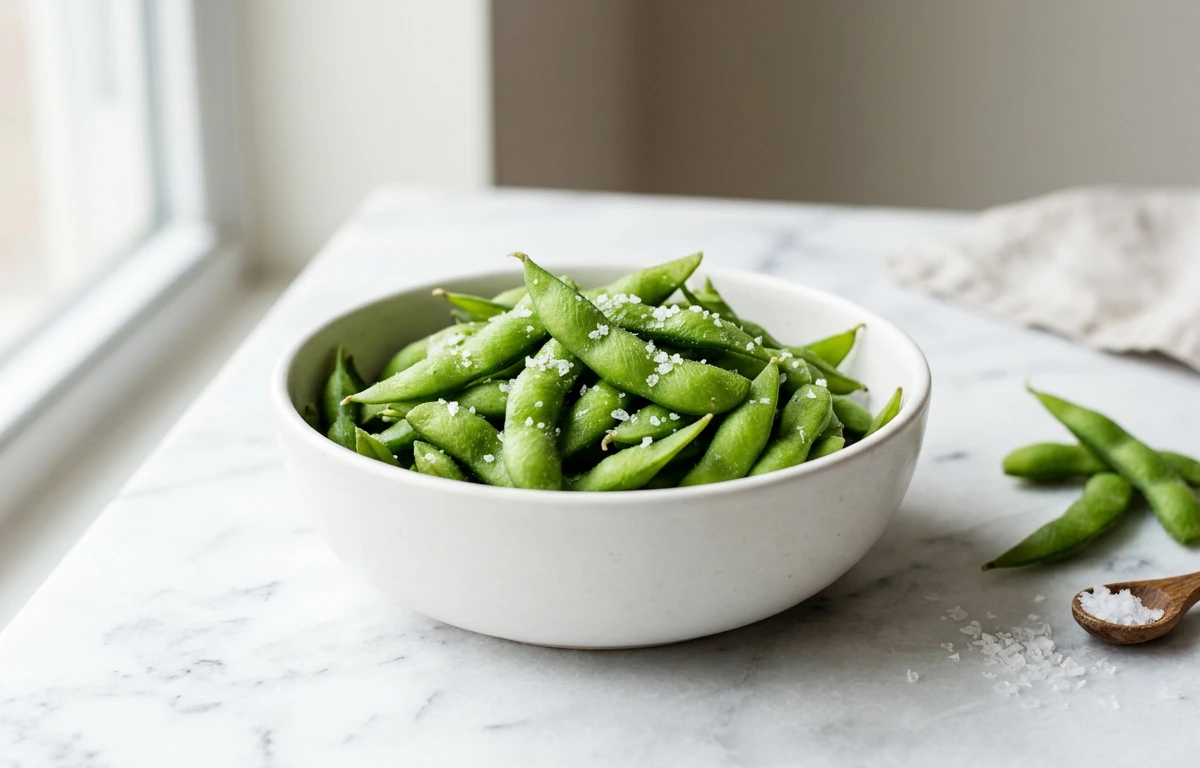
- 1Use as a finishing salt just before serving to maintain texture
- 2Crush flakes between your fingers to control the distribution
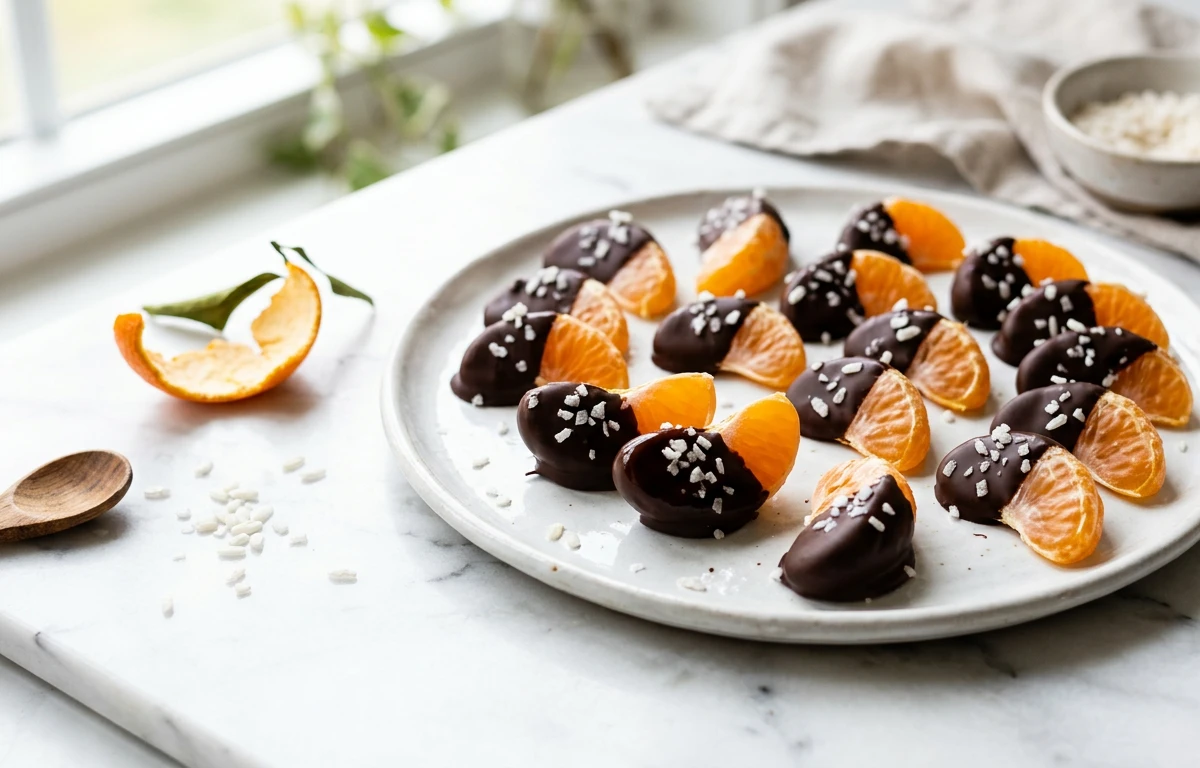
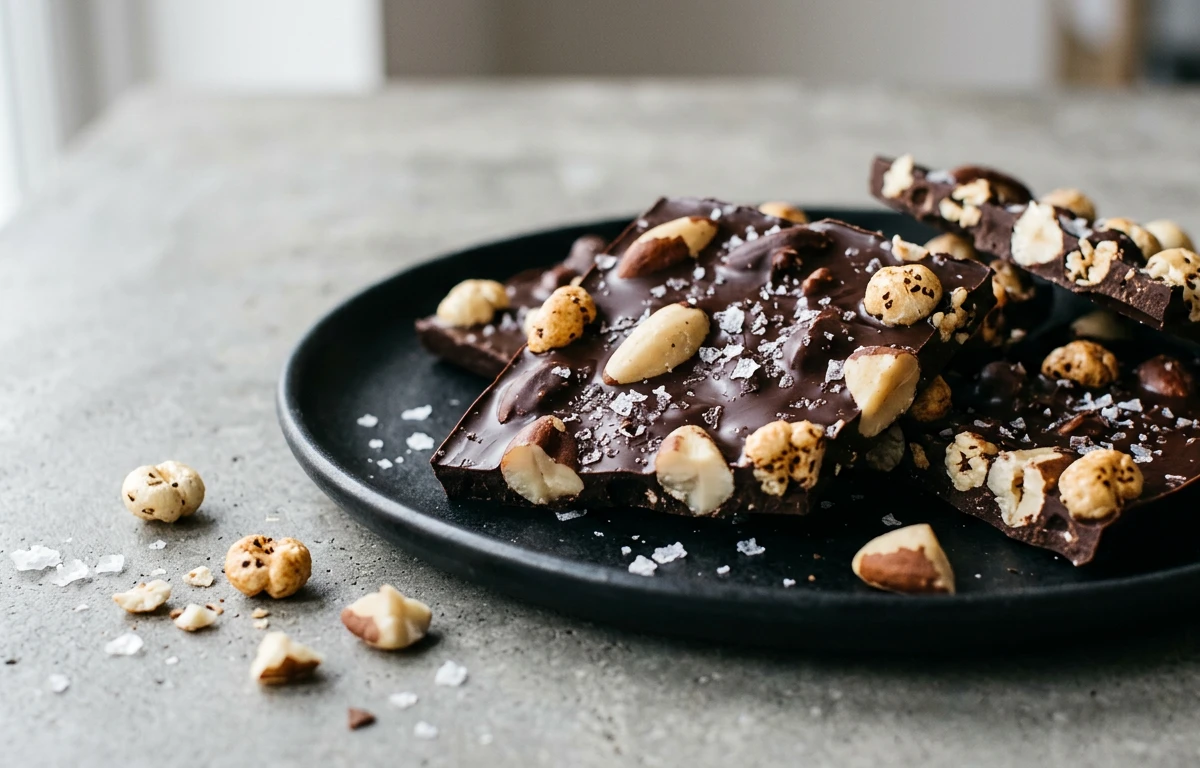
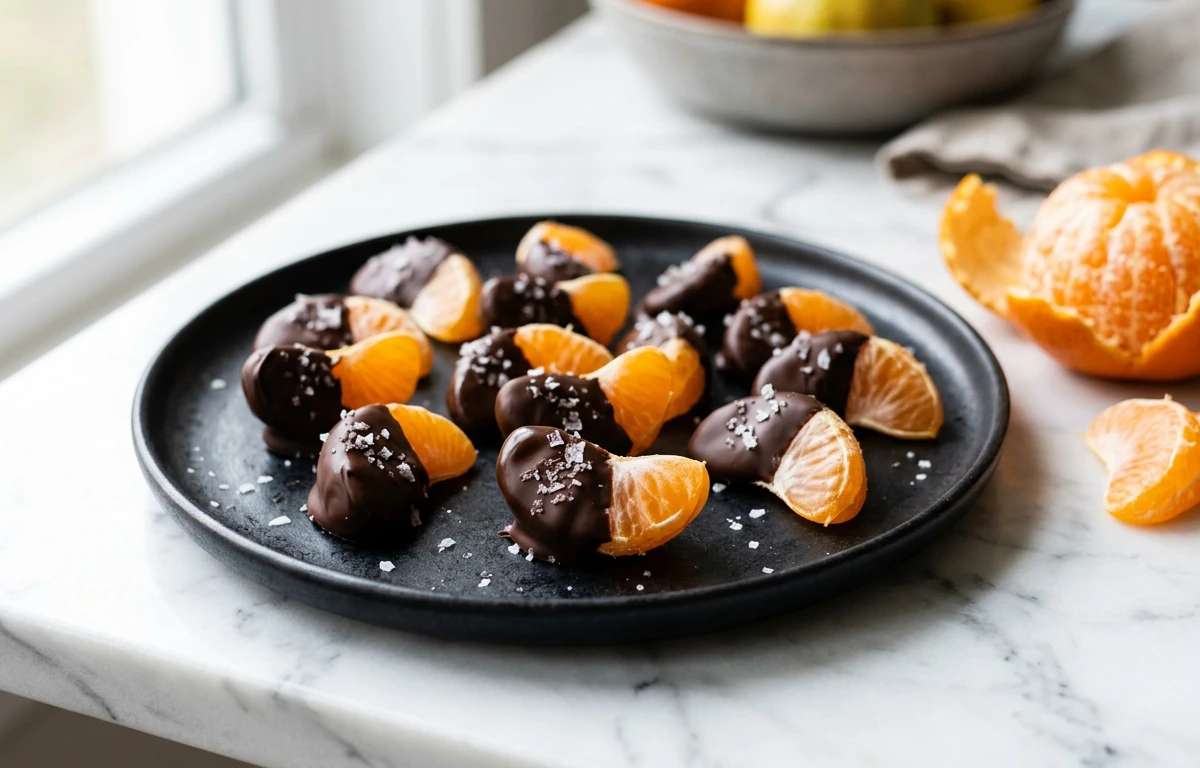
- 3Excellent on chocolate or caramel to balance sweetness
STORAGE
Keep it fresh.
- Store in an airtight container to prevent moisture absorption
- Keep in a cool, dry place away from steam
- Use a salt cellar for easy access during finishing
FAQ
Frequently asked questions.
How long does flaky sea salt last?
Salt is a mineral and lasts indefinitely if kept dry and free from contaminants.
Can I substitute table salt for flaky sea salt?
Yes, but use less table salt by volume. 1 teaspoon of table salt is roughly equivalent to 1.5 to 2 teaspoons of flaky salt due to the air between flakes.
Why is flaky salt used for finishing?
Its large surface area and thin texture provide a pleasant crunch and a concentrated burst of flavor that dissolves quickly on the tongue.
Does flaky sea salt contain iodine?
Most flaky sea salts are unfortified and contain only trace amounts of naturally occurring iodine, unlike iodized table salt.
How should I store flaky salt to prevent clumping?
Keep it in a sealed glass jar or a ceramic salt pig in a dry area of the kitchen, away from the stove's humidity.
Is flaky sea salt healthier than table salt?
Nutritionally they are similar in sodium content, but flaky salt is often less processed and lacks chemical anti-caking agents.
What are the best dishes to use flaky salt on?
It is best on grilled meats, fresh sliced tomatoes, avocado toast, and baked goods like chocolate chip cookies.
Can I use flaky salt in pasta water?
You can, but it is a waste of expensive salt as the unique texture will dissolve immediately; use standard sea salt or kosher salt for boiling.
RECIPES
Cook with flaky sea salt.
10 recipes · sorted by what’s quick