Other
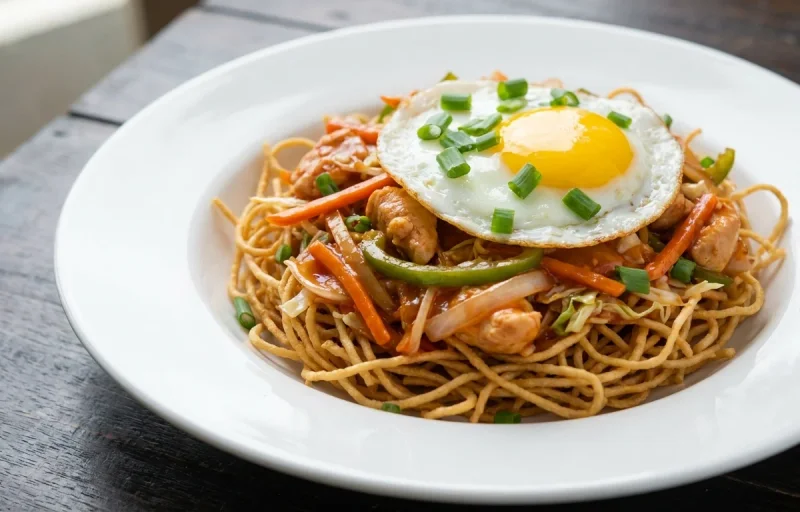
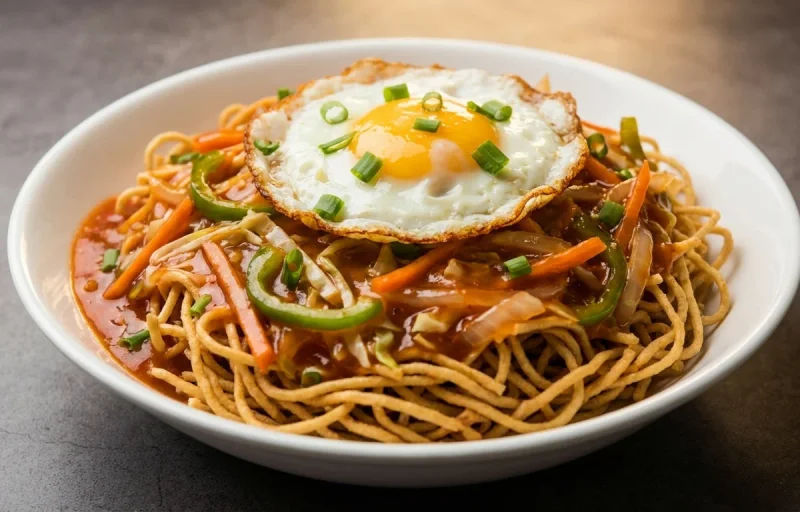
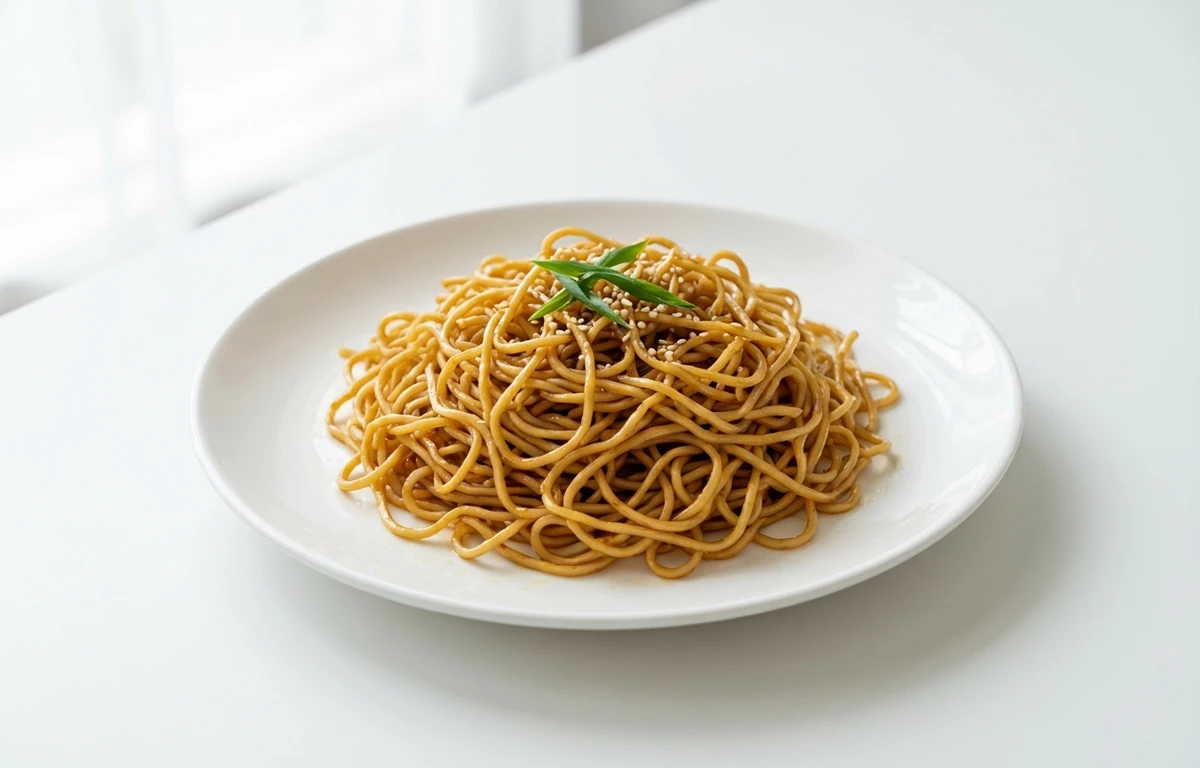
fried noodles.
VegetarianVeganGluten-freeDairy-freeNut-freePeanut-freeSoy-freeEgg-freeShellfish-freeHoney-freeAlcohol-free
ALSO KNOWN AS
crispy noodles
SERVING
CALORIES
513
PROTEIN
12g
CARBS
60g
FAT
25g
FIBER
2.9g
Per 100 g, it provides 2.0 µg of vitamin K.
NUTRITION PROFILE · per 100 g
Everything in this ingredient.
MACRONUTRIENTS
Calories513kcal—
Protein12g24%
Carbohydrates60g22%
Fiber2.9g10%
Sugar0.50g1%
Total fat25g32%
Saturated fat4.0g20%
Trans fat0g—
Cholesterol15mg5%
Water3.0g—
MINERALS
Sodium813mg35%
Potassium100mg2%
Calcium20mg2%
Iron2.2mg12%
Magnesium15mg4%
Phosphorus60mg5%
Zinc0.30mg3%
Copper0.07mg8%
Manganese0.15mg7%
Selenium7.0µg13%
VITAMINS
Vitamin E0.70mg5%
Vitamin K2.0µg2%
Thiamin (B1)0.15mg13%
Riboflavin (B2)0.08mg6%
Niacin (B3)1.5mg9%
Pantothenic acid (B5)0.30mg6%
Vitamin B60.07mg4%
Folate (B9)30µg8%
Vitamin B120µg0%
%DV based on a 2,000 cal diet. Source: USDA FoodData Central. A dash in the %DV column means there’s no established Daily Value for that nutrient.
MEASUREMENT CONVERSIONS
How much is what.
1 cup110g
1 tablespoon6.9g
1 teaspoon2.3g
1 ml0.5g
1 liter458.3g
HEALTH BENEFITS
Why eat it.
- ✓Provides a quick source of energy due to high carbohydrate content.
- ✓Can provide essential micronutrients like iron and B vitamins if fortified.
COOKING TIPS
In the kitchen.
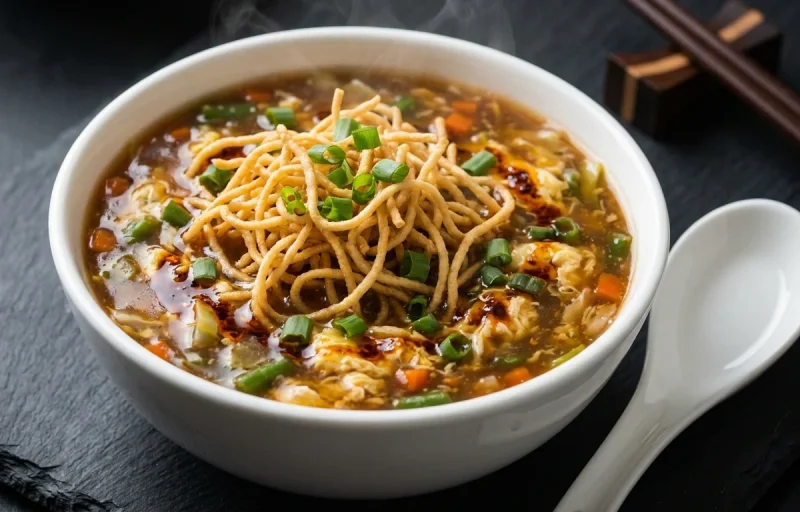
- 1Use as a crunchy topping for salads, soups, and stir-fries to add textural contrast.
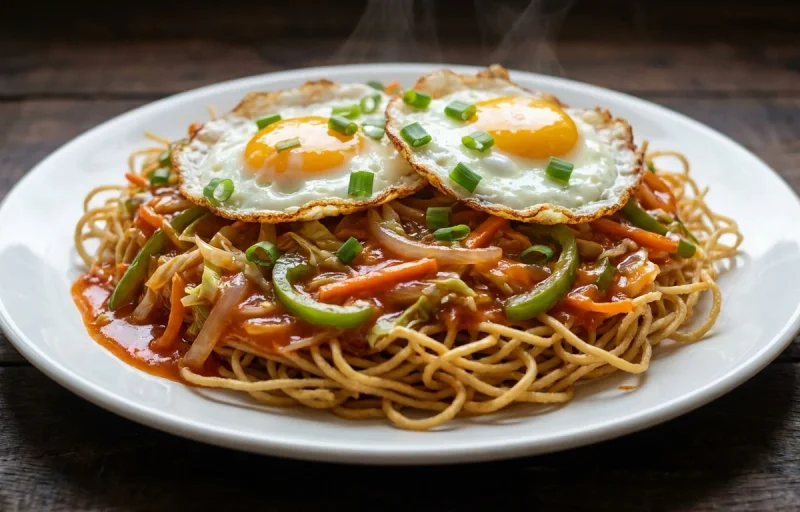
- 2Serve as a base for saucy dishes like chop suey, adding the hot topping just before serving to maintain crispness.
- 3Crush lightly and use as a crispy coating for fried chicken or fish.
- 4For instant fried noodles (e.g., ramen blocks), boil for a few minutes until tender before draining and adding to a stir-fry or soup.
STORAGE
Keep it fresh.
- Store in a cool, dry place in an airtight container to prevent them from becoming stale or absorbing moisture.
- Keep away from direct sunlight and strong odors, as the frying oil can go rancid or absorb smells.
FAQ
Frequently asked questions.
Is fried noodles healthy?
Fried noodles are high in calories (513 kcal per 100g), fat (25g), and carbohydrates (60g). While they provide a quick energy source and some protein (12g), their high fat and calorie content means they should be consumed in moderation as part of a balanced diet.
How many calories, carbs, and fat are in fried noodles?
Per 100g, fried noodles contain approximately 513 calories, 60g of carbohydrates, and 25g of fat. They also provide 12g of protein, offering a quick source of energy.
Are fried noodles gluten-free?
Most traditional fried noodles are made from wheat flour, meaning they are not gluten-free. However, some specialty versions made from rice flour or other gluten-free grains may be available, so always check the ingredient list.
Are fried noodles vegan or vegetarian?
Fried noodles can be vegetarian if made without animal products (like egg noodles) and cooked in vegetable oil. However, they are often not vegan as many varieties contain eggs, and they might be prepared with non-vegan sauces or ingredients in dishes. Always check the specific product or dish.
What do fried noodles taste like?
Fried noodles typically have a slightly crispy or chewy texture, depending on how they are prepared. They often absorb the flavors of the oil and seasonings they are cooked with, resulting in a savory, sometimes slightly nutty or umami taste.
How are fried noodles commonly used in dishes?
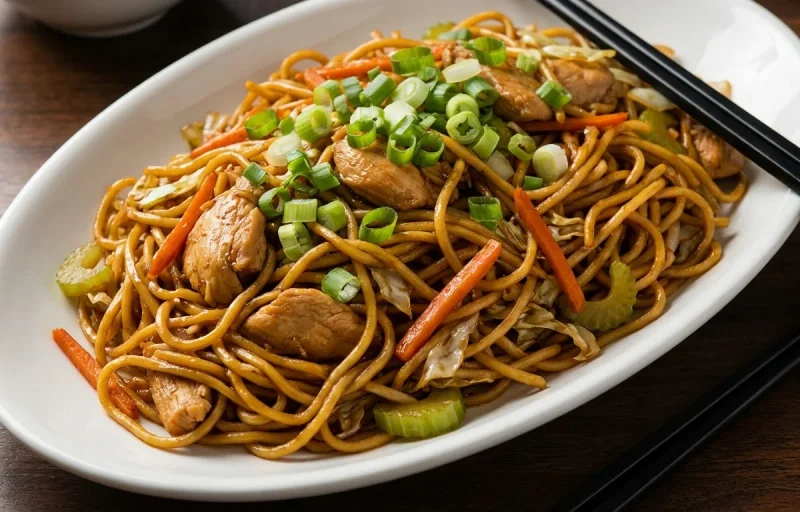
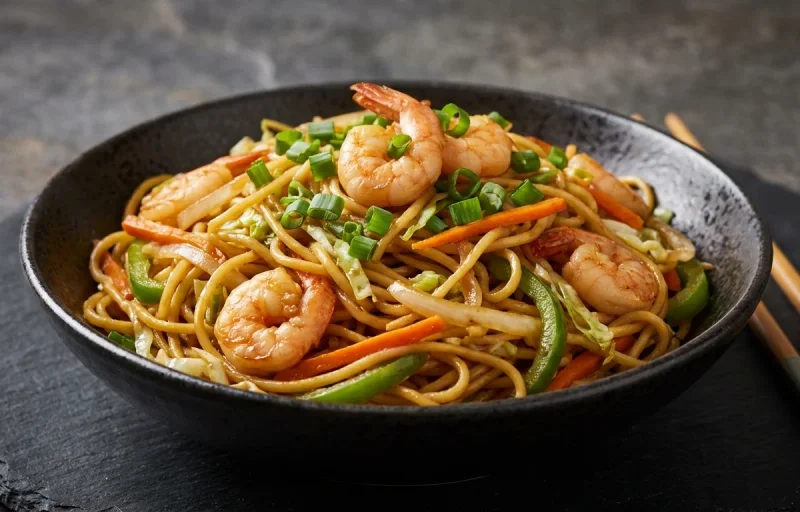
Fried noodles are a staple in many Asian cuisines. They are often stir-fried with vegetables, meats, and sauces to create dishes like lo mein, chow mein, or pad see ew. They can also be served as a crispy topping for salads or soups.
What's the difference between fried noodles and regular noodles?
"Fried noodles" specifically refers to noodles that have been cooked by frying, often resulting in a distinct texture (crispy or chewy) and flavor from the oil. "Regular noodles" is a broader term that can include fresh or dried noodles meant for boiling, steaming, or stir-frying, but not necessarily deep-fried or pan-fried as their primary cooking method.
RECIPES
Cook with fried noodles.
0 recipes · sorted by what’s quick