
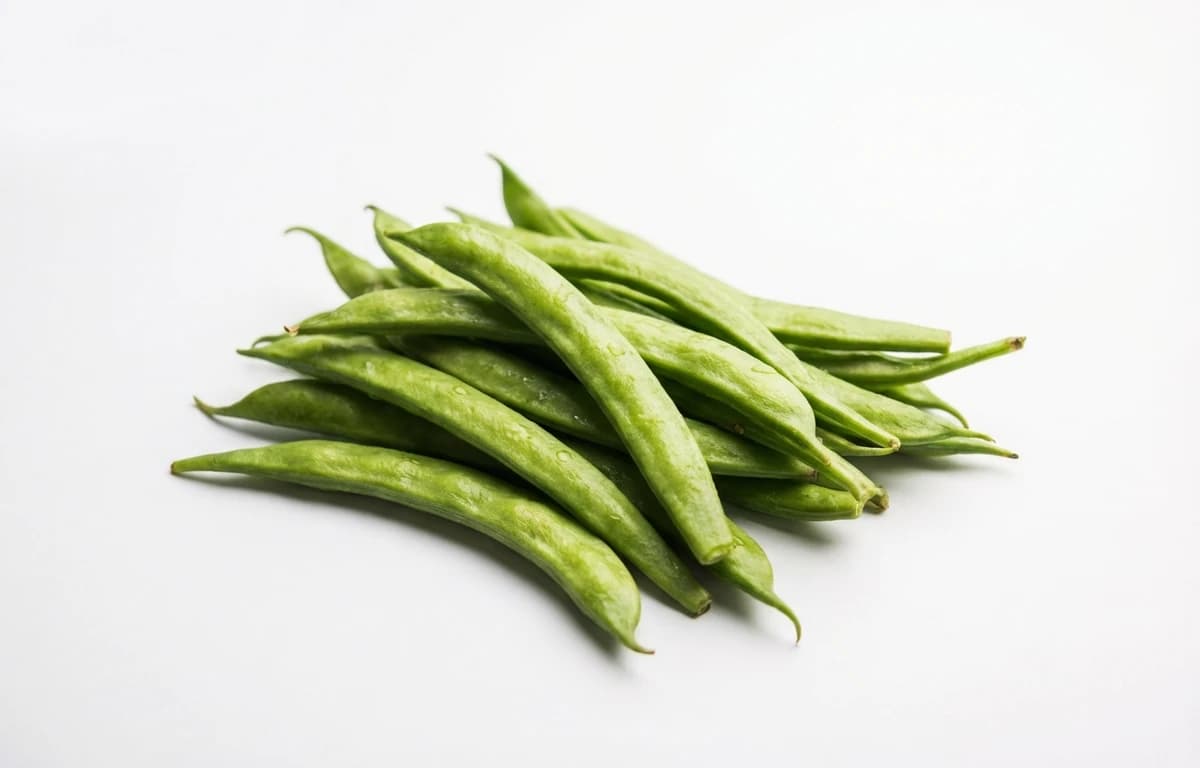
gavar
Also known as:
Loading...
Also known as:
Per 100g
Nutrition data source: USDA FoodData Central
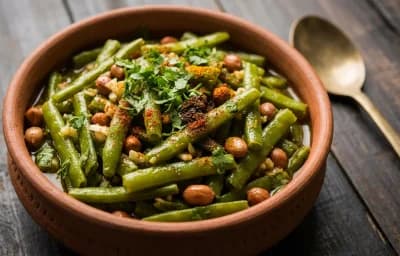
A classic Maharashtrian stir-fry featuring tender cluster beans and a nutty crunch from roasted peanuts. This simple, flavorful sabzi gets its unique taste from goda masala and a hint of jaggery.
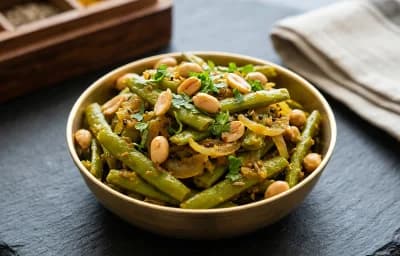
A classic Maharashtrian stir-fry featuring tender cluster beans cooked with aromatic spices, crunchy peanuts, and a hint of jaggery. This wholesome and flavorful side dish pairs perfectly with hot chapatis or dal rice for a comforting meal.
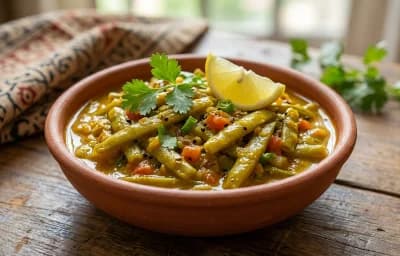
A classic Gujarati homestyle dish made with tender cluster beans, aromatic spices, and a hint of jaggery. This simple and healthy dry curry pairs perfectly with hot rotis and dal for a comforting meal.
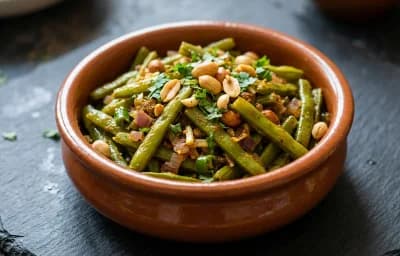
A simple and nutritious stir-fry made with cluster beans, aromatic spices, and a hint of sweetness from jaggery. This everyday Indian vegetable dish is a staple in many households and pairs perfectly with roti or dal rice.
Yes, gavar (cluster beans) is very healthy. It's rich in dietary fiber, which aids digestion, promotes satiety, and helps regulate bowel movements. It's also low in calories and fat, making it a nutritious addition to any diet.
Gavar is low in calories (16 cal per 100g) and fat (0.2g), while providing a good amount of protein (3.2g) and carbohydrates (3.4g). It's a good source of essential nutrients including Vitamin K for bone health, Vitamin C for immune support, and folate, and contains compounds that may help lower LDL cholesterol.
Yes, gavar can be beneficial for weight loss. Its high dietary fiber content promotes satiety, helping you feel full longer and potentially reducing overall calorie intake. Being very low in calories and fat, it's a nutrient-dense food that supports weight management.
Yes, gavar is highly suitable for diabetics. It has a low glycemic index, meaning it causes a slow and steady rise in blood sugar levels, which is beneficial for managing diabetes. Its high fiber content further aids in regulating glucose absorption.
Yes, as a natural vegetable, gavar (cluster beans) is inherently both vegan and gluten-free. It is a plant-based food that contains no animal products or gluten-containing grains, making it suitable for various dietary preferences.
Gavar is typically cooked by steaming, boiling, or stir-frying. It's often prepared in Indian cuisine as a dry vegetable dish (sabzi) with spices, or added to curries and stews. Ensure it's cooked until tender but still retains a slight crunch.
Gavar has a slightly bitter, earthy, and somewhat grassy flavor. When cooked properly, the bitterness mellows, and it develops a pleasant, slightly nutty taste. Its texture is firm yet tender.
gavar is a versatile ingredient found in cuisines around the world. With 16 calories per 100g and 3.2 grams of protein, it's a nutritious addition to many dishes.
Explore more ingredients in the vegetable category with complete nutrition information.
View all vegetable →Store fresh gavar in a perforated plastic bag in the refrigerator's crisper drawer. It typically stays fresh for about 3-5 days. For longer storage, you can blanch the pods for a few minutes, cool them, and then freeze them.
Like many fiber-rich legumes, gavar can potentially cause gas or bloating in some individuals, especially if consumed in large quantities or if one is not accustomed to a high-fiber diet. Soaking and proper cooking can help reduce this effect.
Yes, it's recommended to trim the tough ends of gavar pods before cooking. Some varieties may also have fibrous strings along the sides that should be removed, similar to green beans, though many modern varieties are stringless.