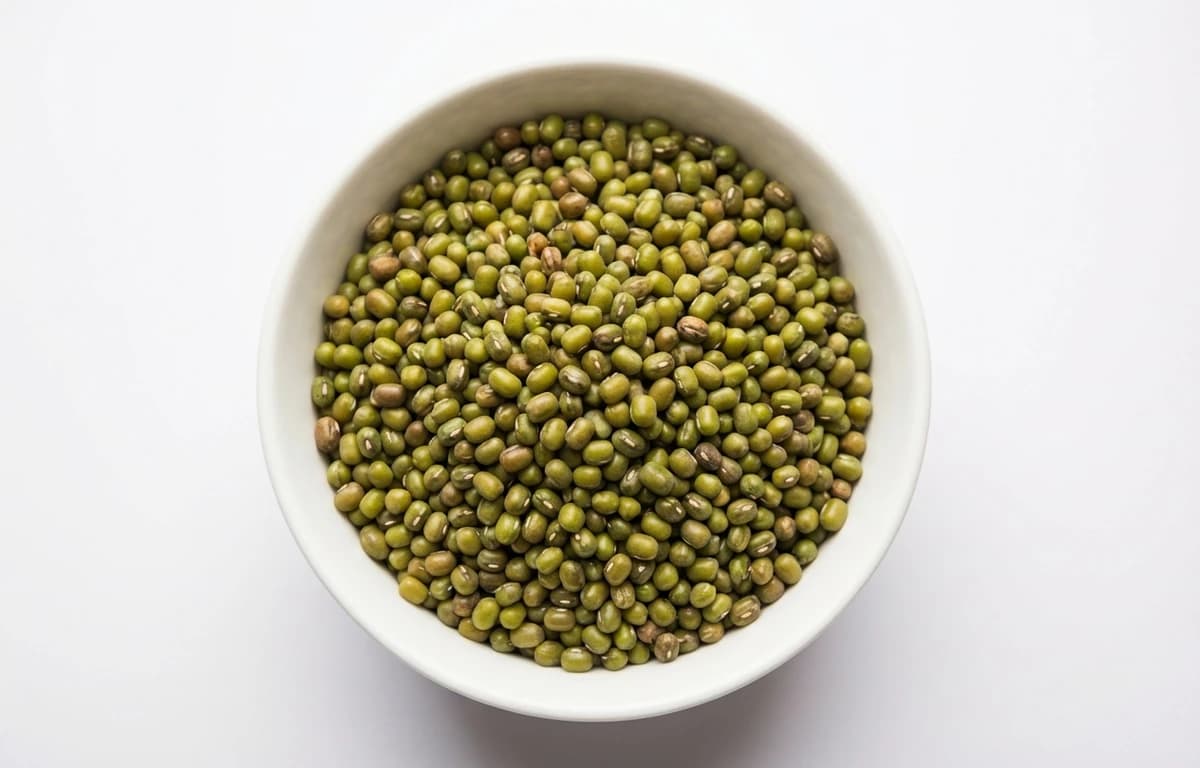
green gram
Also known as: mung bean, cherupayar, mung dal
Loading...
Also known as: mung bean, cherupayar, mung dal
Per 100g
Nutrition data source: USDA FoodData Central
Common measurement equivalents in grams
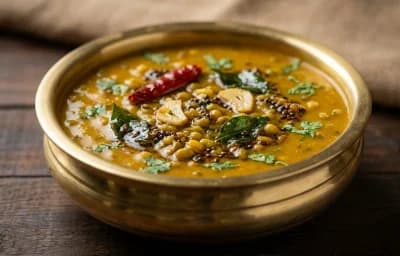
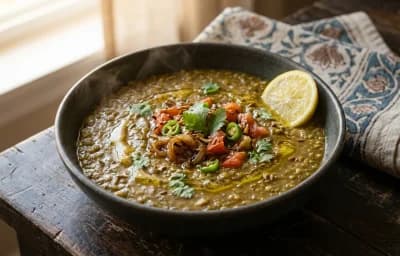
A creamy and aromatic green gram curry from Mangalore, made with a freshly ground coconut and spice masala. This wholesome dish is tangy, slightly sweet, and pairs perfectly with rice or dosas.
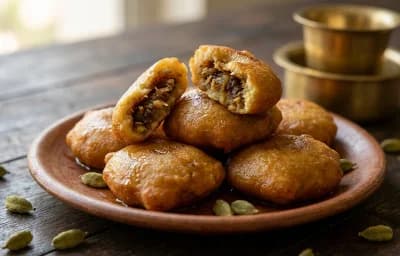
A beloved traditional sweet from Kerala, Sukhiyan features a soft, sweet filling of green gram and jaggery, encased in a crispy, golden-fried rice flour batter. It's the perfect tea-time snack.
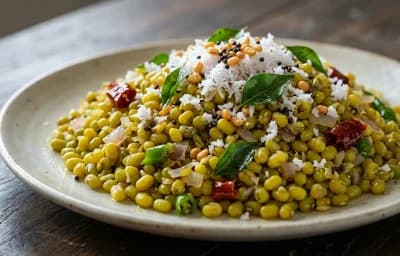
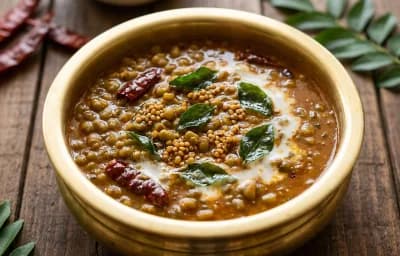
A simple and nutritious Keralan stir-fry made with whole green gram and freshly grated coconut. This wholesome side dish comes together quickly and pairs perfectly with steamed rice and sambar for a comforting South Indian meal.
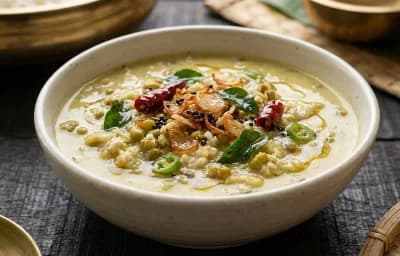
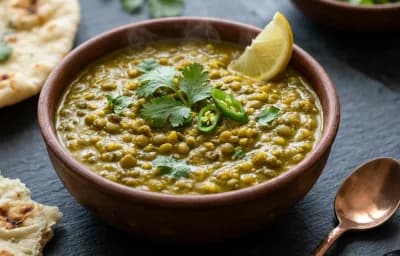
A wholesome and comforting green gram curry from Kerala, made with a creamy coconut paste and an aromatic tempering of coconut oil and spices. This traditional dish pairs beautifully with rice, puttu, or chapati for a simple, nutritious meal.
Yes, green gram is highly nutritious. It's an excellent source of plant-based protein, dietary fiber, and essential micronutrients like folate, magnesium, and B vitamins. Its antioxidant content also contributes to overall health.
Per 100g, green gram contains approximately 347 calories and 23.86g of protein. It's a significant source of plant-based protein, making it a valuable food for vegetarians and vegans.
Yes, green gram can be beneficial for weight loss. Its high protein and fiber content promotes satiety, helping you feel full longer and reducing overall calorie intake. The fiber also aids in healthy digestion.
Yes, green gram is naturally gluten-free, making it suitable for individuals with celiac disease or gluten sensitivity. It is also a plant-based legume, making it entirely vegan.
Yes, green gram is generally considered good for diabetics. Its high fiber content and low glycemic index help manage blood sugar levels and improve insulin response. However, portion control is still important.
Green gram can be cooked similarly to other lentils. After rinsing, it can be boiled in water or broth until tender, which usually takes 20-30 minutes for whole green gram or less for split (moong dal). It's often used in soups, stews, curries, and salads.
While not strictly necessary, soaking whole green gram for 4-8 hours can significantly reduce cooking time and improve digestibility. Split green gram (moong dal) usually cooks quickly without soaking.
green gram is a versatile ingredient found in cuisines around the world. With 347 calories per 100g and 23.86 grams of protein, it's a nutritious addition to many dishes.
Explore more ingredients in the protein category with complete nutrition information.
View all protein →Green gram has a mild, slightly sweet, and earthy flavor. It readily absorbs the flavors of spices and other ingredients it's cooked with, making it versatile in various cuisines.
Uncooked green gram should be stored in an airtight container in a cool, dry, and dark place, away from direct sunlight and moisture. Properly stored, it can last for up to a year or even longer.
No, green gram is not considered low-carb or keto-friendly. With approximately 62.62g of carbohydrates per 100g, it is a significant source of complex carbohydrates and would not fit into a strict ketogenic diet.