kadle
Also known as:
Loading...
Also known as:
Per 100g
Nutrition data source: USDA FoodData Central
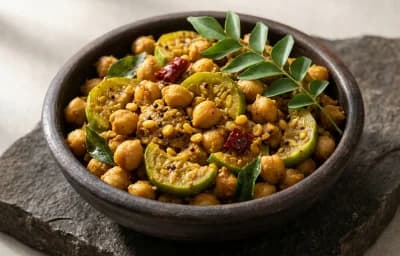
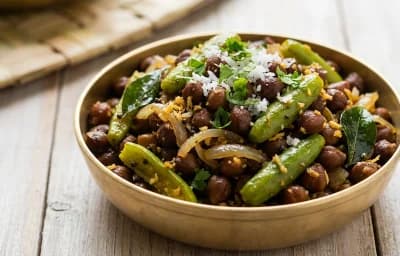
A traditional Mangalorean dry curry featuring tender ivy gourd and hearty black chickpeas tossed in a fragrant, freshly roasted coconut and spice masala. A perfect side dish that brings coastal Karnataka flavors to your table.
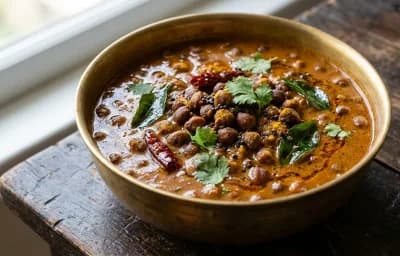
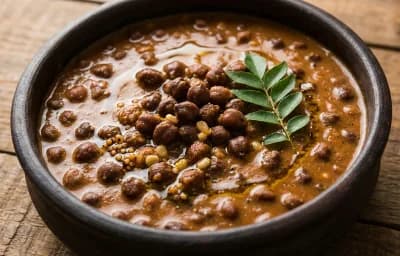
A classic Mangalorean curry featuring tender black chickpeas simmered in a fragrant, spicy coconut gravy. The unique blend of roasted spices, tamarind, and a touch of jaggery creates a beautifully balanced and comforting dish.
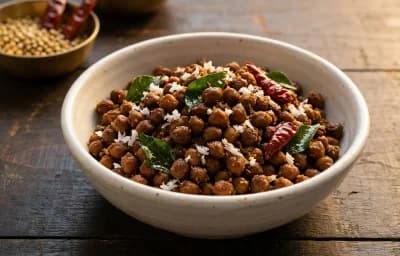
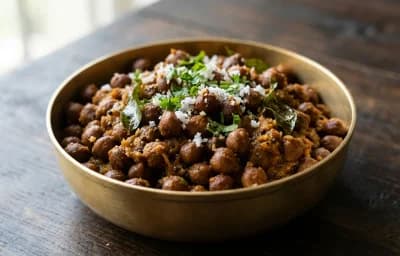
A classic Mangalorean dry curry made with tender black chickpeas tossed in a freshly ground spice mix of coconut and roasted spices. It's aromatic, spicy, and perfectly balanced with a hint of tang and sweetness.
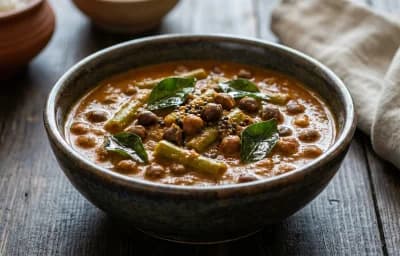
A classic Mangalorean curry featuring tender ivy gourd and black chickpeas simmered in a fragrant, spicy coconut masala. This hearty and tangy dish pairs perfectly with steamed rice or neer dosa.
Yes, kadle is very healthy. As a legume, it's packed with plant-based protein, dietary fiber, and essential minerals like iron, folate, and manganese. These nutrients support digestion, energy levels, and overall well-being, contributing to satiety and aiding in weight management.
Per 100g (dried), kadle provides approximately 364 calories, 19.3g of protein, 60.65g of carbohydrates, and 6.04g of fat. It's particularly rich in fiber, which aids digestion and promotes satiety, and offers minerals vital for energy production, bone health, and heart health.
Yes, kadle can be beneficial for weight loss. Its high fiber and protein content help you feel full longer, reducing overall calorie intake. The sustained energy release also helps manage hunger and cravings effectively, making it a valuable addition to a weight management diet.
Yes, kadle is naturally gluten-free. It is a legume and does not contain wheat, barley, or rye, making it a safe and nutritious option for individuals with celiac disease or gluten sensitivity.
Yes, kadle is 100% vegan. It is a plant-based legume, making it an excellent source of protein and nutrients for those following a vegan or vegetarian diet.
Yes, kadle is generally good for diabetics. Its high fiber content and low glycemic index help regulate blood sugar levels by slowing down glucose absorption. However, portion control is still important, and it should be incorporated as part of a balanced diet.
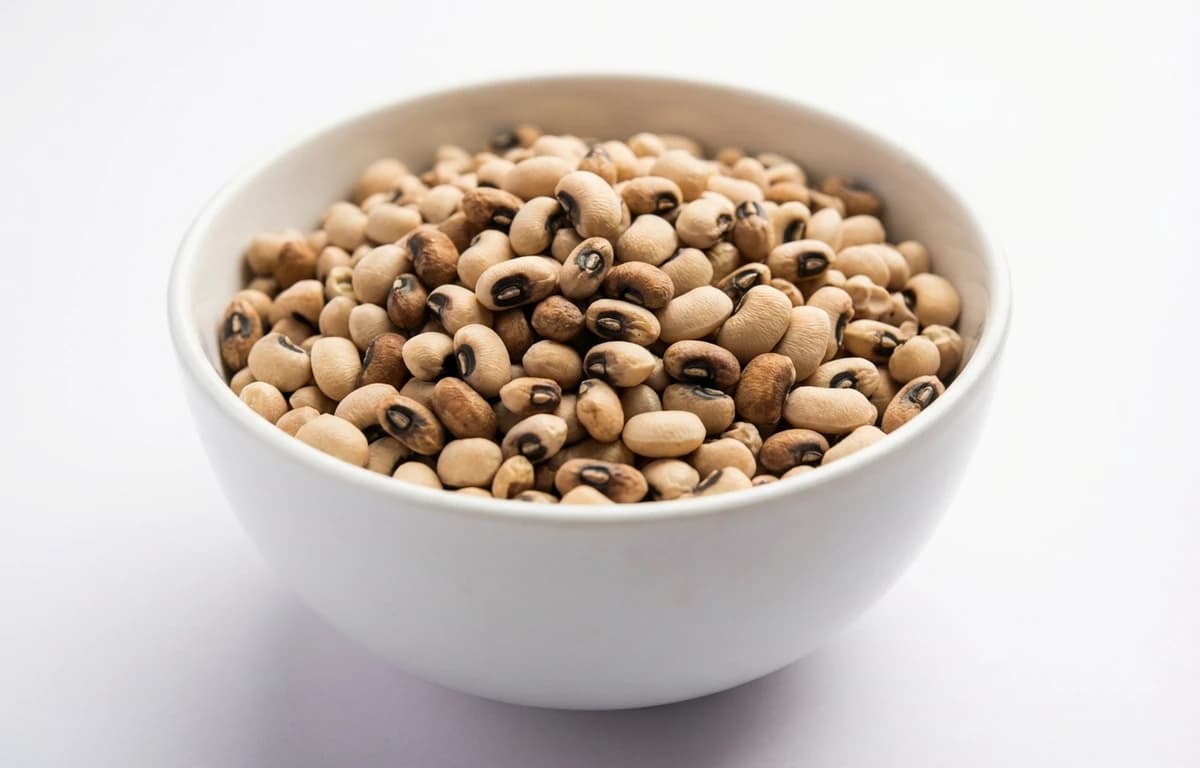
Dried kadle typically requires soaking overnight (8-12 hours) before cooking. After soaking, drain and rinse, then boil in fresh water until tender, usually 45-90 minutes depending on the variety and age. A pressure cooker can significantly reduce cooking time.
kadle is a versatile ingredient found in cuisines around the world. With 364 calories per 100g and 19.3 grams of protein, it's a nutritious addition to many dishes.
Explore more ingredients in the legume category with complete nutrition information.
View all legume →Kadle has a mild, nutty, and slightly earthy flavor with a firm yet creamy texture when cooked. Its versatile taste makes it suitable for absorbing flavors from spices and other ingredients in various savory dishes.
Dried kadle should be stored in an airtight container in a cool, dark, and dry place, away from direct sunlight and moisture. When stored properly, it can last for up to 1-2 years. Cooked kadle should be refrigerated and consumed within 3-4 days.
No, kadle is generally not considered keto-friendly due to its high carbohydrate content. While it offers beneficial fiber, the net carbs per serving are typically too high to fit within a strict ketogenic diet.