Condiment10 recipes
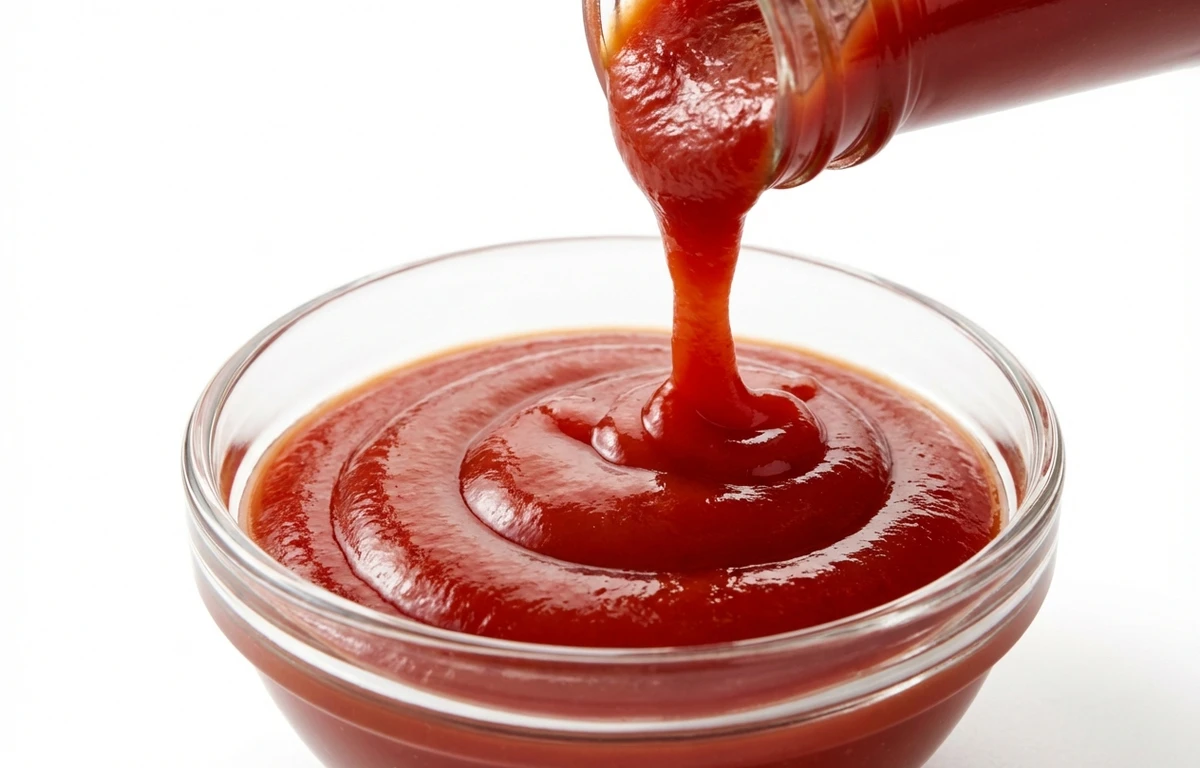
ketchup.
VegetarianVeganGluten-freeDairy-freeNut-freePeanut-freeSoy-freeEgg-freeShellfish-freeHoney-freeAlcohol-free
SERVING
CALORIES
101
PROTEIN
1.7g
CARBS
27.4g
FAT
0.10g
FIBER
0.30g
NUTRITION PROFILE · per 100 g
Everything in this ingredient.
MACRONUTRIENTS
Calories101kcal—
Protein1.7g3%
Carbohydrates27.4g10%
Fiber0.30g1%
Sugar23.6g47%
Total fat0.10g0%
Saturated fat0.02g0%
Trans fat0g—
Cholesterol0mg0%
Water68.3g—
MINERALS
Sodium907mg39%
Potassium342mg7%
Calcium18mg1%
Iron0.40mg2%
Magnesium12mg3%
Phosphorus34mg3%
Zinc0.20mg2%
Copper0.10mg11%
Manganese0.10mg4%
Selenium0.40µg1%
VITAMINS
Vitamin A41µg5%
Vitamin C15.1mg17%
Vitamin D0µg0%
Vitamin E1.4mg9%
Vitamin K2.8µg2%
Thiamin (B1)0.01mg1%
Riboflavin (B2)0.04mg3%
Niacin (B3)0.90mg6%
Pantothenic acid (B5)0.10mg2%
Vitamin B60.10mg6%
Folate (B9)9.0µg2%
Vitamin B120µg0%
%DV based on a 2,000 cal diet. Source: USDA FoodData Central. A dash in the %DV column means there’s no established Daily Value for that nutrient.
MEASUREMENT CONVERSIONS
How much is what.
1 cup275g
1 tablespoon17.2g
1 teaspoon5.7g
1 oz28.4g
1 lb453.6g
1 ml1.2g
1 liter1150g
HEALTH BENEFITS
Why eat it.
- ✓Contains lycopene, a powerful antioxidant
- ✓Low in fat compared to many other condiments
- ✓Provides a small amount of Vitamin C and A
- ✓May help lower LDL cholesterol due to tomato content
- ✓Contains no cholesterol
COOKING TIPS
In the kitchen.
- 1Use as a base for homemade BBQ sauces or glazes
- 2Add to stir-fries or sweet and sour dishes for tanginess
- 3Mix with mayonnaise to create a simple Russian or Thousand Island dressing
STORAGE
Keep it fresh.
- Store in a cool, dry place before opening
- Refrigerate after opening to maintain flavor and quality
- Keep the cap tightly sealed to prevent drying out
FAQ
Frequently asked questions.
How long does ketchup last after opening?
Ketchup typically lasts about 6 months in the refrigerator after opening for the best quality.
Does ketchup need to be refrigerated?
While its high acidity makes it shelf-stable, refrigeration is recommended after opening to preserve color, flavor, and texture.
Is ketchup gluten-free?
Most commercial ketchups are gluten-free, but always check the label for distilled vinegar sources or thickeners if you have a severe allergy.
What can I use as a substitute for ketchup?
A mix of tomato paste, vinegar, and sugar (or honey) is the best substitute. Use a 1:1 ratio of tomato paste to the other ingredients.
Why is ketchup so high in sugar?
Sugar is used to balance the high acidity of the tomatoes and vinegar, and it also acts as a preservative.
Can I freeze ketchup?
Freezing is not recommended as it can cause the ingredients to separate and ruin the smooth texture.
Is ketchup vegan?
Most standard ketchups are vegan. However, some brands use bone char to refine their sugar; strict vegans should look for organic or certified vegan brands.
What is the main antioxidant in ketchup?
Lycopene is the primary antioxidant, which is more easily absorbed by the body from processed tomato products like ketchup than from raw tomatoes.
RECIPES
Cook with ketchup.
10 recipes · sorted by what’s quick
.webp)