Other10 recipes
kimchi.
VegetarianVeganGluten-freeDairy-freeNut-freePeanut-freeSoy-freeEgg-freeShellfish-freeHoney-freeAlcohol-freeHalalKosherFermented
ALSO KNOWN AS
baechu-kimchifermented cabbagekorean pickled cabbagegimchikimchee
SERVING
CALORIES
15
PROTEIN
1.1g
CARBS
2.4g
FAT
0.50g
FIBER
1.6g
This ingredient is flagged as naturally gluten-free. Per 100 g, it provides 43 µg of vitamin K.
NUTRITION PROFILE · per 100 g
Everything in this ingredient.
MACRONUTRIENTS
Calories15kcal—
Protein1.1g2%
Carbohydrates2.4g1%
Fiber1.6g6%
Sugar1.1g2%
Total fat0.50g1%
Saturated fat0.10g1%
Trans fat0g—
Cholesterol0mg0%
Water94g—
MINERALS
Sodium498mg22%
Potassium151mg3%
Calcium33mg3%
Iron1.5mg8%
Magnesium14mg3%
Phosphorus24mg2%
Zinc0.20mg2%
Copper0.05mg6%
Manganese0.10mg4%
Selenium0.50µg1%
VITAMINS
Vitamin A25µg3%
Vitamin C18mg20%
Vitamin D0µg0%
Vitamin E0.10mg1%
Vitamin K43µg36%
Thiamin (B1)0.05mg4%
Riboflavin (B2)0.02mg2%
Niacin (B3)0.30mg2%
Pantothenic acid (B5)0.10mg2%
Vitamin B60.20mg12%
Folate (B9)52µg13%
Vitamin B120µg0%
%DV based on a 2,000 cal diet. Source: USDA FoodData Central. A dash in the %DV column means there’s no established Daily Value for that nutrient.
MEASUREMENT CONVERSIONS
How much is what.
1 cup150g
1 tablespoon15g
1 teaspoon5g
1 oz28.4g
1 lb453.6g
HEALTH BENEFITS
Why eat it.
- ✓Rich in probiotics that support gut health and digestion
- ✓Contains high levels of Vitamin K and Vitamin C
- ✓Low in calories and high in dietary fiber
COOKING TIPS
In the kitchen.
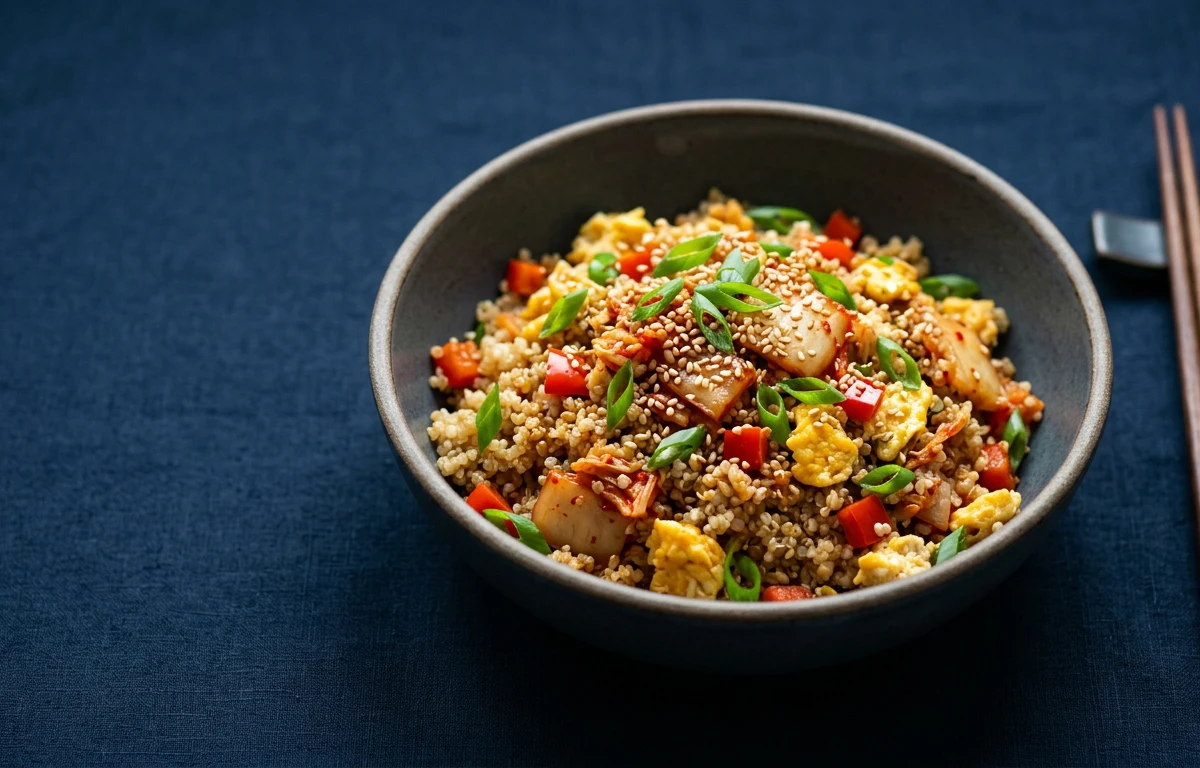
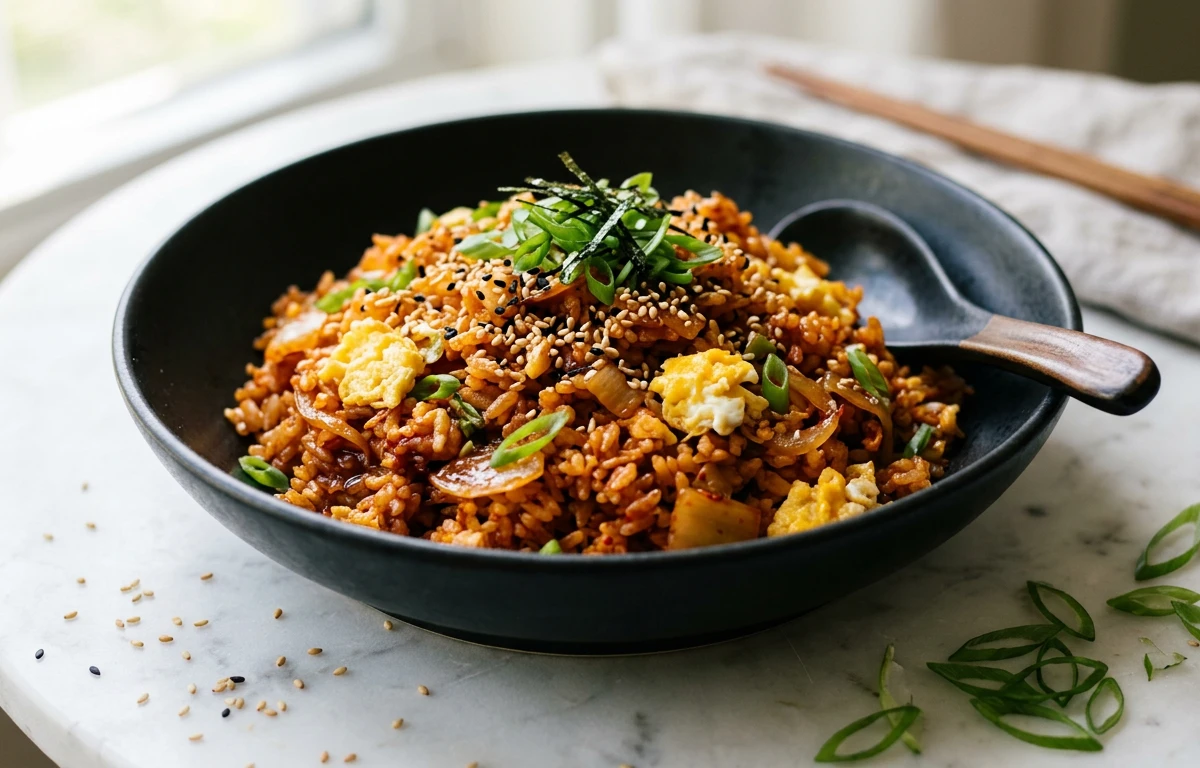
- 1Use older, more sour kimchi for stews (Kimchi-jjigae) and fried rice
- 2Do not rinse kimchi before use as you will lose the flavor and probiotics
- 3Add kimchi at the end of cooking if you want to preserve some probiotic benefits
STORAGE
Keep it fresh.
- Keep refrigerated at all times in an airtight glass container
- Ensure the cabbage is submerged in its brine to prevent mold growth
- Use clean, dry utensils to scoop kimchi to avoid cross-contamination
FAQ
Frequently asked questions.
How long does kimchi last in the fridge?
Kimchi can last for 3 to 6 months in the refrigerator. It continues to ferment and will become more sour over time, but it is safe as long as there is no visible mold.
Is all kimchi vegetarian or vegan?
No. Traditional kimchi usually contains fish sauce, salted shrimp, or anchovies. Look for labels specifically marked 'vegan' if you avoid animal products.
Can I freeze kimchi?
Freezing is not recommended as it destroys the crunchy texture of the vegetables and may kill the beneficial live probiotics.
How can I tell if kimchi has gone bad?
Signs of spoilage include visible mold (white, fuzzy spots), an unusually foul or 'off' smell (different from its natural pungency), or if the vegetables have become excessively slimy.
What is a good substitute for kimchi?
Sauerkraut mixed with red chili flakes and a bit of garlic is the closest substitute, though the flavor profile is more acidic and less complex.
Why is my kimchi bubbling?
Bubbling is a natural sign of active fermentation. Carbon dioxide is produced by the lactic acid bacteria, which is a sign of healthy, live kimchi.
Is kimchi high in sodium?
Yes, kimchi is relatively high in sodium due to the salt used to brine the cabbage. It should be consumed in moderation if you are on a low-sodium diet.
What are the best ways to eat kimchi?
It is commonly served as a side dish (banchan), but it is also excellent in fried rice, pancakes (kimchijeon), stews, and even as a topping for burgers or tacos.
RECIPES
Cook with kimchi.
10 recipes · sorted by what’s quick