Oil10 recipes
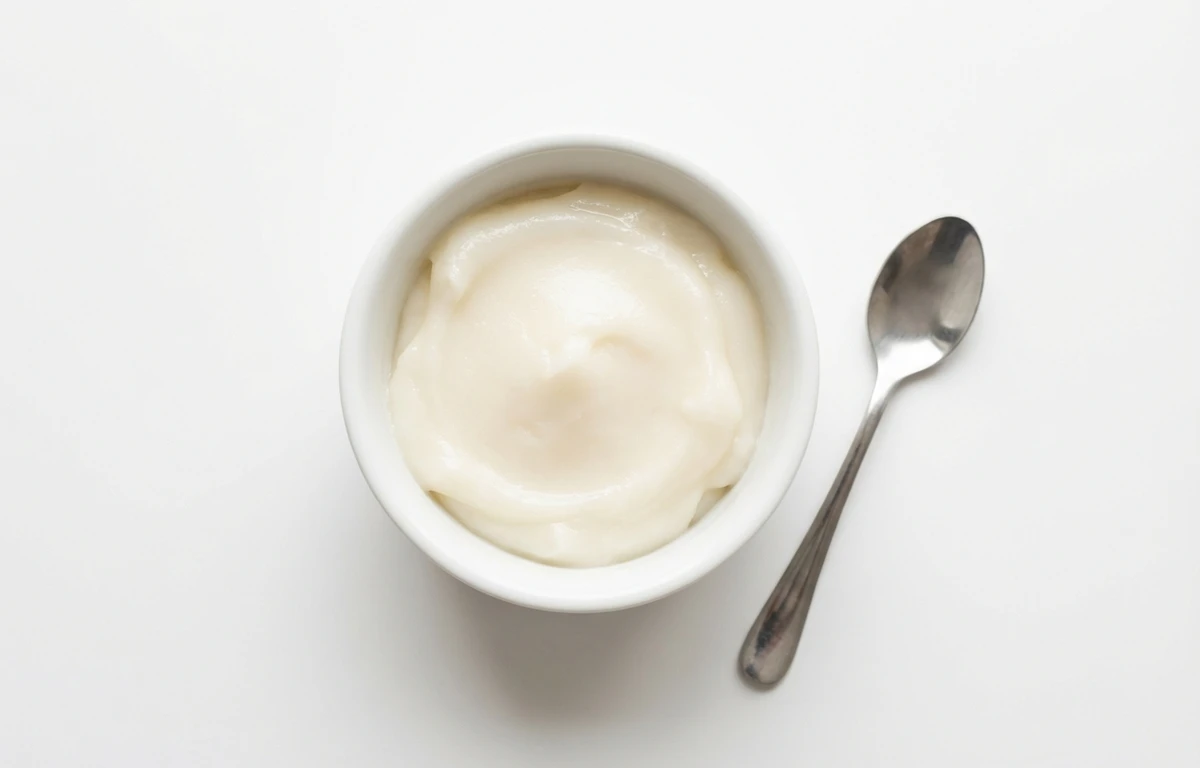
lard.
VegetarianVeganGluten-freeDairy-freeNut-freePeanut-freeSoy-freeEgg-freeShellfish-freeHoney-freeAlcohol-freeHalalKosher
ALSO KNOWN AS
pork fat
SERVING
CALORIES
902
PROTEIN
0g
CARBS
0g
FAT
100g
FIBER
0g
This ingredient is flagged as naturally gluten-free. Per 100 g, it provides 0 µg of vitamin K.
NUTRITION PROFILE · per 100 g
Everything in this ingredient.
MACRONUTRIENTS
Calories902kcal—
Protein0g0%
Carbohydrates0g0%
Fiber0g0%
Sugar0g0%
Total fat100g128%
Saturated fat39.2g196%
Cholesterol95mg32%
Water0g—
MINERALS
Sodium0mg0%
Potassium0mg0%
Calcium0mg0%
Iron0mg0%
Magnesium0mg0%
Phosphorus0mg0%
Zinc0.11mg1%
Copper0mg0%
Manganese0mg0%
Selenium0.20µg0%
VITAMINS
Vitamin A0µg0%
Vitamin C0mg0%
Vitamin D2.5µg13%
Vitamin E0.60mg4%
Vitamin K0µg0%
Thiamin (B1)0mg0%
Riboflavin (B2)0mg0%
Niacin (B3)0mg0%
Pantothenic acid (B5)0mg0%
Vitamin B60mg0%
Folate (B9)0µg0%
Vitamin B120µg0%
%DV based on a 2,000 cal diet. Source: USDA FoodData Central. A dash in the %DV column means there’s no established Daily Value for that nutrient.
MEASUREMENT CONVERSIONS
How much is what.
1 cup205g
1 tablespoon13g
1 teaspoon4.3g
1 ml0.9g
1 liter853.3g
HEALTH BENEFITS
Why eat it.
- ✓High in monounsaturated fats, specifically oleic acid, which is associated with heart health benefits when consumed in moderation.
- ✓Stable for high-heat cooking due to its high smoke point (around 375°F or 190°C), minimizing the creation of harmful free radicals compared to less stable oils.
- ✓A natural fat source that, when traditionally rendered, is free from the trans fats found in hydrogenated shortenings.
COOKING TIPS
In the kitchen.
- 1Use in pastry and pie crust recipes to create exceptionally flaky and tender results due to its unique crystalline fat structure.
- 2Ideal for high-heat cooking like frying chicken or searing meats, as its high smoke point prevents burning and smoking.
- 3Incorporate into savory dishes like refried beans, tamales, or roasted vegetables to add a rich, umami flavor and moisture.
- 4When substituting for butter in baking, use about 20% less lard by weight, as it is 100% fat whereas butter is about 80% fat.
STORAGE
Keep it fresh.
- Store in an airtight container in the refrigerator for up to one year to prevent oxidation and rancidity.
- For long-term storage (over a year), freeze lard in blocks or cubes; it will remain stable and usable for several years.
FAQ
Frequently asked questions.
What are the nutritional facts for lard?
Per 100 grams, lard contains approximately 902 calories and 100 grams of fat. It contains no protein or carbohydrates. Its fat composition includes a mix of saturated, monounsaturated, and polyunsaturated fats.
Is lard vegan or vegetarian?
No, lard is neither vegan nor vegetarian. It is rendered pork fat, meaning it is an animal product derived from pigs. Vegetarians and vegans typically avoid all animal fats and by-products.
Is lard gluten-free?
Yes, pure lard is naturally gluten-free. It is simply rendered animal fat and does not contain any wheat, barley, rye, or other gluten-containing ingredients. Always check labels if purchasing processed lard to ensure no additives have been included.
Is lard keto-friendly?
Yes, lard is very keto-friendly. It is 100% fat with zero carbohydrates and zero protein, making it an excellent fat source for those following a ketogenic diet. It can be used for cooking or as an added fat to increase caloric intake on a keto regimen.
How do you cook with lard?
Lard is excellent for high-heat cooking due to its high smoke point of around 375°F (190°C), making it suitable for frying, sautéing, and roasting. It also imparts a flaky texture to baked goods like pie crusts and biscuits. Its neutral to slightly savory flavor enhances many dishes.
What does lard taste like?
High-quality, well-rendered lard has a relatively neutral flavor, often described as clean or subtly savory, with a hint of pork. It adds richness and depth to food without overpowering other flavors. This makes it versatile for both savory and some sweet applications.
How do you store lard?
Unrendered or freshly rendered lard should be stored in an airtight container in the refrigerator, where it can last for several months. For longer storage, lard can be frozen for up to a year. Commercially processed lard often has a longer shelf life at room temperature before opening, but refrigeration is recommended after opening.
What is the smoke point of lard?
The smoke point of lard is relatively high, typically around 375°F (190°C). This makes it a stable fat suitable for various cooking methods, including deep-frying, pan-frying, and roasting, as it resists breaking down at higher temperatures compared to some other oils.
RECIPES
Cook with lard.
10 recipes · sorted by what’s quick