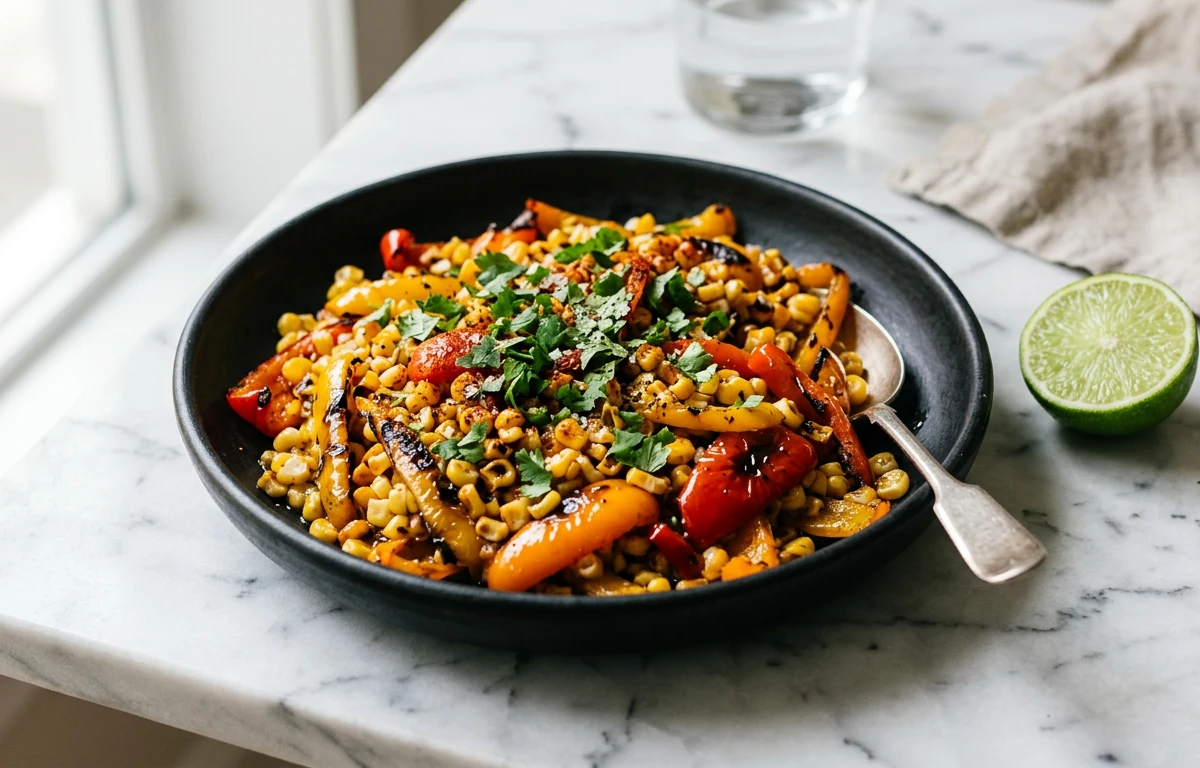
Condiment10 recipes
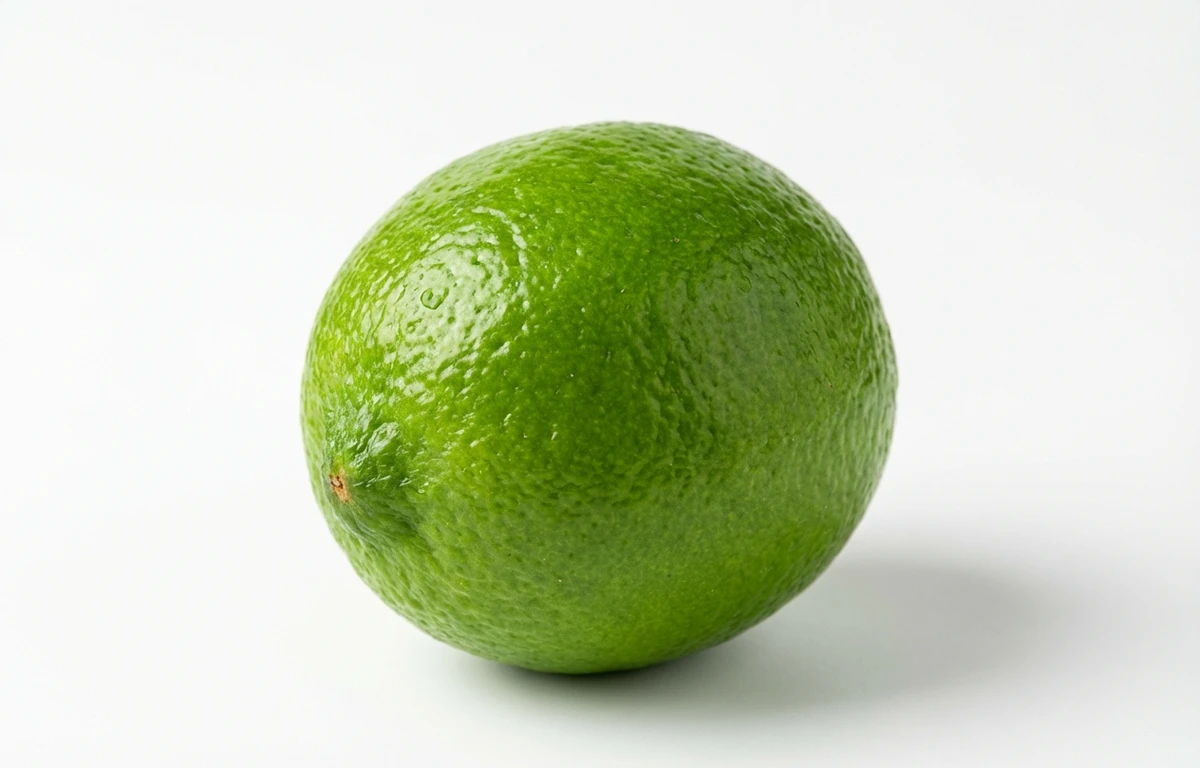
lime.
VegetarianVeganGluten-freeDairy-freeNut-freePeanut-freeSoy-freeEgg-freeShellfish-freeHoney-freeAlcohol-freeHalalKosher
ALSO KNOWN AS
limoneslimesraw limenimbu
SERVING
CALORIES
47
PROTEIN
0.70g
CARBS
10.5g
FAT
0.20g
FIBER
2.8g
NUTRITION PROFILE · per 100 g
Everything in this ingredient.
MACRONUTRIENTS
Calories47kcal—
Protein0.70g1%
Carbohydrates10.5g4%
Fiber2.8g10%
Sugar1.7g3%
Total fat0.20g0%
Saturated fat0.02g0%
Trans fat0g—
Cholesterol0mg0%
Water88.3g—
MINERALS
Sodium2.0mg0%
Potassium102mg2%
Calcium33mg3%
Iron0.60mg3%
Magnesium6.0mg1%
Phosphorus18mg1%
Zinc0.11mg1%
Copper0.06mg7%
Manganese0.01mg0%
Selenium0.40µg1%
VITAMINS
Vitamin A2.0µg0%
Vitamin C29.1mg32%
Vitamin D0µg0%
Vitamin E0.22mg1%
Vitamin K0.60µg1%
Thiamin (B1)0.03mg3%
Riboflavin (B2)0.02mg2%
Niacin (B3)0.20mg1%
Pantothenic acid (B5)0.22mg4%
Vitamin B60.04mg2%
Folate (B9)8.0µg2%
Vitamin B120µg0%
%DV based on a 2,000 cal diet. Source: USDA FoodData Central. A dash in the %DV column means there’s no established Daily Value for that nutrient.
MEASUREMENT CONVERSIONS
How much is what.
1 cup212g
1 tablespoon15g
1 teaspoon5g
1 oz28.4g
1 lb453.6g
1 liter1000g
1 piece67g
HEALTH BENEFITS
Why eat it.
- ✓High in Vitamin C which supports immune function
- ✓Contains antioxidants that protect cells from damage
- ✓Citric acid may help prevent kidney stones
- ✓Improves iron absorption from plant-based foods
- ✓Promotes healthy skin through collagen production
COOKING TIPS
In the kitchen.
- 1Roll the lime on a counter with firm pressure before squeezing to get more juice
- 2Use lime zest to add intense citrus aroma without the acidity of the juice
- 3Add lime juice at the end of cooking to preserve its bright, fresh flavor
STORAGE
Keep it fresh.
- Store at room temperature for up to one week
- Refrigerate in a sealed plastic bag to keep fresh for up to a month
- Freeze lime juice in ice cube trays for long-term use
FAQ
Frequently asked questions.
How long do limes last in the refrigerator?
Limes can last up to 3-4 weeks in the refrigerator if stored in a sealed plastic bag to prevent dehydration.
How can I tell if a lime is juicy?
Look for limes that feel heavy for their size and have thin, smooth skin. Avoid limes that are hard or have very thick, bumpy rinds.
What is a good substitute for lime?
Lemon juice is the best substitute, though it is slightly less acidic. For specific recipes, calamansi or a small amount of white vinegar can work.
Can you freeze whole limes?
Yes, you can freeze whole limes, but they will become mushy upon thawing. They are best used for juice after freezing.
Is lime zest edible?
Yes, the green outer layer (zest) is highly aromatic and edible. Avoid the white pith underneath, as it is very bitter.
Are limes acidic or alkaline?
Limes are acidic in their natural state (low pH), but they have an alkalizing effect on the body once metabolized.
How do I get the most juice out of a lime?
Microwave the lime for 10-15 seconds or roll it firmly on the counter before cutting and squeezing.
What is the difference between a lime and a lemon?
Limes are generally smaller, green, and more acidic with a slightly bitter undertone, while lemons are larger, yellow, and slightly sweeter.