Dairy10 recipes
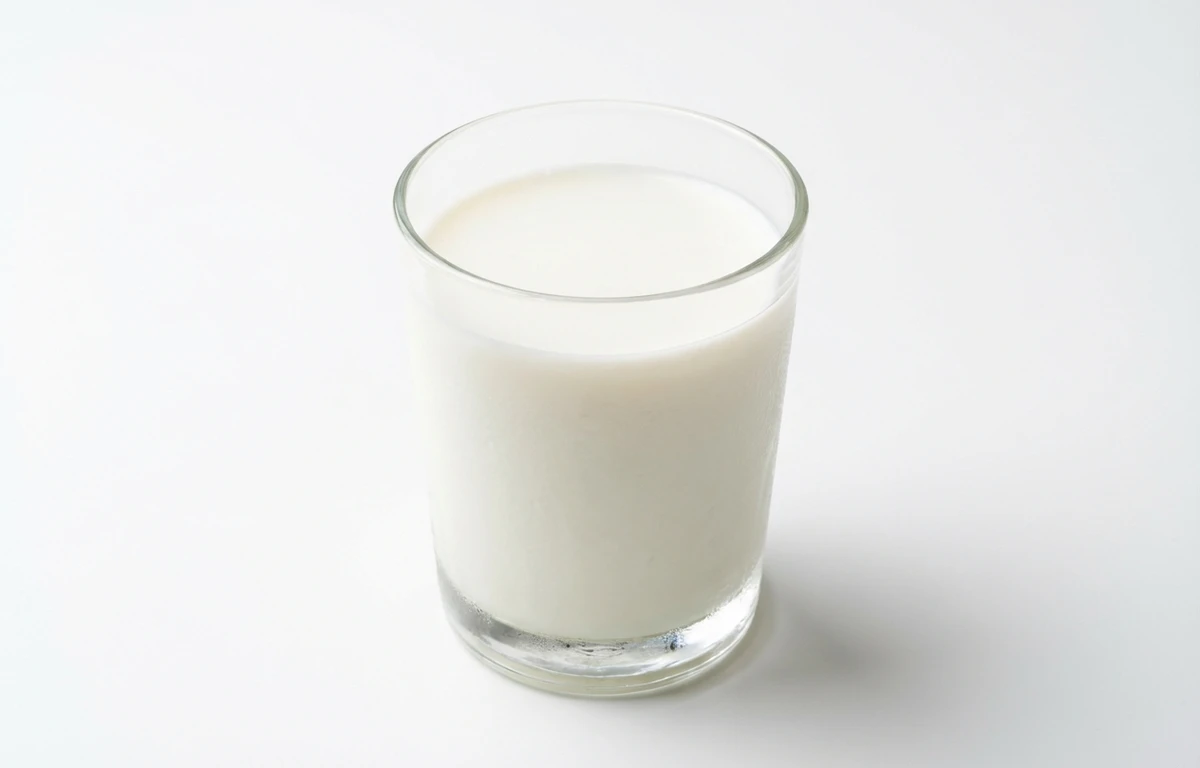
milk.
VegetarianVeganGluten-freeDairy-freeNut-freePeanut-freeSoy-freeEgg-freeShellfish-freeHoney-freeAlcohol-free
ALSO KNOWN AS
cow's milkwhole milkdoodhfull-fat milkfull cream milkregular milkदूध
SERVING
CALORIES
61
PROTEIN
3.2g
CARBS
4.8g
FAT
3.3g
FIBER
0g
This ingredient is flagged as naturally gluten-free. Per 100 g, it provides 1.0 µg of vitamin K.
NUTRITION PROFILE · per 100 g
Everything in this ingredient.
MACRONUTRIENTS
Calories61kcal—
Protein3.2g6%
Carbohydrates4.8g2%
Fiber0g0%
Sugar4.8g10%
Total fat3.3g4%
Saturated fat2.1g11%
Trans fat0g—
Cholesterol10mg3%
Water88.1g—
MINERALS
Sodium43mg2%
Potassium150mg3%
Calcium113mg9%
Iron0.03mg0%
Magnesium10mg2%
Phosphorus84mg7%
Zinc0.37mg3%
VITAMINS
Vitamin A39µg4%
Vitamin C0.80mg1%
Vitamin D1.3µg7%
Vitamin K1.0µg1%
Thiamin (B1)2.0mg167%
Riboflavin (B2)0.18mg14%
Niacin (B3)0.10mg1%
Vitamin B60.04mg2%
%DV based on a 2,000 cal diet. Source: USDA FoodData Central. A dash in the %DV column means there’s no established Daily Value for that nutrient.
MEASUREMENT CONVERSIONS
How much is what.
1 cup244g
1 tablespoon15g
1 teaspoon5.1g
1 ml1g
1 liter1030g
HEALTH BENEFITS
Why eat it.
- ✓Excellent source of calcium and vitamin D, crucial for building and maintaining strong bones and teeth.
- ✓Provides high-quality complete protein (casein and whey) essential for muscle growth, repair, and overall body function.
- ✓Rich in key nutrients like potassium for blood pressure regulation, vitamin B12 for nerve function, and phosphorus for energy metabolism.
COOKING TIPS
In the kitchen.
- 1To prevent scorching when heating, use a heavy-bottomed pot over low to medium heat and stir frequently.
- 2When adding milk to hot mixtures like soups or sauces, temper it by slowly whisking a small amount of the hot liquid into the cold milk before combining.
- 3To prevent a skin from forming on puddings or custards, press plastic wrap directly onto the surface while it cools.
- 4For a richer flavor and texture in baked goods, sauces, and coffee, use whole milk instead of reduced-fat versions.
STORAGE
Keep it fresh.
- Refrigerate promptly at or below 40°F (4°C) and store it on a main shelf, not in the refrigerator door where temperatures fluctuate.
- Keep milk in its original opaque container to prevent light from destroying riboflavin (vitamin B2).
- Once opened, consume within 5-7 days, regardless of the expiration date.
FAQ
Frequently asked questions.
Is milk healthy?
Yes, milk is highly nutritious, providing essential nutrients like calcium and vitamin D for strong bones and teeth. It's also a good source of high-quality protein for muscle health. Milk contains other vital nutrients such as potassium, vitamin B12, and phosphorus, supporting overall body function.
How much protein and calories are in milk?
Per 100g, whole milk contains approximately 61 calories and 3.2g of protein. It also provides 4.8g of carbohydrates and 3.3g of fat. These values can vary slightly depending on the fat content (e.g., skim milk will have fewer calories and less fat).
Is milk lactose-free?
No, regular cow's milk naturally contains lactose, a sugar that some people have difficulty digesting. However, many lactose-free milk options are available, which have the lactase enzyme added to break down the lactose, making them digestible for those with lactose intolerance.
Is milk vegan?
No, milk is not vegan. It is an animal product derived from cows (or other mammals) and is therefore considered a dairy product. Vegans typically consume plant-based alternatives like almond, soy, oat, or rice milk.
What are the best ways to use milk in cooking?
Milk is incredibly versatile in cooking, used in everything from baking and desserts to savory dishes. It's a base for sauces like béchamel, enriches soups and stews, and is essential for creamy dishes, custards, and puddings. It also adds moisture and tenderness to baked goods.
Can I freeze milk?
Yes, you can freeze milk, but its texture may change slightly upon thawing, becoming a bit grainy or separated. It's best to freeze milk in airtight containers, leaving some headspace for expansion. Thawed milk is generally best used for cooking or baking rather than drinking straight.
How long does an open carton of milk typically last?
Once opened, a carton of milk typically lasts about 7-10 days when properly refrigerated. Always check the "best by" or "use by" date on the carton, but rely on your senses for spoilage signs like a sour smell, lumpy texture, or discolored appearance.
.webp)