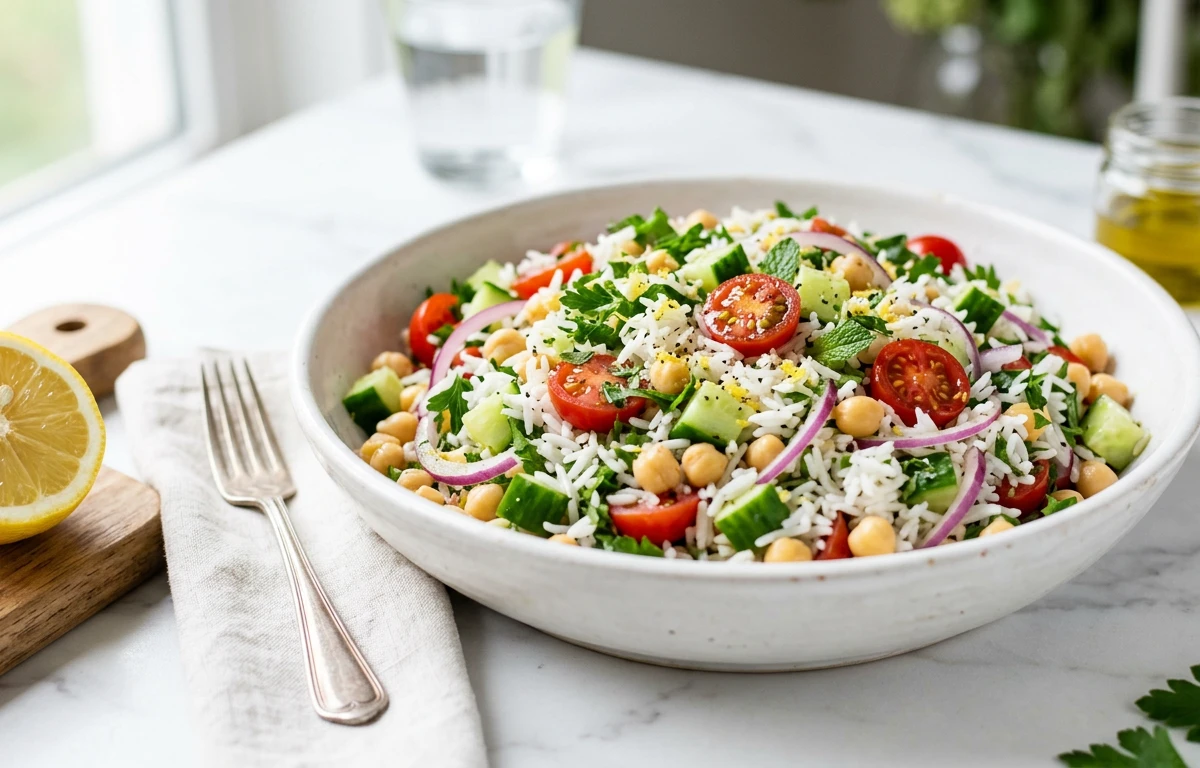
Vegetable10 recipes
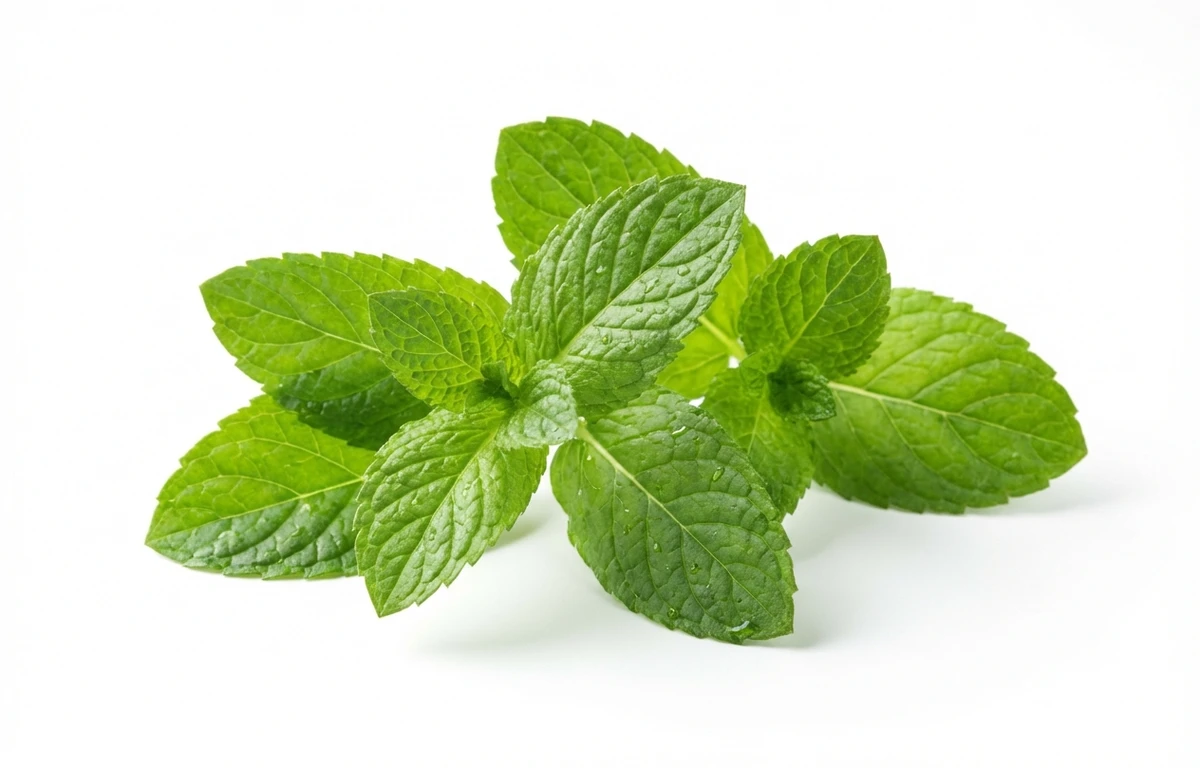
mint.
VegetarianVeganGluten-freeDairy-freeNut-freePeanut-freeSoy-freeEgg-freeShellfish-freeHoney-freeAlcohol-free
ALSO KNOWN AS
mint chutneypudinamenthamintmint leavesfresh mint
SERVING
CALORIES
70
PROTEIN
3.8g
CARBS
14.9g
FAT
0.94g
FIBER
8.0g
NUTRITION PROFILE · per 100 g
Everything in this ingredient.
MACRONUTRIENTS
Calories70kcal—
Protein3.8g8%
Carbohydrates14.9g5%
Fiber8.0g29%
Sugar0g0%
Total fat0.94g1%
Saturated fat0.25g1%
Trans fat0g—
Cholesterol0mg0%
Water78.7g—
MINERALS
Sodium31mg1%
Potassium569mg12%
Calcium243mg19%
Iron5.1mg28%
Magnesium80mg19%
Phosphorus73mg6%
Zinc1.1mg10%
Copper0.33mg37%
Manganese1.2mg51%
Selenium1.0µg2%
VITAMINS
Vitamin A212µg24%
Vitamin C31.8mg35%
Vitamin D0µg0%
Vitamin E0mg0%
Vitamin K0µg0%
Thiamin (B1)0.08mg7%
Riboflavin (B2)0.18mg14%
Niacin (B3)0.95mg6%
Pantothenic acid (B5)0.34mg7%
Vitamin B60.13mg8%
Folate (B9)114µg28%
Vitamin B120µg0%
%DV based on a 2,000 cal diet. Source: USDA FoodData Central. A dash in the %DV column means there’s no established Daily Value for that nutrient.
MEASUREMENT CONVERSIONS
How much is what.
1 cup25g
1 tablespoon1.6g
1 teaspoon0.5g
1 oz28.4g
1 lb453.6g
1 piece2g
HEALTH BENEFITS
Why eat it.
- ✓Aids in digestion and may relieve symptoms of IBS
- ✓Rich in antioxidants that protect against oxidative stress
- ✓May help improve brain function and alertness
- ✓Natural breath freshener with antibacterial properties
- ✓Contains menthol which can help relieve nasal congestion
COOKING TIPS
In the kitchen.
- 1Add fresh mint at the very end of cooking to preserve its delicate flavor and color
- 2Bruise or 'muddle' the leaves slightly before adding to drinks to release essential oils
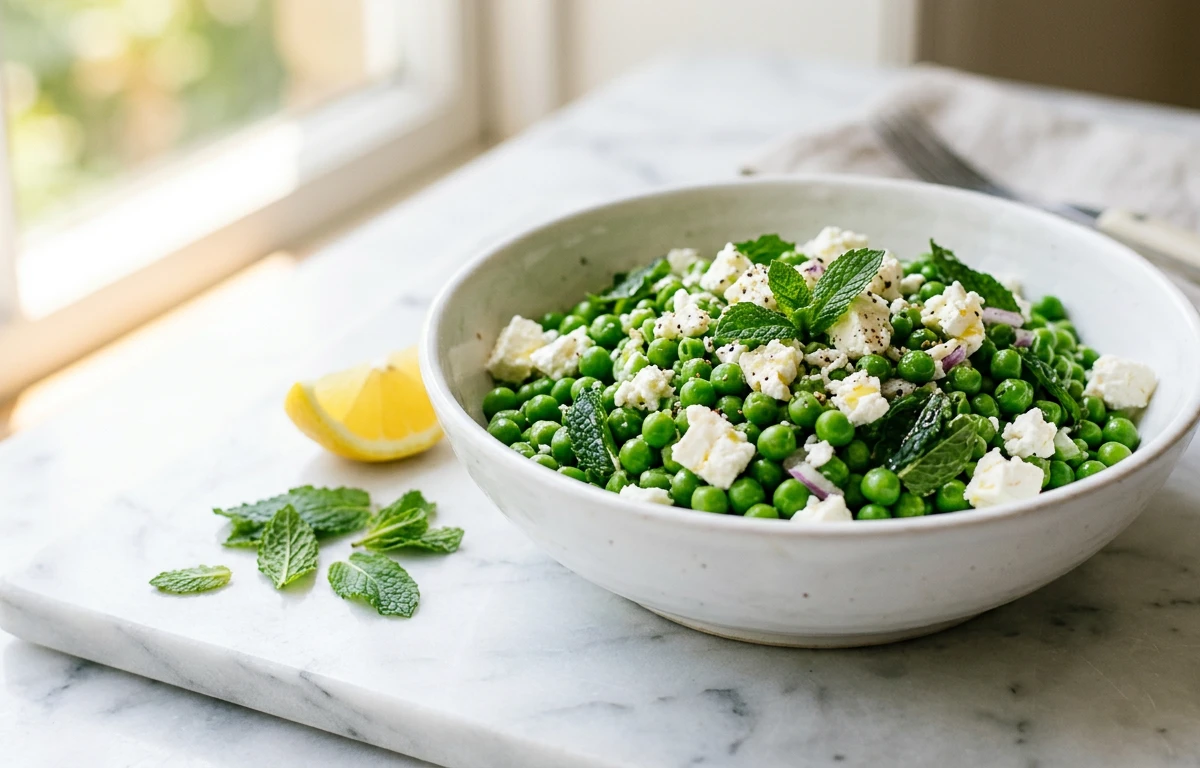
- 3Pairs exceptionally well with peas, lamb, chocolate, and citrus-based dressings
STORAGE
Keep it fresh.
- Wrap fresh stems in a damp paper towel and store in a plastic bag in the fridge
- Place stems in a glass of water like a bouquet and cover loosely with a bag
- Freeze chopped leaves in ice cube trays with a little water for long-term use
FAQ
Frequently asked questions.
How long does fresh mint last in the refrigerator?
When stored properly in a damp paper towel or a glass of water, fresh mint typically lasts 7 to 10 days.
Can I freeze fresh mint leaves?
Yes, you can freeze them in ice cube trays with water or oil, or freeze them flat on a tray before transferring to a bag.
How do I choose the best mint at the store?
Look for bright green, perky leaves without any dark spots, yellowing, or signs of wilting.
What is a good substitute for fresh mint?
Depending on the recipe, fresh basil, parsley, or marjoram can work, though the flavor profile will change significantly.
Do I need to remove the stems before using mint?
For garnishes and salads, use only the leaves. For infusing teas or syrups, the stems can be used as they contain significant flavor.
Is mint high in any specific vitamins?
Mint is particularly high in Vitamin A, which is essential for eye health, and contains a good amount of Iron and Manganese.
Can mint be used in savory dishes?
Absolutely. It is a staple in Middle Eastern and Indian savory dishes like tabbouleh, biryani, and various chutneys.
How do I clean fresh mint?
Submerge the sprigs in a bowl of cold water, swish gently to remove grit, then pat dry thoroughly with a clean towel.
.webp)