Other10 recipes
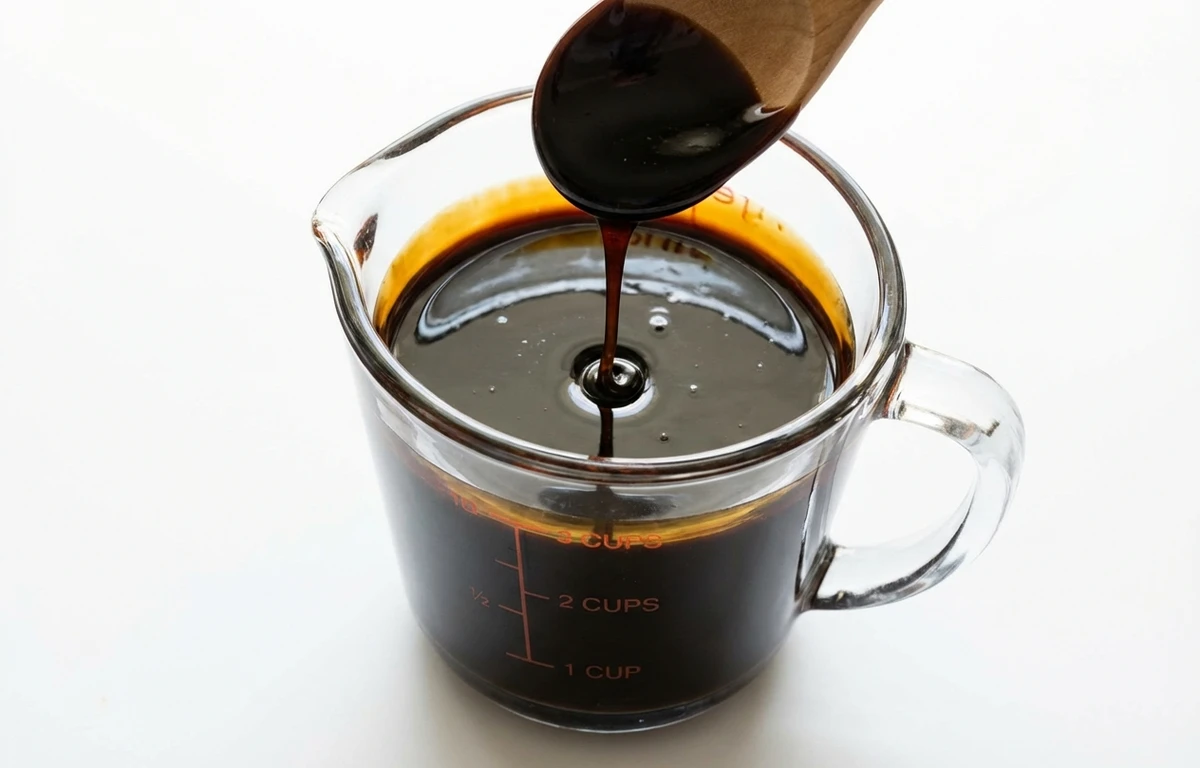
molasses.
VegetarianVeganGluten-freeDairy-freeNut-freePeanut-freeSoy-freeEgg-freeShellfish-freeHoney-freeAlcohol-free
ALSO KNOWN AS
treaclemolassesunsulphured molasses
SERVING
CALORIES
290
PROTEIN
0g
CARBS
74.7g
FAT
0.10g
FIBER
0g
This ingredient is flagged as naturally gluten-free. Per 100 g, it provides 0 µg of vitamin K.
NUTRITION PROFILE · per 100 g
Everything in this ingredient.
MACRONUTRIENTS
Calories290kcal—
Protein0g0%
Carbohydrates74.7g27%
Fiber0g0%
Sugar74.7g149%
Total fat0.10g0%
Saturated fat0.02g0%
Cholesterol0mg0%
Water21.9g—
MINERALS
Sodium37mg2%
Potassium1464mg31%
Calcium205mg16%
Iron4.7mg26%
Magnesium242mg58%
Phosphorus31mg2%
Zinc0.29mg3%
Copper0.49mg54%
Manganese1.5mg67%
Selenium17.8µg32%
VITAMINS
Vitamin A0µg0%
Vitamin C0mg0%
Vitamin D0µg0%
Vitamin E0mg0%
Vitamin K0µg0%
Thiamin (B1)0.04mg3%
Riboflavin (B2)0mg0%
Niacin (B3)0.93mg6%
Pantothenic acid (B5)0.80mg16%
Vitamin B60.67mg39%
Folate (B9)0µg0%
Vitamin B120µg0%
%DV based on a 2,000 cal diet. Source: USDA FoodData Central. A dash in the %DV column means there’s no established Daily Value for that nutrient.
MEASUREMENT CONVERSIONS
How much is what.
1 cup337g
1 tablespoon21g
1 teaspoon7g
1 ml1.4g
1 liter1400g
HEALTH BENEFITS
Why eat it.
- ✓Good source of minerals like iron, calcium, magnesium, and potassium, particularly blackstrap molasses.
COOKING TIPS
In the kitchen.
- 1To measure sticky molasses easily, lightly coat the measuring cup or spoon with neutral oil or cooking spray before filling.
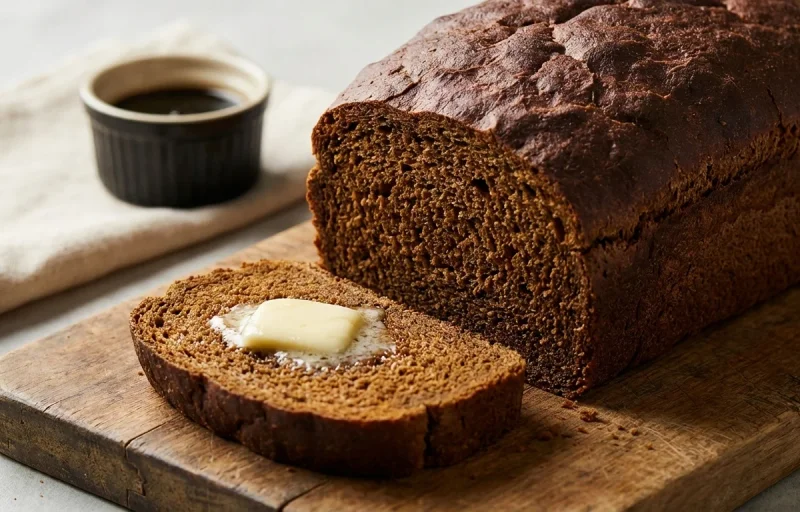
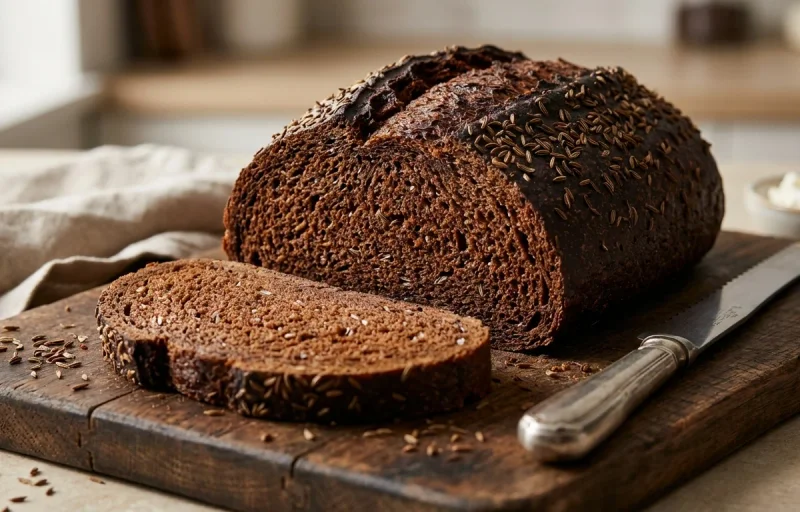
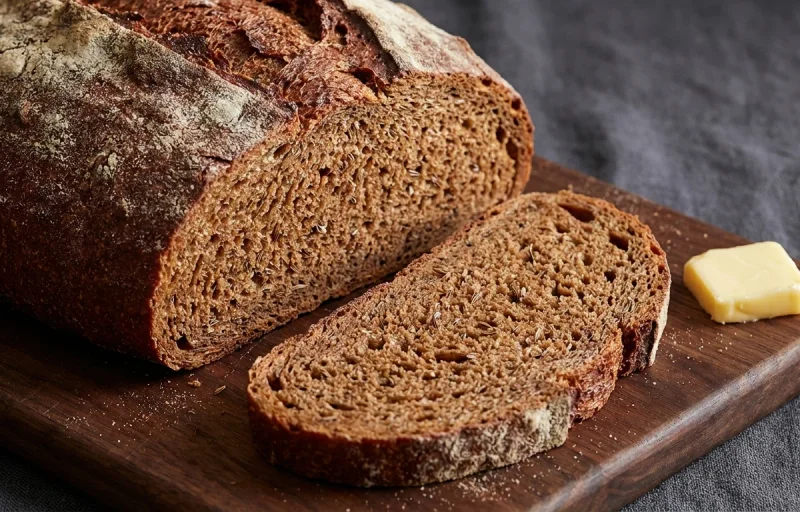
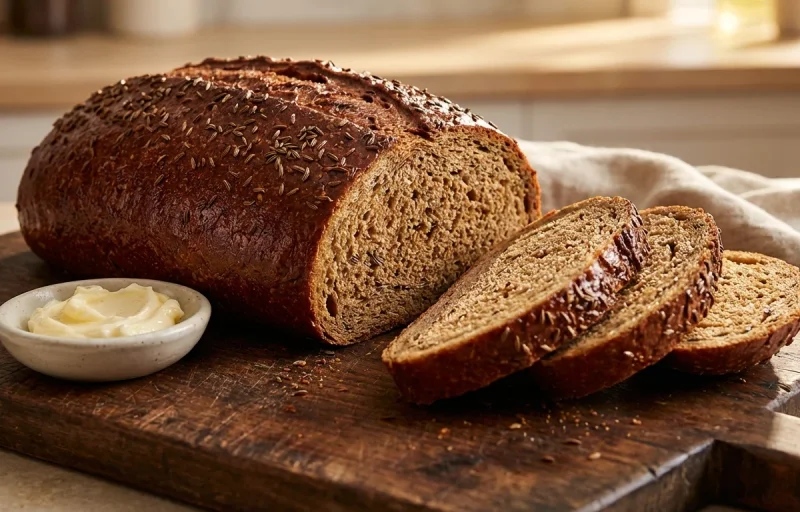
- 2Use as a key ingredient in baked goods like gingerbread, spice cookies, and dark rye bread for moisture, color, and a rich flavor.
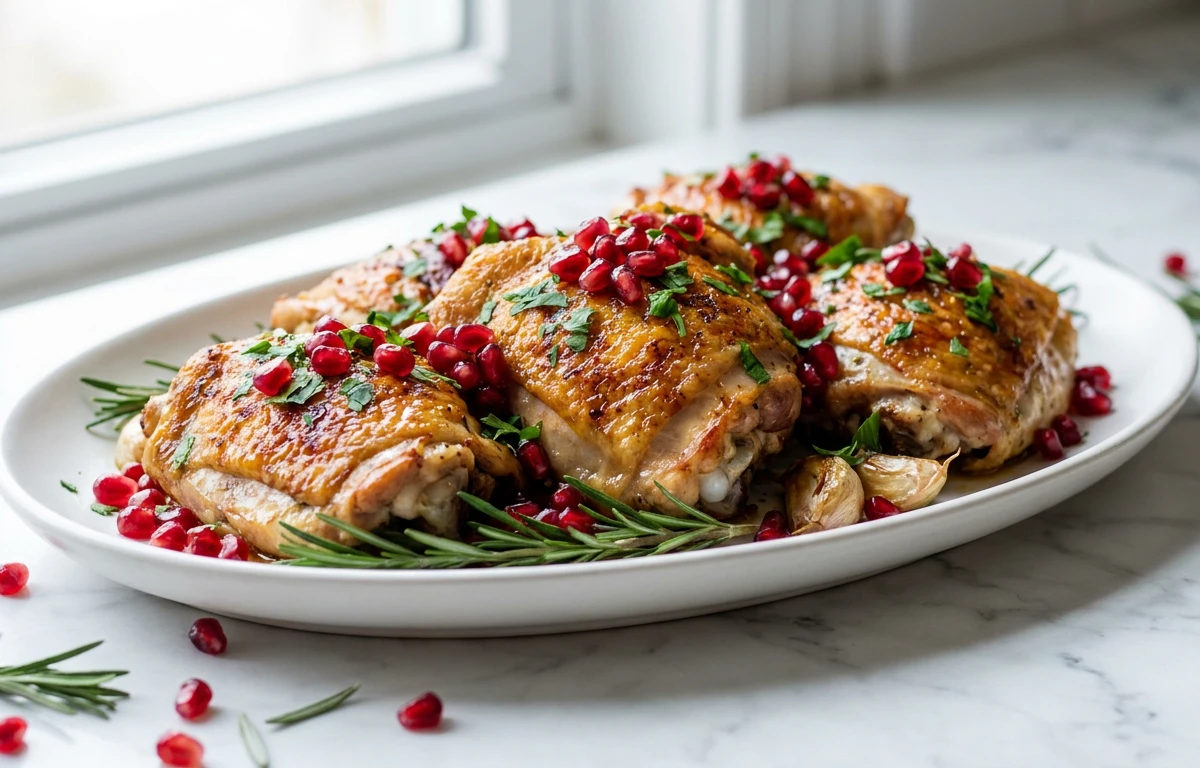
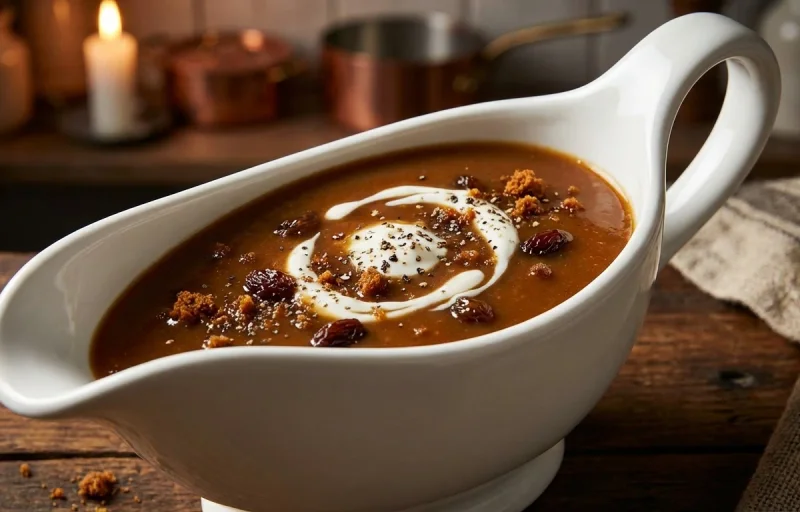
- 3In savory dishes, molasses adds depth and a sweet-tangy flavor to barbecue sauces, baked beans, and glazes for meats like ham or chicken.
- 4If molasses crystallizes, place the sealed container in a bowl of warm water for a few minutes to dissolve the crystals.
STORAGE
Keep it fresh.
- Store in a cool, dark, and dry place like a pantry. Refrigeration is not necessary and can cause it to thicken.
- Keep the lid tightly sealed to prevent crystallization and contamination. It can be stored for several years.
- Wipe the rim of the container after each use to prevent the lid from sticking shut.
FAQ
Frequently asked questions.
How much sugar and calories are in molasses?
Per 100g, molasses contains approximately 290 calories and 74.73g of carbohydrates, which are primarily sugars. Despite its mineral content, it is a concentrated source of sugar and should be consumed in moderation as part of a balanced diet.
Is molasses vegan?
Yes, molasses is generally vegan. It is a byproduct of the sugar refining process, typically made from sugarcane or sugar beets, and does not contain any animal products or byproducts.
What does molasses taste like?
Molasses has a distinct, robust flavor that varies by type. Light molasses is mild and sweet, while dark molasses is richer and more intense. Blackstrap molasses has the strongest, most bitter, and least sweet flavor, often described as robust, slightly smoky, and with a hint of bitterness.
How is molasses used in cooking?
Molasses is a popular sweetener and flavoring agent in baking, especially for gingerbread, cookies, and dark breads, where it adds moisture and a rich color. It's also a key ingredient in barbecue sauces, marinades, and some traditional candies, contributing a unique depth of flavor.
How long does molasses last?
Unopened molasses can last for several years beyond its best-by date if stored properly. Once opened, it typically remains good for at least 1-2 years. While it doesn't spoil easily, its quality, flavor, and consistency may degrade over a longer period.
RECIPES
Cook with molasses.
10 recipes · sorted by what’s quick