legume2 recipes
Moth Dal.
VegetarianVeganGluten-freeDairy-freeNut-freePeanut-freeSoy-freeEgg-freeShellfish-freeHoney-freeAlcohol-free
ALSO KNOWN AS
MatkiTurkish gramDew beanMoth beanVigna aconitifoliaMat bean
SERVING
CALORIES
343
PROTEIN
22.9g
CARBS
61.5g
FAT
1.6g
FIBER
4.0g
NUTRITION PROFILE · per 100 g
Everything in this ingredient.
MACRONUTRIENTS
Calories343kcal—
Protein22.9g46%
Carbohydrates61.5g22%
Fiber4.0g14%
Total fat1.6g2%
Saturated fat0.50g3%
Trans fat0g—
Cholesterol0mg0%
Water9.7g—
MINERALS
Sodium30mg1%
Potassium1191mg25%
Calcium150mg12%
Iron10.9mg61%
Magnesium381mg91%
Phosphorus489mg39%
Zinc3.3mg30%
Copper0.90mg100%
Manganese1.8mg78%
Selenium8.2µg15%
VITAMINS
Vitamin A0µg0%
Vitamin C4.0mg4%
Vitamin D0µg0%
Vitamin E0.10mg1%
Vitamin K5.0µg4%
Thiamin (B1)0.50mg42%
Riboflavin (B2)0.20mg15%
Niacin (B3)2.8mg18%
Pantothenic acid (B5)0.80mg16%
Vitamin B60.40mg24%
Folate (B9)450µg113%
Vitamin B120µg0%
%DV based on a 2,000 cal diet. Source: USDA FoodData Central. A dash in the %DV column means there’s no established Daily Value for that nutrient.
MEASUREMENT CONVERSIONS
How much is what.
1 cup200g
1 tablespoon12.5g
1 teaspoon4.2g
1 oz28.4g
1 lb453.6g
1 ml0.8g
1 liter830g
HEALTH BENEFITS
Why eat it.
- ✓High protein content supports muscle repair and growth
- ✓Rich in dietary fiber which aids in healthy digestion
- ✓Contains essential B-vitamins for energy metabolism
- ✓Low glycemic index helps in managing blood sugar levels
- ✓High iron content helps in the prevention of anemia
COOKING TIPS
In the kitchen.
- 1Soak for 4-6 hours to reduce cooking time and improve digestibility
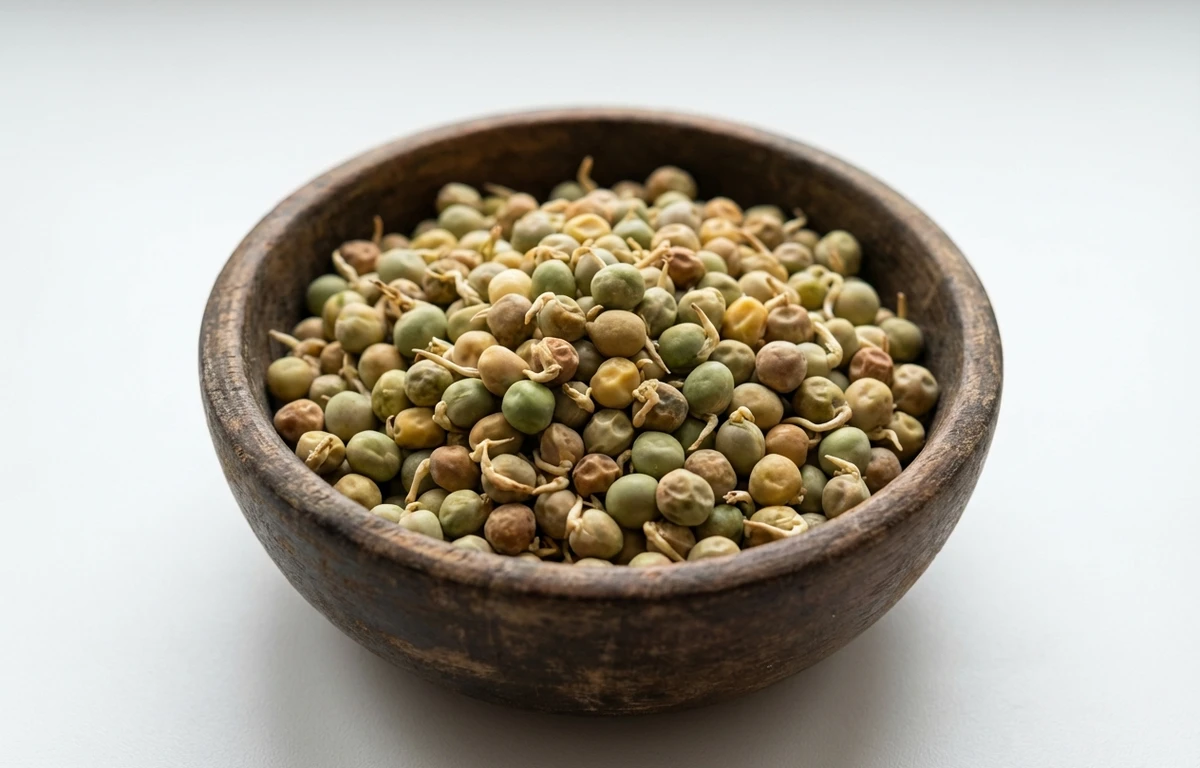
- 2Sprouting the beans for 24 hours significantly increases vitamin C content
- 3Avoid overcooking to maintain the distinct texture of the beans
STORAGE
Keep it fresh.
- Store in a cool, dry place in an airtight container to prevent moisture
- Keep away from direct sunlight to maintain nutritional quality
- Can be stored for up to 12 months if kept in a dry, pest-free environment
FAQ
Frequently asked questions.
How long does dried moth dal last?
When stored in an airtight container in a cool, dry place, dried moth dal can last for up to 12 months.
Do I need to soak moth dal before cooking?
Yes, soaking for 4-6 hours is recommended to reduce cooking time and neutralize anti-nutrients like phytic acid.
What is a good substitute for moth dal?
Whole moong dal (green gram) or brown lentils are the best substitutes due to their similar size and texture.
Can I freeze cooked moth dal?
Yes, cooked moth dal can be frozen in airtight containers for up to 3 months.
How do I sprout moth dal?
Soak the dal overnight, drain the water, and keep it in a damp cloth or a sprout maker for 24-48 hours.
Is moth dal gluten-free?
Yes, moth dal is naturally gluten-free and safe for those with celiac disease or gluten sensitivity.
What are the main nutrients in moth dal?
It is exceptionally high in protein, dietary fiber, iron, magnesium, and folate (Vitamin B9).
How do I identify high-quality moth dal?
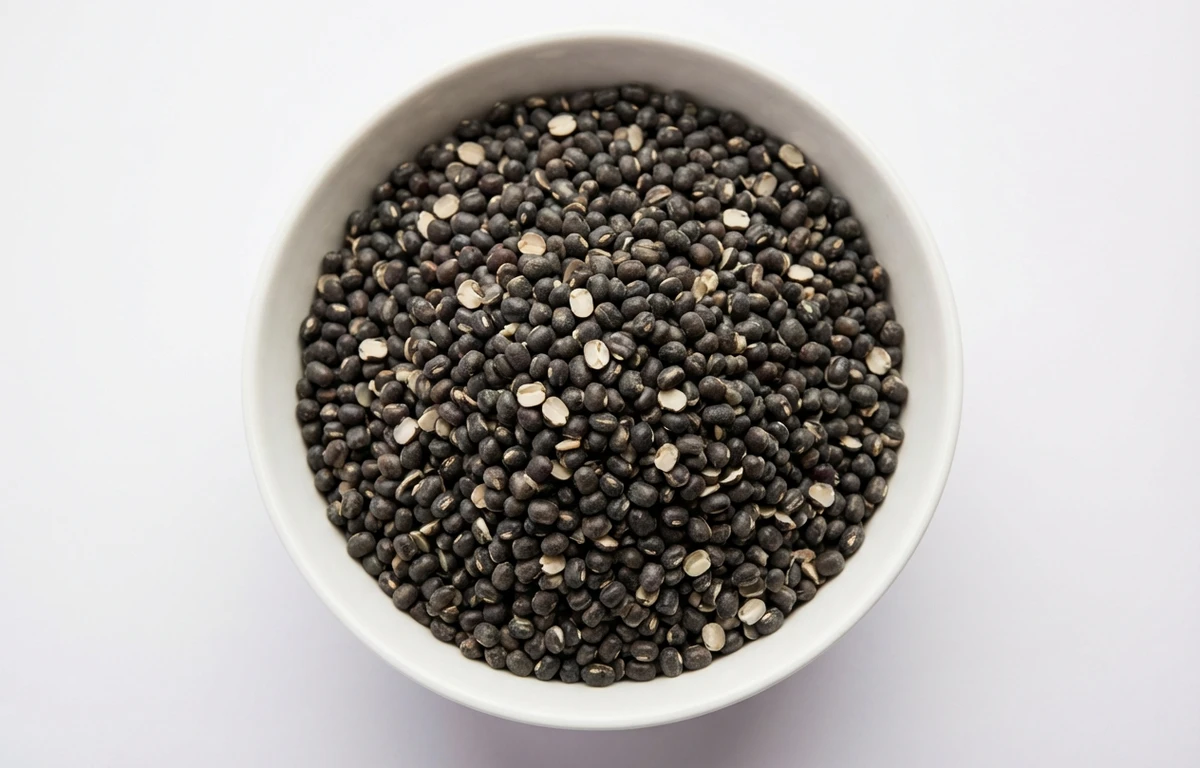
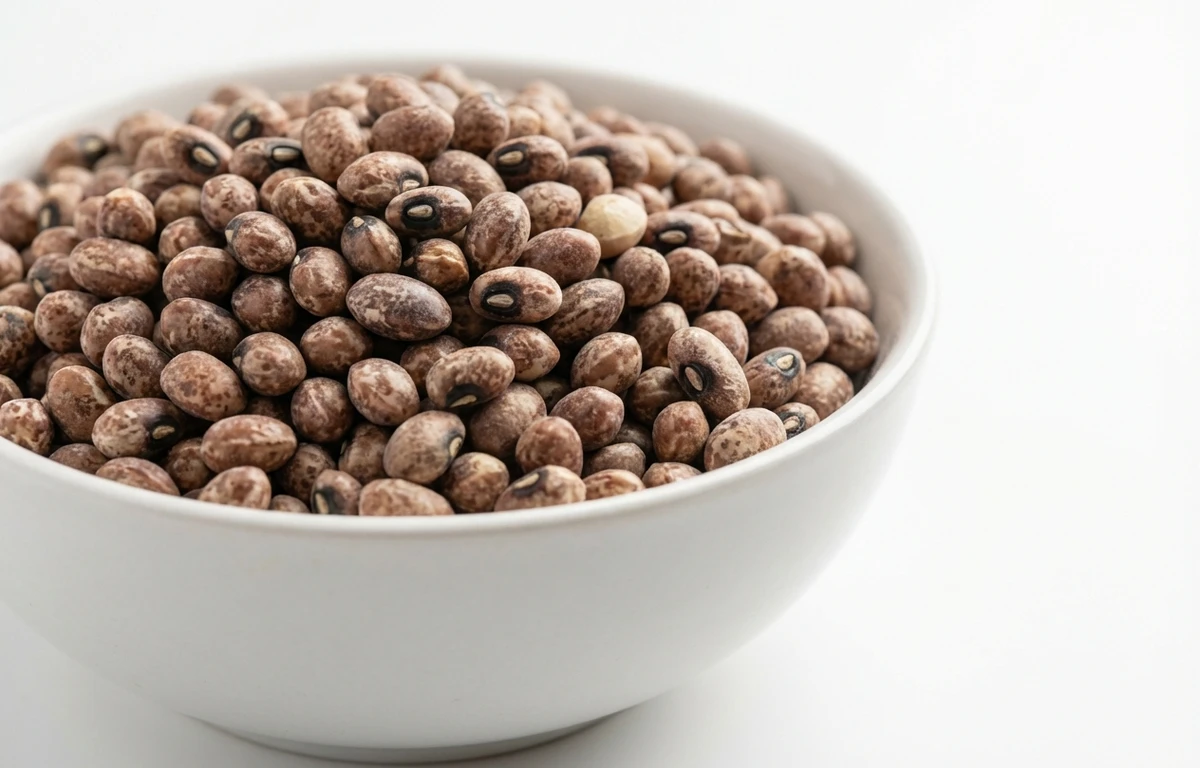
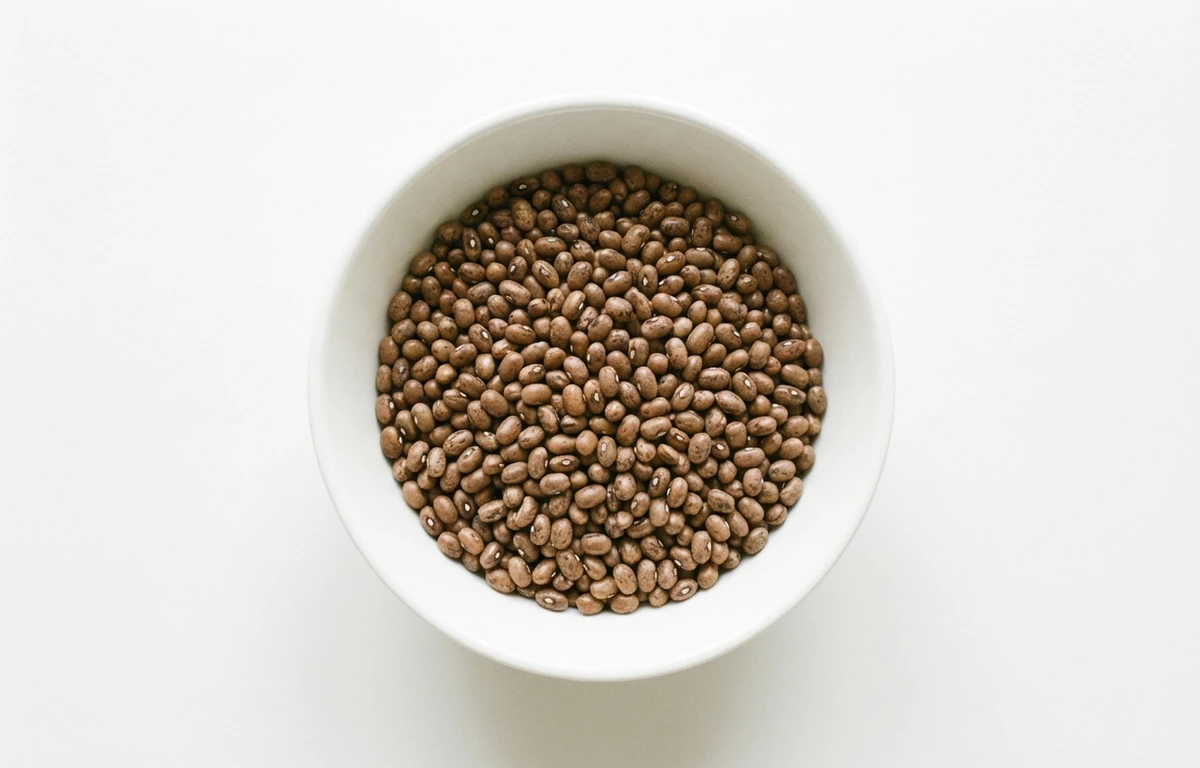
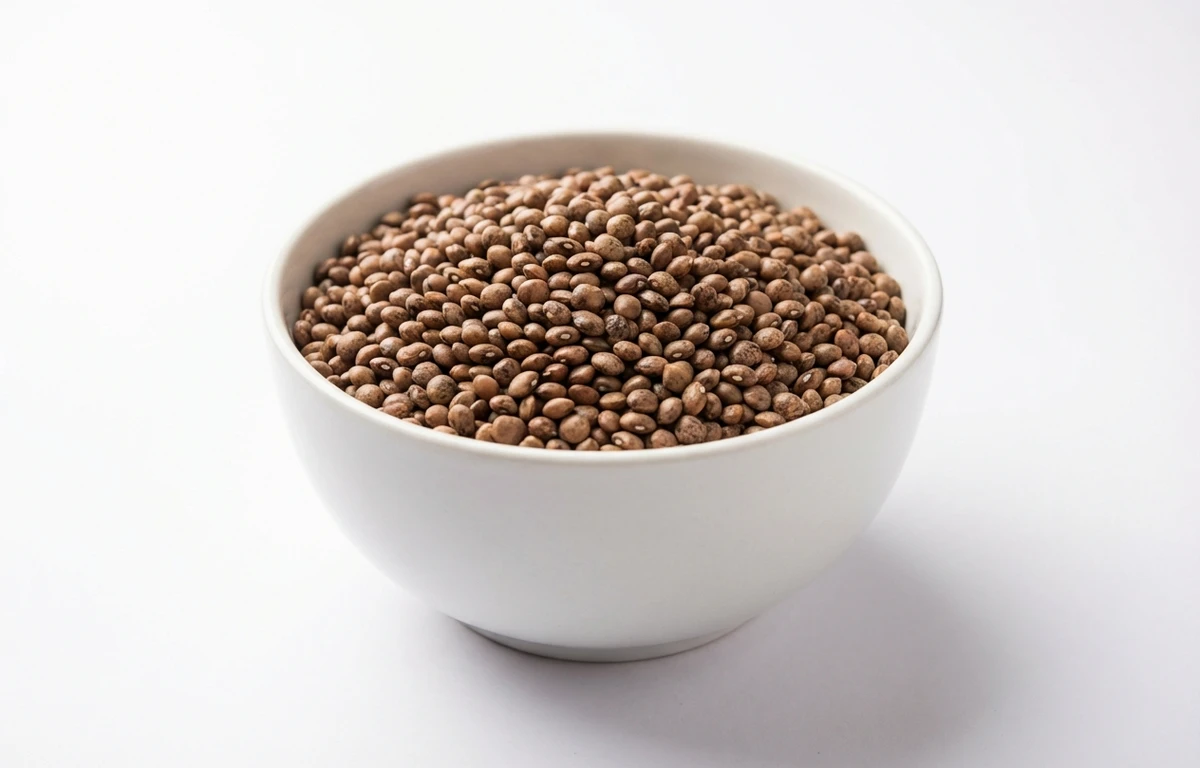
Look for small, uniform, brownish-red seeds that are free from stones, dust, and insect holes.
Is moth dal the same as moong dal?
No, they are different species. Moth dal (Vigna aconitifolia) is smaller and brownish, while moong dal (Vigna radiata) is green.
What are common dishes made with moth dal?
It is commonly used in Maharashtrian Misal Pav, Matki chi Usal, and various sprouted salads.
RECIPES
Cook with moth dal.
2 recipes · sorted by what’s quick
SAME CATEGORY