
Dairy10 recipes
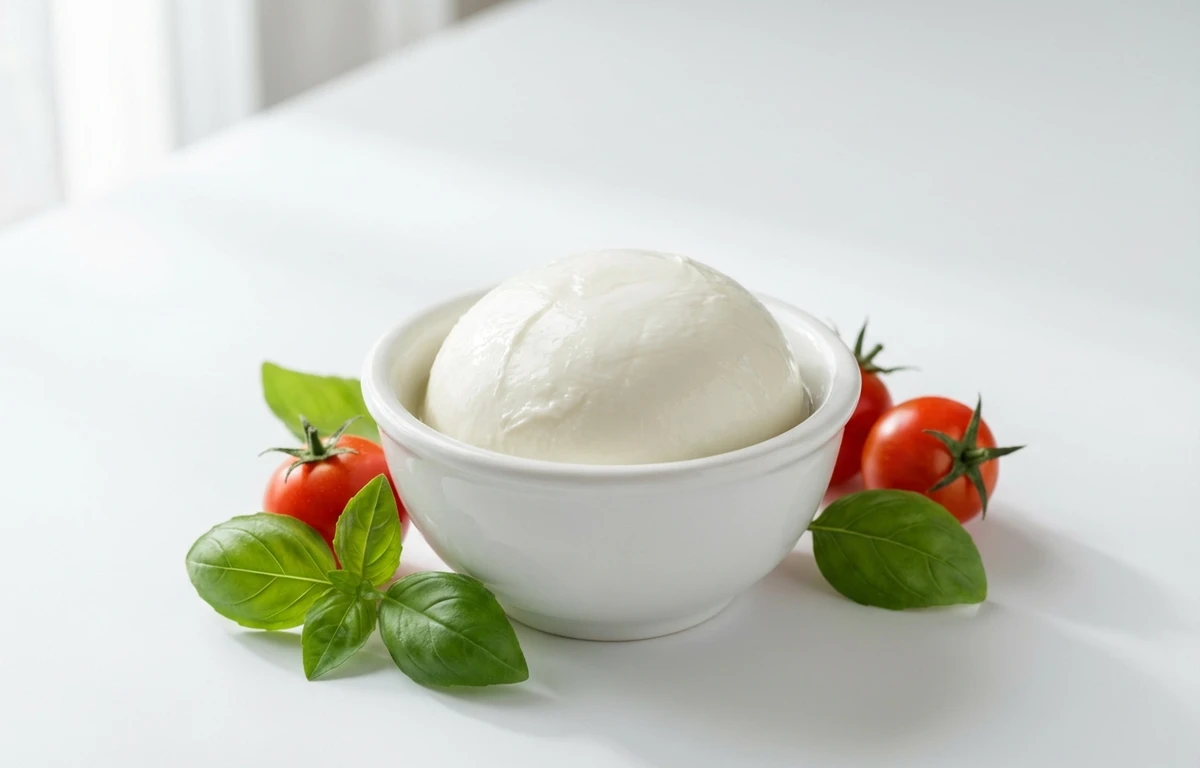
mozzarella cheese.
VegetarianVeganGluten-freeDairy-freeNut-freePeanut-freeSoy-freeEgg-freeShellfish-freeHoney-freeAlcohol-freeFermented
ALSO KNOWN AS
mozzarellamotzmozzarella frescasoft mozzarellafior di lattebocconcinicilieginefresh mozzarella ballsfresh mozzarellamozzarella ballsperliniovolinifresh mozzarella cheesestring cheese mozzarellaमोज़ेरेला चीज़mozzarella cheeseshredded part-skim low moisture mozzarella cheesepart skim milk mozzarella cheese
SERVING
CALORIES
280
PROTEIN
22.2g
CARBS
2.2g
FAT
22.4g
FIBER
0g
This ingredient is flagged as naturally gluten-free. Per 100 g, it provides 2.3 µg of vitamin K.
NUTRITION PROFILE · per 100 g
Everything in this ingredient.
MACRONUTRIENTS
Calories280kcal—
Protein22.2g44%
Carbohydrates2.2g1%
Fiber0g0%
Sugar1.0g2%
Total fat22.4g29%
Saturated fat13.2g66%
Trans fat0.50g—
Cholesterol79mg26%
Water50g—
MINERALS
Sodium627mg27%
Potassium76mg2%
Calcium505mg39%
Iron0.40mg2%
Magnesium20mg5%
Phosphorus354mg28%
Zinc2.9mg26%
Copper0.01mg1%
Manganese0.01mg0%
Selenium17µg31%
VITAMINS
Vitamin A179µg20%
Vitamin C0mg0%
Vitamin D0.40µg2%
Vitamin E0.19mg1%
Vitamin K2.3µg2%
Thiamin (B1)0.03mg3%
Riboflavin (B2)0.28mg22%
Niacin (B3)0.10mg1%
Pantothenic acid (B5)0.10mg2%
Vitamin B60.04mg2%
Folate (B9)7.0µg2%
Vitamin B122.3µg96%
%DV based on a 2,000 cal diet. Source: USDA FoodData Central. A dash in the %DV column means there’s no established Daily Value for that nutrient.
MEASUREMENT CONVERSIONS
How much is what.
1 cup112g
1 tablespoon7g
1 teaspoon2.3g
1 oz28.4g
1 lb453.6g
1 ml0.5g
1 liter466.7g
1 piece28g
HEALTH BENEFITS
Why eat it.
- ✓Excellent source of calcium, crucial for building and maintaining strong bones and teeth.
- ✓Rich in high-quality protein, which is essential for muscle repair, growth, and overall body function.
- ✓Contains beneficial bacteria like Lactobacillus casei and Lactobacillus fermentum, which can act as probiotics to support gut health.
- ✓Provides significant amounts of phosphorus, important for energy metabolism and bone formation.
COOKING TIPS
In the kitchen.
- 1For the best melting and 'cheese pull' on pizza and baked dishes, use low-moisture mozzarella, as fresh mozzarella contains more water.
- 2Pat fresh mozzarella dry with paper towels before cooking to prevent your dish from becoming watery.
- 3To best appreciate its delicate flavor and creamy texture, serve fresh mozzarella at room temperature in salads or with tomatoes and basil.
- 4When shredding low-moisture mozzarella, place it in the freezer for 15-20 minutes beforehand to make it firmer and easier to grate.
STORAGE
Keep it fresh.
- Store fresh mozzarella in its original brine in an airtight container in the refrigerator and consume within 5-7 days of opening.
- Keep low-moisture mozzarella (block or shredded) tightly wrapped in plastic or in a sealed bag in the refrigerator for up to 3-4 weeks.
FAQ
Frequently asked questions.
What are the nutritional values of mozzarella cheese?
Per 100g, mozzarella cheese typically contains around 280 calories, 22.2g of protein, 2.2g of carbohydrates, and 22.4g of fat. It's a nutrient-dense food, providing significant protein and calcium.
Is mozzarella cheese lactose-free?
No, traditional mozzarella cheese is not lactose-free as it is made from milk. However, the cheesemaking process reduces some of the lactose content, and aged mozzarella tends to have less lactose than fresh varieties. People with severe lactose intolerance may still experience symptoms.
Is mozzarella cheese keto-friendly?
Yes, mozzarella cheese is generally considered keto-friendly due to its low carbohydrate content. With only about 2.2g of carbs per 100g, it can be easily incorporated into a ketogenic diet as a source of fat and protein.
Is mozzarella cheese vegan?
No, mozzarella cheese is not vegan. It is a dairy product made from cow's or buffalo's milk, making it an animal-derived food. There are, however, many plant-based mozzarella alternatives available for vegans.
What are the best uses for mozzarella cheese in cooking?
Mozzarella cheese is renowned for its excellent melting properties and mild flavor, making it ideal for pizzas, lasagna, baked ziti, and other gratins. Fresh mozzarella is perfect for Caprese salads, sandwiches, and as a topping for bruschetta.
Can you freeze mozzarella cheese?
Yes, you can freeze mozzarella cheese, especially the low-moisture, block variety. Freezing fresh mozzarella (like bocconcini) is possible but may alter its texture, making it more crumbly upon thawing. For best results, shred or slice block mozzarella before freezing in an airtight container.
How should I store mozzarella cheese?
Fresh mozzarella should be stored in its original brine or water in an airtight container in the refrigerator and consumed within a few days. Low-moisture mozzarella blocks or shredded cheese should be tightly wrapped or sealed in an airtight container and refrigerated, where it can last for several weeks once opened.
How long does mozzarella cheese last?
The shelf life of mozzarella varies by type. Fresh mozzarella in brine typically lasts 5-7 days after opening. Low-moisture, pre-shredded mozzarella can last 3-4 weeks in the refrigerator if unopened, and about 1-2 weeks once opened. Always check the 'best by' date and look for signs of spoilage like mold or off-smell.
RECIPES
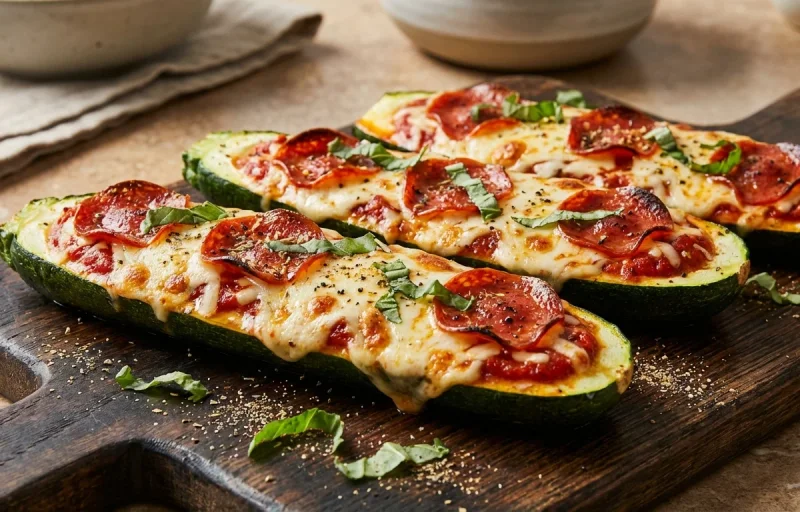
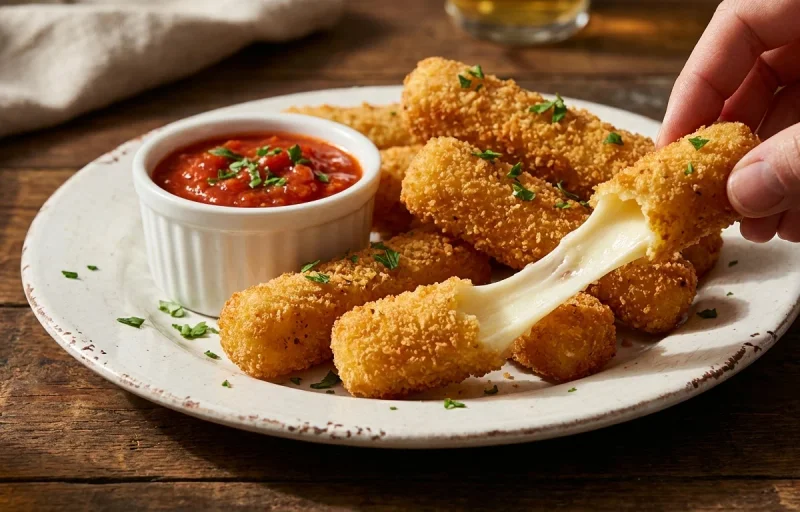
Cook with mozzarella cheese.
10 recipes · sorted by what’s quick
RELATED GUIDES



















