meat2 recipes
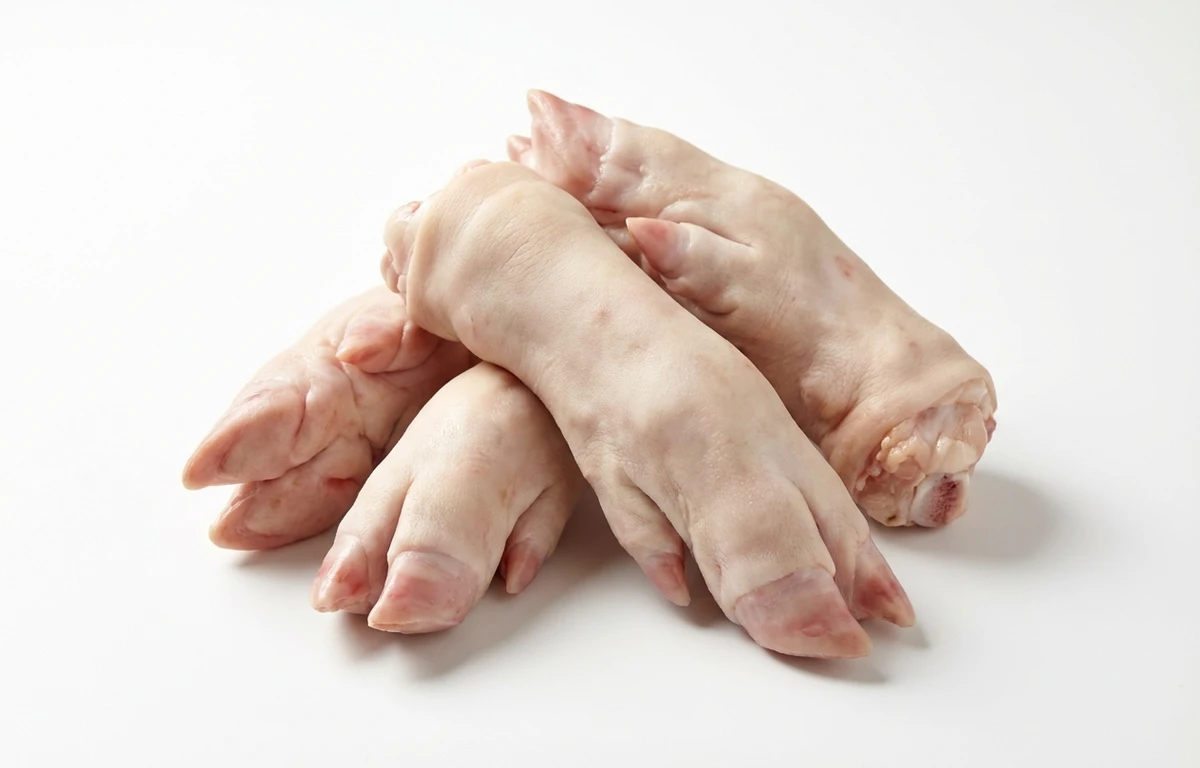
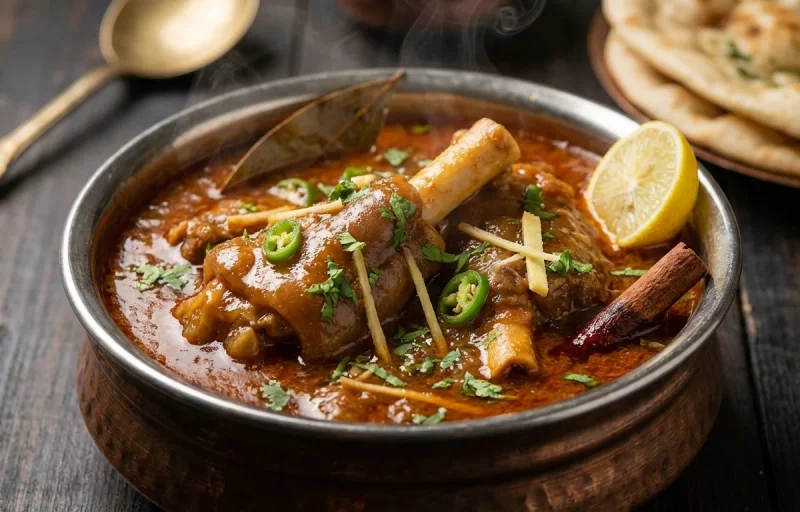
Mutton Trotters.
VegetarianVeganGluten-freeDairy-freeNut-freePeanut-freeSoy-freeEgg-freeShellfish-freeHoney-freeAlcohol-free
SERVING
CALORIES
180
PROTEIN
18g
CARBS
0g
FAT
12g
FIBER
0g
NUTRITION PROFILE · per 100 g
Everything in this ingredient.
MACRONUTRIENTS
Calories180kcal—
Protein18g36%
Carbohydrates0g0%
Fiber0g0%
Sugar0g0%
Total fat12g15%
Saturated fat4.5g23%
Cholesterol60mg20%
Water65g—
MINERALS
Sodium50mg2%
Potassium150mg3%
Calcium20mg2%
Iron1.5mg8%
Magnesium15mg4%
Phosphorus120mg10%
Zinc2.0mg18%
Copper0.10mg11%
Manganese0.02mg1%
Selenium10µg18%
VITAMINS
Thiamin (B1)0.05mg4%
Riboflavin (B2)0.15mg12%
Niacin (B3)2.0mg13%
Pantothenic acid (B5)0.50mg10%
Vitamin B60.10mg6%
Folate (B9)5.0µg1%
Vitamin B121.5µg63%
%DV based on a 2,000 cal diet. Source: USDA FoodData Central. A dash in the %DV column means there’s no established Daily Value for that nutrient.
MEASUREMENT CONVERSIONS
How much is what.
1 oz28.4g
1 lb453.6g
1 piece150g
HEALTH BENEFITS
Why eat it.
- ✓Rich in collagen, beneficial for skin elasticity and joint health.
- ✓Provides essential amino acids for tissue repair and muscle maintenance.
- ✓Contains minerals like phosphorus and calcium for bone health.
- ✓Good source of B vitamins, including B12, important for energy and nerve function.
- ✓May support gut health due to gelatin content.
COOKING TIPS
In the kitchen.
- 1Mutton trotters require long, slow cooking methods like simmering or pressure cooking to tenderize the connective tissues.
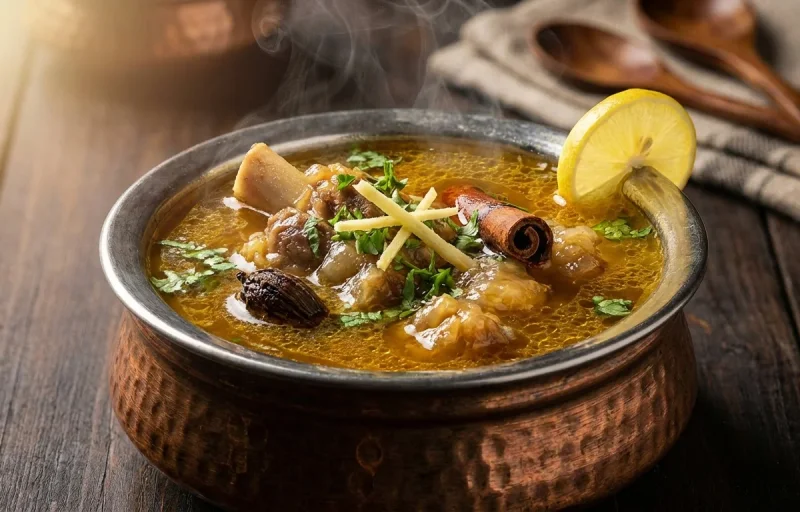
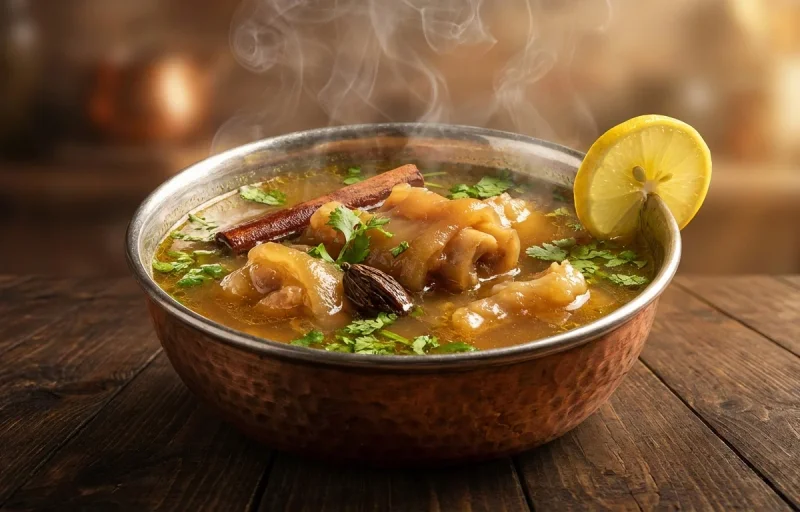
- 2They are excellent for making rich, gelatinous broths, soups (like Paya), and stews.
- 3Clean trotters thoroughly by scraping and washing before cooking; some prefer to blanch them first.
STORAGE
Keep it fresh.
- Store raw mutton trotters in the coldest part of the refrigerator for up to 2 days.
- For longer storage, freeze trotters in an airtight container or freezer bag for up to 6 months.
- Thaw frozen trotters in the refrigerator overnight before cooking.
FAQ
Frequently asked questions.
Are mutton trotters healthy?
Yes, mutton trotters are highly nutritious, providing 18g of protein and 180 calories per 100g. They are exceptionally rich in collagen and gelatin, which support joint health, skin elasticity, and gut health.
What are the specific health benefits of mutton trotters?
Mutton trotters are a powerhouse of collagen for skin and joints, and they provide essential amino acids for muscle repair. They also contain phosphorus and calcium for bone health, along with Vitamin B12 for nerve function and energy.
How much protein and fat are in mutton trotters?
A 100g serving of mutton trotters contains approximately 18g of protein and 12g of fat. They are a dense source of animal protein with a moderate fat content, making them very satiating.
Are mutton trotters keto-friendly?
Yes, mutton trotters are excellent for keto and low-carb diets because they contain 0g of carbohydrates. Their high protein and fat profile helps maintain ketosis while providing essential micronutrients.
Are mutton trotters gluten-free?
Naturally, mutton trotters are 100% gluten-free as they are a meat product. However, if you are eating them in a prepared dish like a stew, ensure that no flour or gluten-based thickeners were added to the sauce.
How do you prepare and cook mutton trotters?
Trotters require long, slow cooking to break down the tough connective tissue into tender gelatin. They are typically simmered for 4-6 hours or pressure-cooked for 45-60 minutes in a seasoned broth to make traditional 'Paya' soup.
What do mutton trotters taste like?
Mutton trotters have a mild, savory flavor, but they are most prized for their texture. When cooked properly, they create a rich, sticky, and viscous broth due to the high gelatin content released from the bones and marrow.
How should I store mutton trotters and how long do they last?
Raw trotters should be kept in the refrigerator and used within 1-2 days. For longer storage, they can be frozen in airtight bags for up to 9 months; once cooked, the broth and meat will last 3-4 days in the fridge.
How can I tell if mutton trotters are fresh?
Fresh mutton trotters should have a clean, creamy-white or pinkish appearance with no grey discoloration. They should have a very faint, neutral meaty smell; any pungent or sour odor is a sign of spoilage.
Can I eat the skin and marrow of mutton trotters?
Yes, the skin and the soft tissues are the most nutritious parts as they contain the highest concentration of collagen. After long cooking, these parts become very soft and are traditionally consumed along with the broth.
RECIPES
Cook with mutton trotters.
2 recipes · sorted by what’s quick
SAME CATEGORY
Other meat.
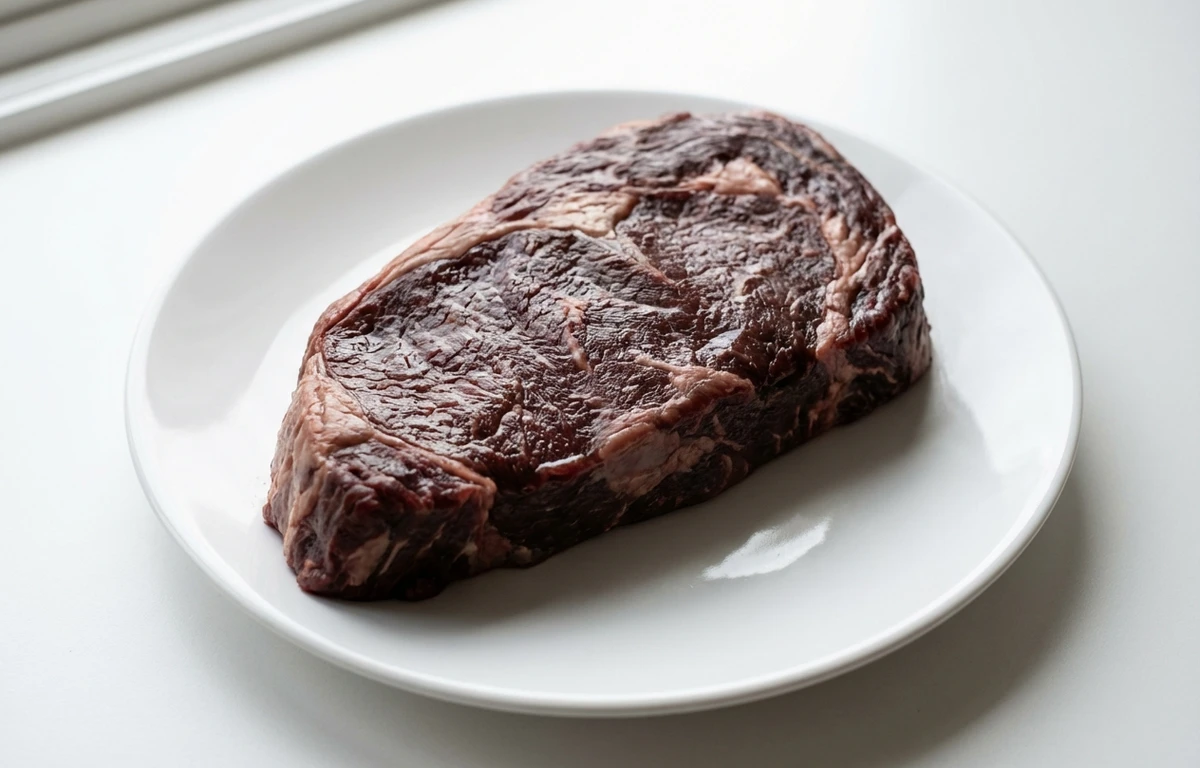
black bear meat
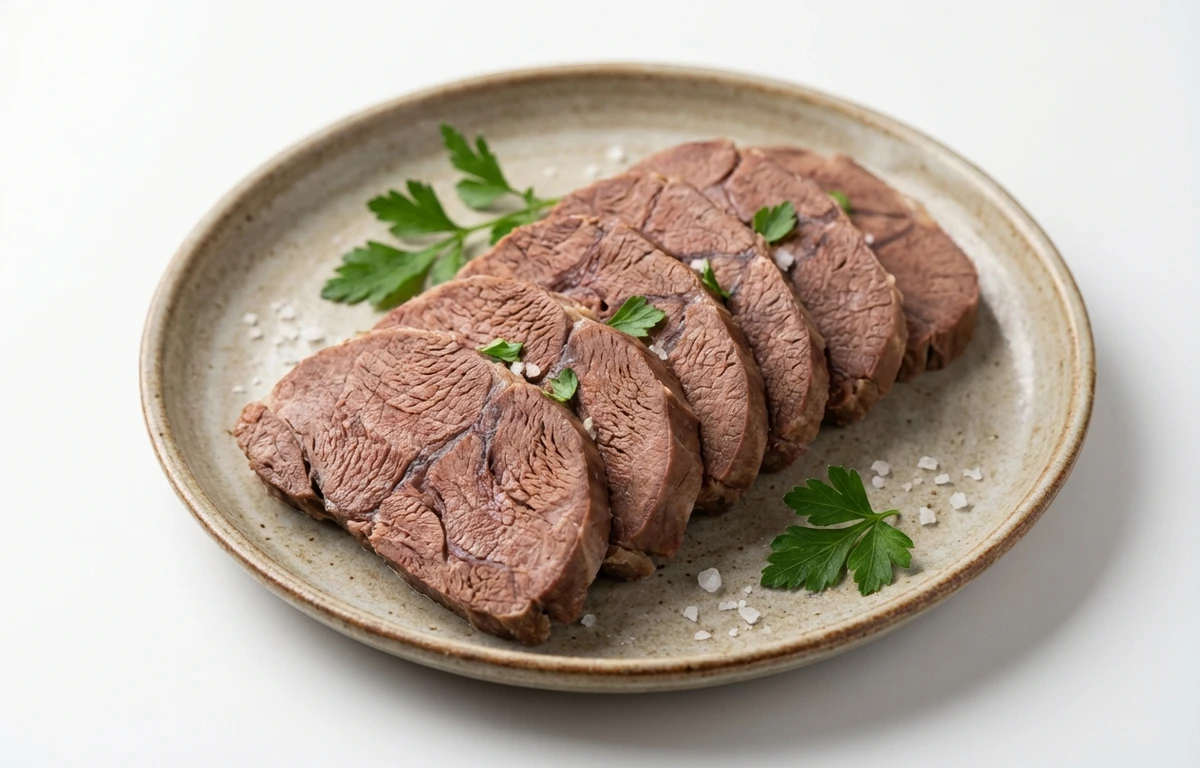
boiled beef heart
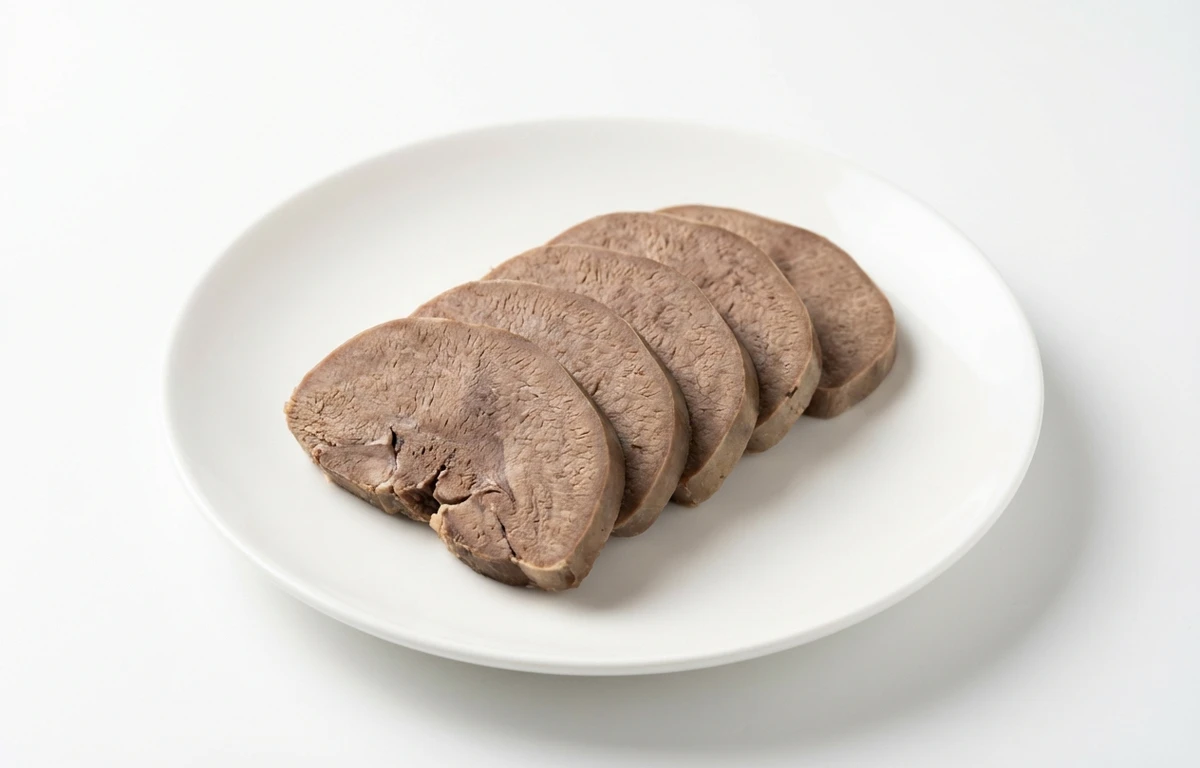
boiled beef kidney
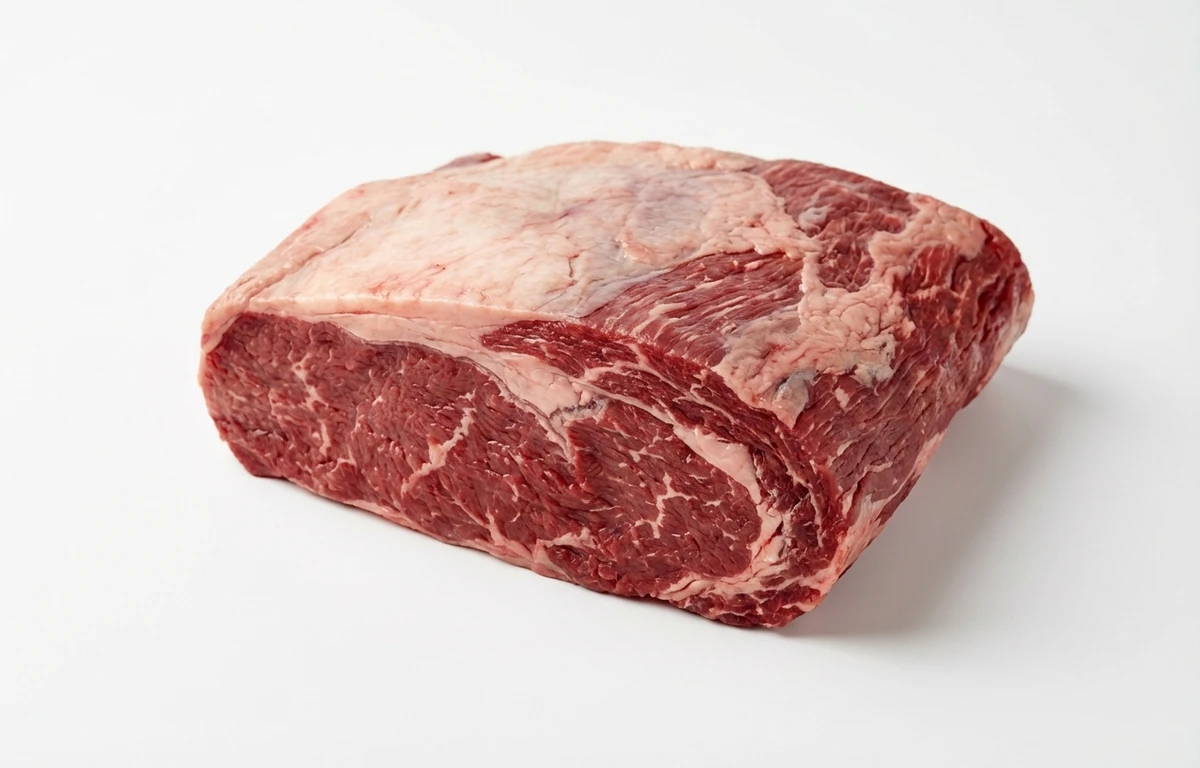
braised beef brisket navel end lean
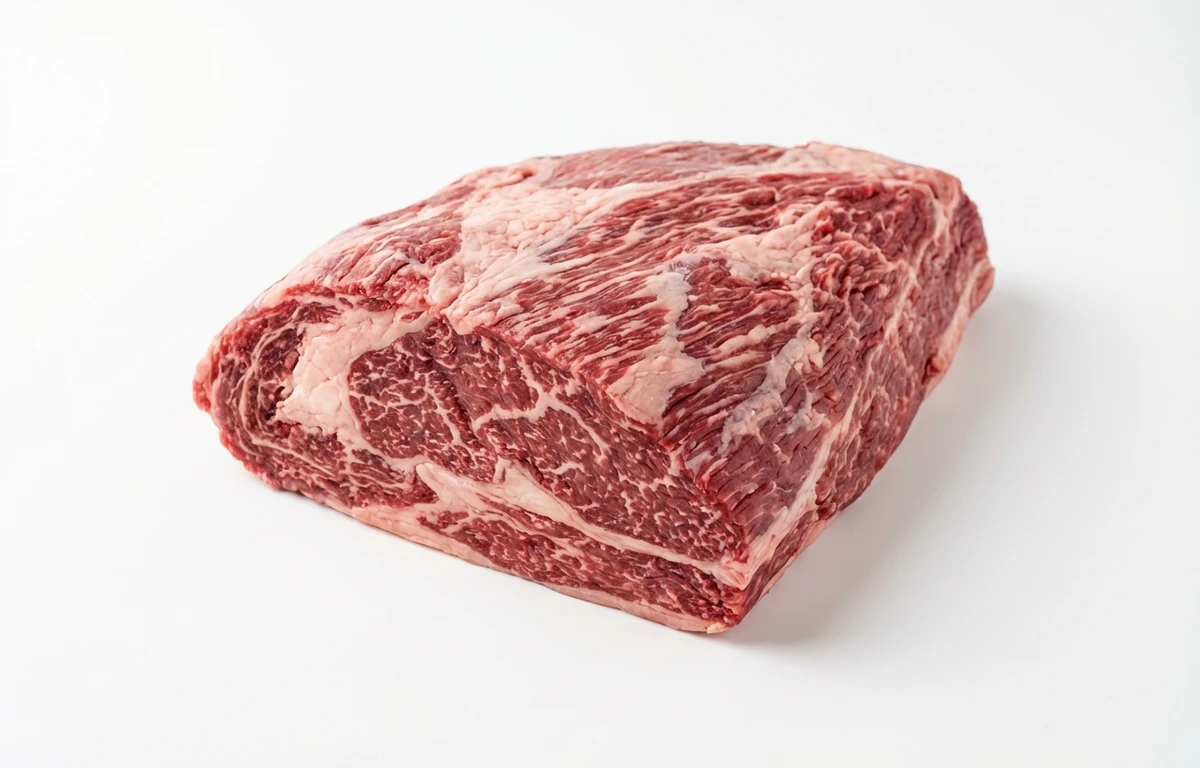
braised beef brisket point end lean
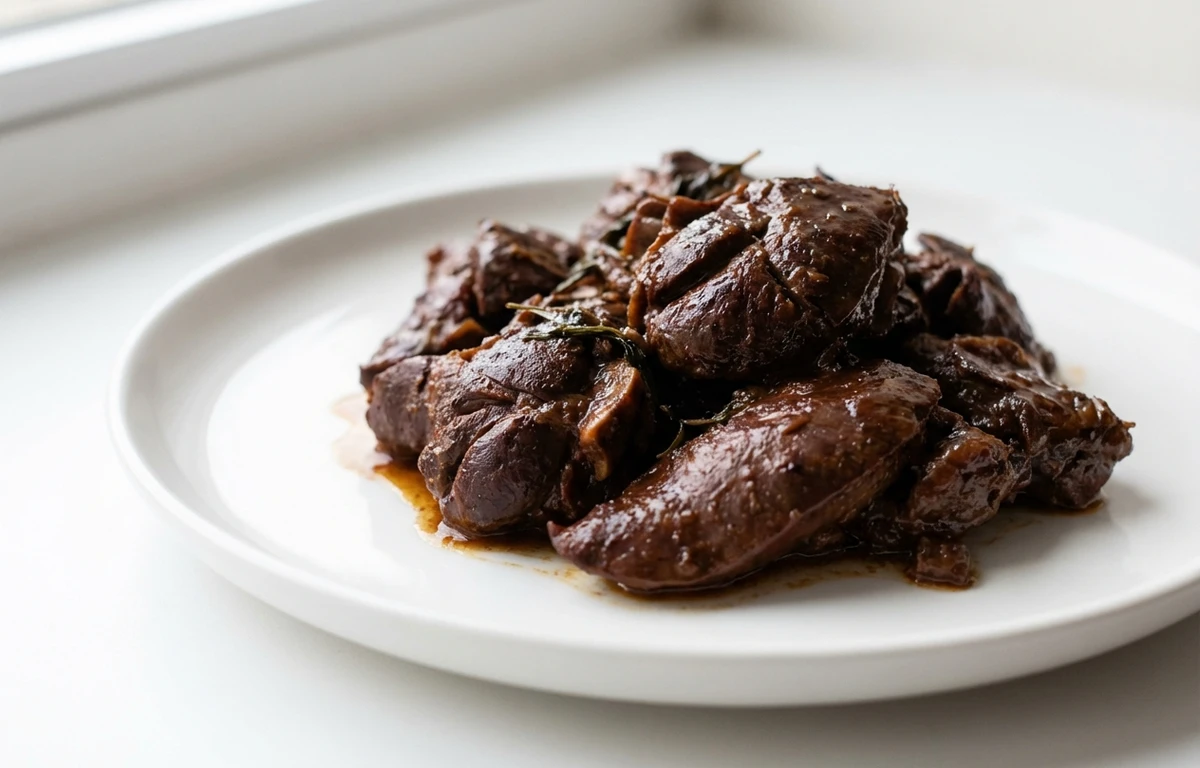
braised cooked lamb lungs
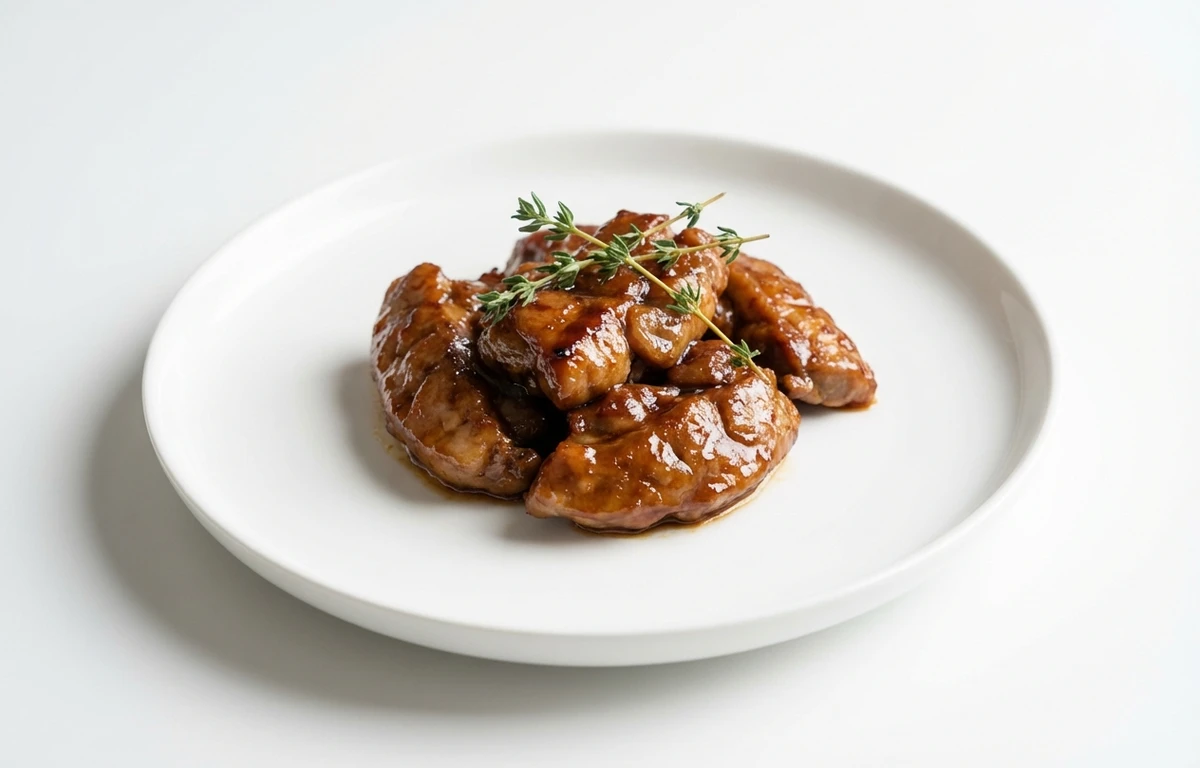
braised cooked lamb pancreas
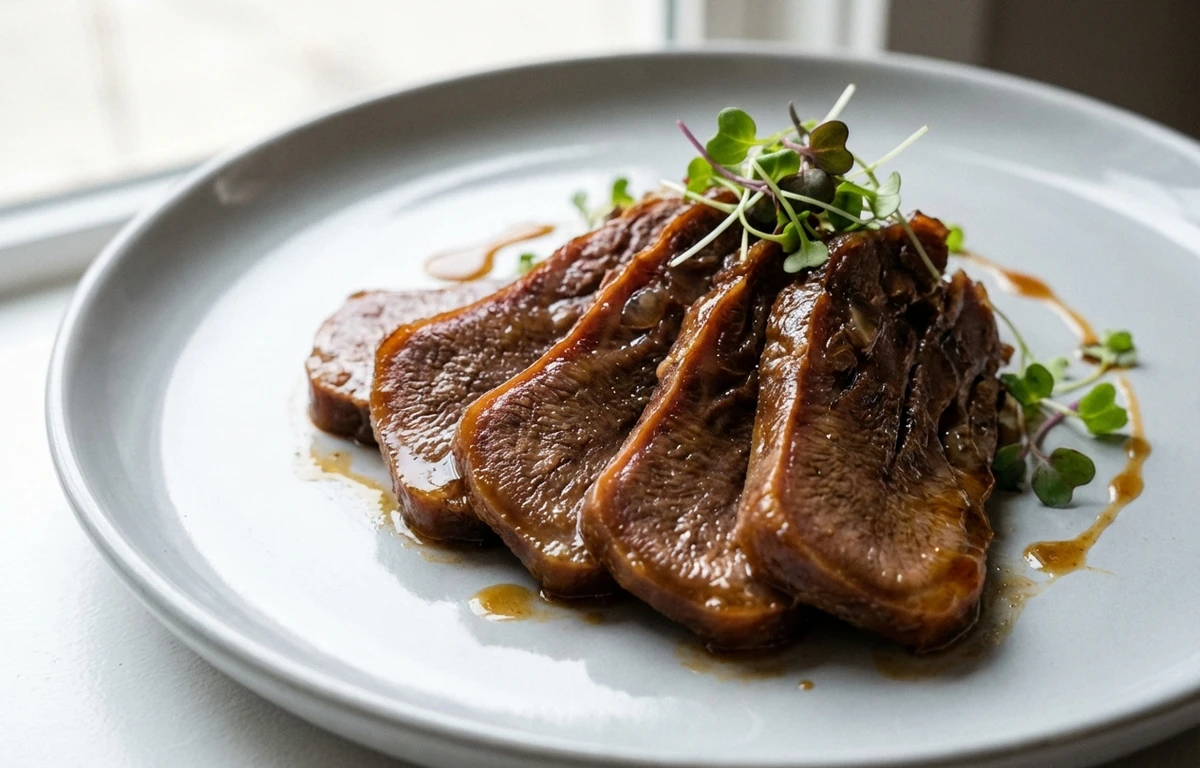
braised cooked lamb tongue
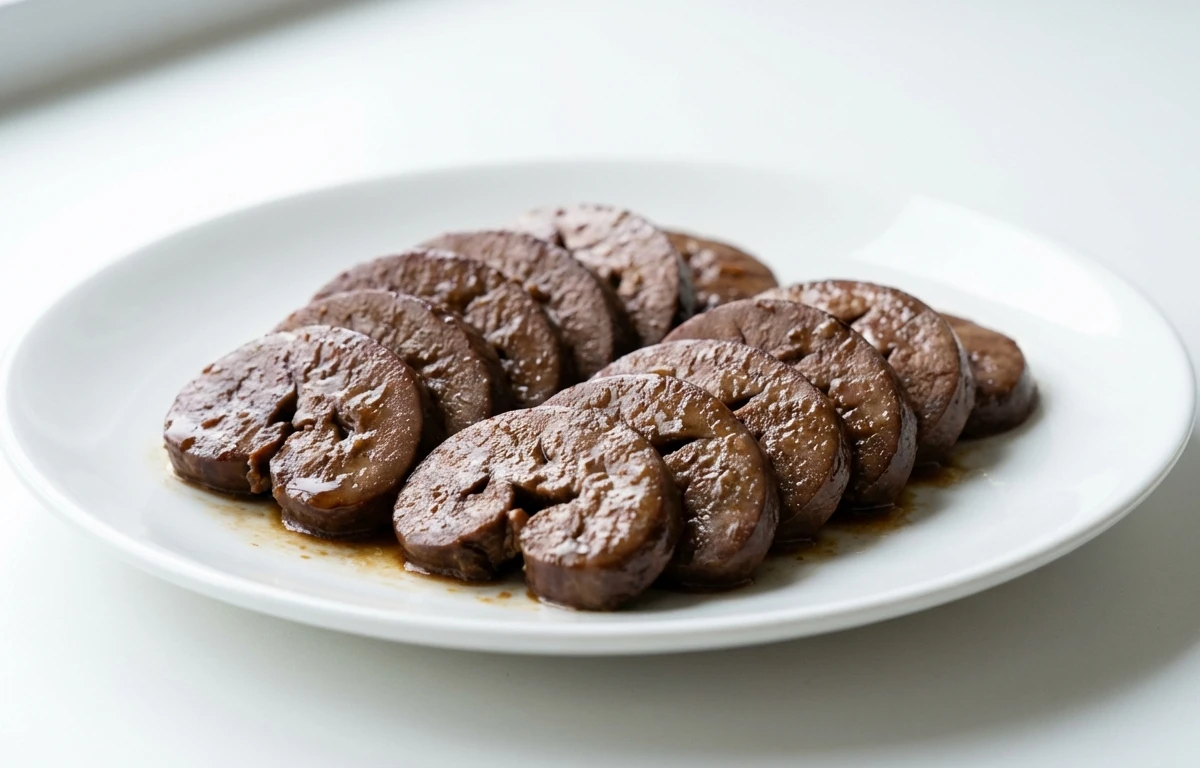
braised cooked pork kidneys
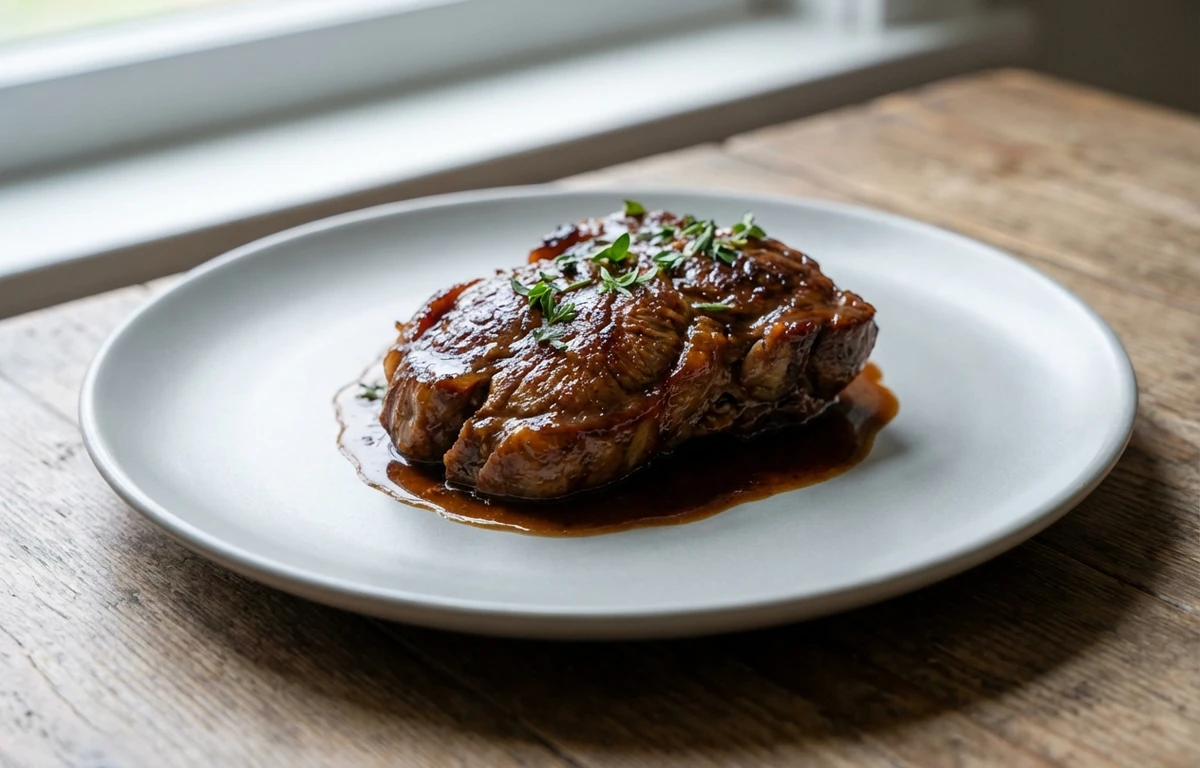
braised cooked veal thymus
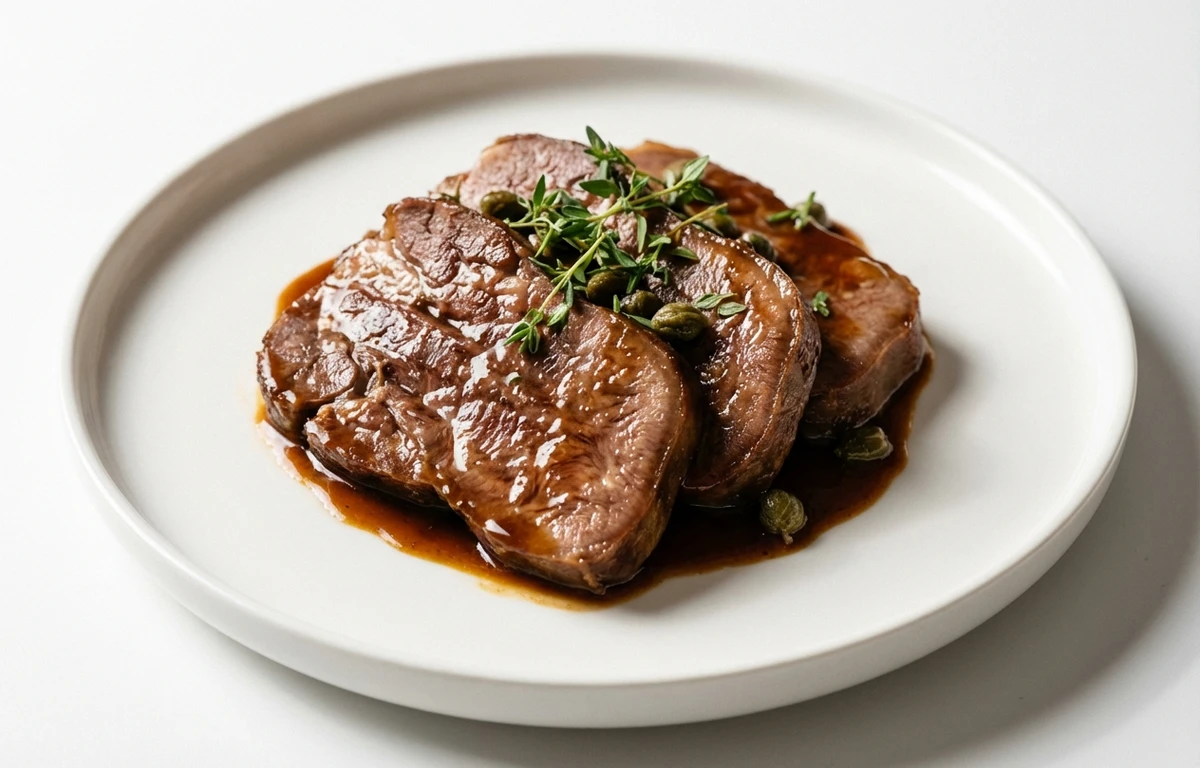
braised cooked veal tongue
braised select bottom round beef steak