Loading...
Also known as:
Per 100g
Nutrition data source: USDA FoodData Central
Common measurement equivalents in grams
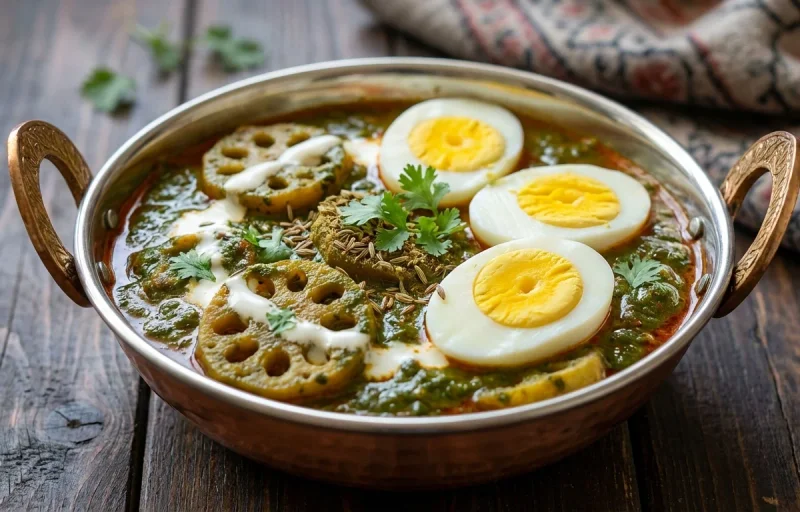
A traditional Kashmiri curry featuring tender lotus stem (nadru) and vibrant spinach (palak) cooked in a fragrant spice blend. Hard-boiled eggs add a hearty, protein-rich element to this comforting and nutritious main course, best enjoyed with steamed rice.
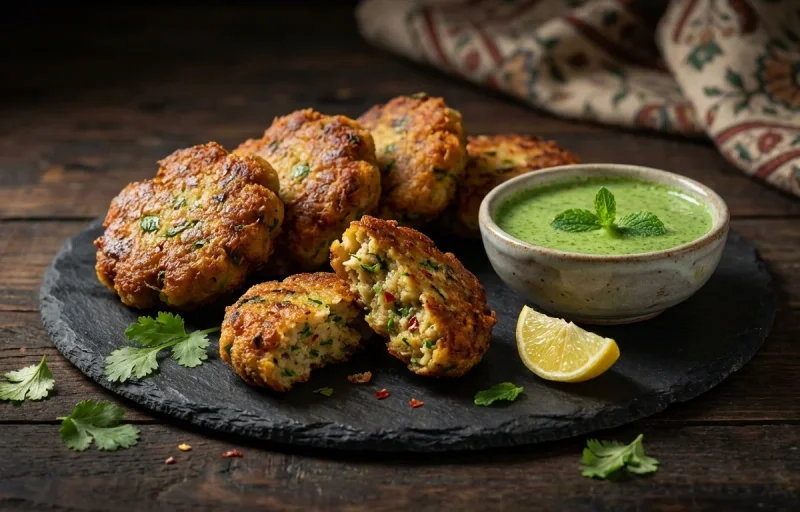
Crispy on the outside, soft on the inside, these Kashmiri kebabs are made from tender lotus stem and aromatic spices. A unique and delicious appetizer that brings the flavors of the valley right to your kitchen.
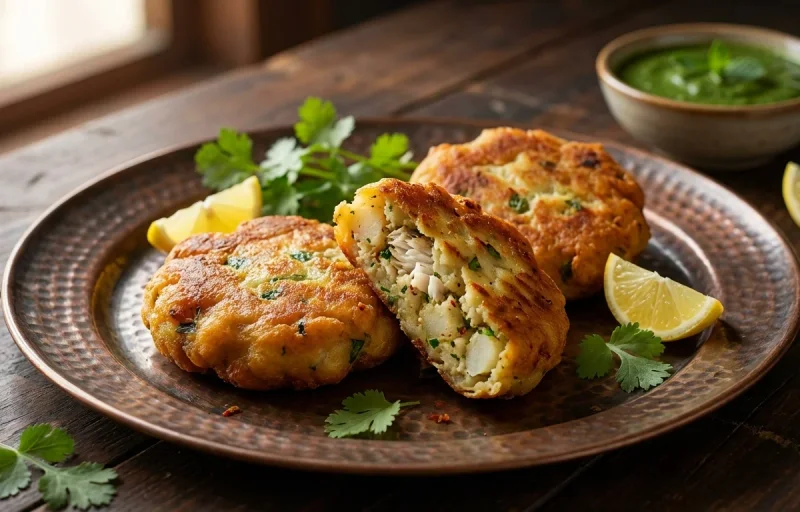
Crispy on the outside and tender within, these traditional Kashmiri fish patties are a culinary delight. Made with flaked trout, mashed lotus stem (nadru), and a fragrant blend of fennel and ginger, they offer a unique and authentic taste of the valley.
Yes, nadru (lotus stem) is very healthy. It's rich in dietary fiber, which aids digestion, and an excellent source of Vitamin C, supporting immune function. It also provides essential minerals like potassium and copper, all while being low in calories and fat.
Per 100g, nadru contains approximately 74 calories, 2.6g protein, 17.23g carbohydrates, and only 0.1g fat. It's particularly beneficial for its high fiber content, Vitamin C, and minerals such as potassium for blood pressure regulation and copper for energy metabolism.
Yes, nadru can be a good addition to a weight loss diet. It is low in calories and fat, but high in dietary fiber, which helps promote satiety and keeps you feeling full longer. This can aid in reducing overall calorie intake.
Yes, nadru is naturally both vegan and gluten-free. As a vegetable, it contains no animal products or gluten-containing grains, making it suitable for individuals following these dietary restrictions.
Nadru contains carbohydrates (17.23g per 100g), but its high fiber content can help slow down sugar absorption, potentially moderating blood sugar spikes. Diabetics can consume nadru in moderation as part of a balanced diet, but should monitor portion sizes and overall carbohydrate intake.
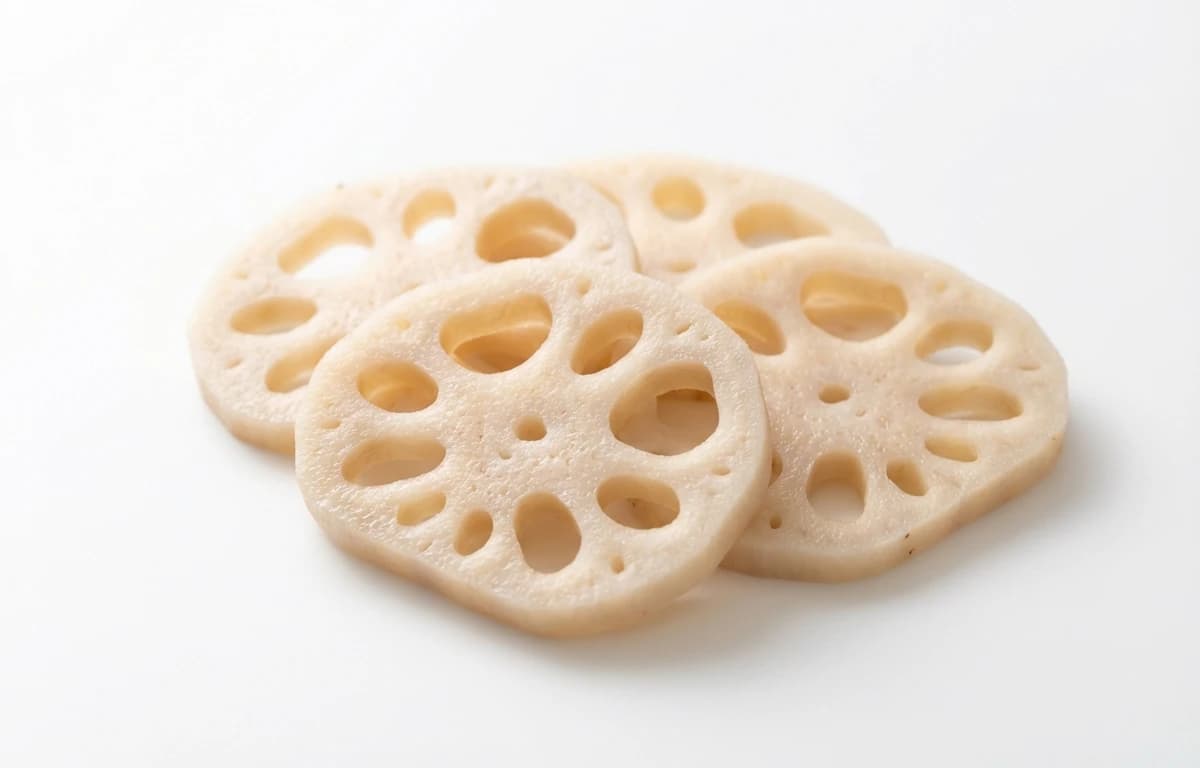
To prepare nadru, wash it thoroughly, peel the outer skin, and slice it into desired shapes. It's often boiled or steamed first to tenderize it before being used in curries, stir-fries, or fried dishes. Ensure to clean the hollow cavities well.
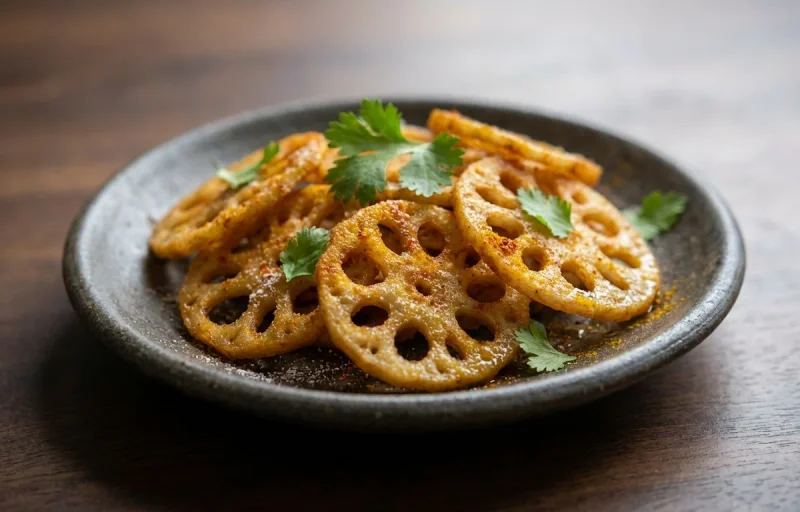
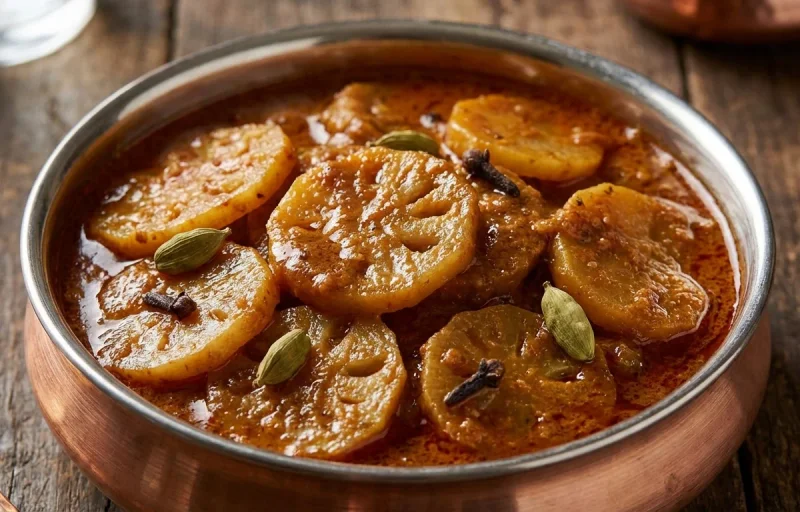
Nadru has a mild, slightly sweet, and earthy flavor with a unique crunchy texture when cooked al dente, becoming tender when cooked longer. It's a staple in Kashmiri cuisine, used in curries (like Nadru Yakhni), fritters (Nadru Monje), stir-fries, and pickles.
nadru is a versatile ingredient found in cuisines around the world. With 74 calories per 100g and 2.6 grams of protein, it's a nutritious addition to many dishes.
Explore more ingredients in the vegetable category with complete nutrition information.
View all vegetable →Explore more ingredients similar to nadru.
The most-searched ingredients on CraftMyMeals.
Fresh nadru should be stored in a cool, dry place or in the refrigerator's crisper drawer. Wrap it loosely in a paper towel or plastic bag to help maintain its moisture and freshness. It typically lasts for about 1-2 weeks when stored properly.
Yes, it is generally recommended to peel nadru before cooking, as the outer skin can be tough and fibrous. After peeling, it's also important to thoroughly clean the hollow channels inside, as they can sometimes trap dirt or mud.
Nadru contains approximately 17.23g of carbohydrates per 100g, which is relatively high for a strict ketogenic diet that typically limits daily net carb intake to 20-50g. While it offers fiber, it might be challenging to fit into a very low-carb keto plan in significant quantities.