Other1 recipes
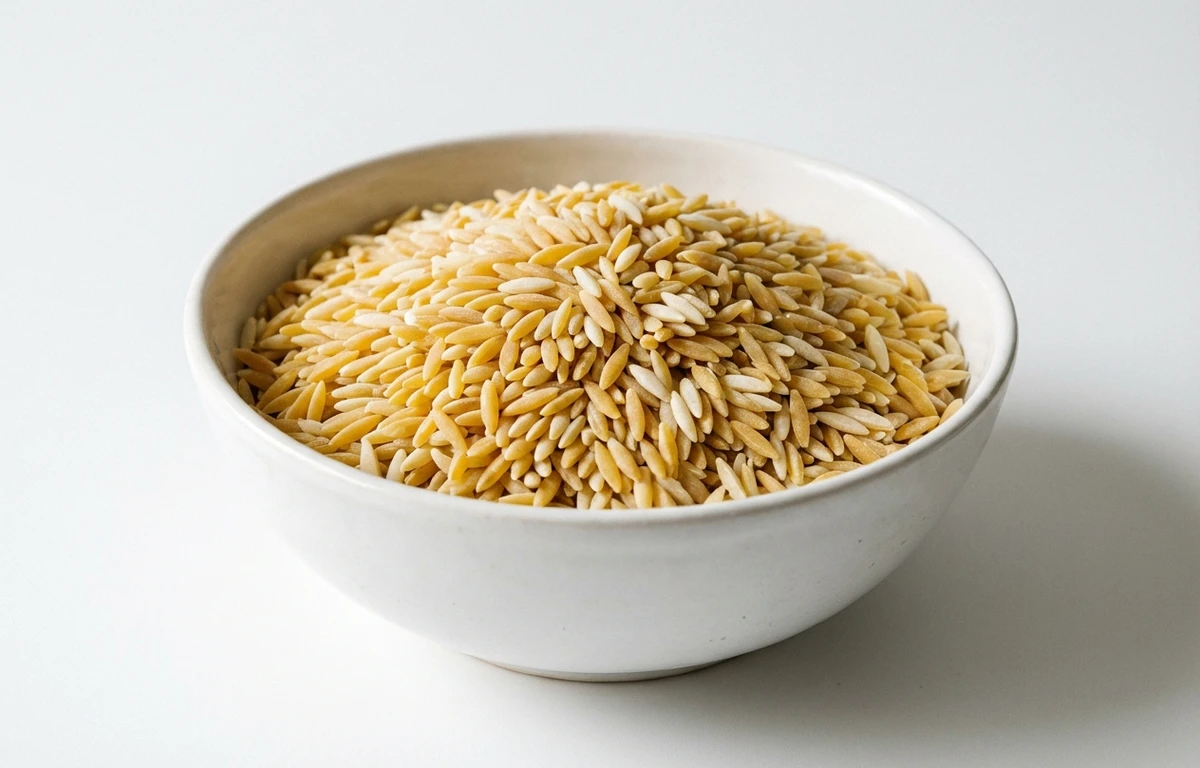
orzo.
VegetarianVeganGluten-freeDairy-freeNut-freePeanut-freeSoy-freeEgg-freeShellfish-freeHoney-freeAlcohol-free
ALSO KNOWN AS
risoni
SERVING
CALORIES
371
PROTEIN
12.9g
CARBS
74.3g
FAT
1.5g
FIBER
3.2g
Per 100 g, it provides 0.30 µg of vitamin K.
NUTRITION PROFILE · per 100 g
Everything in this ingredient.
MACRONUTRIENTS
Calories371kcal—
Protein12.9g26%
Carbohydrates74.3g27%
Fiber3.2g11%
Sugar0.70g1%
Total fat1.5g2%
Saturated fat0.28g1%
Cholesterol0mg0%
MINERALS
Sodium2.0mg0%
Potassium224mg5%
Calcium15mg1%
Iron3.1mg17%
Magnesium44mg10%
Phosphorus147mg12%
Zinc0.70mg6%
Copper0.15mg17%
Manganese0.44mg19%
Selenium36.4µg66%
VITAMINS
Vitamin A0µg0%
Vitamin C0mg0%
Vitamin D0µg0%
Vitamin E0.09mg1%
Vitamin K0.30µg0%
Thiamin (B1)0.69mg57%
Riboflavin (B2)0.38mg29%
Niacin (B3)5.9mg37%
Vitamin B60.10mg6%
Folate (B9)247µg62%
Vitamin B120µg0%
%DV based on a 2,000 cal diet. Source: USDA FoodData Central. A dash in the %DV column means there’s no established Daily Value for that nutrient.
MEASUREMENT CONVERSIONS
How much is what.
1 cup200g
1 tablespoon12.5g
1 teaspoon4.2g
1 ml0.8g
1 liter833.3g
HEALTH BENEFITS
Why eat it.
- ✓Provides carbohydrates, a primary source of energy for the body and brain.
- ✓Enriched varieties are a good source of B vitamins like folate, thiamine, and niacin, which are crucial for metabolism.
- ✓Offers a source of plant-based protein, contributing to daily protein needs for tissue repair and maintenance.
COOKING TIPS
In the kitchen.
- 1Cook orzo in a large pot of generously salted boiling water for 8-10 minutes until al dente, then drain.
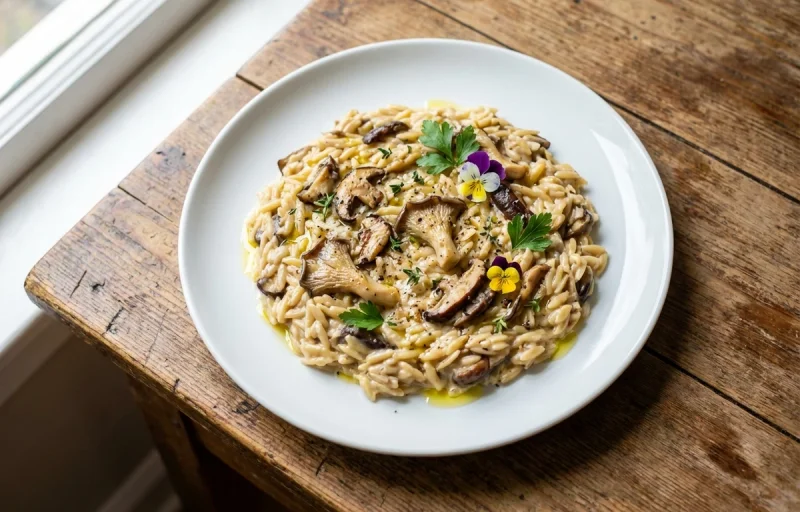
- 2For a creamier texture, cook orzo risotto-style by toasting it in oil or butter, then gradually adding hot broth and stirring until absorbed.
- 3To prevent clumping in cold salads, rinse the cooked orzo under cold water immediately after draining.
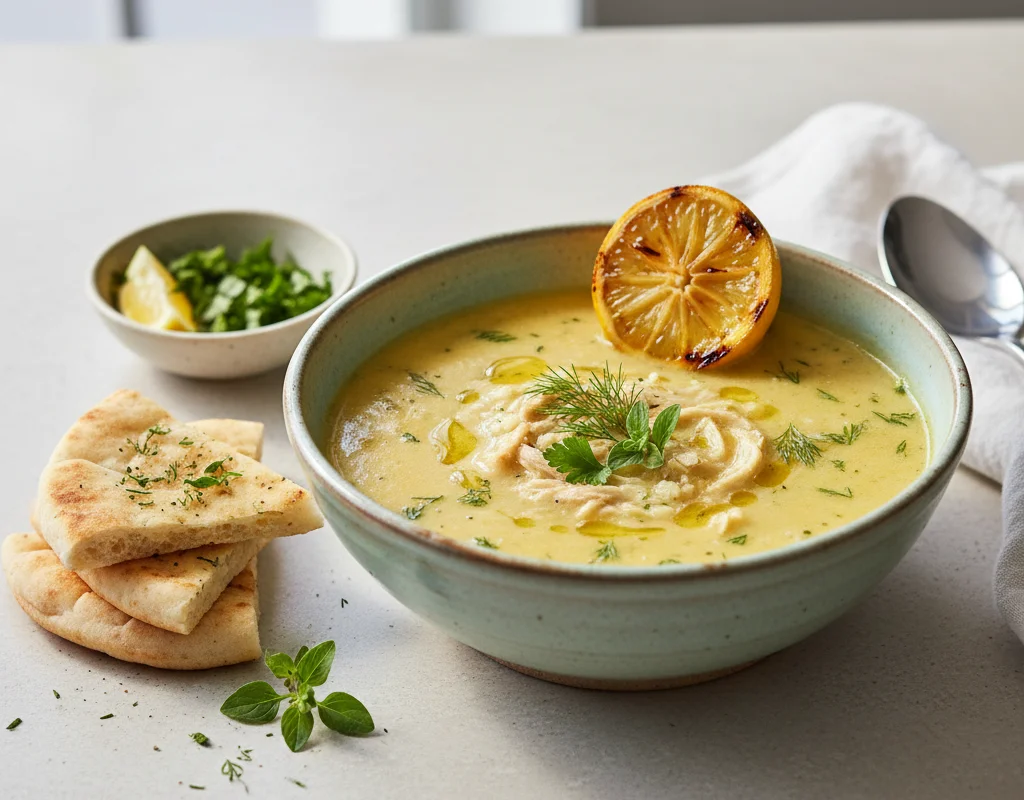
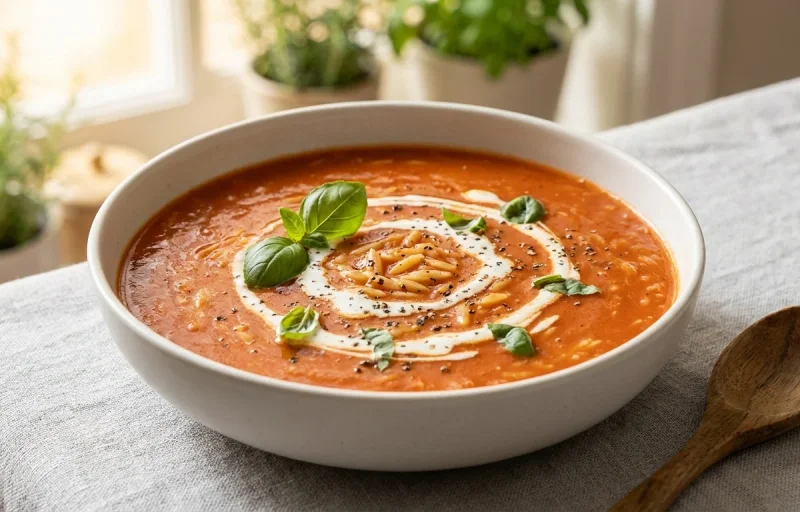
- 4Its small, rice-like shape makes it an excellent addition to soups, stews, and pilafs, as it cooks quickly and absorbs flavors well.
STORAGE
Keep it fresh.
- Store dry, uncooked orzo in an airtight container in a cool, dark, and dry place like a pantry for up to two years.
- Once cooked, store orzo in a sealed container in the refrigerator for 3 to 5 days.
FAQ
Frequently asked questions.
How much protein and carbohydrates are in orzo?
Per 100g of dry orzo, there are approximately 12.9g of protein and 74.3g of carbohydrates. It also contains about 371 calories and 1.5g of fat. These values contribute to its role as an energy-dense food.
Is orzo keto-friendly?
No, orzo is not keto-friendly. The ketogenic diet requires a very low carbohydrate intake, and orzo contains a significant amount of carbohydrates (74.3g per 100g dry). It would quickly exceed the daily carb limit for a keto diet.
What does orzo taste like and what is it used for?
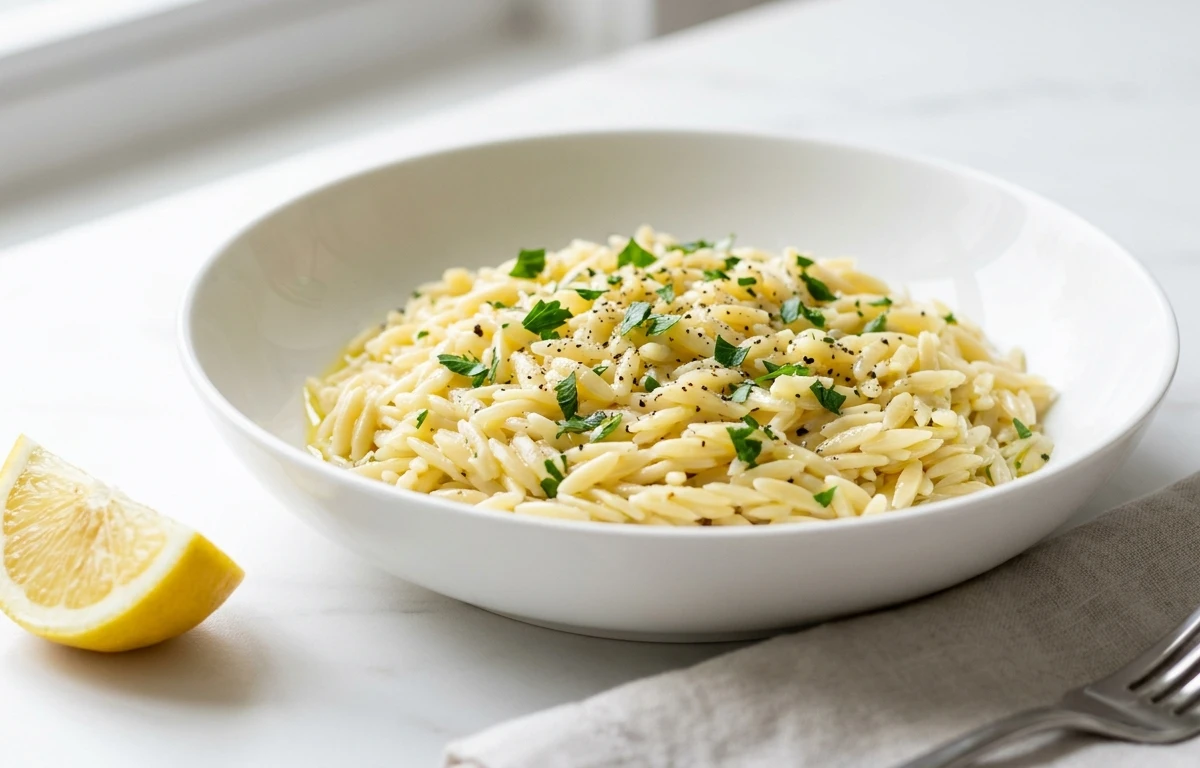
Orzo has a mild, slightly nutty flavor, similar to other small pasta shapes. Its rice-like appearance makes it versatile for various dishes. It's commonly used in soups, salads, pilafs, casseroles, and as a side dish, absorbing flavors from other ingredients well.
How do you store uncooked and cooked orzo?
Uncooked orzo should be stored in an airtight container in a cool, dry pantry, where it can last for up to two years. Cooked orzo should be refrigerated in a sealed container and consumed within 3-5 days. Freezing cooked orzo is also possible for longer storage.
Can orzo be substituted for rice or other pasta?
Yes, orzo makes an excellent substitute for rice in many dishes, especially pilafs, risottos (often called "orzotto"), and as a side dish. It can also replace other small pasta shapes in soups and salads, offering a similar texture and ability to absorb flavors.
RECIPES
Cook with orzo.
1 recipes · sorted by what’s quick