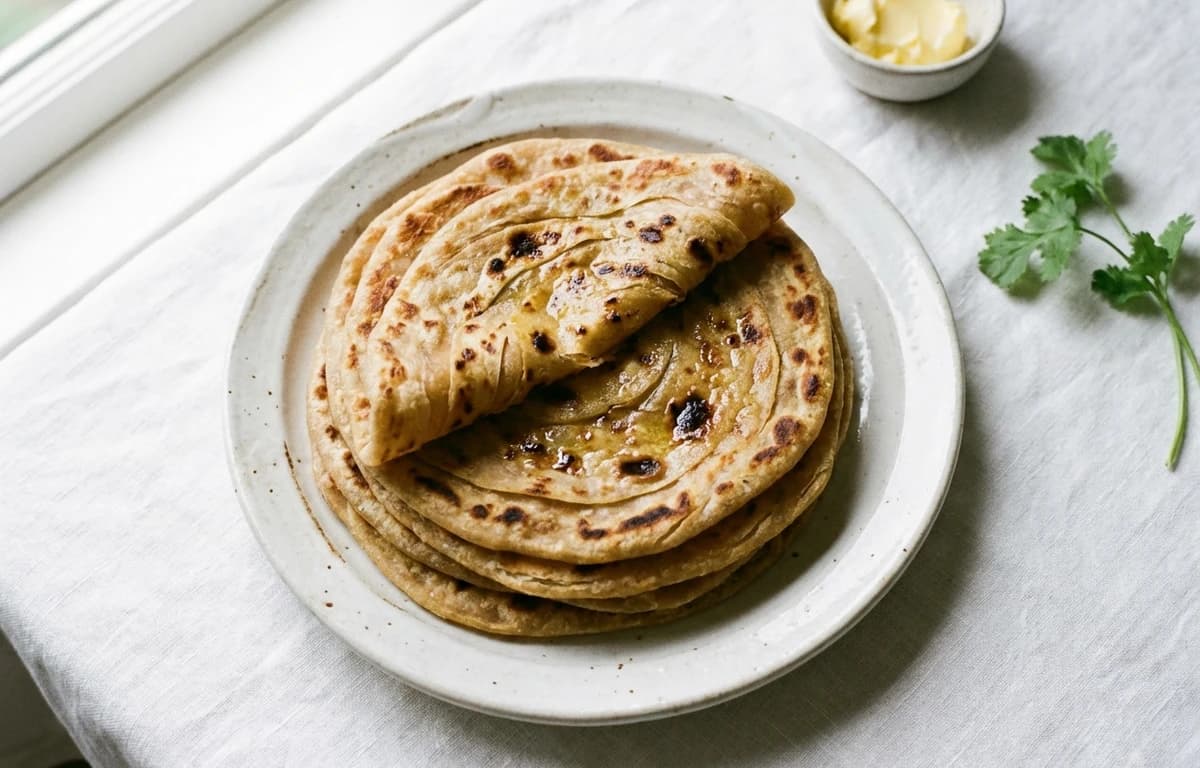
paratha
Also known as: parotta, paratha bread, Indian flatbread, पराठा
Loading...
Also known as: parotta, paratha bread, Indian flatbread, पराठा
Per 100g
Nutrition data source: USDA FoodData Central
Common measurement equivalents in grams
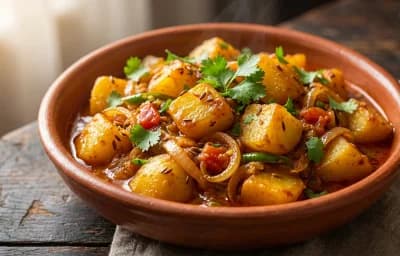
A simple and comforting North Indian curry made with tender potatoes and sweet onions, simmered in a light tomato and spice gravy. This quick everyday dish is perfect with hot rotis or parathas.
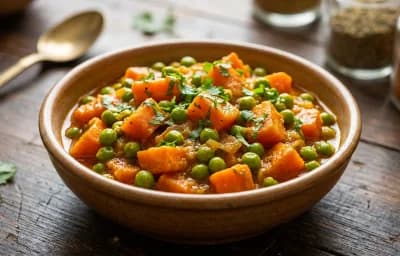
A vibrant and comforting North Indian stir-fry of sweet carrots and tender green peas. This simple, everyday sabzi comes together quickly and is perfect with hot rotis or parathas for a wholesome meal.
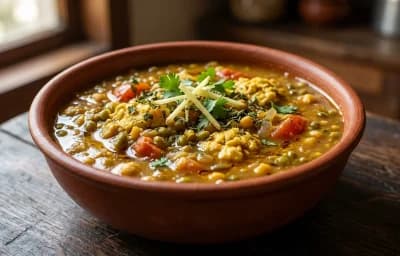
A hearty and popular Bengali dhaba-style curry made with whole green lentils and scrambled eggs. This protein-packed dish is incredibly flavorful and perfect with roti or paratha.
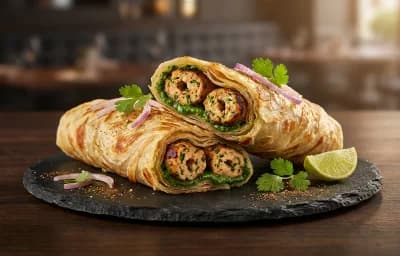
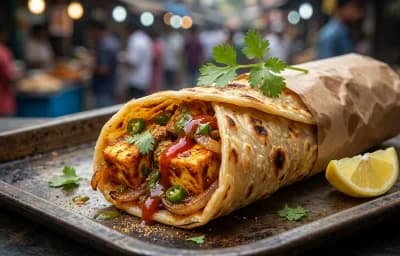
Juicy, spiced chicken seekh kebabs, grilled to perfection and wrapped in a soft paratha with tangy mint chutney and crisp onions. A popular Indian street food that's incredibly satisfying and easy to make at home.
Paratha provides energy from carbohydrates, essential for daily activities, and can be a base for nutrient-dense fillings like vegetables or legumes. However, it is relatively high in calories and fat (especially if made with ghee), so moderation is key. It also contains some B vitamins and minerals from the flour.
A 100g serving of plain paratha contains approximately 326 calories and 45.35g of carbohydrates. The exact nutritional content can vary based on the type of flour, amount of fat used, and any fillings.
Due to its relatively high calorie and fat content (around 326 calories and 13.2g fat per 100g), paratha is generally not considered ideal for weight loss when consumed in large quantities. However, it can be part of a balanced diet in moderation, especially if made with less oil and paired with low-calorie, high-fiber fillings.
No, traditional paratha is not gluten-free. It is typically made from whole wheat flour (atta), which contains gluten. Gluten-free versions would require alternative flours like rice flour or millet flour.
Traditional paratha is often made with ghee (clarified butter), which is a dairy product, making it not vegan. However, paratha can easily be made vegan by using oil (like vegetable oil or olive oil) instead of ghee for cooking and kneading.
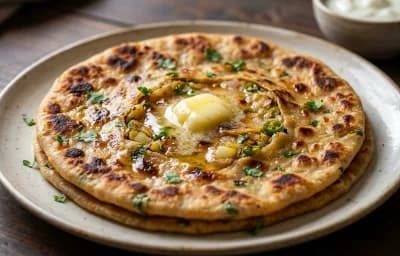
Paratha is typically cooked on a hot griddle or tawa. It's rolled out, often layered with fat and folded to create flaky layers, then pan-fried with a little oil or ghee until golden brown and cooked through on both sides.
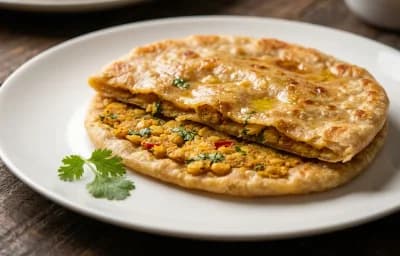
Plain paratha has a slightly nutty, savory flavor from the wheat flour, with a rich, flaky texture due to the fat used in its preparation. The taste can vary significantly with fillings, ranging from spicy potato (aloo paratha) to savory paneer or sweet jaggery.
paratha is a versatile ingredient found in cuisines around the world. With 326 calories per 100g and 6.36 grams of protein, it's a nutritious addition to many dishes.
Explore more ingredients in the other category with complete nutrition information.
View all other →Cooked parathas can be stored in an airtight container in the refrigerator for 2-3 days. Uncooked, rolled parathas can be layered with parchment paper and frozen for up to a month, then cooked directly from frozen.
Diabetics can consume paratha in moderation, but it's important to consider the carbohydrate content (45.35g per 100g) and choose whole wheat versions over refined flour. Pairing it with high-fiber, low-glycemic index foods like vegetables or lean protein can help manage blood sugar levels. Portion control is crucial.
Both are Indian flatbreads, but paratha is typically richer and flakier than roti. Paratha is often made with layers of fat (ghee or oil) and folded multiple times before rolling, giving it a distinct texture. Roti (or chapati) is usually made without fat during kneading or cooking, resulting in a softer, less flaky bread. Paratha can also be stuffed, while roti is usually plain.