Loading...
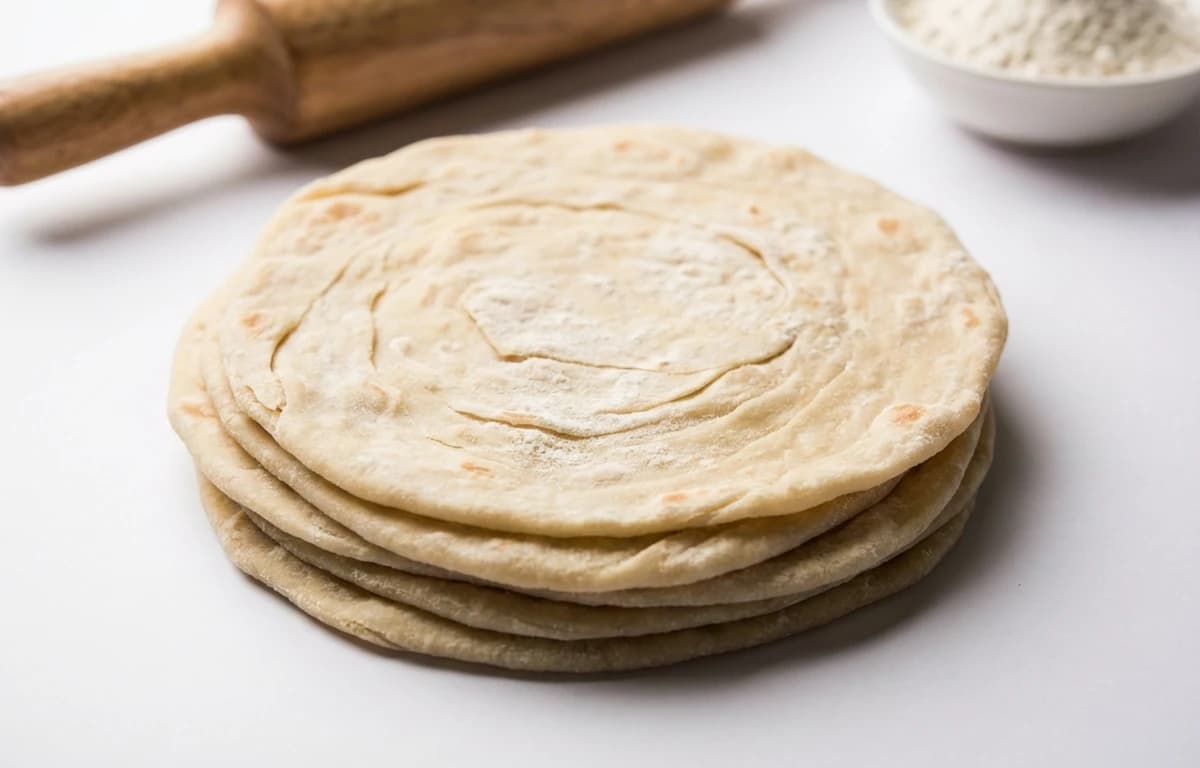
Also known as: parotta, paratha bread, Indian flatbread, पराठा, paratha, paratha flatbread
Per 100g
Nutrition data source: USDA FoodData Central
Common measurement equivalents in grams

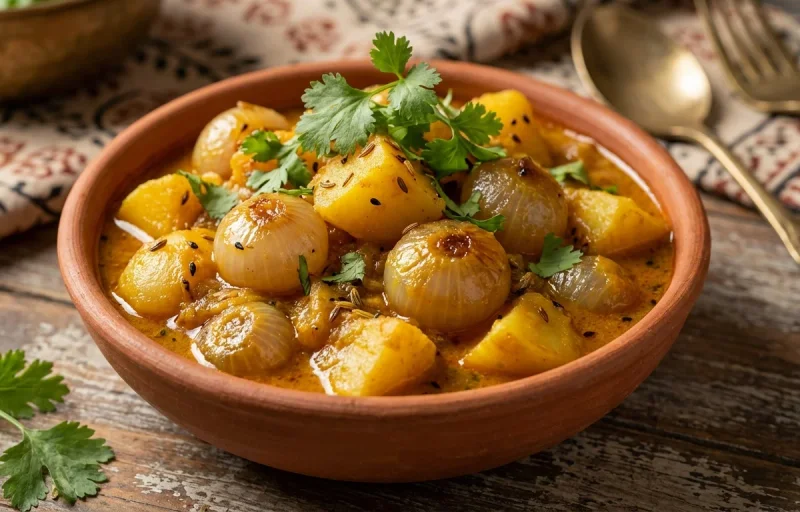
A simple and comforting North Indian curry made with tender potatoes and sweet onions, simmered in a light tomato and spice gravy. This quick everyday dish is perfect with hot rotis or parathas.
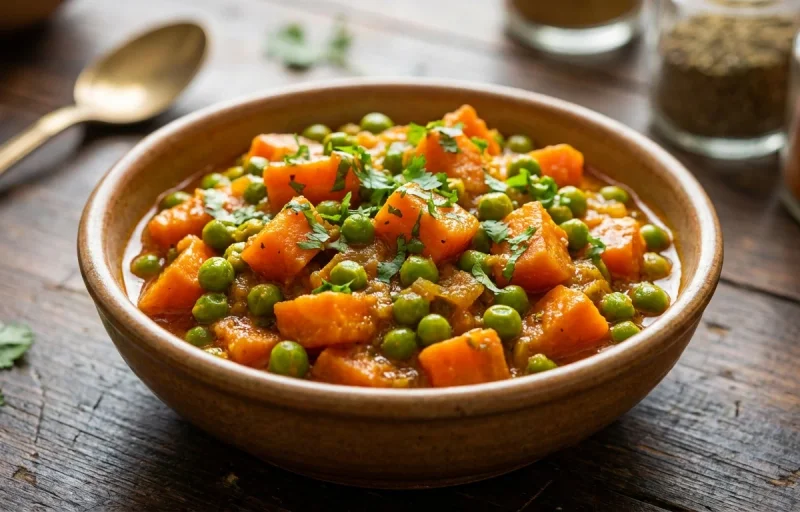
A vibrant and comforting North Indian stir-fry of sweet carrots and tender green peas. This simple, everyday sabzi comes together quickly and is perfect with hot rotis or parathas for a wholesome meal.
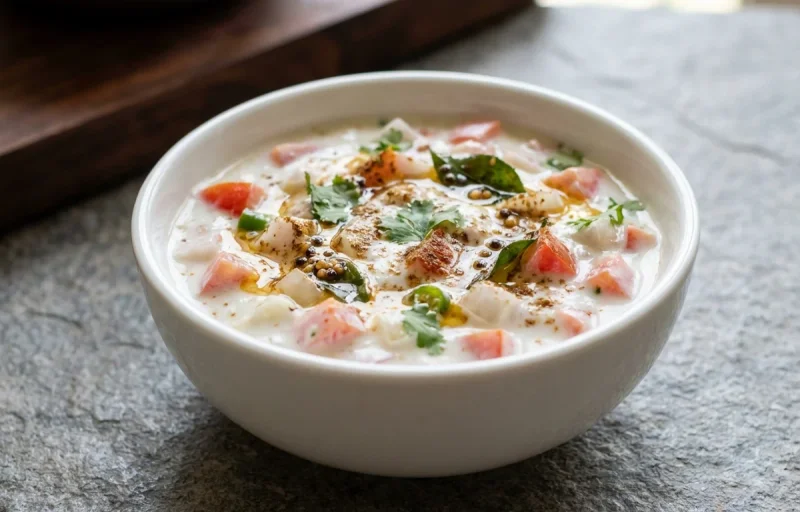
A refreshing and simple yogurt dip made with juicy tomatoes, crisp onions, and a fragrant tempering of spices. This quick and easy Tomato Raita is the perfect cooling side dish for spicy Indian meals like biryani, pulao, or parathas.

A taste of Kolkata's street food! Soft, flaky parathas wrapped around a spicy, tangy paneer filling with crunchy onions and a zesty sauce. A perfect quick meal or snack.
Parathas made with whole wheat flour are a good source of energy, fiber, and minerals like iron and magnesium. However, their healthiness depends on the amount of oil or ghee used during cooking. To keep them nutritious, use minimal fat and incorporate vegetable fillings like spinach or cauliflower.
A 100g serving of paratha typically contains about 290 calories and 40g of carbohydrates. They also provide approximately 8.5g of protein and 11g of fat, though these numbers can increase if they are stuffed with high-calorie ingredients like cheese or extra butter.
Parathas can be part of a weight loss diet if they are portion-controlled and cooked with very little oil. Because they are made from whole wheat, the fiber content helps with satiety. However, since they are calorie-dense, it is best to pair them with lean protein or yogurt rather than eating them in large quantities.
Parathas can be vegan if they are prepared with vegetable oil instead of ghee or butter. While the dough itself is usually just flour and water, many traditional recipes use dairy-based fats for frying, so it is important to verify the cooking fat used.
No, traditional parathas are not gluten-free because they are made from whole wheat flour (atta). For a gluten-free alternative, you would need to use flours like millet, sorghum, or a specific gluten-free all-purpose blend.
No, parathas are not keto-friendly as they are high in carbohydrates, containing roughly 40g of carbs per 100g. A standard ketogenic diet requires much lower carb intake, making wheat-based flatbreads unsuitable for this dietary pattern.
Parathas is a versatile ingredient found in cuisines around the world. With 290 calories per 100g and 8.5 grams of protein, it's a nutritious addition to many dishes.
Explore more ingredients in the grain product category with complete nutrition information.
View all grain product →Explore more ingredients similar to Parathas.
The most-searched ingredients on CraftMyMeals.
A roti is a simple, thin flatbread cooked without oil, whereas a paratha is thicker and shallow-fried with oil or ghee. Parathas are often layered (laccha) or stuffed with vegetables, making them richer and crispier than a standard roti.
Parathas are cooked on a hot flat griddle or tawa. After rolling the dough, place it on the heat and flip it once small bubbles appear; apply a teaspoon of oil or ghee to each side and press down with a spatula until golden brown spots form and the edges are crispy.
Store leftover parathas by wrapping them in aluminum foil or placing them in an airtight container once they have cooled. They will stay fresh in the refrigerator for 2 to 3 days. Reheat them on a hot pan for a minute on each side to regain their texture.
Yes, parathas freeze exceptionally well. Place a piece of parchment paper between each paratha to prevent them from sticking together, then seal them in a freezer-safe bag. They can be stored for up to 3 months and reheated directly on a hot pan from frozen.