Other
peaches.
VegetarianVeganGluten-freeDairy-freeNut-freePeanut-freeSoy-freeEgg-freeShellfish-freeHoney-freeAlcohol-free
ALSO KNOWN AS
yellow peachfresh yellow peachaadupeachesraw yellow peach
SERVING
CALORIES
39
PROTEIN
0.91g
CARBS
9.5g
FAT
0.25g
FIBER
1.5g
This ingredient is flagged as naturally gluten-free. Per 100 g, it provides 2.6 µg of vitamin K.
NUTRITION PROFILE · per 100 g
Everything in this ingredient.
MACRONUTRIENTS
Calories39kcal—
Protein0.91g2%
Carbohydrates9.5g3%
Fiber1.5g5%
Sugar8.4g17%
Total fat0.25g0%
Saturated fat0.02g0%
Trans fat0g—
Cholesterol0mg0%
Water88.9g—
MINERALS
Sodium0mg0%
Potassium190mg4%
Calcium6.0mg0%
Iron0.25mg1%
Magnesium9.0mg2%
Phosphorus20mg2%
Zinc0.17mg2%
Copper0.07mg8%
Manganese0.06mg3%
Selenium0.10µg0%
VITAMINS
Vitamin A16µg2%
Vitamin C6.6mg7%
Vitamin D0µg0%
Vitamin E0.73mg5%
Vitamin K2.6µg2%
Thiamin (B1)0.02mg2%
Riboflavin (B2)0.03mg2%
Niacin (B3)0.81mg5%
Pantothenic acid (B5)0.15mg3%
Vitamin B60.03mg2%
Folate (B9)4.0µg1%
Vitamin B120µg0%
%DV based on a 2,000 cal diet. Source: USDA FoodData Central. A dash in the %DV column means there’s no established Daily Value for that nutrient.
MEASUREMENT CONVERSIONS
How much is what.
1 cup170g
1 tablespoon10.6g
1 teaspoon3.5g
1 ml0.7g
1 liter708.3g
1 piece150g
HEALTH BENEFITS
Why eat it.
- ✓A good source of dietary fiber, promoting digestive health and regular bowel movements.
- ✓High water content contributes to hydration, which is essential for skin health and overall bodily functions.
COOKING TIPS
In the kitchen.
- 1To easily peel, blanch peaches in boiling water for 30-60 seconds, then plunge into an ice bath; the skins will slip off.
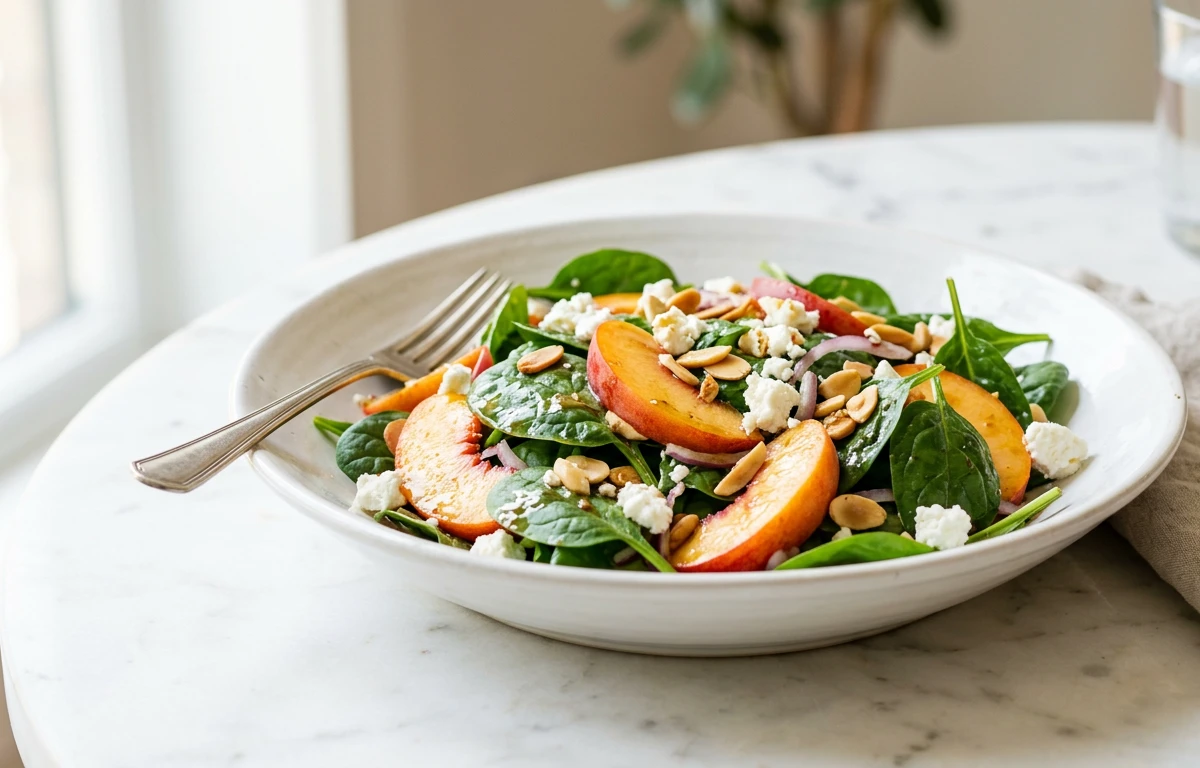
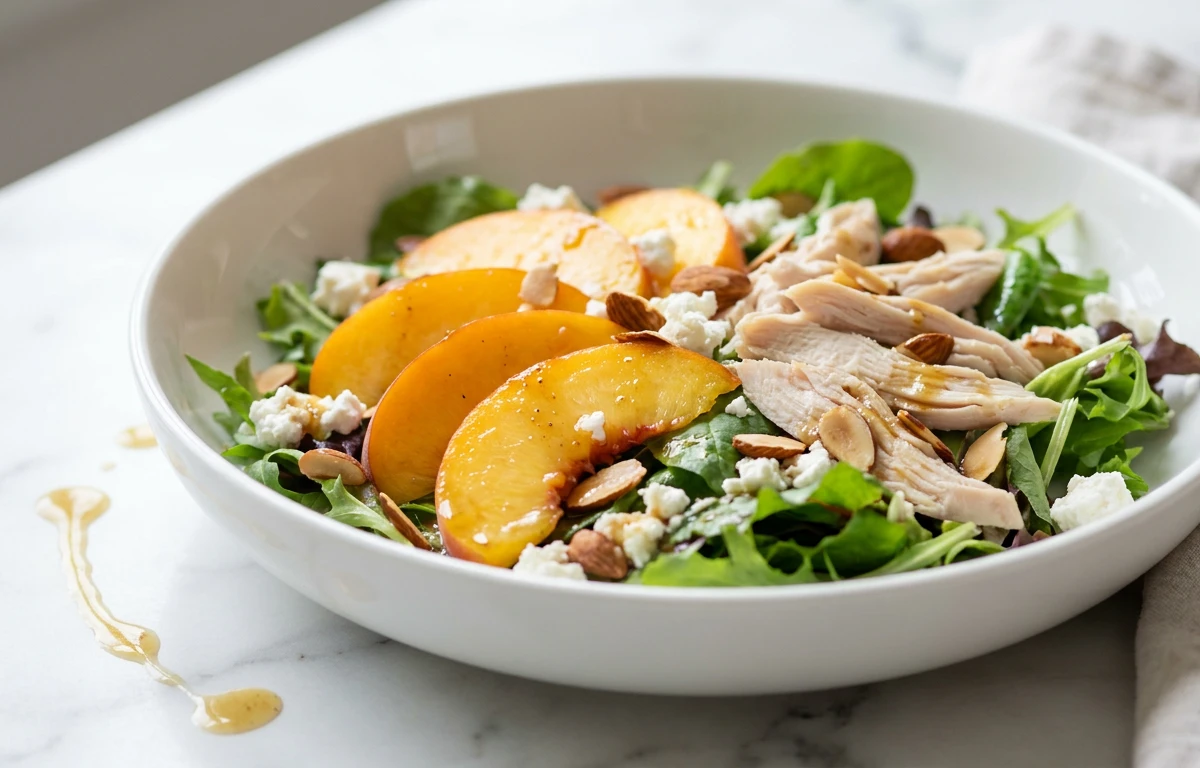
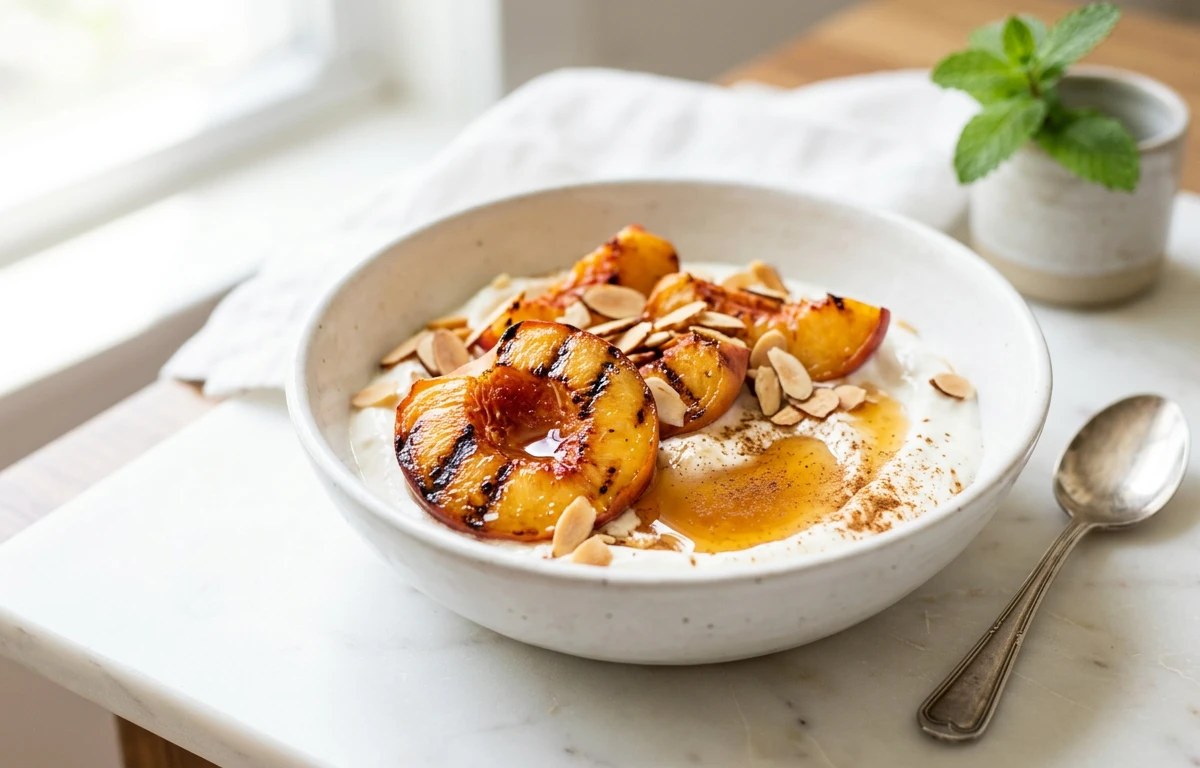
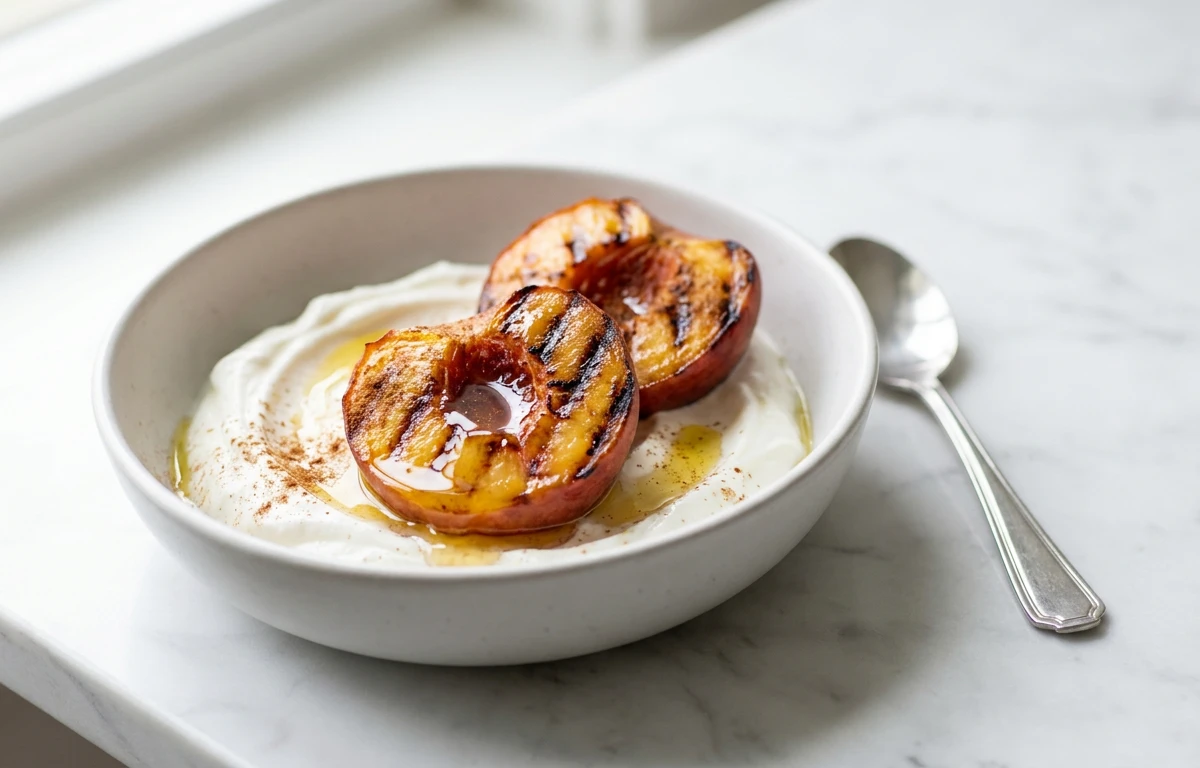
- 2Grilling or roasting peaches caramelizes their natural sugars, making them a delicious addition to salads, desserts, or savory dishes.
- 3For baking, choose freestone varieties as the pit is easier to remove than in clingstone varieties.
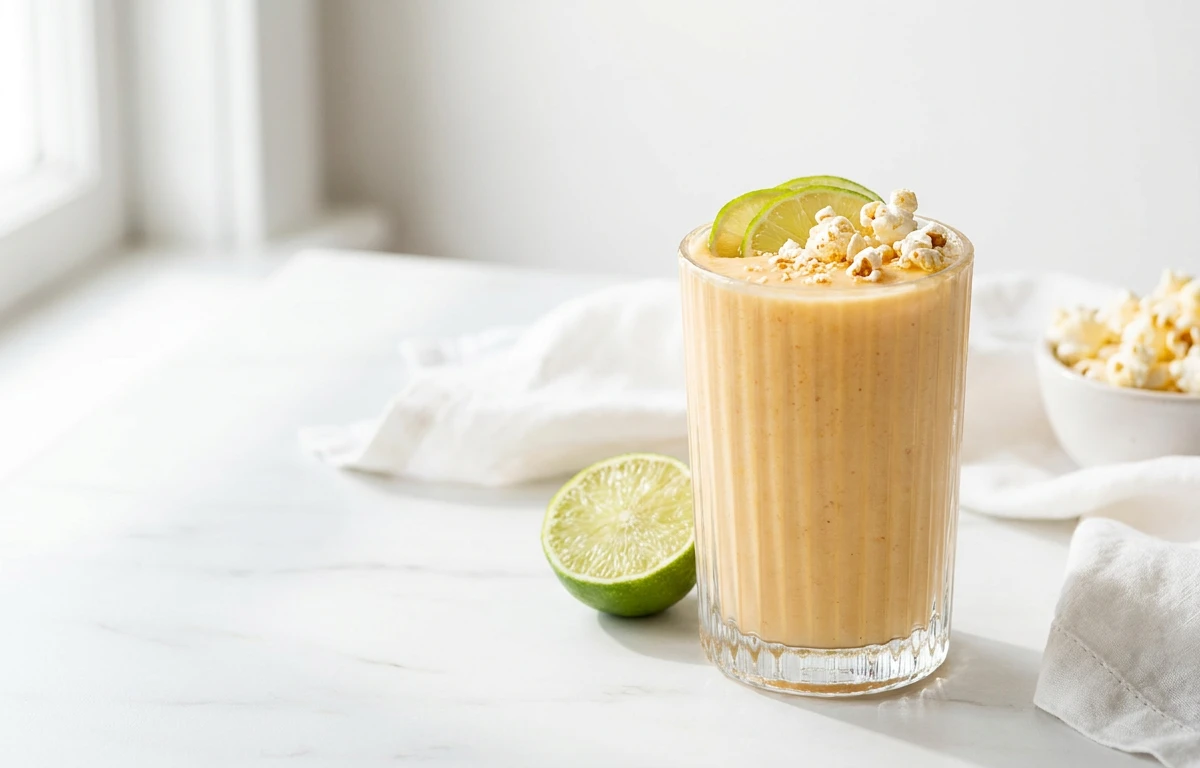
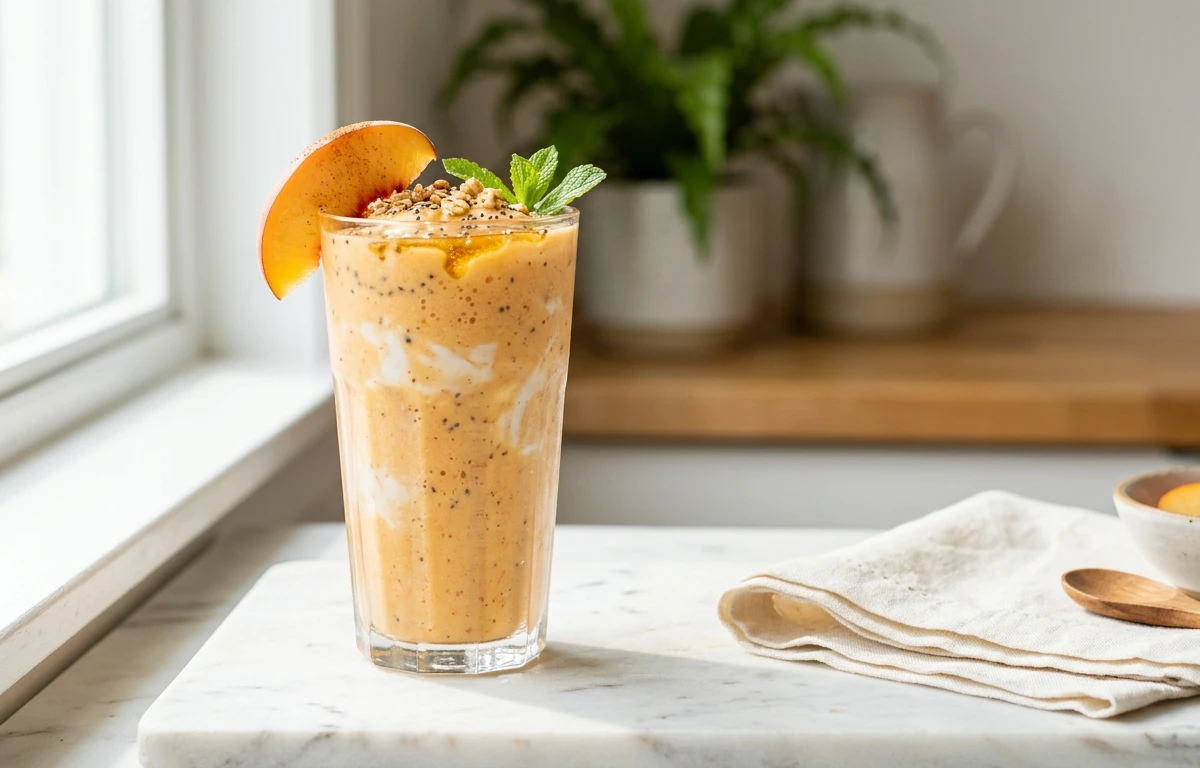
- 4Pureed peaches can be used to make sauces, smoothies, bellinis, or frozen into sorbets.
STORAGE
Keep it fresh.
- Store unripe peaches at room temperature in a single layer until they are fragrant and yield to gentle pressure.
- Once ripe, place peaches in a refrigerator crisper drawer where they will keep for 3 to 5 days.
FAQ
Frequently asked questions.
How many calories and carbs are in peaches?
A 100-gram serving of fresh peaches contains approximately 39 calories and about 9.54 grams of carbohydrates. They are also very low in fat (0.25g) and provide a small amount of protein (0.91g).
Are peaches vegan and gluten-free?
Yes, fresh peaches are naturally vegan as they are a fruit and contain no animal products. They are also naturally gluten-free, making them suitable for individuals following a gluten-free diet.
How do you know if a peach is ripe?
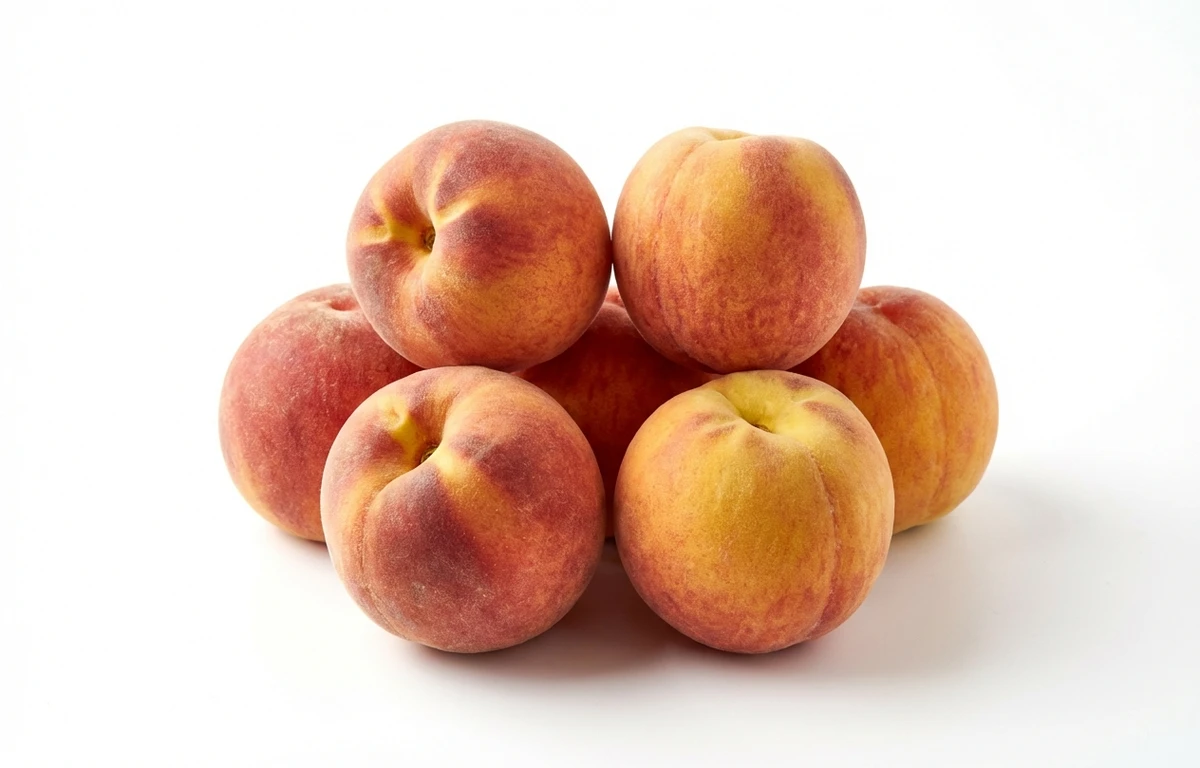
A ripe peach will have a fragrant, sweet aroma and a slightly soft feel when gently squeezed, especially around the stem end. Avoid peaches that are too hard, bruised, or have green areas, as they may not ripen well or are not ready to eat.
How should I store peaches?
Store unripe peaches at room temperature on the counter until they soften and become fragrant. Once ripe, refrigerate them in a plastic bag or crisper drawer for up to a week to slow down the ripening process and extend their freshness.
Do I need to peel peaches before eating them?
No, you don't need to peel peaches. The skin is edible and contains additional fiber and nutrients. However, some people prefer to peel them due to the fuzzy texture or for certain recipes; a quick blanch in boiling water makes peeling easier.
What are some common ways to eat or cook peaches?
Peaches are delicious eaten fresh as a snack or added to salads and smoothies. They are also excellent cooked, whether grilled, baked in pies and crumbles, or simmered into jams and sauces. They pair well with both sweet and savory dishes.
RECIPES
Cook with peaches.
0 recipes · sorted by what’s quick