Vegetable10 recipes
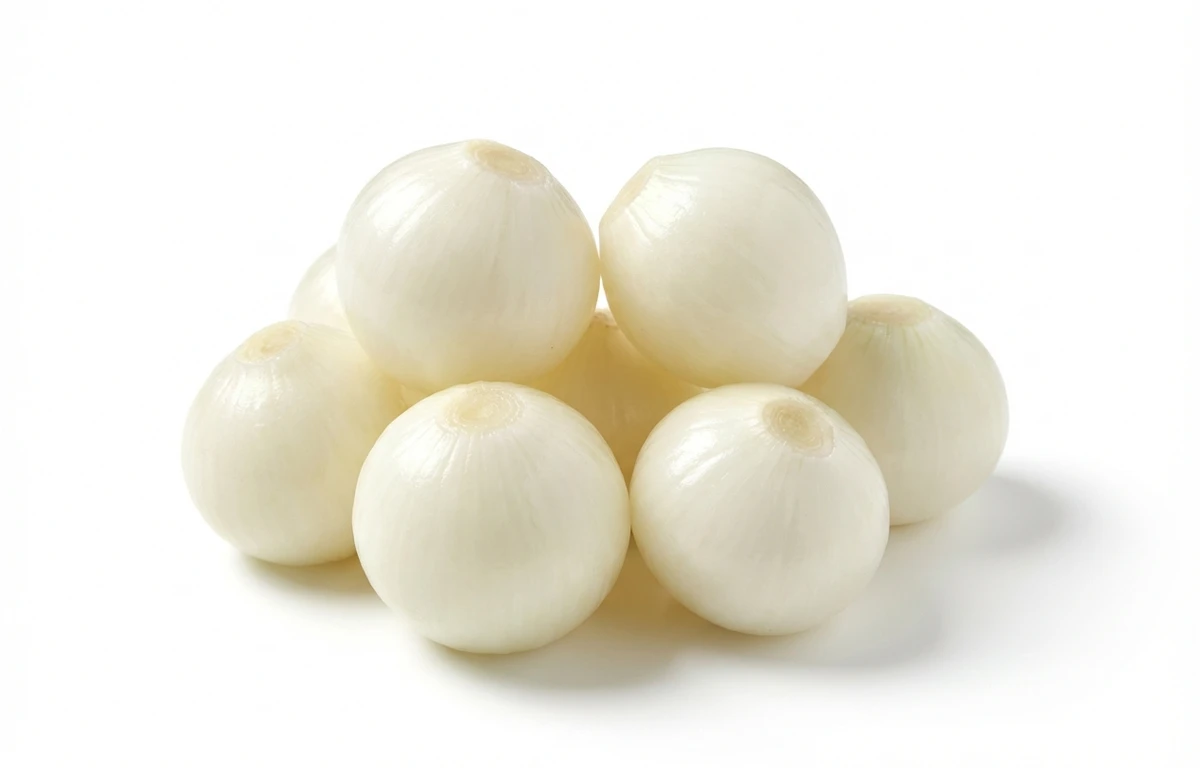
pearl onions.
VegetarianVeganGluten-freeDairy-freeNut-freePeanut-freeSoy-freeEgg-freeShellfish-freeHoney-freeAlcohol-freeHalalKosher
ALSO KNOWN AS
sambar onionsPearl Onionbutton onionscocktail onionsbaby onions
SERVING
CALORIES
40
PROTEIN
1.1g
CARBS
9.3g
FAT
0.10g
FIBER
1.7g
This ingredient is flagged as naturally gluten-free. Per 100 g, it provides 1.0 µg of vitamin K.
NUTRITION PROFILE · per 100 g
Everything in this ingredient.
MACRONUTRIENTS
Calories40kcal—
Protein1.1g2%
Carbohydrates9.3g3%
Fiber1.7g6%
Sugar4.2g8%
Total fat0.10g0%
Saturated fat0.04g0%
Cholesterol0mg0%
Water89.1g—
MINERALS
Sodium4.0mg0%
Potassium146mg3%
Calcium23mg2%
Iron0.21mg1%
Magnesium14.8mg4%
Phosphorus3.7mg0%
Zinc0.17mg2%
Copper0.04mg4%
Selenium0.74µg1%
VITAMINS
Vitamin A0µg0%
Vitamin C7.4mg8%
Vitamin D0µg0%
Vitamin E0.72mg5%
Vitamin K1.0µg1%
Thiamin (B1)0.03mg3%
Riboflavin (B2)0.03mg2%
Niacin (B3)0.24mg2%
Vitamin B60.16mg9%
Folate (B9)24.1µg6%
Vitamin B120µg0%
%DV based on a 2,000 cal diet. Source: USDA FoodData Central. A dash in the %DV column means there’s no established Daily Value for that nutrient.
MEASUREMENT CONVERSIONS
How much is what.
1 cup150g
1 tablespoon11.6g
1 teaspoon3.9g
1 ml0.8g
1 liter770.8g
1 piece8g
HEALTH BENEFITS
Why eat it.
- ✓Contains sulfur compounds that may support cardiovascular health by helping to lower cholesterol and blood pressure.
- ✓Provides prebiotic fiber that supports the growth of beneficial gut bacteria, aiding in digestive health.
COOKING TIPS
In the kitchen.
- 1To peel easily, trim the root end, blanch in boiling water for 60 seconds, then plunge into an ice bath. The skins will slip off easily when squeezed.
- 2Ideal for glazing with butter, sugar, or balsamic vinegar to create a sweet and savory side dish.
- 3Roast them whole alongside meats or other vegetables; their small size allows them to caramelize beautifully and develop a deep, sweet flavor.
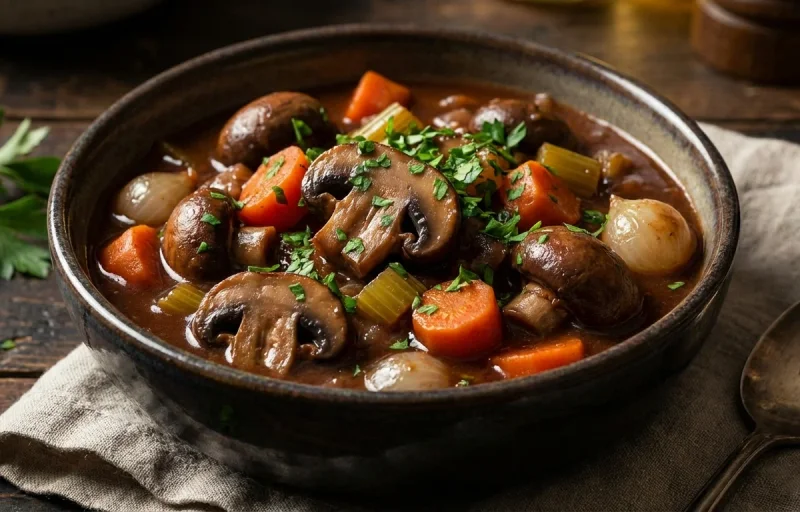
- 4Add them whole to stews, braises, and pot roasts like Boeuf Bourguignon, where they absorb the cooking liquid and add a mild, sweet onion flavor.
STORAGE
Keep it fresh.
- Store unpeeled pearl onions in a cool, dark, dry place with good air circulation, such as a mesh bag in a pantry, for up to two months.
- Once peeled, store them in an airtight container in the refrigerator for up to 7 days.
- For long-term storage, blanch peeled onions for two minutes, cool in an ice bath, and freeze in a single layer before transferring to a freezer bag for up to 6 months.
FAQ
Frequently asked questions.
Are pearl onions vegan and gluten-free?
Yes, pearl onions are naturally vegan as they are a plant-based vegetable. They are also inherently gluten-free, making them suitable for individuals following these dietary restrictions.
What do pearl onions taste like and how are they best used in cooking?
Pearl onions have a milder, sweeter, and less pungent flavor than larger onions, especially when cooked. They are excellent for pickling, roasting, braising, or adding whole to stews, casseroles, and creamed dishes, where their small size and delicate flavor shine.
What is the easiest way to peel pearl onions?
To easily peel pearl onions, blanch them briefly in boiling water for 30-60 seconds, then immediately transfer them to an ice bath. The skins will loosen, allowing you to easily snip off the root end and squeeze the onion out of its skin.
How should you store fresh pearl onions?
Store fresh pearl onions in a cool, dry, dark, and well-ventilated place, such as a pantry or cellar. Avoid refrigerating them, as the moisture can cause them to spoil faster. Stored properly, they can last for several weeks.
Can pearl onions be eaten raw?
While technically edible raw, pearl onions are typically not eaten raw due to their slightly pungent flavor, similar to other small onions. They are usually cooked to mellow their taste and bring out their sweetness, making them more palatable.
What is the difference between pearl onions and regular onions?
Pearl onions are much smaller, typically less than an inch in diameter, and have a milder, sweeter flavor compared to larger regular onions. They are often used whole in dishes for their delicate taste and attractive appearance, whereas regular onions are usually chopped or sliced.
RECIPES
Cook with pearl onions.
10 recipes · sorted by what’s quick