Loading...
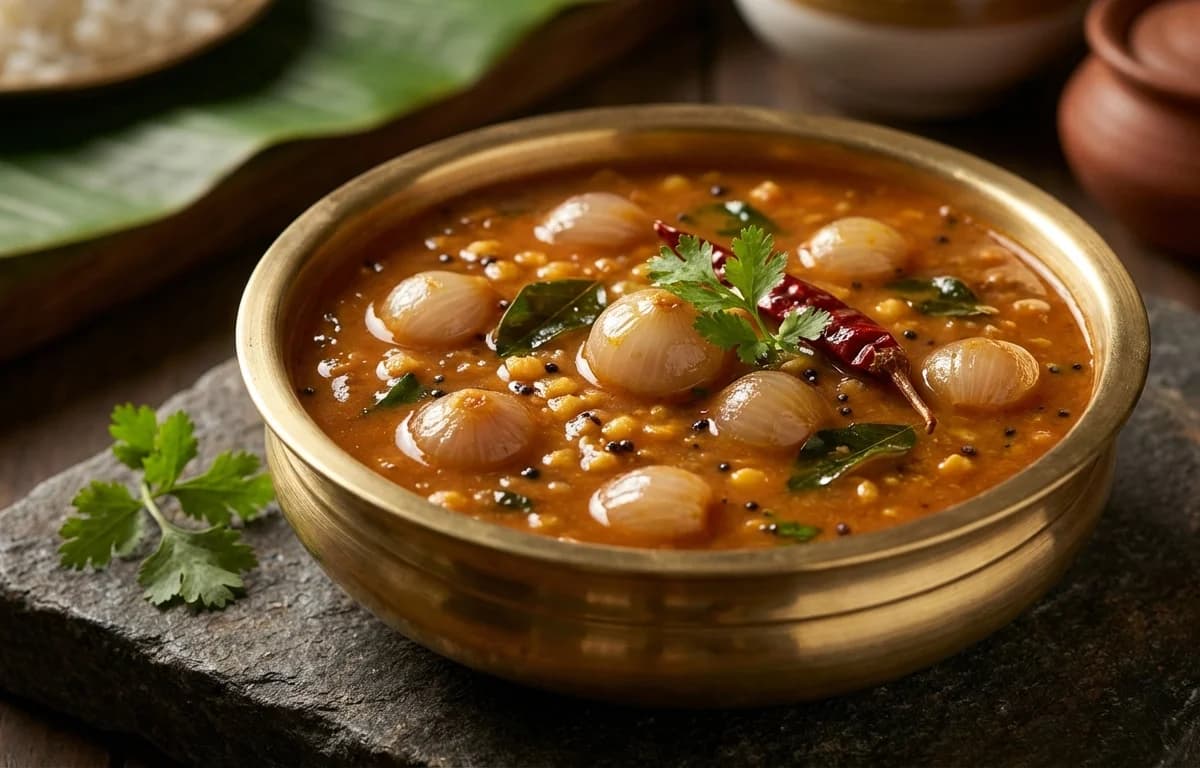
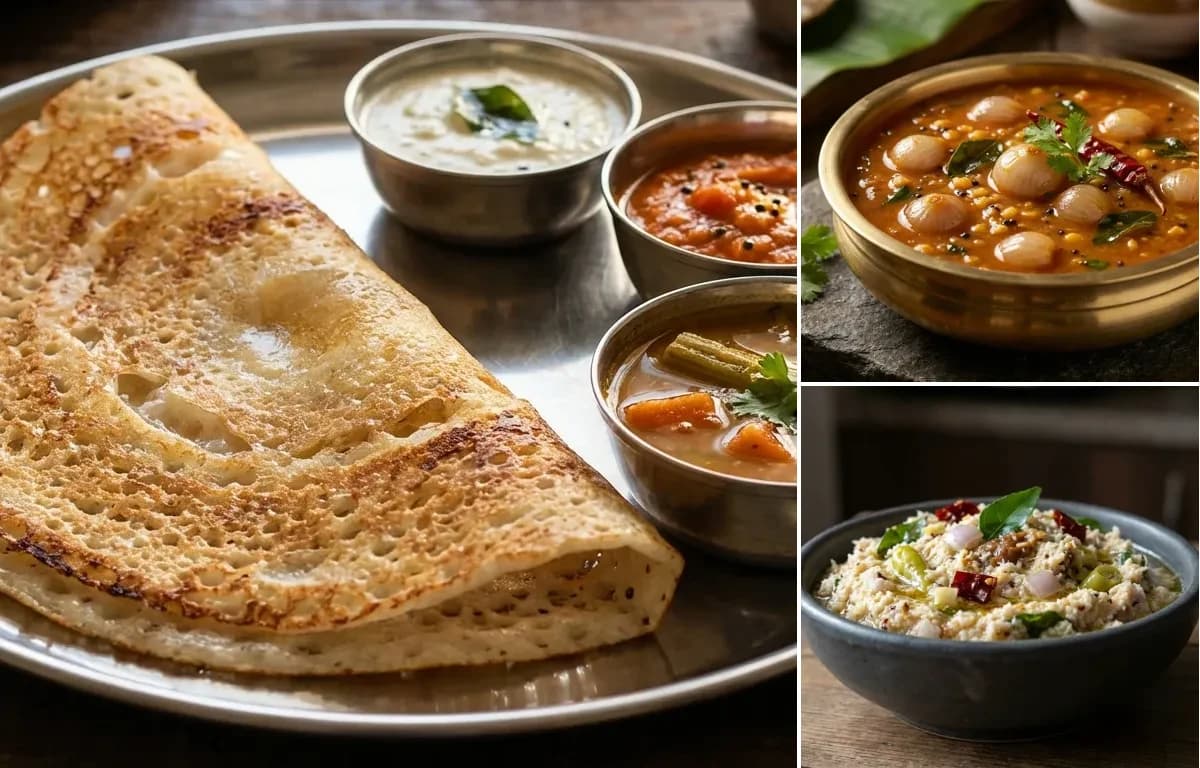
A classic South Indian lentil stew featuring sweet, tender pearl onions simmered in a tangy tamarind broth with aromatic spices. This flavorful sambar is the perfect accompaniment to idli, dosa, or steamed rice.
For 4 servings
Cook the Dal
Prepare the Sambar Base
A classic South Indian lentil stew featuring sweet, tender pearl onions simmered in a tangy tamarind broth with aromatic spices. This flavorful sambar is the perfect accompaniment to idli, dosa, or steamed rice.
This south_indian recipe takes 50 minutes to prepare and yields 4 servings. At 280.22 calories per serving with 10.52g of protein, it's a moderately challenging recipe perfect for lunch or dinner.
Discover authentic recipes from cuisines around the world.
Find recipes that fit your dietary preferences.
Find recipes optimized for your goal.
Combine and Simmer
Prepare the Tempering (Tadka)
Finish and Serve
Incorporate other vegetables like drumsticks, carrots, or yellow pumpkin along with the pearl onions for added nutrition and texture. Add them after sautéing the onions and cook until tender.
For a richer, creamier sambar, grind 2 tablespoons of fresh grated coconut with a little water to a fine paste and add it to the sambar during the final 5 minutes of simmering.
You can make this sambar with a mix of toor dal and masoor dal (red lentils) for a different texture and quicker cooking time.
Toor dal is an excellent source of vegetarian protein, which is essential for building and repairing tissues, muscle maintenance, and overall body function.
The combination of lentils and onions provides a significant amount of dietary fiber, which aids in digestion, promotes gut health, and helps in maintaining stable blood sugar levels.
Spices like turmeric, along with antioxidants from tamarind and onions (especially quercetin), help in fighting free radicals and strengthening the immune system.
Traditional spices used in the tempering, such as hing (asafoetida) and fenugreek seeds, are known for their digestive properties, helping to reduce bloating and indigestion.
One cup (approx. 300g) of Ulli Sambar contains approximately 180-220 calories, depending on the amount of oil used. It's a relatively low-calorie and nutritious dish.
Yes, Ulli Sambar is very healthy. It's rich in plant-based protein and dietary fiber from the lentils, and packed with vitamins and minerals from the onions and spices. It's a wholesome and balanced dish.
Absolutely. To cook the dal without a pressure cooker, soak it for 30 minutes, then cook it in a covered pot with 3 cups of water for about 45-60 minutes, or until it's completely soft and mashable.
Shallots are the best substitute as they have a similar sweet and mild flavor profile. If you can't find either, you can use one large red onion, chopped into 1-inch cubes.
Ulli Sambar can be stored in an airtight container in the refrigerator for up to 3-4 days. The flavor often improves the next day. Reheat thoroughly before serving.
This recipe is naturally vegan. To ensure it is gluten-free, use a pure, gluten-free asafoetida (hing), as some commercial varieties are compounded with wheat flour.
This recipe goes great with these complete meals

A warm, savory breakfast dish made from roasted semolina and simple spices. This quick, comforting, and classic South Indian tiffin item is soft, fluffy, and ready in under 30 minutes.
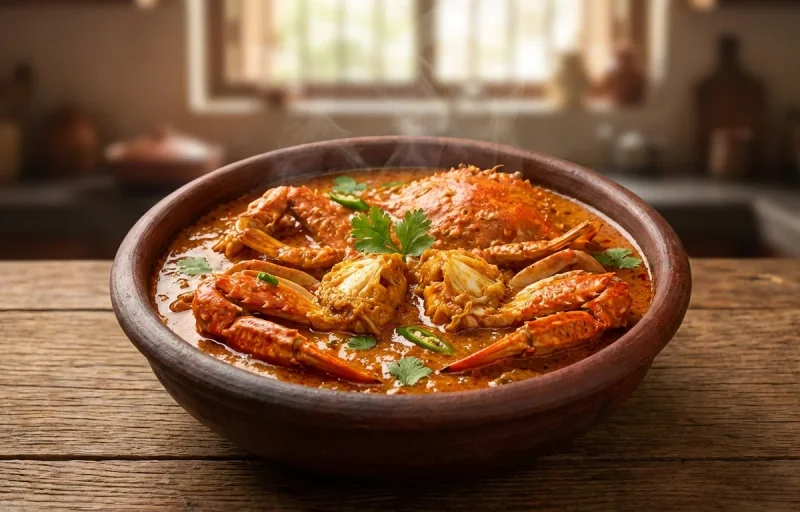
A fiery and tangy Mangalorean crab curry made with a freshly ground coconut and roasted spice masala. This coastal Karnataka specialty bursts with flavor and is best enjoyed with steamed rice or neer dosa.
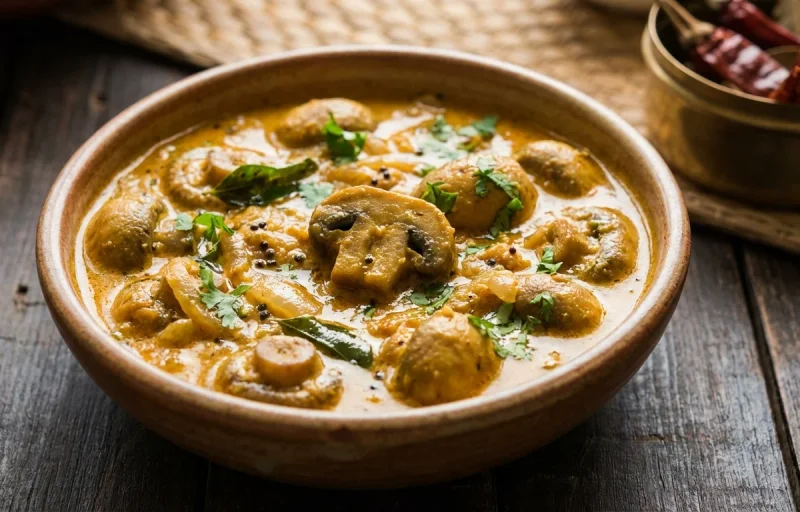
A classic Mangalorean curry featuring earthy mushrooms in a rich, tangy gravy made from roasted spices and fresh coconut. This flavorful dish, known as 'Anabe Gashi', pairs perfectly with steamed rice or neer dosa for a comforting South Indian meal.

A traditional Konkani curry made with tender raw jackfruit simmered in a fragrant, tangy coconut masala. This authentic dish from the Mangalorean coast offers a unique blend of sweet, sour, and spicy flavors, perfect with steamed rice.