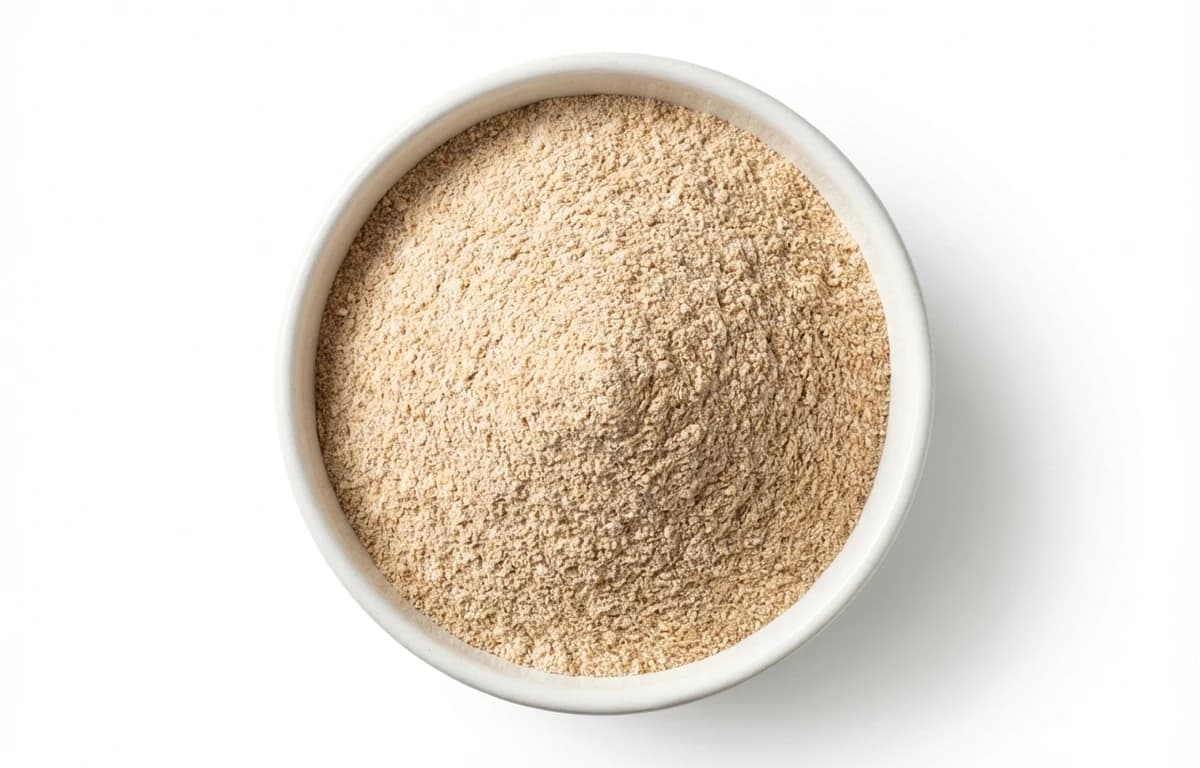
phulka
Also known as: roti, chapati, Indian flatbread, फुल्का
Loading...
Also known as: roti, chapati, Indian flatbread, फुल्का
Per 100g
Nutrition data source: USDA FoodData Central
Common measurement equivalents in grams
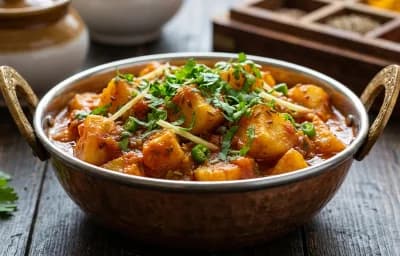
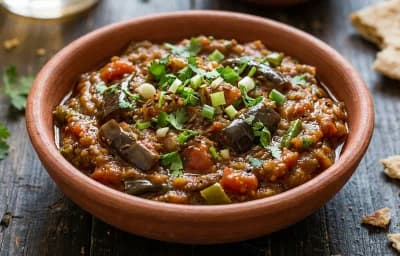
A classic Sindhi potato curry where tender potatoes are simmered in a fragrant green masala of cilantro, green chilies, and tangy tomatoes. This simple, flavorful, and semi-dry dish comes together quickly and is a perfect accompaniment to hot rotis or phulkas.
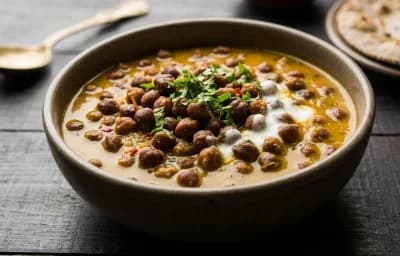
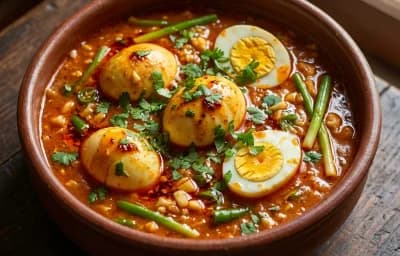
A tangy and savory black chickpea curry straight from the heart of Rajasthan. Made without onions or garlic, its unique gravy from yogurt and chickpea flour is creamy, delicious, and pairs perfectly with hot phulkas or rice.
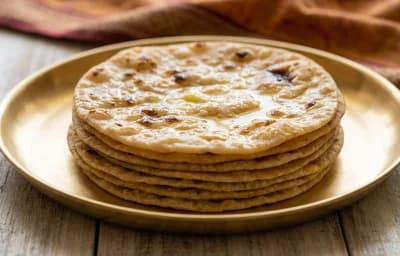
Soft, thin, and delicate whole wheat flatbreads, puffed to perfection and generously brushed with ghee. This everyday Gujarati staple, also known as Phulka, is the perfect companion for any dal, shaak, or curry.
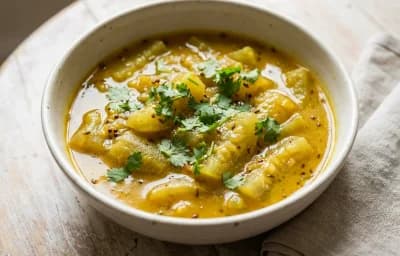
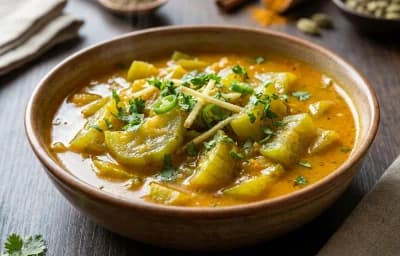
A simple and comforting Gujarati curry made with tender ridge gourd. Lightly spiced with a hint of sweetness and tang, this shaak is a perfect everyday meal served with hot rotis or phulkas.
Yes, phulka is generally considered healthy, especially when made from whole wheat flour. It's a good source of dietary fiber, aiding digestion and promoting satiety. It also provides complex carbohydrates for sustained energy and essential minerals like magnesium and iron.
Per 100g, phulka contains approximately 297 calories, 11.5g of protein, and 58.2g of carbohydrates. It also has about 4.5g of fat. These values can vary slightly based on the exact recipe and size.
Phulka can be a good option for weight management due to its high fiber content from whole wheat, which helps you feel full longer. When prepared without oil or ghee, it is relatively low in fat and calories compared to other breads, making it a suitable part of a balanced diet.
No, phulka is not gluten-free. It is traditionally made from whole wheat flour (atta), which contains gluten. Individuals with celiac disease or gluten sensitivity should avoid phulka.
Diabetics can generally eat phulka in moderation as part of a controlled diet. Made from whole wheat, it has a lower glycemic index than refined flour breads, providing a slower release of sugar. However, portion control is crucial due to its carbohydrate content, and consulting a doctor or dietitian is recommended.
Phulka is made by kneading whole wheat flour with water to form a soft dough, then rolling it into thin, round discs. These are cooked on a hot griddle (tawa) until partially done, then briefly placed directly over an open flame, causing them to puff up like a balloon.
Phulka has a mild, slightly nutty flavor from the whole wheat flour. It's soft, light, and airy with a slightly chewy texture. It's typically served plain, allowing it to complement the flavors of curries, dals, and vegetables.
phulka is a versatile ingredient found in cuisines around the world. With 297 calories per 100g and 11.5 grams of protein, it's a nutritious addition to many dishes.
Explore more ingredients in the bread category with complete nutrition information.
View all bread →Freshly made phulkas are best consumed immediately. For short-term storage, wrap them in a clean cloth or aluminum foil and keep them in an airtight container at room temperature for up to a day. For longer storage, they can be refrigerated for 2-3 days.
Phulka is best eaten fresh, within a few hours of preparation. At room temperature, it can last up to 1 day. When refrigerated in an airtight container, it can last for 2-3 days, though it may become a bit drier.
Phulka is a type of roti, specifically a thin, unleavened whole wheat bread cooked without oil or ghee, and then puffed directly over a flame. While all phulkas are rotis, not all rotis are phulkas; some rotis might be thicker, cooked with oil, or not puffed. Phulka is known for its lightness and softness.