Condiment10 recipes
pickle.
VegetarianVeganGluten-freeDairy-freeNut-freePeanut-freeSoy-freeEgg-freeShellfish-freeHoney-freeAlcohol-freeFermented
SERVING
CALORIES
200
PROTEIN
2.0g
CARBS
10g
FAT
18g
FIBER
3.0g
NUTRITION PROFILE · per 100 g
Everything in this ingredient.
MACRONUTRIENTS
Calories200kcal—
Protein2.0g4%
Carbohydrates10g4%
Fiber3.0g11%
Sugar5.0g10%
Total fat18g23%
Saturated fat3.0g15%
Cholesterol5.0mg2%
Water60g—
MINERALS
Sodium1500mg65%
Potassium150mg3%
Calcium50mg4%
Iron1.0mg6%
Magnesium5.6mg1%
Phosphorus12.8mg1%
Zinc0.09mg1%
Copper0.02mg2%
Selenium0µg0%
VITAMINS
Vitamin A50µg6%
Vitamin C5.0mg6%
Vitamin E0.10mg1%
Vitamin K1.0µg1%
Thiamin (B1)0.04mg3%
Riboflavin (B2)0.05mg4%
Niacin (B3)0.09mg1%
Vitamin B60.03mg2%
Folate (B9)6.4µg2%
Vitamin B120µg0%
%DV based on a 2,000 cal diet. Source: USDA FoodData Central. A dash in the %DV column means there’s no established Daily Value for that nutrient.
MEASUREMENT CONVERSIONS
How much is what.
1 cup155g
1 tablespoon15g
1 teaspoon5g
1 ml1g
1 liter1000g
1 piece50g
HEALTH BENEFITS
Why eat it.
- ✓May contain probiotics (in fermented varieties) which support gut health.
- ✓Provides antioxidants from the vegetables used, which help combat cellular damage.
- ✓Can be a source of electrolytes due to salt content, though high sodium intake should be moderated.
COOKING TIPS
In the kitchen.
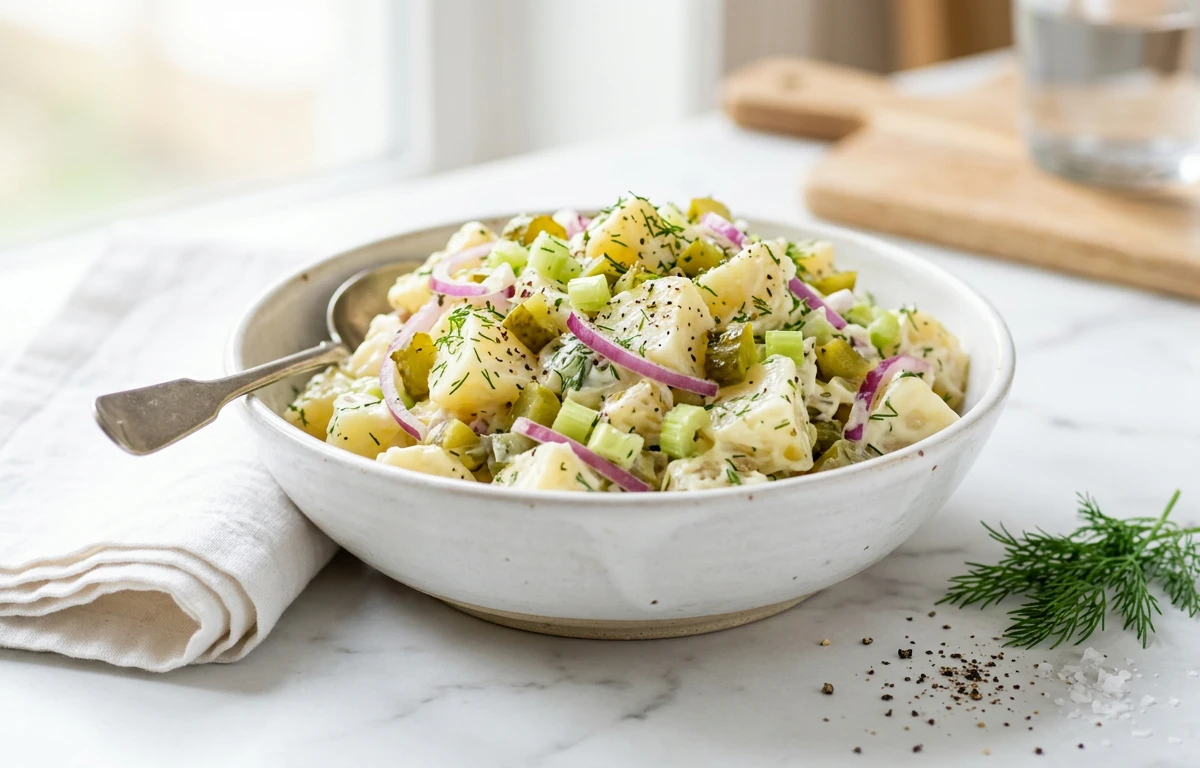
- 1Chop or dice pickles to add a tangy crunch to potato salads, tuna salads, egg salads, and tartar sauce.
- 2Use pickle brine as a marinade for chicken or pork to tenderize the meat and add a savory, acidic flavor.
- 3Batter and fry pickle slices or spears to create a popular appetizer.
- 4Add a splash of pickle juice to bloody mary cocktails, salad dressings, or barbecue sauce for an extra kick of flavor.
- 5Serve Indian pickles (achar) as a condiment alongside curries, rice dishes, parathas, or sandwiches to add a burst of flavor.
STORAGE
Keep it fresh.
- Store unopened jars of commercially prepared pickles in a cool, dark place like a pantry for up to one year.
- Once opened, refrigerate pickles in their original brine or oil, ensuring they are fully submerged. They will last for 2-3 months.
- For oil-based Indian pickles (achar), ensure the oil layer covers the ingredients to prevent spoilage and maintain flavor.
FAQ
Frequently asked questions.
Is pickle healthy?
Pickle can offer some health benefits, especially fermented varieties which may contain probiotics for gut health and antioxidants from the vegetables. However, it is often high in sodium, fat, and calories, so moderation is key. It can be a source of electrolytes due to its salt content, but high sodium intake should be monitored.
What are the main nutritional values of pickle?
Per 100g, pickle typically contains around 200 calories, 2g of protein, 10g of carbohydrates, and 18g of fat. These values can vary significantly depending on the type of pickle, ingredients, and preparation method, especially regarding oil and sugar content.
Is pickle good for weight loss?
Due to its relatively high calorie and fat content (200 calories, 18g fat per 100g), pickle is not typically considered a weight-loss food when consumed in large quantities. However, small servings used as a condiment can add flavor without significantly impacting calorie intake, fitting into a balanced diet.
Is pickle vegan or vegetarian?
Most pickles are vegan and vegetarian, as they are typically made from vegetables, vinegar, salt, and spices. However, it's always best to check the ingredient list, as some specific types or brands might contain non-vegan ingredients like fish sauce or gelatin.
Is pickle gluten-free?
Generally, most pickles are gluten-free, as their primary ingredients (vegetables, vinegar, salt, spices) do not contain gluten. However, some brands might use thickeners or flavorings that contain gluten, so always check the label for certification or specific ingredients if you have a gluten sensitivity.
Can diabetics eat pickle?
Diabetics can generally eat savory or sour pickles in moderation, as they are typically low in sugar. However, sweet pickles or bread-and-butter pickles often contain added sugar, which can impact blood glucose levels. Always check the nutritional label for carbohydrate and sugar content.
How should pickle be stored?
Unopened jars of pickle can be stored in a cool, dark pantry. Once opened, pickles should always be refrigerated to maintain freshness and prevent spoilage. Ensure the lid is tightly sealed after each use.
How long does an opened jar of pickle last?
When stored properly in the refrigerator after opening, most pickles can last for several weeks to a few months. Always check the 'best by' date on the jar and look for any signs of spoilage like mold, off-smell, or unusual texture before consuming.
What are common ways to use pickle in dishes?
Pickles are incredibly versatile. They are commonly served as a condiment alongside sandwiches, burgers, or hot dogs. They can also be chopped and added to salads, potato salad, tuna salad, or used as a flavorful ingredient in marinades and sauces.
What does pickle taste like?
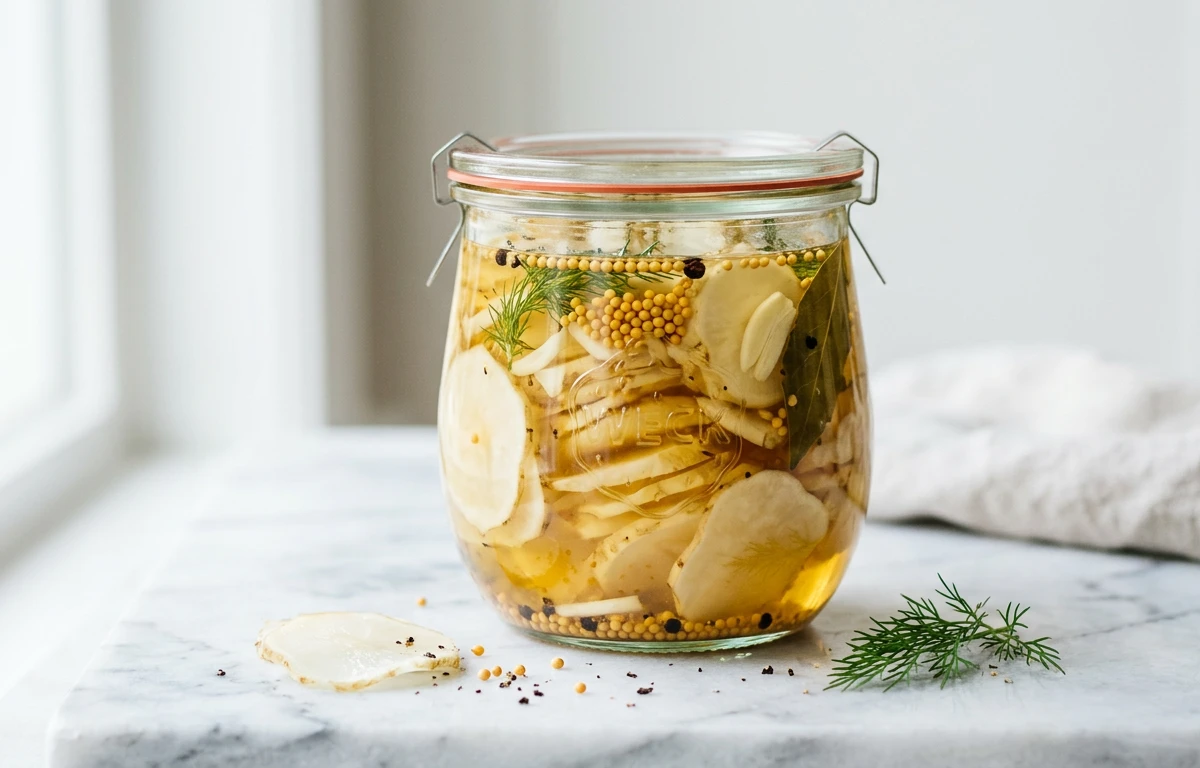
The taste of pickle varies widely depending on the type. Most common pickles are sour and salty due to the brining process. Some can be sweet, spicy, or a complex blend of all these flavors, often with aromatic notes from herbs and spices like dill, garlic, or mustard seeds.
RECIPES
Cook with pickle.
10 recipes · sorted by what’s quick