
Vegetable10 recipes
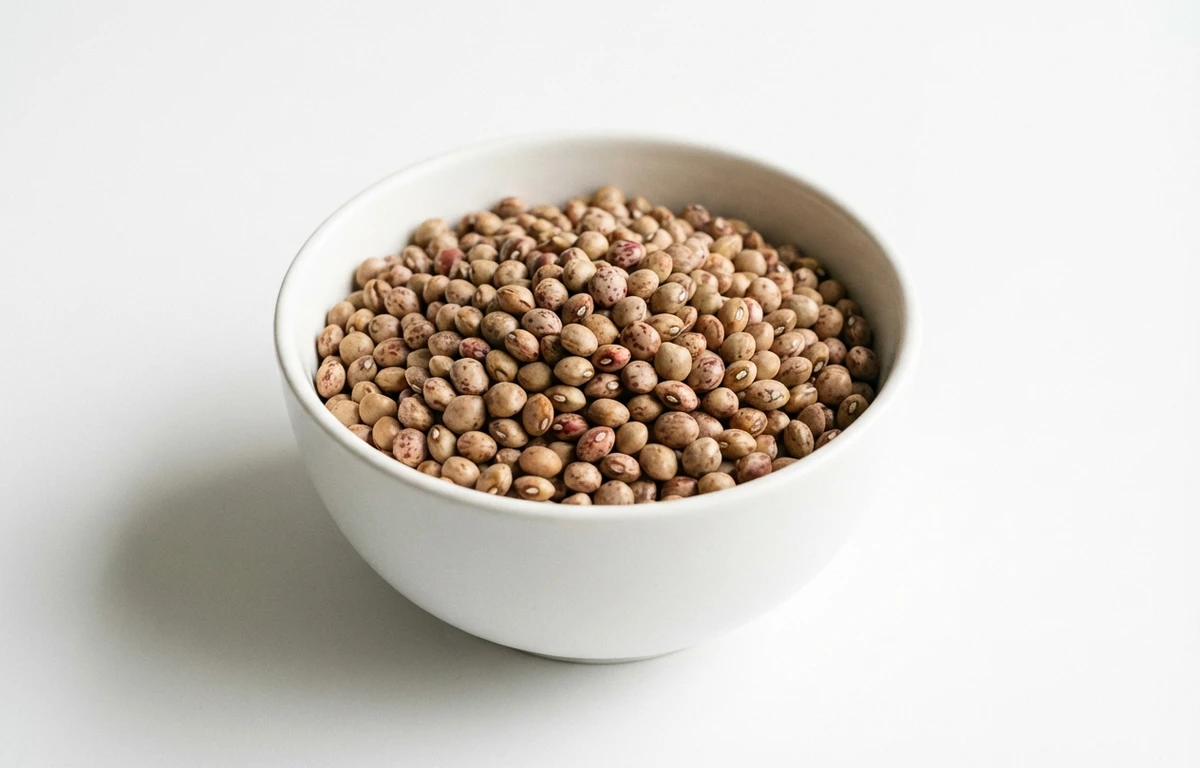
pigeon peas.
VegetarianVeganGluten-freeDairy-freeNut-freePeanut-freeSoy-freeEgg-freeShellfish-freeHoney-freeAlcohol-free
ALSO KNOWN AS
red gramturarhargandulescongo peasToor DalArhar DalPigeon PeasSplit Pigeon PeasTuvar DalKandi PappuThuvaram ParuppuTogari BeleTur Dal
SERVING
CALORIES
343
PROTEIN
21.7g
CARBS
62.8g
FAT
1.5g
FIBER
15g
This ingredient is flagged as naturally gluten-free. Per 100 g, it provides 0 µg of vitamin K.
NUTRITION PROFILE · per 100 g
Everything in this ingredient.
MACRONUTRIENTS
Calories343kcal—
Protein21.7g43%
Carbohydrates62.8g23%
Fiber15g54%
Sugar3.0g6%
Total fat1.5g2%
Saturated fat0.34g2%
Trans fat0g—
Cholesterol0mg0%
Water10.6g—
MINERALS
Sodium17mg1%
Potassium1392mg30%
Calcium130mg10%
Iron5.2mg29%
Magnesium183mg44%
Phosphorus367mg29%
Zinc2.8mg25%
Copper1.1mg118%
Manganese1.8mg78%
Selenium8.2µg15%
VITAMINS
Vitamin A1.0µg0%
Vitamin C0mg0%
Vitamin D0µg0%
Vitamin E0mg0%
Vitamin K0µg0%
Thiamin (B1)0.64mg53%
Riboflavin (B2)0.19mg15%
Niacin (B3)3.0mg19%
Pantothenic acid (B5)1.3mg25%
Vitamin B60.28mg16%
Folate (B9)456µg114%
Vitamin B120µg0%
%DV based on a 2,000 cal diet. Source: USDA FoodData Central. A dash in the %DV column means there’s no established Daily Value for that nutrient.
MEASUREMENT CONVERSIONS
How much is what.
1 cup200g
1 tablespoon12g
1 teaspoon4g
1 oz28.4g
1 lb453.6g
HEALTH BENEFITS
Why eat it.
- ✓Excellent source of plant-based protein for muscle repair
- ✓High folate content supports healthy pregnancy and DNA synthesis
- ✓Contains potassium which helps regulate blood pressure levels
COOKING TIPS
In the kitchen.
- 1Soak dried whole pigeon peas for 4-6 hours to reduce cooking time and improve digestibility
- 2Use a pressure cooker to significantly speed up the softening process
- 3Add a pinch of turmeric and a drop of oil while boiling to prevent frothing
STORAGE
Keep it fresh.
- Store dried peas in an airtight container in a cool, dark, and dry place
- Keep away from moisture to prevent mold growth and spoilage
- Cooked pigeon peas can be stored in the refrigerator for up to 4 days
FAQ
Frequently asked questions.
How long do dried pigeon peas last?
When stored in an airtight container in a cool, dry place, dried pigeon peas can last for 1-2 years, though they may take longer to cook as they age.
Do I need to soak pigeon peas before cooking?
While not strictly necessary for split versions, soaking whole dried pigeon peas for several hours helps them cook faster and reduces flatulence-causing compounds.
What is a good substitute for pigeon peas?
Yellow split peas, lentils, or black-eyed peas are the best substitutes depending on the recipe's texture requirements.
Are pigeon peas the same as green peas?
No, pigeon peas are a tropical legume (Cajanus cajan) and have a nuttier flavor and denser texture compared to common garden green peas.
Can I freeze cooked pigeon peas?
Yes, cooked pigeon peas freeze very well. Drain them and store in freezer-safe bags for up to 6 months.
How do I know if dried pigeon peas have gone bad?
Look for small holes (indicating pests), visible mold, or a musty odor. If they remain hard even after prolonged cooking, they are likely too old.
What are the most common dishes made with pigeon peas?
Common dishes include Indian Arhar Dal, Caribbean Rice and Peas (Arroz con Gandules), and various African stews.
RECIPES
Cook with pigeon peas.
10 recipes · sorted by what’s quick
RELATED GUIDES



















