Protein10 recipes
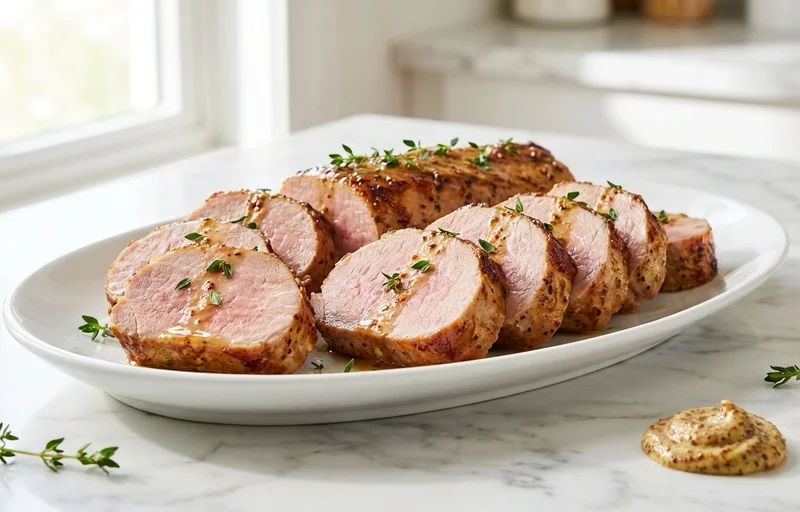
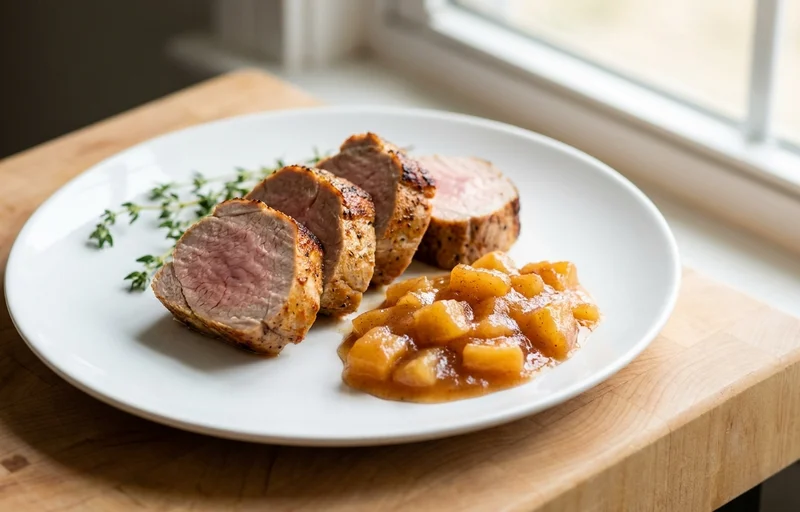
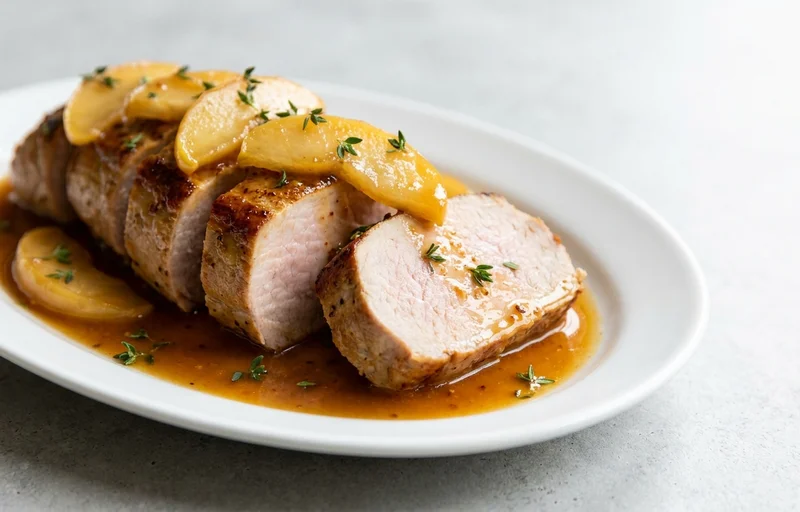
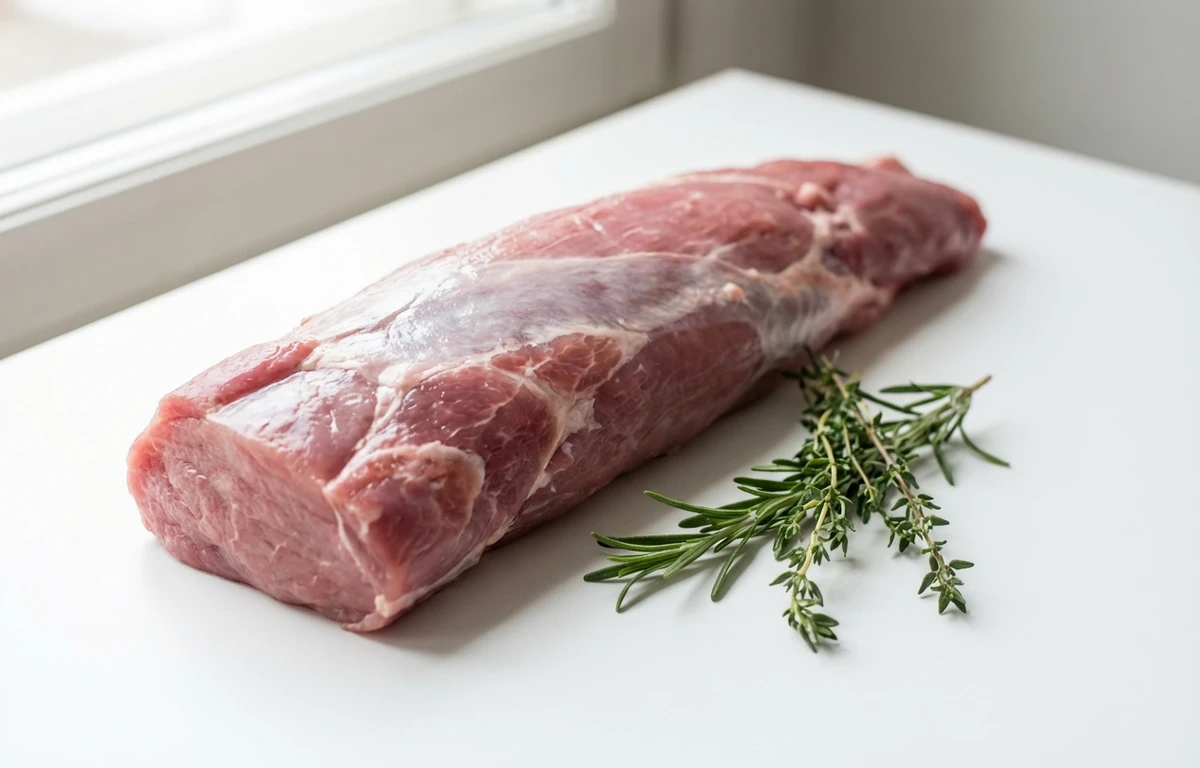
pork tenderloin.
VegetarianVeganGluten-freeDairy-freeNut-freePeanut-freeSoy-freeEgg-freeShellfish-freeHoney-freeAlcohol-freeHalalKosher
ALSO KNOWN AS
pork filletpork tenderpork tenderloinraw pork tenderloin
SERVING
CALORIES
120
PROTEIN
21g
CARBS
0g
FAT
3.5g
FIBER
0g
This ingredient is flagged as naturally gluten-free. Per 100 g, it provides 0 µg of vitamin K.
NUTRITION PROFILE · per 100 g
Everything in this ingredient.
MACRONUTRIENTS
Calories120kcal—
Protein21g42%
Carbohydrates0g0%
Fiber0g0%
Sugar0g0%
Total fat3.5g4%
Saturated fat1.2g6%
Trans fat0g—
Cholesterol65mg22%
Water73.8g—
MINERALS
Sodium50mg2%
Potassium421mg9%
Calcium6.0mg0%
Iron1.0mg6%
Magnesium25mg6%
Phosphorus240mg19%
Zinc2.4mg22%
Copper0.10mg11%
Manganese0.01mg0%
Selenium30µg55%
VITAMINS
Vitamin A0µg0%
Vitamin C0mg0%
Vitamin D0.10µg1%
Vitamin E0.20mg1%
Vitamin K0µg0%
Thiamin (B1)0.90mg75%
Riboflavin (B2)0.30mg23%
Niacin (B3)5.0mg31%
Pantothenic acid (B5)0.70mg14%
Vitamin B60.50mg29%
Folate (B9)4.0µg1%
Vitamin B120.50µg21%
%DV based on a 2,000 cal diet. Source: USDA FoodData Central. A dash in the %DV column means there’s no established Daily Value for that nutrient.
MEASUREMENT CONVERSIONS
How much is what.
1 cup150g
1 oz28.4g
1 lb453.6g
HEALTH BENEFITS
Why eat it.
- ✓Excellent source of high-quality, complete protein, essential for muscle growth, repair, and maintenance.
- ✓One of the leanest cuts of pork, making it a lower-fat protein option compared to other cuts like pork belly or shoulder.
- ✓Rich in B vitamins, particularly thiamin (B1), niacin (B3), and B6, which are crucial for energy metabolism and nervous system function.
COOKING TIPS
In the kitchen.
- 1Due to its leanness, pork tenderloin cooks quickly and can dry out easily. Cook to an internal temperature of 145°F (63°C) followed by a 3-minute rest for a juicy, slightly pink center.
- 2Remove the 'silverskin,' a tough, silvery membrane on the surface, before cooking for a more tender result. Slide a thin, sharp knife just under the membrane and run it along the length of the tenderloin.
- 3Sear the tenderloin in a hot pan before roasting or grilling to develop a flavorful crust, a process known as the Maillard reaction.
STORAGE
Keep it fresh.
- Store fresh pork tenderloin in its original packaging in the coldest part of the refrigerator (below 40°F or 4°C) and use within 3-5 days.
- For longer storage, wrap tightly in plastic wrap and then foil or place in a freezer-safe bag, and freeze at 0°F (-18°C) for up to 6 months for best quality.
FAQ
Frequently asked questions.
How much protein and calories are in pork tenderloin?
A 100g serving of cooked pork tenderloin contains approximately 120 calories and an impressive 21g of protein. It's also very low in carbohydrates (0g) and fat (around 3.5g), making it a lean and protein-dense option.
Is pork tenderloin keto-friendly or low-carb?
Absolutely, pork tenderloin is highly keto-friendly and low-carb. It contains 0g of carbohydrates per serving, making it an ideal protein source for ketogenic and other low-carb diets. Its lean profile also helps manage fat intake if desired.
Is pork tenderloin gluten-free?
Yes, plain pork tenderloin is naturally gluten-free. As an unprocessed cut of meat, it does not contain any gluten. However, always check ingredients if using marinades, rubs, or sauces, as these can sometimes contain gluten-containing ingredients.
What is the safe internal temperature for cooked pork tenderloin?
The USDA recommends cooking pork tenderloin to an internal temperature of 145°F (63°C), followed by a three-minute rest. This ensures food safety while keeping the meat juicy and tender. Use a meat thermometer inserted into the thickest part to verify.
How long does pork tenderloin last in the refrigerator or freezer?
Fresh pork tenderloin can be stored in the refrigerator for 3-4 days. For longer storage, it freezes exceptionally well. When properly wrapped and stored in a freezer at 0°F (-18°C) or below, it can last for 4-6 months without significant loss of quality.
RECIPES
Cook with pork tenderloin.
10 recipes · sorted by what’s quick