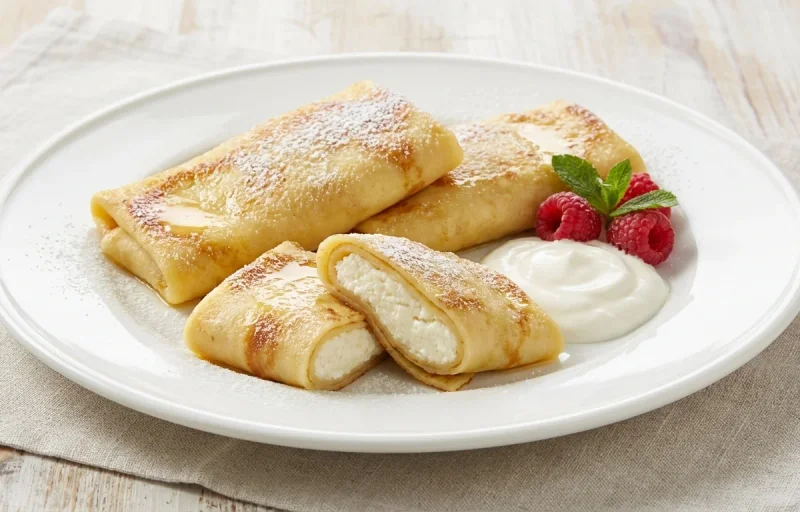
Condiment10 recipes
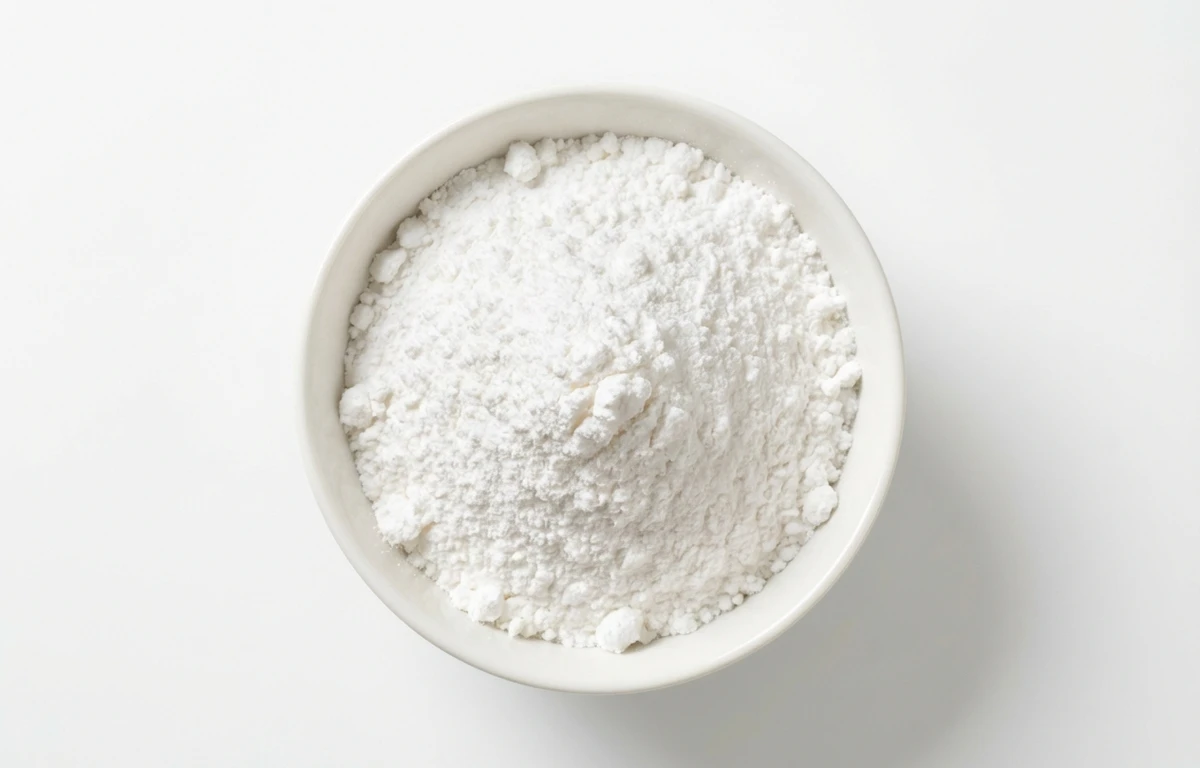
powdered sugar.
VegetarianVeganGluten-freeDairy-freeNut-freePeanut-freeSoy-freeEgg-freeShellfish-freeHoney-freeAlcohol-free
ALSO KNOWN AS
icing sugarconfectioners' sugarpisi hui cheeniपिसी हुई चीनीpowdered sugar
SERVING
CALORIES
389
PROTEIN
0g
CARBS
100g
FAT
0g
FIBER
0g
NUTRITION PROFILE · per 100 g
Everything in this ingredient.
MACRONUTRIENTS
Calories389kcal—
Protein0g0%
Carbohydrates100g36%
Fiber0g0%
Sugar99.8g200%
Total fat0g0%
Saturated fat0g0%
Cholesterol0mg0%
Water0.02g—
MINERALS
Sodium1.0mg0%
Potassium2.0mg0%
Calcium1.0mg0%
Iron0.03mg0%
Magnesium0mg0%
Phosphorus0mg0%
Zinc0.01mg0%
Copper0.01mg1%
Manganese0mg0%
Selenium0.60µg1%
VITAMINS
Vitamin A0µg0%
Vitamin C0mg0%
Vitamin D0µg0%
Vitamin E0mg0%
Vitamin K0µg0%
Thiamin (B1)0mg0%
Riboflavin (B2)0.02mg2%
Niacin (B3)0mg0%
Pantothenic acid (B5)0mg0%
Vitamin B60mg0%
Folate (B9)0µg0%
Vitamin B120µg0%
%DV based on a 2,000 cal diet. Source: USDA FoodData Central. A dash in the %DV column means there’s no established Daily Value for that nutrient.
MEASUREMENT CONVERSIONS
How much is what.
1 cup100g
1 tablespoon7.5g
1 teaspoon2.5g
1 ml0.5g
1 liter500g
HEALTH BENEFITS
Why eat it.
- ✓Provides a rapid source of glucose for quick energy.
- ✓Can be used to quickly raise blood sugar levels in cases of hypoglycemia.
COOKING TIPS
In the kitchen.
- 1Sift powdered sugar before using it in icings, glazes, or frostings to ensure a smooth, lump-free consistency.
- 2Because it dissolves instantly in liquids, it is ideal for sweetening beverages, meringues, and no-bake desserts.
- 3Use it to lightly dust desserts like brownies, cakes, or French toast for a simple, elegant finish.
- 4When making royal icing, the fine texture of powdered sugar creates a hard, smooth surface perfect for decorating cookies.
STORAGE
Keep it fresh.
- Store in a cool, dry place in an airtight container to prevent clumping and absorbing moisture or odors.
- Avoid storing in the refrigerator, as condensation can cause it to harden into solid lumps.
- If it becomes lumpy, sift it before use or pulse it in a food processor to restore its fine texture.
FAQ
Frequently asked questions.
Is powdered sugar healthy?
Powdered sugar, like all sugars, provides a rapid source of glucose for quick energy. However, it offers no essential vitamins, minerals, or fiber. Consuming it in excess can contribute to weight gain, dental issues, and increased risk of chronic diseases, so it's best used sparingly as a treat.
What are the nutritional facts for powdered sugar?
Per 100 grams, powdered sugar contains approximately 389 calories, almost 100 grams of carbohydrates (primarily sugar), and virtually no protein or fat. It lacks any significant micronutrients, making it a source of 'empty calories'.
Is powdered sugar good for weight loss?
No, powdered sugar is not good for weight loss. It is a highly refined carbohydrate, dense in calories with no fiber or protein to promote satiety. Consuming high amounts can lead to increased calorie intake and hinder weight management efforts.
Is powdered sugar vegan?
Most powdered sugar is vegan, as it's simply finely ground sugar. However, some conventional sugar brands (and thus powdered sugar) may be processed using bone char. To ensure it's bone char-free, look for brands explicitly labeled 'vegan' or 'organic'.
Can diabetics eat powdered sugar?
Diabetics should generally avoid powdered sugar due to its high glycemic index. As pure sugar, it causes a rapid and significant spike in blood glucose levels, which can be dangerous for individuals managing diabetes. It may be used in very small, controlled amounts for specific medical reasons like treating hypoglycemia, but not as a regular food item.
What is powdered sugar primarily used for in cooking?
Powdered sugar, also known as confectioners' sugar, is primarily used for making smooth frostings, icings, glazes, and for dusting baked goods. Its fine texture dissolves easily, creating a silky consistency that granulated sugar cannot achieve.
Can I substitute granulated sugar for powdered sugar?
You can substitute granulated sugar for powdered sugar, but it requires processing. You'll need to blend granulated sugar in a food processor or blender until it reaches a fine, powdery consistency. For every cup of powdered sugar, use about 3/4 cup of granulated sugar and add 1 teaspoon of cornstarch to prevent caking.
How should powdered sugar be stored?
Powdered sugar should be stored in an airtight container in a cool, dry place away from direct sunlight and moisture. This prevents it from clumping, absorbing odors, or hardening.
How long does powdered sugar last?
When stored properly in an airtight container, powdered sugar has an indefinite shelf life. While it won't spoil, it can absorb moisture and become hard or clumpy over time, but it remains safe to consume.
Why does powdered sugar often contain cornstarch?
Powdered sugar often contains a small amount (typically 3-5%) of cornstarch to prevent caking and clumping. The cornstarch absorbs moisture, keeping the fine sugar particles separate and ensuring a smooth, free-flowing consistency.
RECIPES
Cook with powdered sugar.
10 recipes · sorted by what’s quick