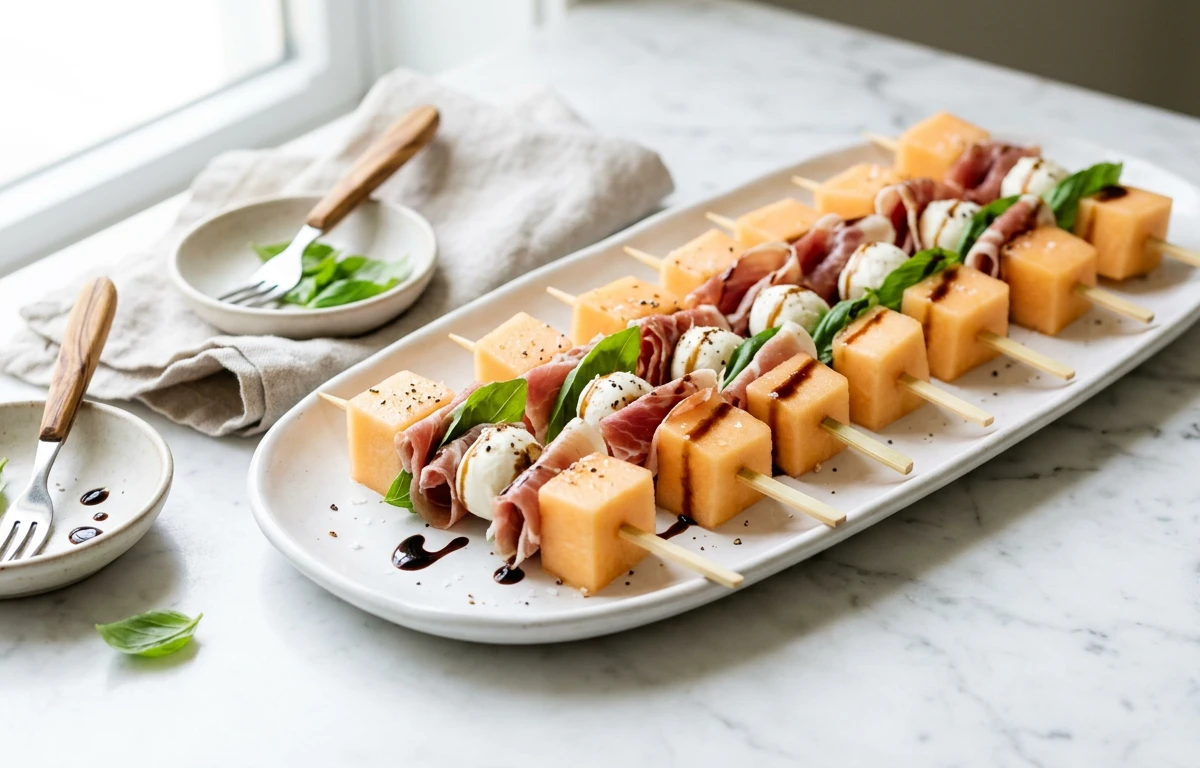
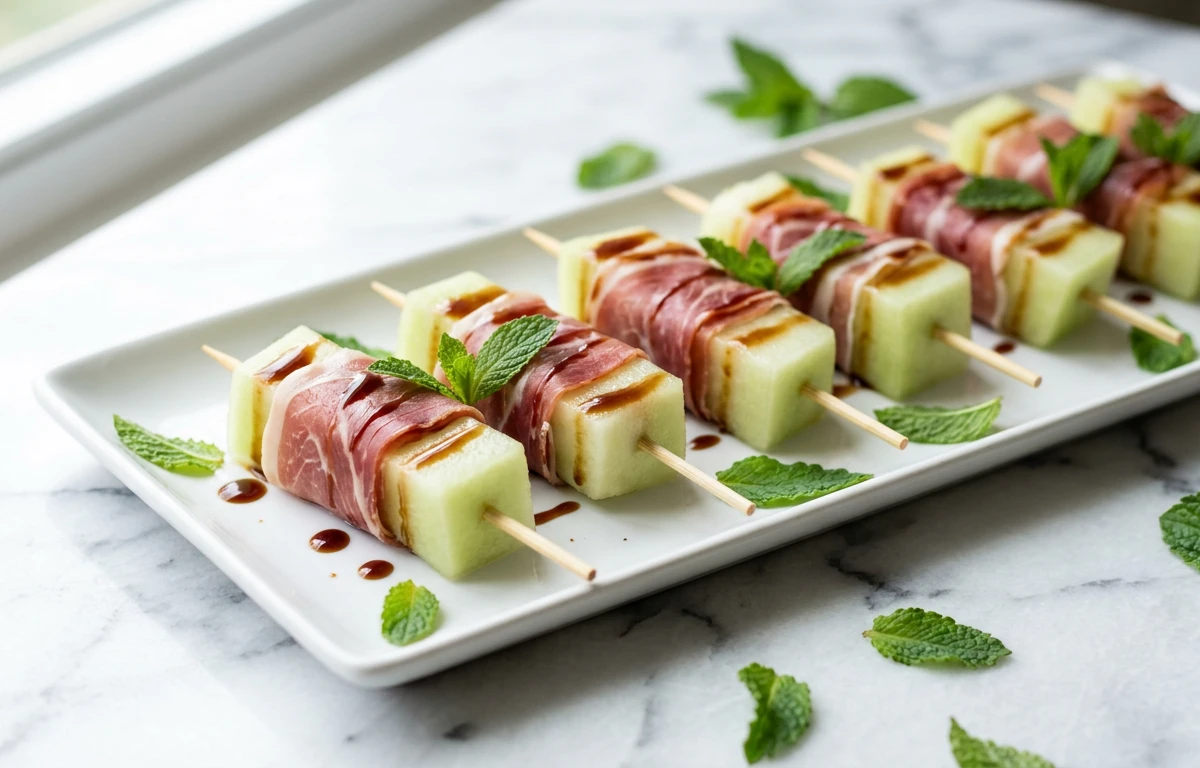
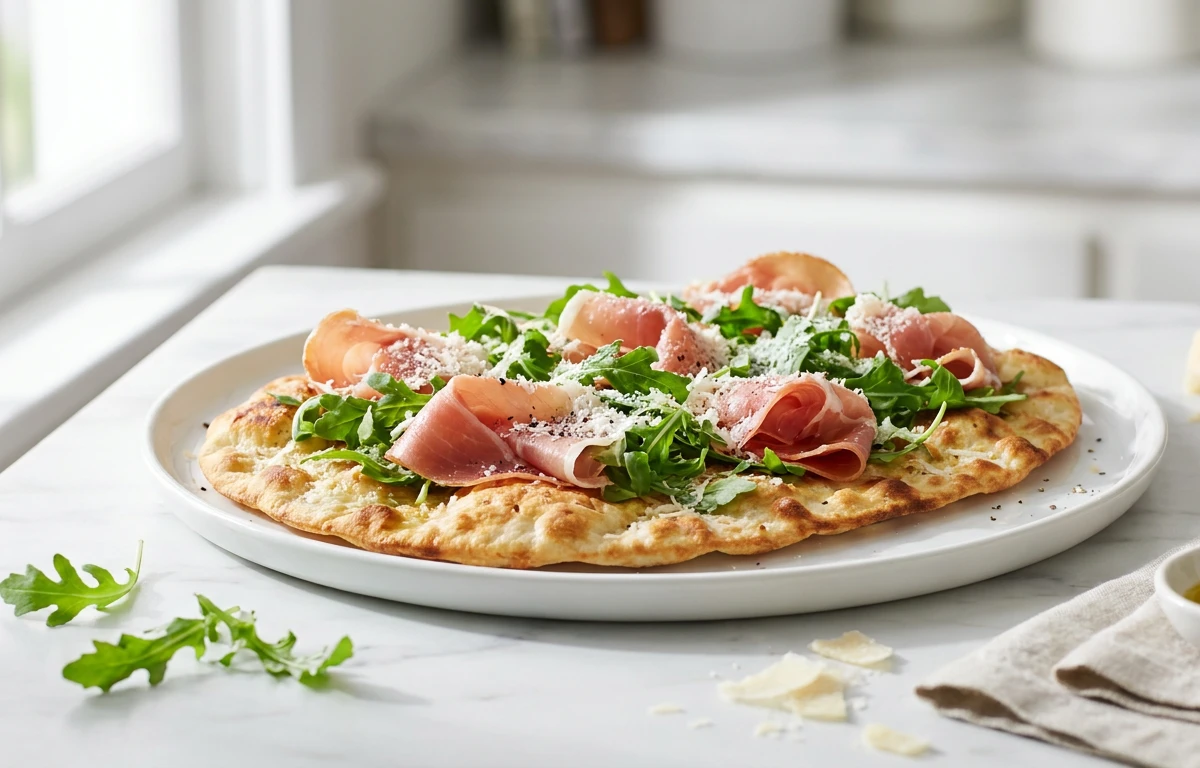
Other10 recipes
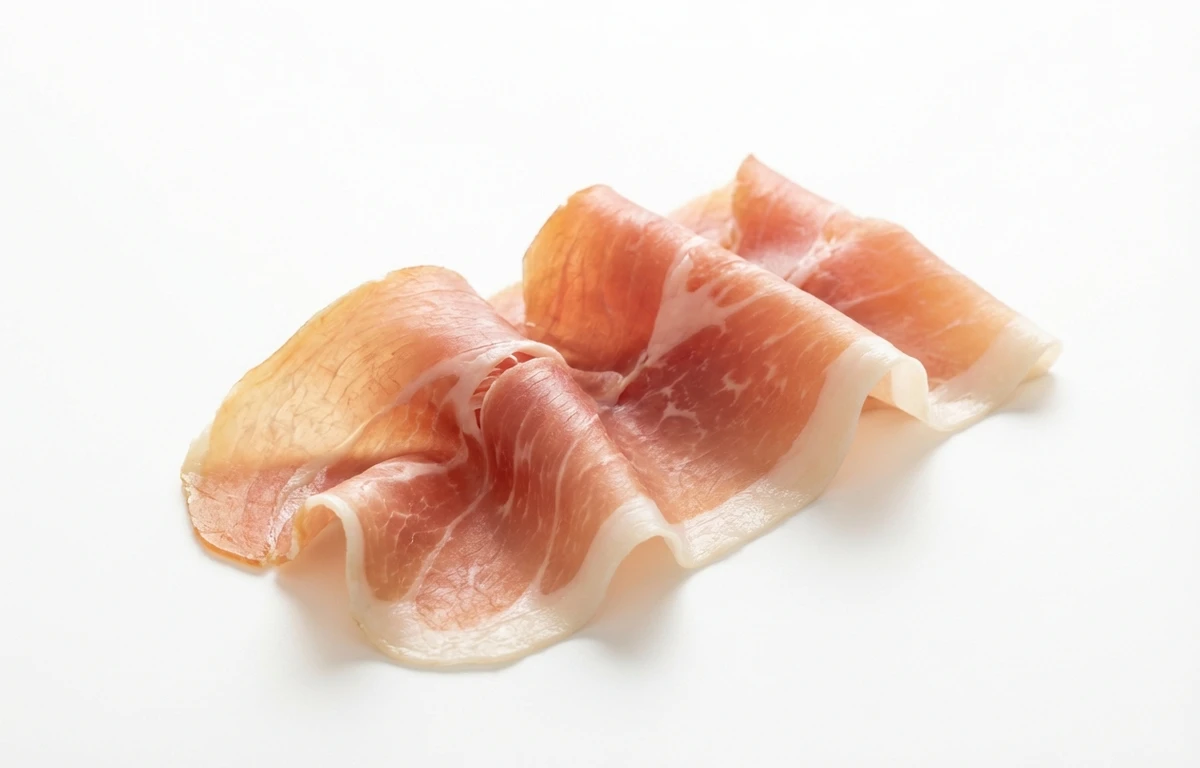
prosciutto.
VegetarianVeganGluten-freeDairy-freeNut-freePeanut-freeSoy-freeEgg-freeShellfish-freeHoney-freeAlcohol-freeHalalKosherFermented
ALSO KNOWN AS
Parma hamProsciutto di Parmacured Italian ham
SERVING
CALORIES
242
PROTEIN
26g
CARBS
0g
FAT
15g
FIBER
0g
This ingredient is flagged as naturally gluten-free. Per 100 g, it provides 0 µg of vitamin K.
NUTRITION PROFILE · per 100 g
Everything in this ingredient.
MACRONUTRIENTS
Calories242kcal—
Protein26g52%
Carbohydrates0g0%
Fiber0g0%
Sugar0g0%
Total fat15g19%
Saturated fat5.2g26%
Trans fat0g—
Cholesterol85mg28%
Water50g—
MINERALS
Sodium1900mg83%
Potassium350mg7%
Calcium10mg1%
Iron1.2mg7%
Magnesium20mg5%
Phosphorus220mg18%
Zinc2.8mg25%
Copper0.10mg11%
Manganese0.02mg1%
Selenium25µg45%
VITAMINS
Vitamin A0µg0%
Vitamin C0mg0%
Vitamin D0.50µg3%
Vitamin E0.20mg1%
Vitamin K0µg0%
Thiamin (B1)0.80mg67%
Riboflavin (B2)0.20mg15%
Niacin (B3)5.5mg34%
Pantothenic acid (B5)0.60mg12%
Vitamin B60.40mg24%
Folate (B9)4.0µg1%
Vitamin B120.70µg29%
%DV based on a 2,000 cal diet. Source: USDA FoodData Central. A dash in the %DV column means there’s no established Daily Value for that nutrient.
MEASUREMENT CONVERSIONS
How much is what.
1 cup145g
1 tablespoon9g
1 teaspoon3g
1 oz28.4g
1 lb453.6g
HEALTH BENEFITS
Why eat it.
- ✓High quality complete protein source
- ✓Rich in B vitamins for energy metabolism
- ✓Contains essential minerals like zinc and iron
- ✓Source of oleic acid, a heart-healthy fat
- ✓Low in carbohydrates
COOKING TIPS
In the kitchen.
- 1Best served at room temperature to allow fats to soften
- 2Slice paper-thin for the best texture and flavor
- 3Can be crisped in a pan to use as a salty garnish
STORAGE
Keep it fresh.
- Keep refrigerated at all times
- Wrap tightly in plastic wrap or foil to prevent drying
- Consume within 2-3 days once the package is opened
FAQ
Frequently asked questions.
How long does prosciutto last in the fridge?
Unopened vacuum-sealed prosciutto can last several months. Once opened, it should be tightly wrapped and consumed within 2 to 3 days for optimal freshness.
Can you freeze prosciutto?
Yes, you can freeze it for up to 1 month, but the delicate texture and flavor may be slightly compromised upon thawing.
What is the best substitute for prosciutto?
Serrano ham is the closest substitute. For a cooked alternative, very thinly sliced pancetta or deli ham can work in some recipes.
How do I choose high-quality prosciutto?
Look for a rosy-pink color with creamy white fat. Avoid any meat that looks grey or has yellowing fat.
Is prosciutto high in sodium?
Yes, prosciutto is very high in sodium due to the salt-curing process, containing nearly 2000mg per 100g.
What are common ways to serve prosciutto?
It is commonly served on charcuterie boards, wrapped around melon or asparagus, or as a topping for pizza and salads.
Does prosciutto contain nitrates?
Traditional Prosciutto di Parma is made only with sea salt and no added nitrates or nitrites, though other brands may include them.
RECIPES
Cook with prosciutto.
10 recipes · sorted by what’s quick