Grain10 recipes
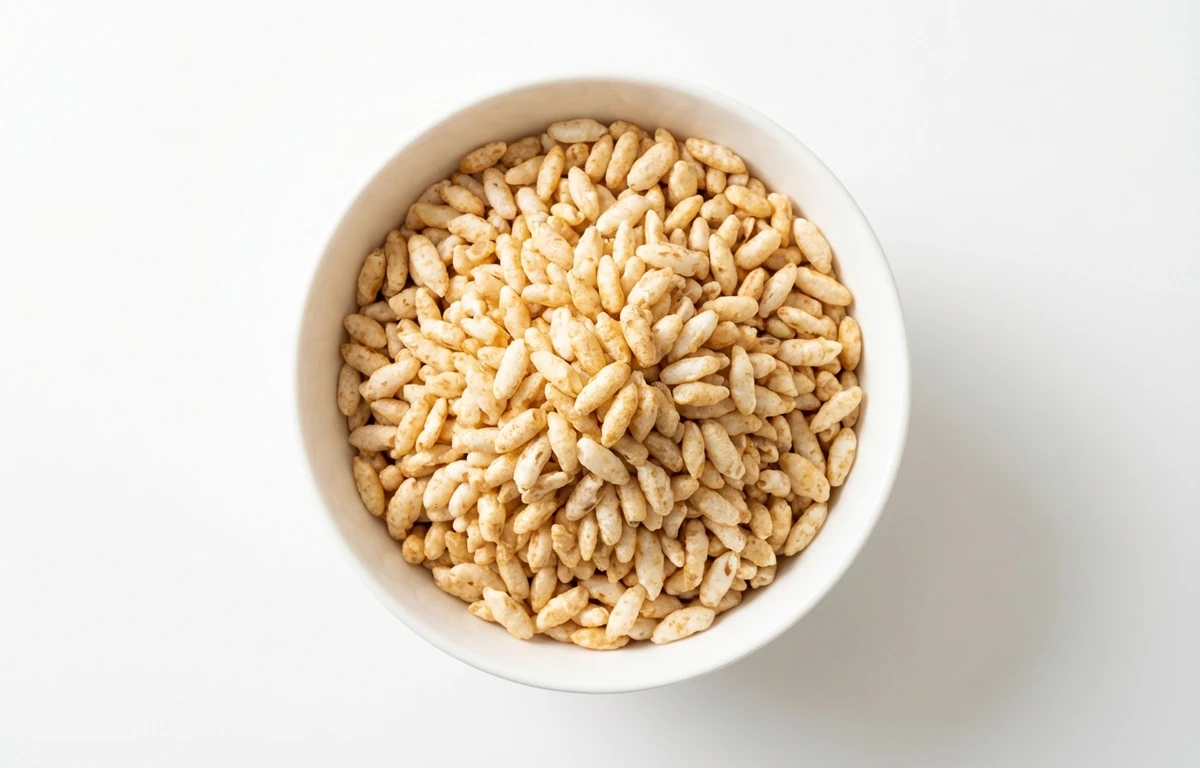
puffed rice.
VegetarianVeganGluten-freeDairy-freeNut-freePeanut-freeSoy-freeEgg-freeShellfish-freeHoney-freeAlcohol-free
ALSO KNOWN AS
rice puffsPuffed riceMuriKurmuraPorriMamraBoruguluLaaiMudhiPoriMurmuracrispy ricelairice bubblescrispy rice cerealtoasted rice cerealpuffed rice cerealCrisp Rice Cereal
SERVING
CALORIES
362
PROTEIN
7.5g
CARBS
77.7g
FAT
1.6g
FIBER
2.6g
NUTRITION PROFILE · per 100 g
Everything in this ingredient.
MACRONUTRIENTS
Calories362kcal—
Protein7.5g15%
Carbohydrates77.7g28%
Fiber2.6g9%
Sugar0.64g1%
Total fat1.6g2%
Saturated fat0.05g0%
Trans fat0g—
Cholesterol0mg0%
Water9.4g—
MINERALS
Sodium3.7mg0%
Potassium140mg3%
Calcium15.1mg1%
Iron4.5mg25%
Magnesium64.6mg15%
Phosphorus152mg12%
Zinc1.4mg13%
Copper0.25mg28%
Manganese0.91mg40%
Selenium0µg0%
VITAMINS
Vitamin A0µg0%
Vitamin C0mg0%
Vitamin D0µg0%
Vitamin E0.04mg0%
Vitamin K1.0µg1%
Thiamin (B1)0.11mg9%
Riboflavin (B2)0.04mg3%
Niacin (B3)1.9mg12%
Pantothenic acid (B5)0.38mg8%
Vitamin B60.07mg4%
Biotin (B7)1.3µg4%
Folate (B9)0µg0%
Vitamin B120µg0%
%DV based on a 2,000 cal diet. Source: USDA FoodData Central. A dash in the %DV column means there’s no established Daily Value for that nutrient.
MEASUREMENT CONVERSIONS
How much is what.
1 cup14g
1 tablespoon0.9g
1 teaspoon0.3g
1 ml0.1g
1 liter58.3g
HEALTH BENEFITS
Why eat it.
- ✓Low in calories and fat, making it a light option for snacking or adding volume to meals.
- ✓Easy to digest due to its simple carbohydrate structure, often recommended for those with sensitive stomachs.
- ✓Provides a quick source of energy from carbohydrates, suitable for a pre-workout snack.
- ✓Naturally gluten-free, making it a safe grain choice for individuals with celiac disease or gluten sensitivity (check for cross-contamination warnings).
COOKING TIPS
In the kitchen.
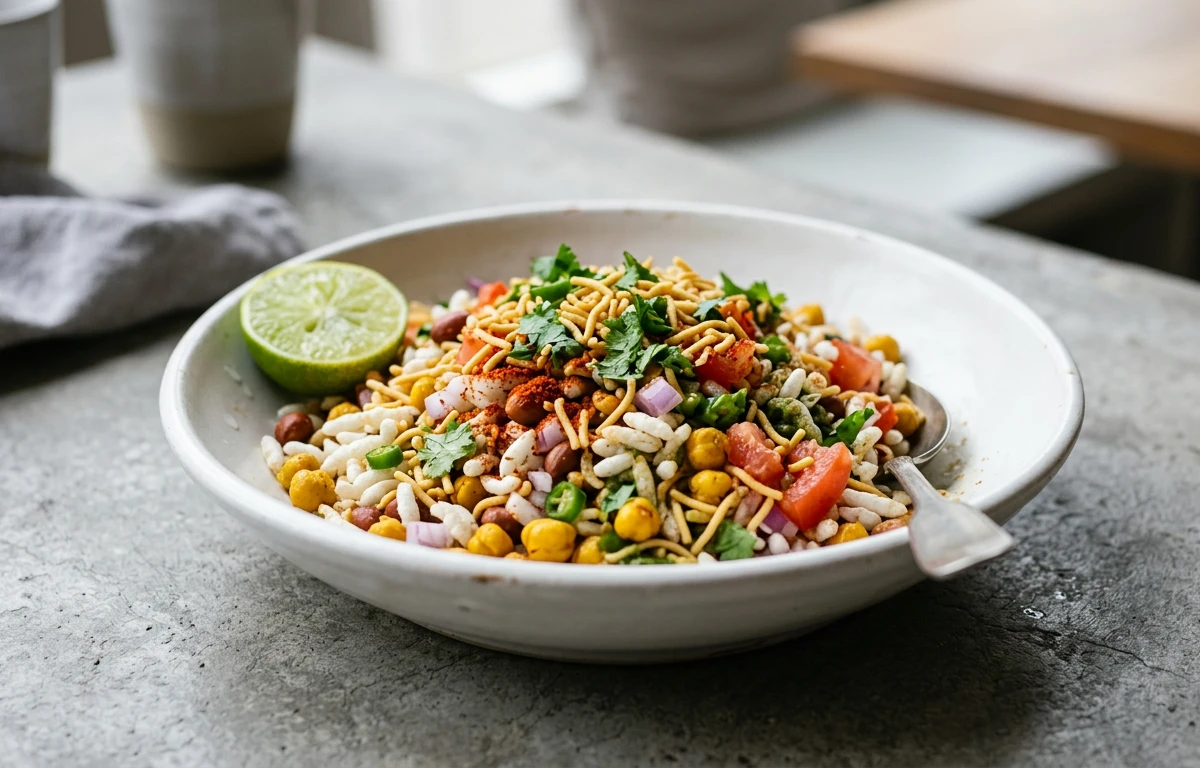
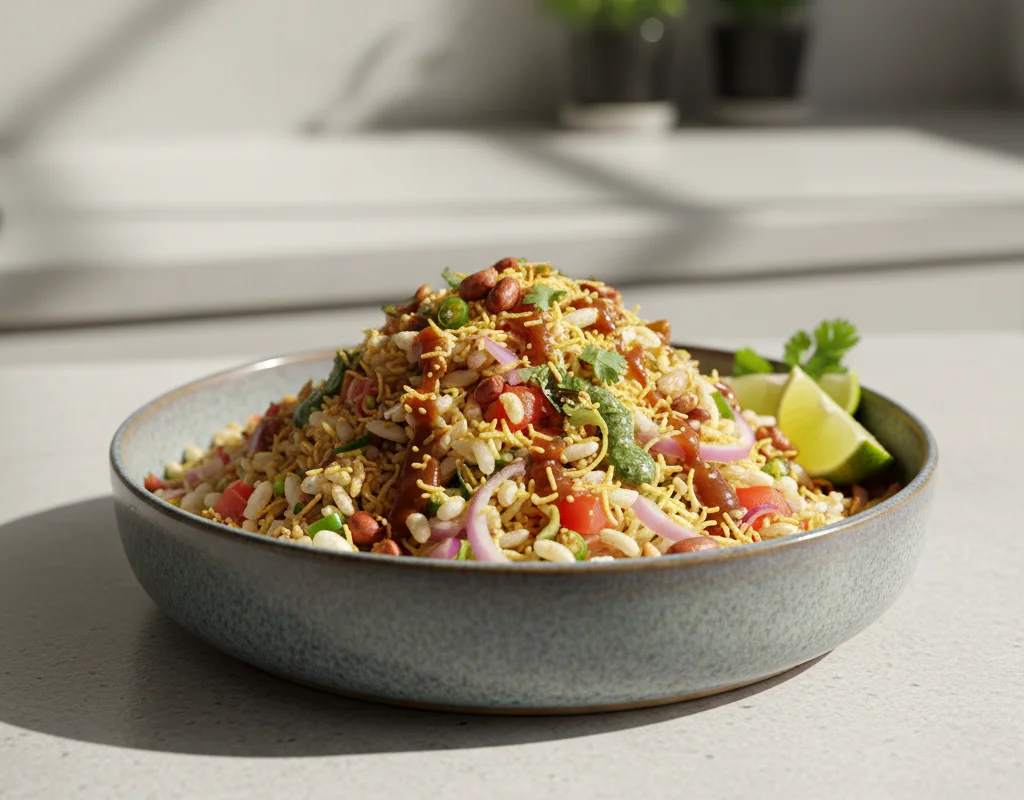
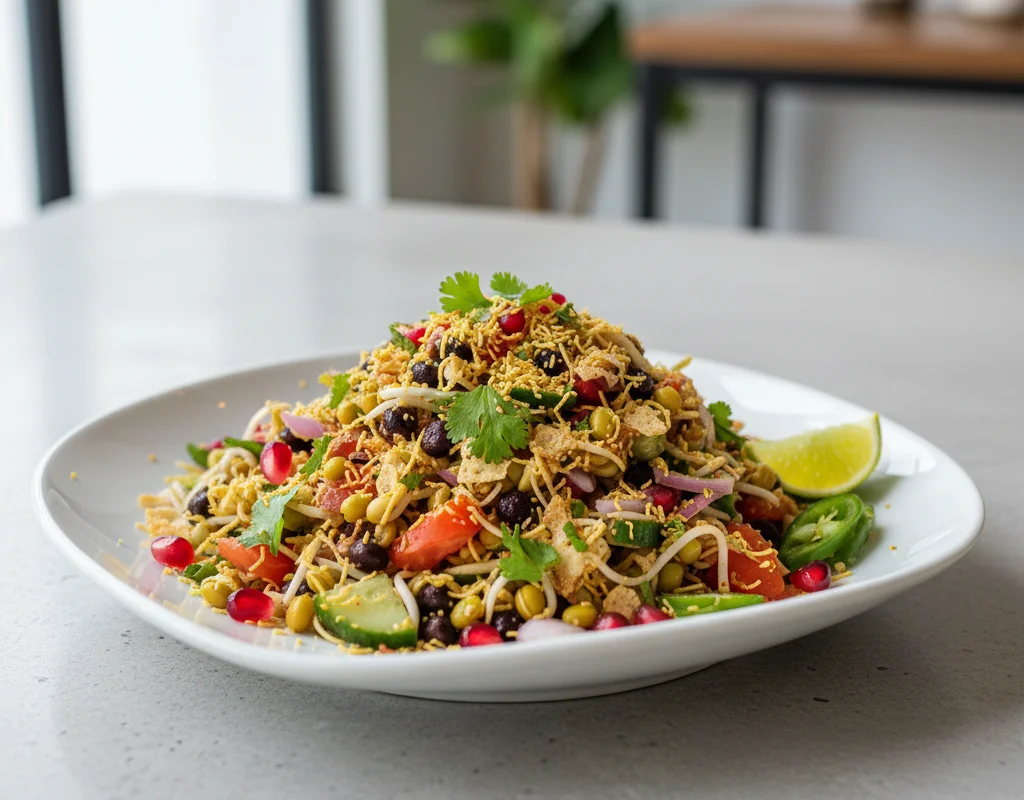
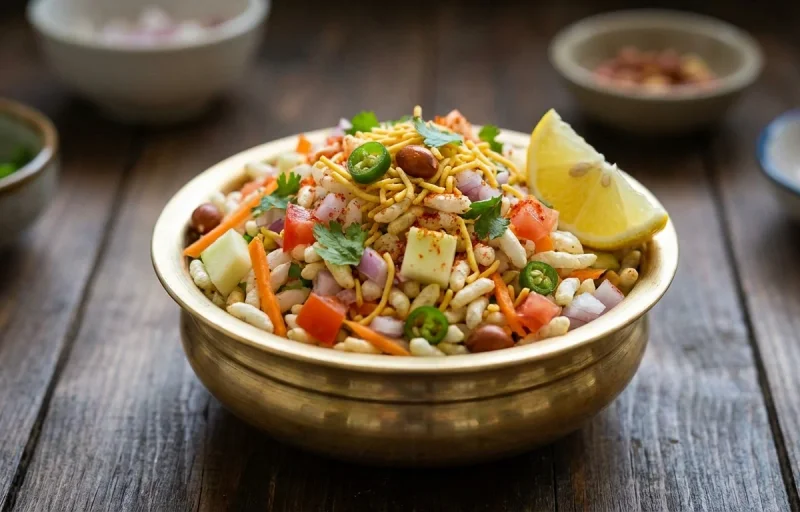
- 1Use as a base for savory snacks like Indian Bhel Puri, combining it with chopped vegetables, chutneys, and spices.
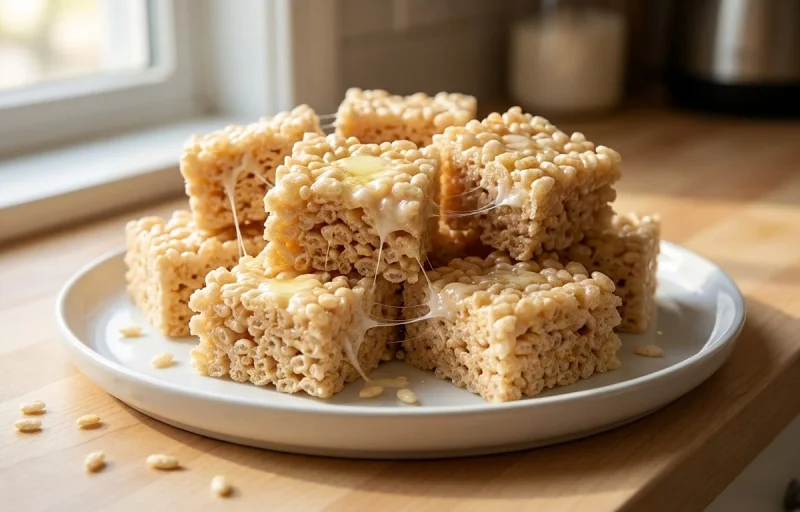
- 2Create no-bake treats like puffed rice squares by mixing with a binder such as melted marshmallows, chocolate, or nut butter.
- 3Toast lightly in a dry pan for a minute to enhance its nutty flavor and crispiness before using as a topping for yogurt, salads, or soups.
- 4Crush and use as a gluten-free crunchy coating for fried or baked chicken, fish, or vegetables.
STORAGE
Keep it fresh.
- Store in a sealed, airtight container at room temperature to prevent it from absorbing moisture and becoming stale.
- Keep in a cool, dark, and dry place like a pantry, away from direct sunlight, to maintain its crisp texture for several months.
FAQ
Frequently asked questions.
Is puffed rice healthy?
Puffed rice can be a healthy option when consumed in moderation, especially as a light snack or to add volume to meals. It is naturally low in calories and fat, provides a quick source of energy from carbohydrates, and is easy to digest. It's also naturally gluten-free, making it suitable for those with celiac disease or gluten sensitivity.
What are the nutritional values of puffed rice?
Per 100g, puffed rice contains approximately 361.85 calories, 7.47g of protein, 77.68g of carbohydrates, and 1.62g of fat. It offers a quick energy boost due to its high carbohydrate content, with minimal fat.
Is puffed rice good for weight loss?
Puffed rice can be beneficial for weight loss due to its low calorie and fat content, making it a light snack that can help you feel full without consuming excessive calories. However, it is high in carbohydrates and has a high glycemic index, so portion control is key to avoid blood sugar spikes and overconsumption.
Is puffed rice gluten-free?
Yes, puffed rice is naturally gluten-free as it is made from rice. This makes it a safe grain choice for individuals with celiac disease or gluten sensitivity. Always check product labels to ensure there is no cross-contamination during processing if you have a severe allergy.
Can diabetics eat puffed rice?
Diabetics should consume puffed rice with caution and in moderation. While low in fat, it is high in carbohydrates and has a high glycemic index, which can cause a rapid increase in blood sugar levels. It's best to pair it with protein or fiber to slow down sugar absorption, or choose whole grains with a lower glycemic index.
How is puffed rice commonly used?
Puffed rice is incredibly versatile and used in various ways. It's a popular ingredient in breakfast cereals, snack bars, and traditional Indian snacks like Bhel Puri or murmura. It can also be used as a crunchy topping for yogurt, salads, or desserts.
What does puffed rice taste like?
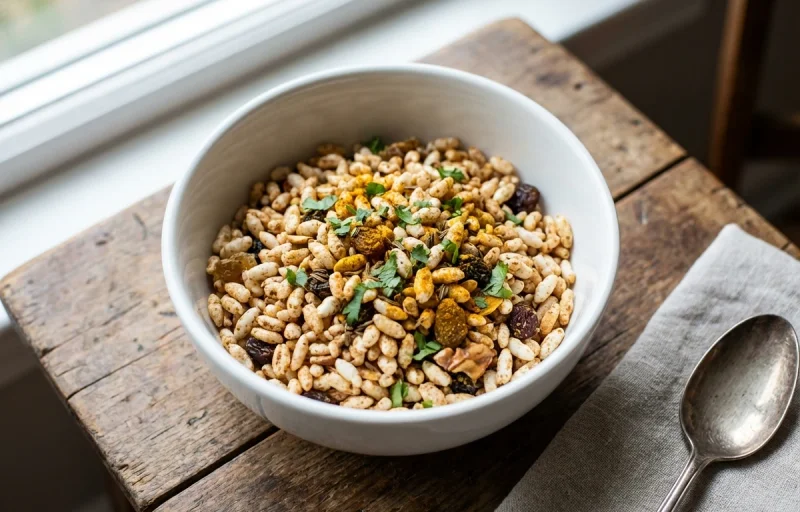
Puffed rice has a very mild, neutral flavor with a slightly nutty undertone. Its primary characteristic is its light, airy, and crispy texture. This makes it an excellent base for absorbing other flavors, whether sweet or savory.
How should I store puffed rice to keep it fresh?
To maintain its crispness and prevent it from becoming stale, store puffed rice in an airtight container. Keep it in a cool, dry place away from direct sunlight and moisture. Proper storage is crucial for preserving its texture.
How long does puffed rice last?
When stored properly in an airtight container in a cool, dry place, puffed rice can last for several months, typically 3-6 months. While it may not spoil quickly, its crispness can diminish over time. Check for any off-smells or changes in texture before consumption.
Is puffed rice easy to digest?
Yes, puffed rice is generally considered easy to digest due to its simple carbohydrate structure and light, airy texture. It's often recommended for individuals with sensitive stomachs or those recovering from illness, as it puts less strain on the digestive system.
RECIPES
Cook with puffed rice.
10 recipes · sorted by what’s quick