Vegetable10 recipes
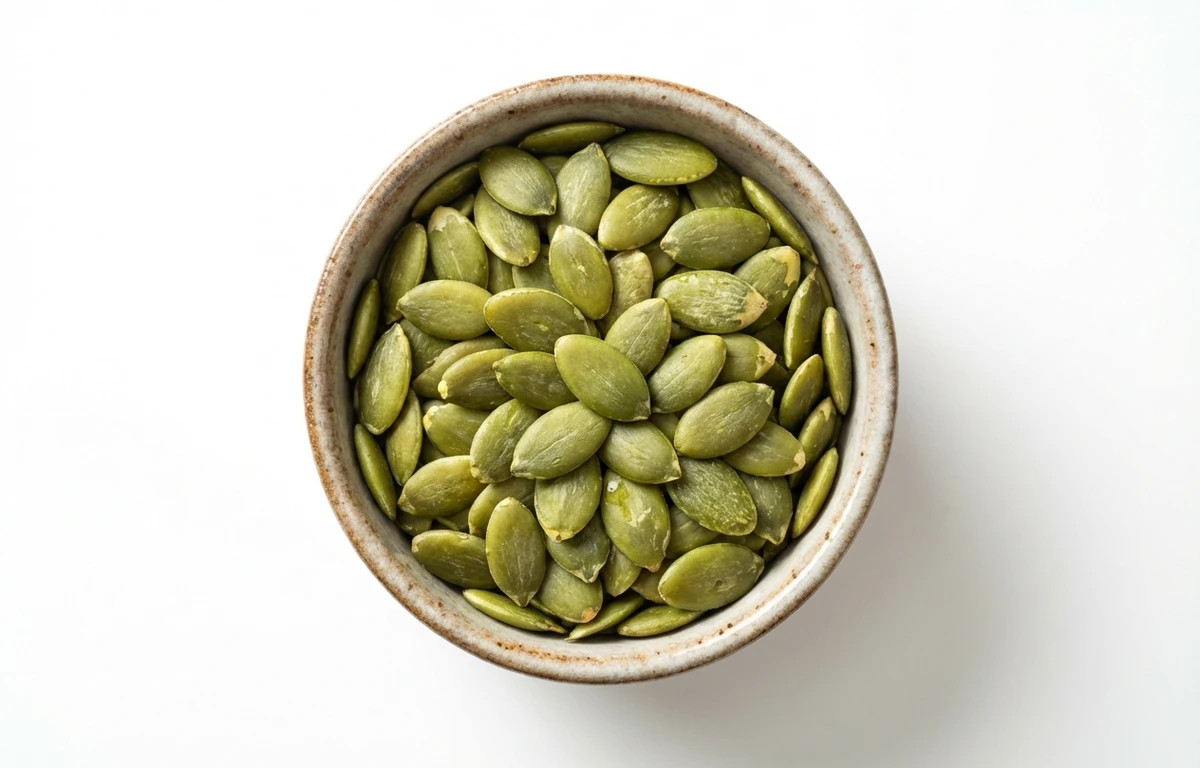
pumpkin seeds.
VegetarianVeganGluten-freeDairy-freeNut-freePeanut-freeSoy-freeEgg-freeShellfish-freeHoney-freeAlcohol-free
ALSO KNOWN AS
pepitaskaddu ke beejsquash seeds
SERVING
CALORIES
574
PROTEIN
24.4g
CARBS
18.1g
FAT
49g
FIBER
10.6g
NUTRITION PROFILE · per 100 g
Everything in this ingredient.
MACRONUTRIENTS
Calories574kcal—
Protein24.4g49%
Carbohydrates18.1g7%
Fiber10.6g38%
Sugar1.1g2%
Total fat49g63%
Saturated fat8.5g43%
Cholesterol0mg0%
Water5.2g—
MINERALS
Sodium7.0mg0%
Potassium807mg17%
Calcium46mg4%
Iron8.8mg49%
Magnesium500mg119%
Phosphorus1150mg92%
Zinc6.3mg58%
Copper1.2mg137%
Manganese4.1mg179%
Selenium20.5µg37%
VITAMINS
Vitamin A16µg2%
Vitamin C1.9mg2%
Vitamin D0µg0%
Thiamin (B1)0.07mg6%
Riboflavin (B2)0.15mg12%
Niacin (B3)4.4mg28%
Vitamin B60.10mg6%
%DV based on a 2,000 cal diet. Source: USDA FoodData Central. A dash in the %DV column means there’s no established Daily Value for that nutrient.
MEASUREMENT CONVERSIONS
How much is what.
1 cup128g
1 tablespoon8g
1 teaspoon2.7g
1 ml0.5g
1 liter533.3g
HEALTH BENEFITS
Why eat it.
- ✓Rich in magnesium, which is vital for blood pressure control, blood sugar regulation, and heart health.
- ✓Excellent source of zinc, supporting immune function, cell growth, and prostate health.
- ✓High in antioxidants like carotenoids and vitamin E, which help reduce inflammation and protect against free radical damage.
- ✓Good source of plant-based omega-3 fatty acids (ALA) and fiber, which support heart and digestive health.
COOKING TIPS
In the kitchen.
- 1Toast raw seeds in a dry skillet over medium heat for 3-5 minutes, stirring frequently, until they are fragrant and begin to pop. This enhances their nutty flavor.
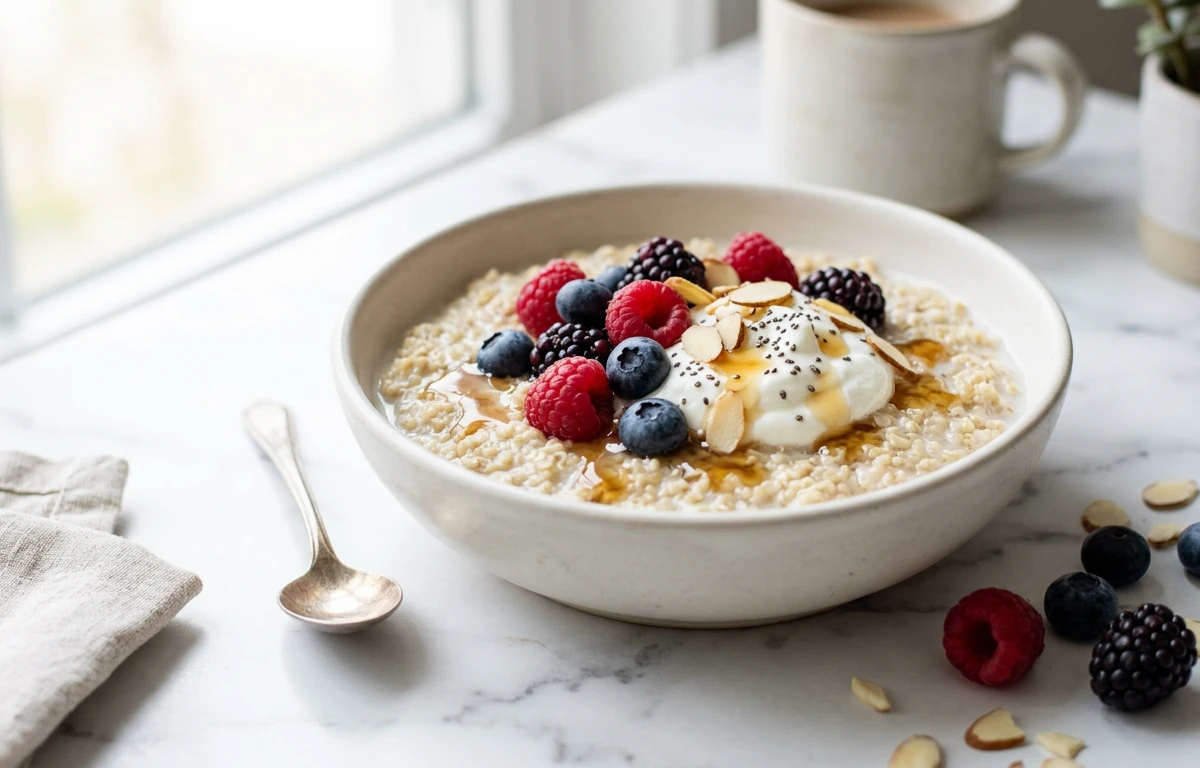
- 2Use as a crunchy topping for salads, soups, yogurt, oatmeal, or avocado toast.
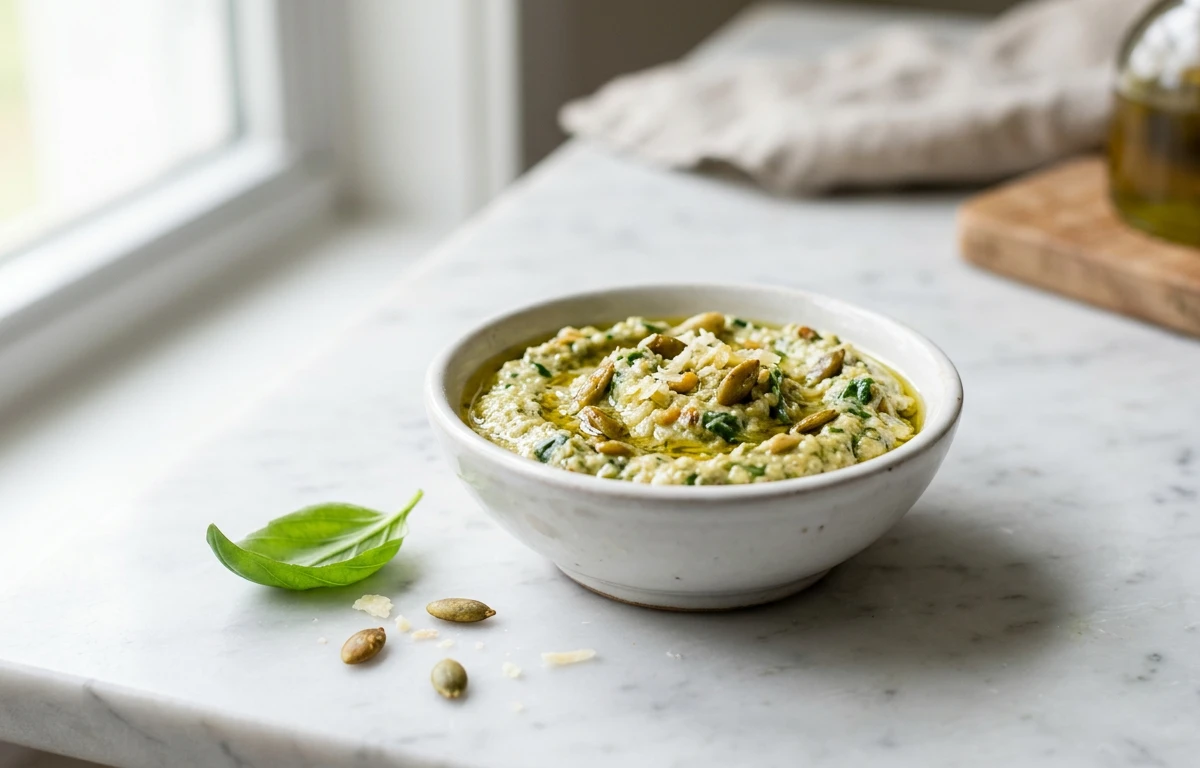
- 3Grind into a powder to add a nutritional boost to smoothies, baked goods, or sauces like pesto.
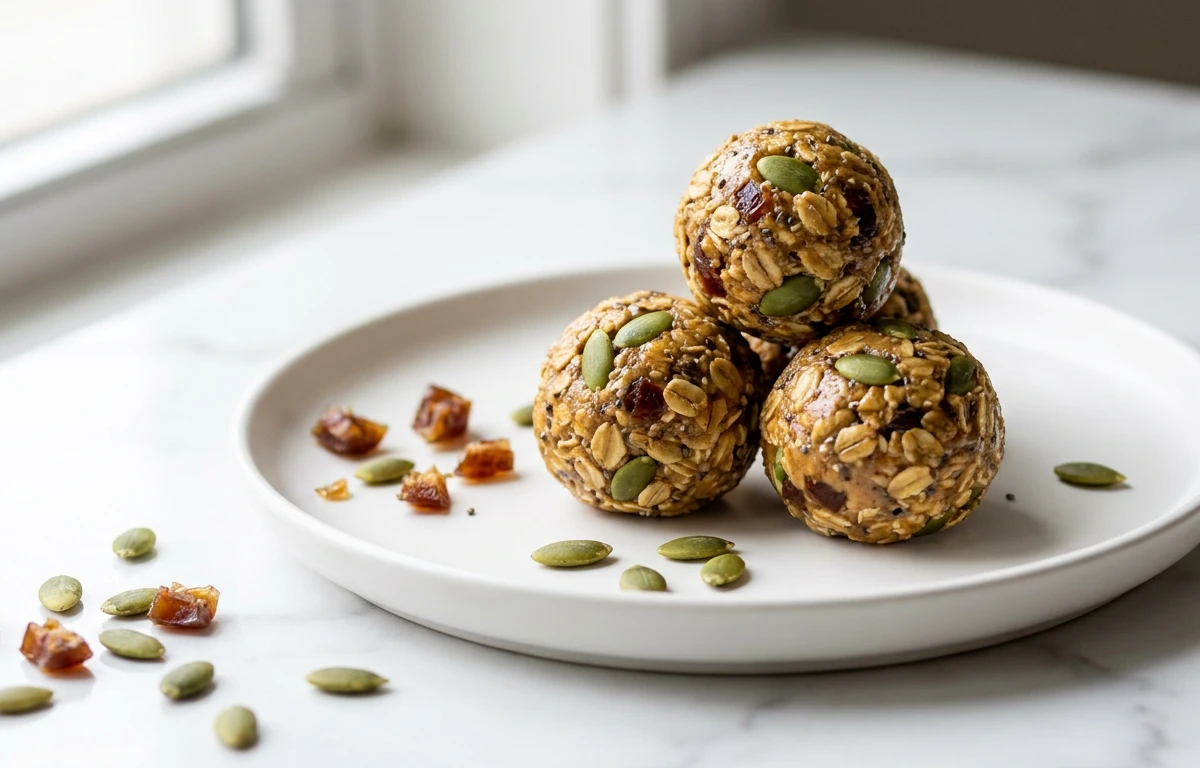
- 4Incorporate whole seeds into homemade granola, trail mixes, or energy bars for added texture and nutrients.
STORAGE
Keep it fresh.
- Store raw, shelled pumpkin seeds in an airtight container in a cool, dark place (like a pantry) for up to 3 months.
- For longer-term storage (up to 1 year), keep them in the refrigerator or freezer to prevent the natural oils from becoming rancid.
FAQ
Frequently asked questions.
Are pumpkin seeds healthy?
Yes, pumpkin seeds are highly nutritious and offer numerous health benefits. They are rich in essential minerals like magnesium and zinc, powerful antioxidants, and healthy fats. Regular consumption can support heart health, immune function, and overall well-being.
What are the main nutritional benefits of pumpkin seeds?
Pumpkin seeds are an excellent source of magnesium, crucial for blood pressure and sugar regulation, and zinc, vital for immunity and prostate health. They also provide antioxidants like carotenoids and vitamin E, which combat inflammation. Furthermore, they contain plant-based omega-3 fatty acids (ALA) and fiber, benefiting heart and digestive health.
How many calories and what are the macros in pumpkin seeds?
Per 100g, pumpkin seeds contain approximately 574 calories. They are rich in macronutrients, providing about 24.4g of protein, 18.1g of carbohydrates (with significant fiber content), and 49g of healthy fats. This makes them a calorie-dense and nutrient-rich food.
Are pumpkin seeds vegan and gluten-free?
Yes, pumpkin seeds are naturally vegan as they are a plant-based food. They are also inherently gluten-free, making them a safe and healthy option for individuals following a gluten-free diet or those with celiac disease.
Are pumpkin seeds keto-friendly?
Yes, pumpkin seeds can be part of a ketogenic diet in moderation. While they contain some carbohydrates (18.1g per 100g), a significant portion is fiber, resulting in lower net carbs. Their high fat and protein content also align well with keto principles.
How can I incorporate pumpkin seeds into my diet?
Pumpkin seeds are incredibly versatile. You can sprinkle them on salads, yogurt, oatmeal, or soups for added crunch and nutrition. They are also great in homemade granola, energy bars, or as a standalone snack.
Do pumpkin seeds need to be roasted before eating?
No, pumpkin seeds do not need to be roasted and can be eaten raw. However, roasting them lightly in a dry pan or oven can enhance their nutty flavor and crispness, making them even more appealing for snacking or as a topping.
How should I store pumpkin seeds to keep them fresh?
To maintain their freshness and prevent rancidity, store pumpkin seeds in an airtight container in a cool, dark place, such as a pantry. For longer storage, especially in warmer climates, refrigeration or freezing is recommended.
How long do pumpkin seeds typically last?
When stored properly in a cool, dark place, raw pumpkin seeds can last for several months, typically up to 6-12 months. Roasted pumpkin seeds have a slightly shorter shelf life, usually around 1-3 months, due to increased exposure to air and light.
Can I eat pumpkin seeds raw?
Yes, pumpkin seeds are perfectly safe and highly nutritious to eat raw. Eating them raw preserves all their delicate nutrients, including enzymes and some heat-sensitive vitamins. They offer a chewy texture and mild, nutty flavor when uncooked.
RECIPES
Cook with pumpkin seeds.
10 recipes · sorted by what’s quick