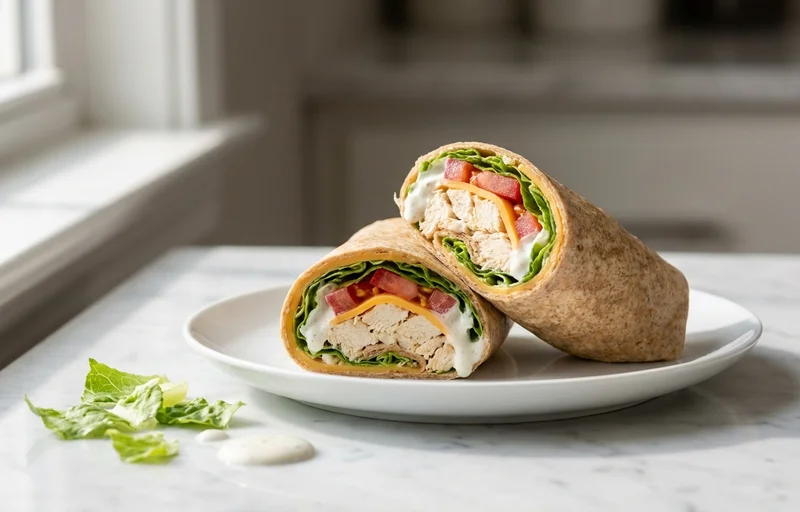
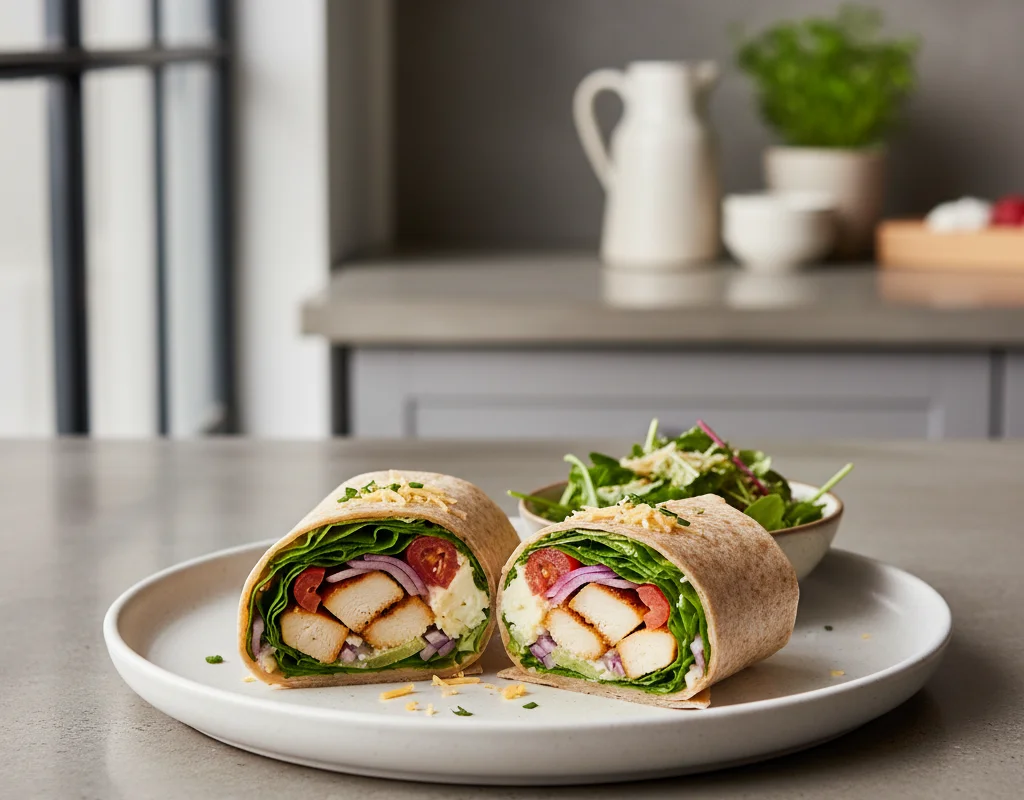
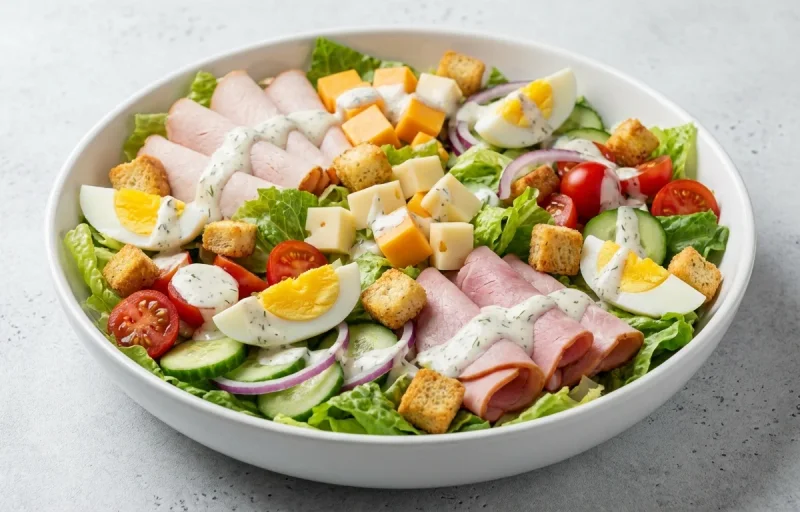
Other2 recipes
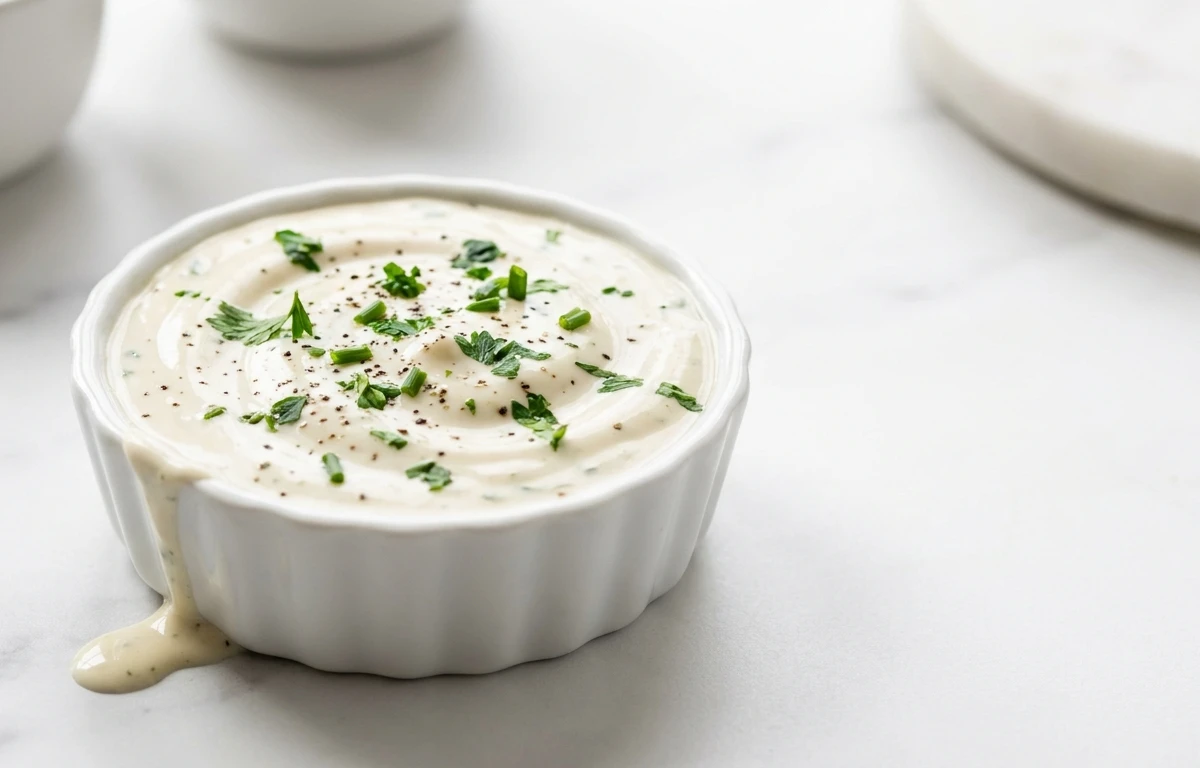
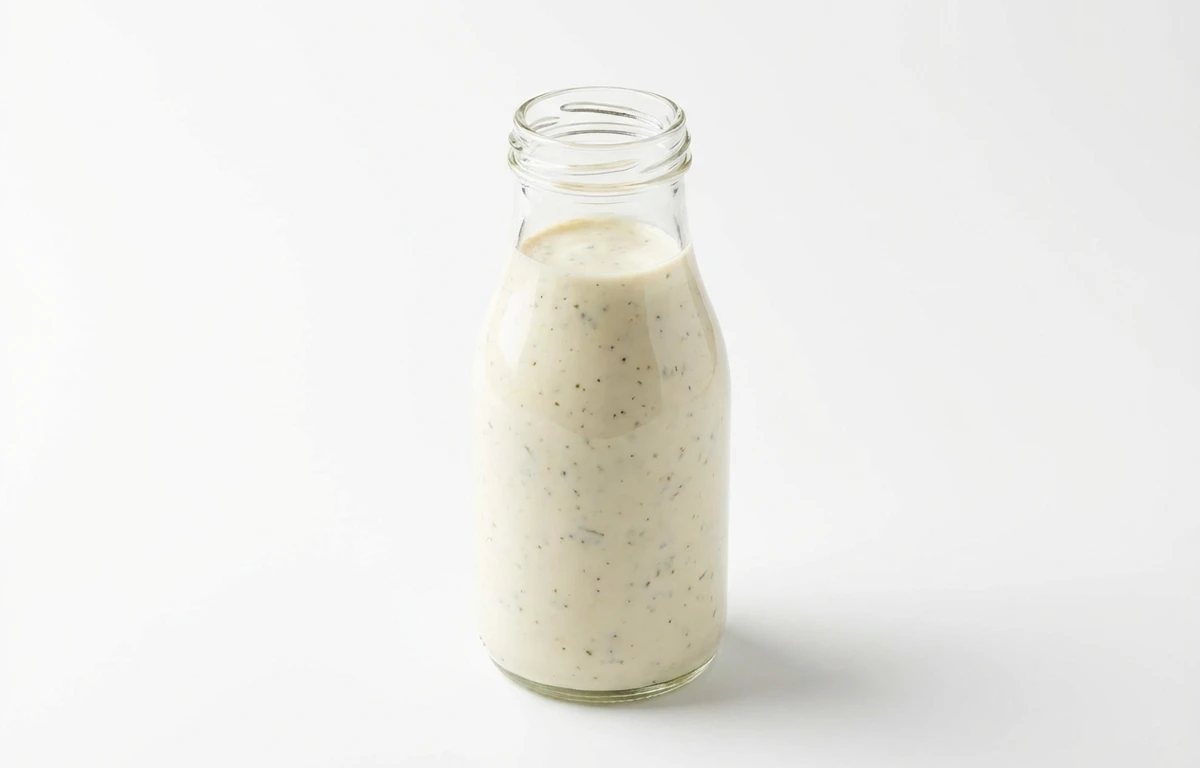
ranch dressing.
VegetarianVeganGluten-freeDairy-freeNut-freePeanut-freeSoy-freeEgg-freeShellfish-freeHoney-freeAlcohol-freeFermented
ALSO KNOWN AS
ranch saucebuttermilk ranchranch dipcreamy ranch
SERVING
CALORIES
468
PROTEIN
1.1g
CARBS
6.8g
FAT
48.5g
FIBER
0g
This ingredient is flagged as naturally gluten-free. Per 100 g, it provides 50 µg of vitamin K.
NUTRITION PROFILE · per 100 g
Everything in this ingredient.
MACRONUTRIENTS
Calories468kcal—
Protein1.1g2%
Carbohydrates6.8g2%
Fiber0g0%
Sugar3.5g7%
Total fat48.5g62%
Saturated fat7.5g38%
Trans fat0.10g—
Cholesterol35mg12%
Water40g—
MINERALS
Sodium830mg36%
Potassium60mg1%
Calcium30mg2%
Iron0.10mg1%
Magnesium4.0mg1%
Phosphorus35mg3%
Zinc0.10mg1%
Copper0.01mg1%
Manganese0.01mg0%
Selenium1.5µg3%
VITAMINS
Vitamin A10µg1%
Vitamin C0.20mg0%
Vitamin D0.10µg1%
Vitamin E4.5mg30%
Vitamin K50µg42%
Thiamin (B1)0.02mg2%
Riboflavin (B2)0.05mg4%
Niacin (B3)0.10mg1%
Pantothenic acid (B5)0.20mg4%
Vitamin B60.02mg1%
Folate (B9)5.0µg1%
Vitamin B120.10µg4%
%DV based on a 2,000 cal diet. Source: USDA FoodData Central. A dash in the %DV column means there’s no established Daily Value for that nutrient.
MEASUREMENT CONVERSIONS
How much is what.
1 cup240g
1 tablespoon15g
1 teaspoon5g
1 oz28.4g
1 lb453.6g
1 ml1.1g
1 liter1050g
HEALTH BENEFITS
Why eat it.
- ✓Encourages consumption of raw vegetables
- ✓Contains healthy fats from vegetable oils
- ✓Source of calcium from dairy components
- ✓Low in carbohydrates
COOKING TIPS
In the kitchen.
- 1Use as a marinade for chicken to keep the meat moist during roasting
- 2Mix with hot sauce to create a creamy buffalo dip for wings
- 3Thin with a little milk or lemon juice for a lighter salad drizzle
STORAGE
Keep it fresh.
- Always refrigerate after opening
- Keep the bottle cap tightly sealed to prevent oxidation
- Check the 'best by' date regularly as dairy components can spoil
FAQ
Frequently asked questions.
How long does ranch dressing last after opening?
Commercial ranch dressing typically lasts 6 to 9 months in the refrigerator after opening, provided it is kept tightly sealed.
Can ranch dressing be frozen?
Freezing is not recommended as the emulsion of oil, eggs, and dairy will break, resulting in a grainy and separated texture upon thawing.
Is ranch dressing gluten-free?
Most commercial ranch dressings are naturally gluten-free, but some brands use thickeners derived from wheat. Always check the label for gluten-free certification.
What is a healthy substitute for ranch dressing?
A mixture of Greek yogurt, lemon juice, and fresh herbs (dill, chives, parsley) provides a similar flavor profile with significantly less fat and more protein.
Why is ranch dressing not vegan?
Traditional ranch dressing contains buttermilk, sour cream, and mayonnaise (which contains eggs), all of which are animal-derived products.
What are the primary flavors in ranch dressing?
The signature flavor comes from a combination of buttermilk, garlic, onion, and herbs like dill, parsley, and chives.
How can I tell if ranch dressing has gone bad?
Look for signs of spoilage such as a sour or off smell, discoloration (yellowing), or the presence of mold around the cap.
Is ranch dressing suitable for a keto diet?
Yes, ranch is generally keto-friendly as it is high in fat and low in carbohydrates, though you should check for added sugars in specific brands.
What are common food pairings for ranch?
It is commonly paired with garden salads, raw vegetable platters (crudités), chicken wings, pizza, and french fries.
RECIPES
Cook with ranch dressing.
2 recipes · sorted by what’s quick