Spice10 recipes
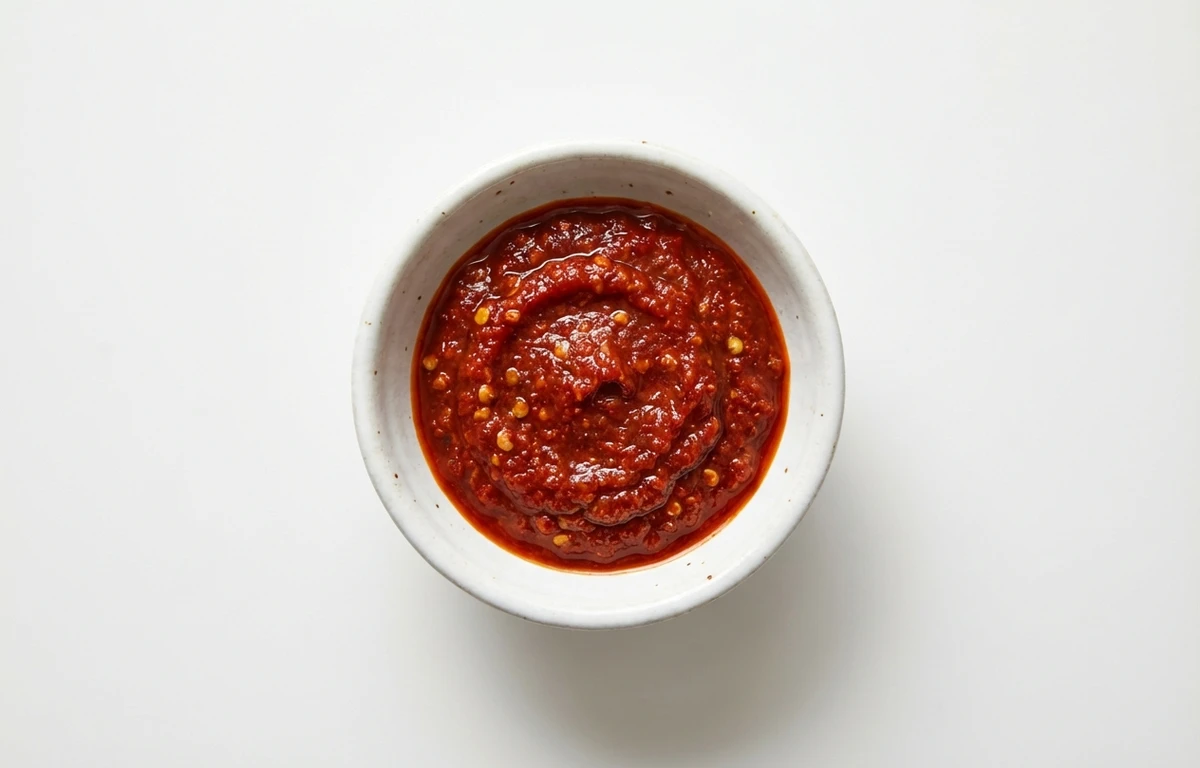
red chili paste.
VegetarianVeganGluten-freeDairy-freeNut-freePeanut-freeSoy-freeEgg-freeShellfish-freeHoney-freeAlcohol-free
ALSO KNOWN AS
chili pureered chilli pastecrushed red chili pastered chili pastehot chili pastechili paste
SERVING
CALORIES
95
PROTEIN
2.4g
CARBS
18.2g
FAT
1.6g
FIBER
4.2g
NUTRITION PROFILE · per 100 g
Everything in this ingredient.
MACRONUTRIENTS
Calories95kcal—
Protein2.4g5%
Carbohydrates18.2g7%
Fiber4.2g15%
Sugar10.5g21%
Total fat1.6g2%
Saturated fat0.20g1%
Trans fat0g—
Cholesterol0mg0%
Water70.5g—
MINERALS
Sodium2450mg107%
Potassium340mg7%
Calcium18mg1%
Iron1.2mg7%
Magnesium25mg6%
Phosphorus45mg4%
Zinc0.30mg3%
Copper0.10mg11%
Manganese0.20mg9%
Selenium0.50µg1%
VITAMINS
Vitamin A450µg50%
Vitamin C15mg17%
Vitamin D0µg0%
Vitamin E0.70mg5%
Vitamin K14µg12%
Thiamin (B1)0.05mg4%
Riboflavin (B2)0.08mg6%
Niacin (B3)1.2mg8%
Pantothenic acid (B5)0.20mg4%
Vitamin B60.50mg29%
Folate (B9)23µg6%
Vitamin B120µg0%
%DV based on a 2,000 cal diet. Source: USDA FoodData Central. A dash in the %DV column means there’s no established Daily Value for that nutrient.
MEASUREMENT CONVERSIONS
How much is what.
1 cup250g
1 tablespoon16g
1 teaspoon5g
1 oz28.4g
1 lb453.6g
1 ml1.1g
1 liter1050g
HEALTH BENEFITS
Why eat it.
- ✓Contains capsaicin which may boost metabolism
- ✓Rich in Vitamin A for eye health
- ✓Provides antioxidants that fight oxidative stress
- ✓May help reduce inflammation
- ✓Can aid in temporary pain relief
COOKING TIPS
In the kitchen.
- 1Sauté the paste in a little oil at the start of cooking to bloom the flavors
- 2Add a teaspoon to marinades for a consistent heat profile
- 3Balance the heat with an acid like lime juice or a sweetener like honey
STORAGE
Keep it fresh.
- Refrigerate immediately after opening to maintain freshness
- Ensure the jar lid is tightly sealed to prevent drying out
- Use a clean spoon every time to avoid cross-contamination and mold
FAQ
Frequently asked questions.
How long does red chili paste last in the fridge?
Once opened, it typically lasts 6 to 12 months if kept refrigerated and handled with clean utensils.
Can I freeze red chili paste?
Yes, you can freeze it in ice cube trays for easy portioning; it will last up to 6 months in the freezer.
What is a good substitute for red chili paste?
Sambal Oelek, Sriracha, or rehydrated and blended dried red chilies are the best alternatives.
Is red chili paste gluten-free?
Most pure chili pastes are gluten-free, but always check the label for thickeners like wheat flour or soy sauce.
How do I pick a high-quality chili paste?
Look for a vibrant red color and a short ingredient list (chilies, salt, vinegar/oil). Avoid those with excessive artificial dyes.
Is it very spicy?
The heat level varies by brand and the type of chili used, but it is generally considered medium to high heat.
Does it contain garlic?
Standard red chili paste is often just chilies, but many commercial varieties like Sambal or Sriracha-style pastes do contain garlic.
How should I use it in stir-fries?
Add it to the hot oil along with your aromatics (like ginger) before adding vegetables or proteins to distribute the heat evenly.
RECIPES
Cook with red chili paste.
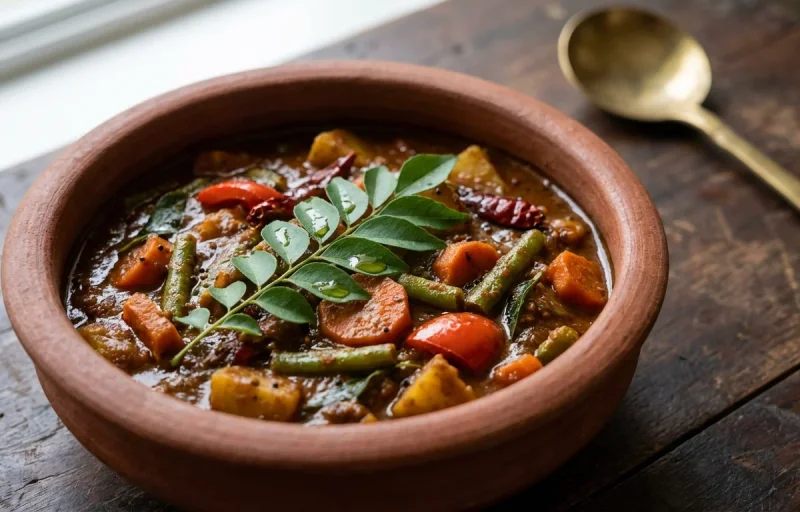
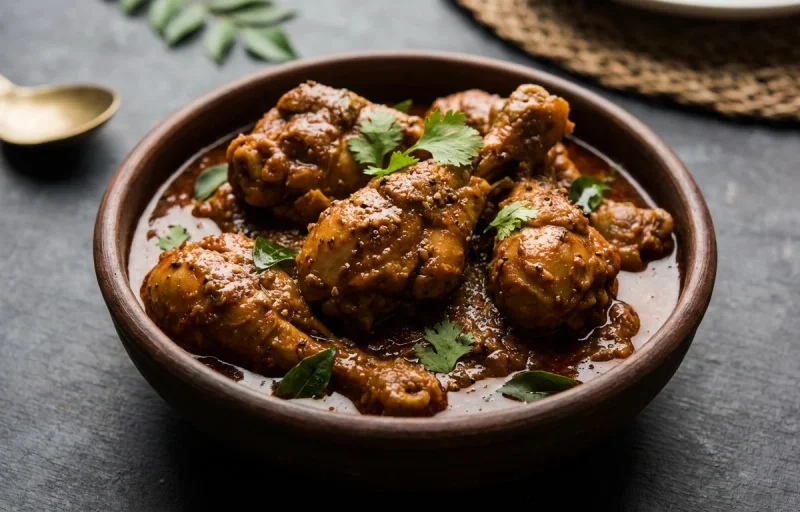
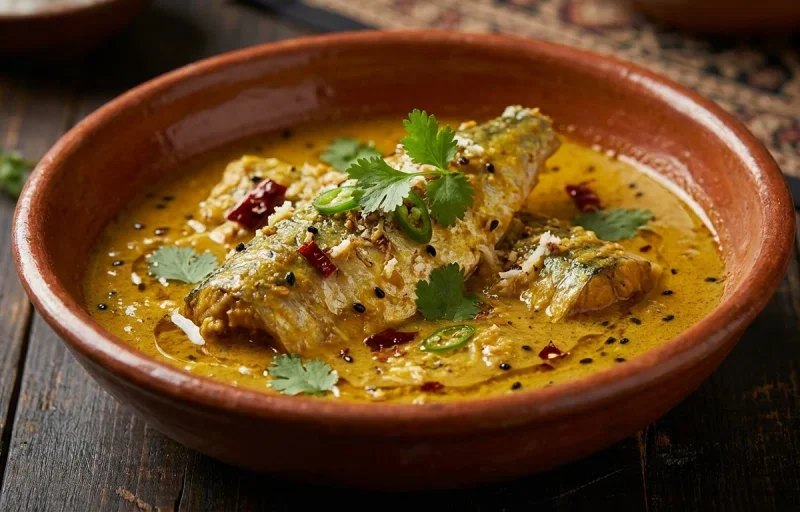
10 recipes · sorted by what’s quick