Protein10 recipes
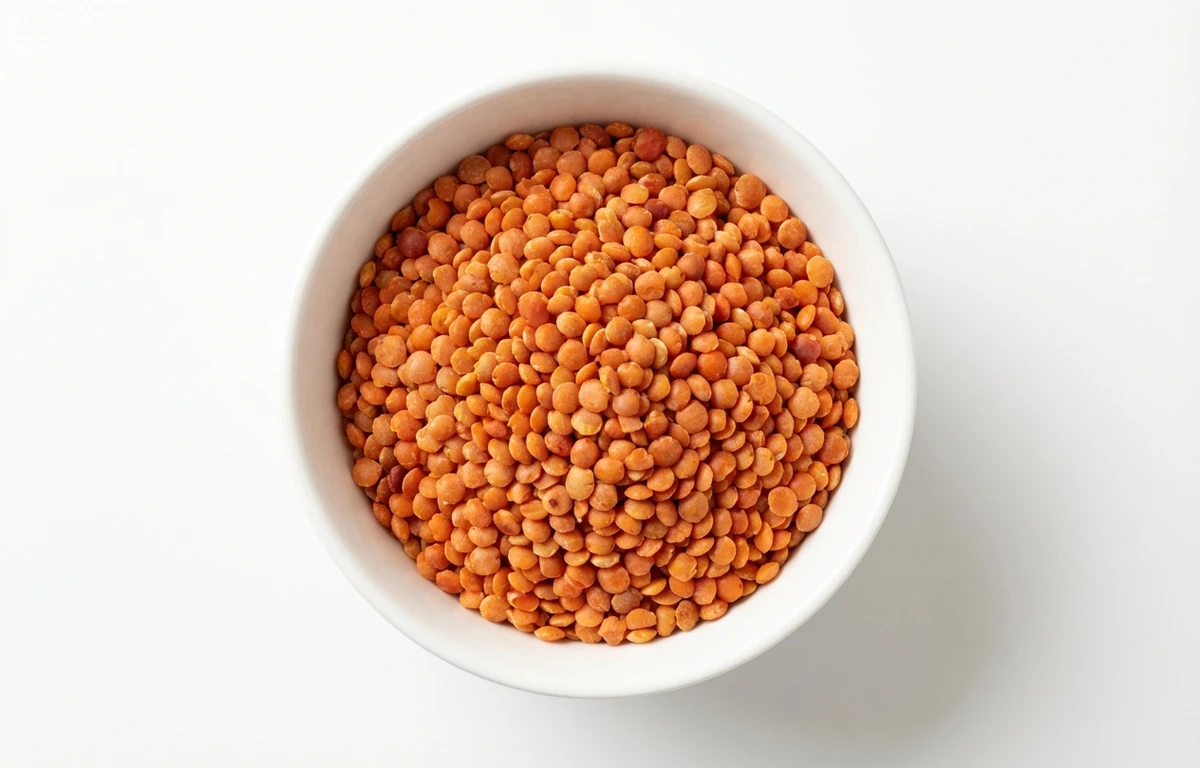
red lentils.
VegetarianVeganGluten-freeDairy-freeNut-freePeanut-freeSoy-freeEgg-freeShellfish-freeHoney-freeAlcohol-free
ALSO KNOWN AS
masoor dalsplit red lentilsred lentilsMasur Dal
SERVING
CALORIES
358
PROTEIN
23.9g
CARBS
63.1g
FAT
2.2g
FIBER
10.8g
This ingredient is flagged as naturally gluten-free. Per 100 g, it provides 5.0 µg of vitamin K.
NUTRITION PROFILE · per 100 g
Everything in this ingredient.
MACRONUTRIENTS
Calories358kcal—
Protein23.9g48%
Carbohydrates63.1g23%
Fiber10.8g39%
Sugar2.0g4%
Total fat2.2g3%
Saturated fat0.40g2%
Trans fat0g—
Cholesterol0mg0%
Water10.4g—
MINERALS
Sodium6.0mg0%
Potassium669mg14%
Calcium48mg4%
Iron7.4mg41%
Magnesium59mg14%
Phosphorus281mg22%
Zinc3.3mg30%
Copper0.80mg89%
Manganese1.3mg57%
Selenium2.8µg5%
VITAMINS
Vitamin A1.0µg0%
Vitamin C4.4mg5%
Vitamin D0µg0%
Vitamin E0.10mg1%
Vitamin K5.0µg4%
Thiamin (B1)0.50mg42%
Riboflavin (B2)0.10mg8%
Niacin (B3)1.1mg7%
Pantothenic acid (B5)0.60mg12%
Vitamin B60.40mg24%
Folate (B9)479µg120%
Vitamin B120µg0%
%DV based on a 2,000 cal diet. Source: USDA FoodData Central. A dash in the %DV column means there’s no established Daily Value for that nutrient.
MEASUREMENT CONVERSIONS
How much is what.
1 cup192g
1 tablespoon15g
1 teaspoon3g
1 ml0.6g
1 liter600g
COOKING TIPS
In the kitchen.
- 1Red lentils cook very quickly, typically in 15-20 minutes, and do not require pre-soaking.
- 2Due to their tendency to break down and become creamy, they are ideal for thickening soups, stews, and making traditional dishes like dal.
- 3Use a cooking ratio of about 1 cup of dry lentils to 3 cups of liquid (water or broth).
- 4Add salt and acidic ingredients like lemon juice or tomatoes towards the end of cooking, as adding them too early can make the lentils tough.
STORAGE
Keep it fresh.
- Store dry red lentils in an airtight container in a cool, dark, and dry place, such as a pantry, for up to one year for best quality.
- Once cooked, store lentils in a sealed container in the refrigerator for up to 5 days or in the freezer for up to 6 months.
FAQ
Frequently asked questions.
Are red lentils healthy?
Yes, red lentils are highly nutritious, offering a rich source of plant-based protein, fiber, iron, and folate. They support heart health by helping to lower cholesterol and aid digestion through their high fiber content.
How much protein is in red lentils?
Red lentils are an excellent protein source, containing approximately 23.9g of protein per 100g of dry lentils. This makes them a staple for vegetarians and vegans looking to meet their daily protein requirements.
Are red lentils keto-friendly?
Red lentils are generally not considered keto-friendly as they are high in carbohydrates, containing about 63.1g per 100g. While they are healthy complex carbs, they may exceed the daily net carb limit for a strict ketogenic diet.
Do I need to soak red lentils before cooking?
Unlike many other legumes, red lentils do not require soaking before cooking. Because they are split and have their skins removed, they cook much faster than whole lentils or beans.
How long do red lentils take to cook?
Red lentils cook very quickly, usually taking only 15 to 20 minutes to become soft. They tend to break down and lose their shape, making them ideal for thick soups, stews, and dals.
What is the difference between red lentils and green lentils?
Red lentils are sweeter and nuttier than green lentils and break down into a puree when cooked. Green lentils are more peppery, have a firmer texture, and hold their shape better in salads or side dishes.
How should I store red lentils and how long do they last?
Store dry red lentils in an airtight container in a cool, dry, and dark place like a pantry. When stored properly, they can last for up to a year, though they may take slightly longer to cook as they age.
Can I eat red lentils raw?
No, you should not eat red lentils raw. They contain lectins and other anti-nutrients that can cause digestive distress; cooking neutralizes these compounds and makes the lentils safe and easy to digest.
RECIPES
Cook with red lentils.
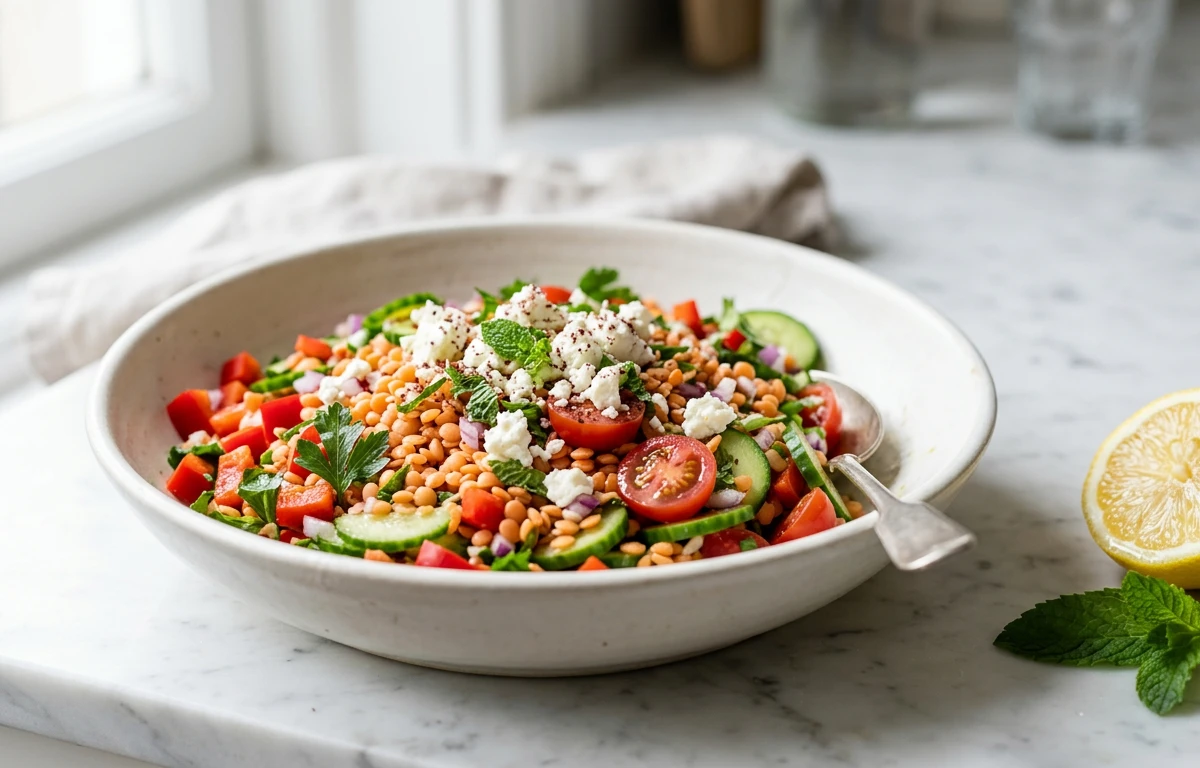
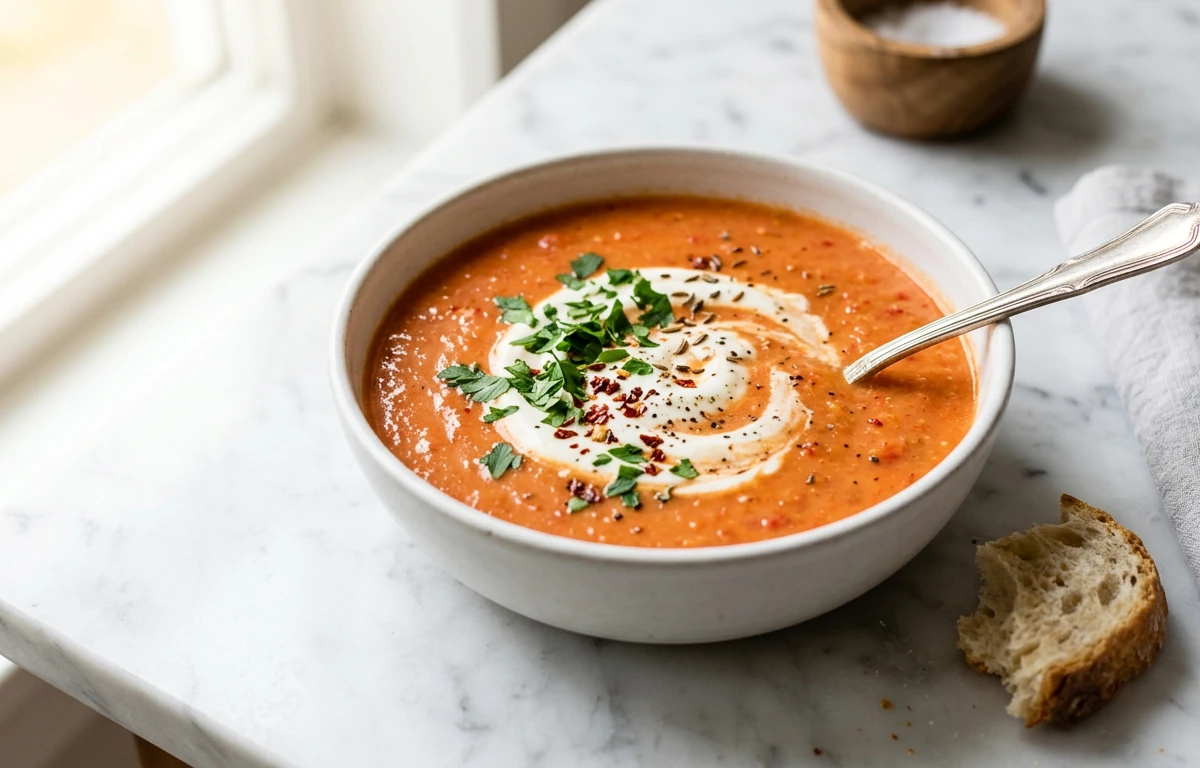
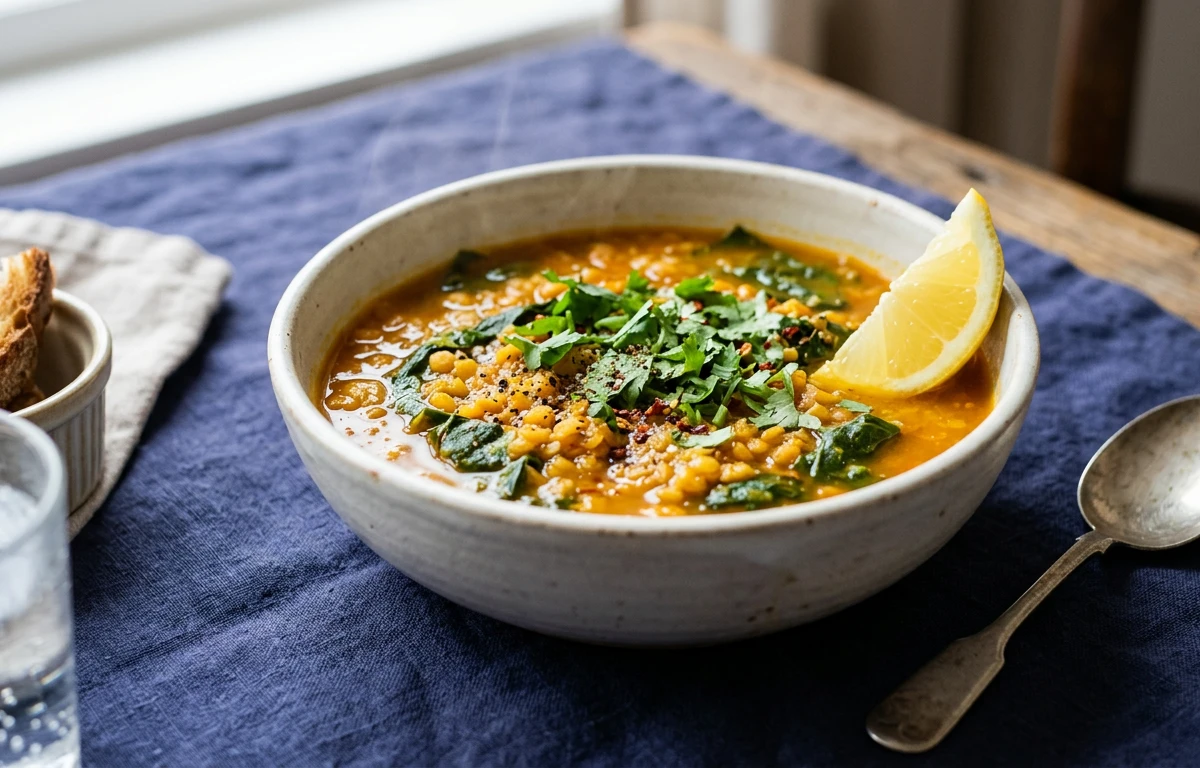
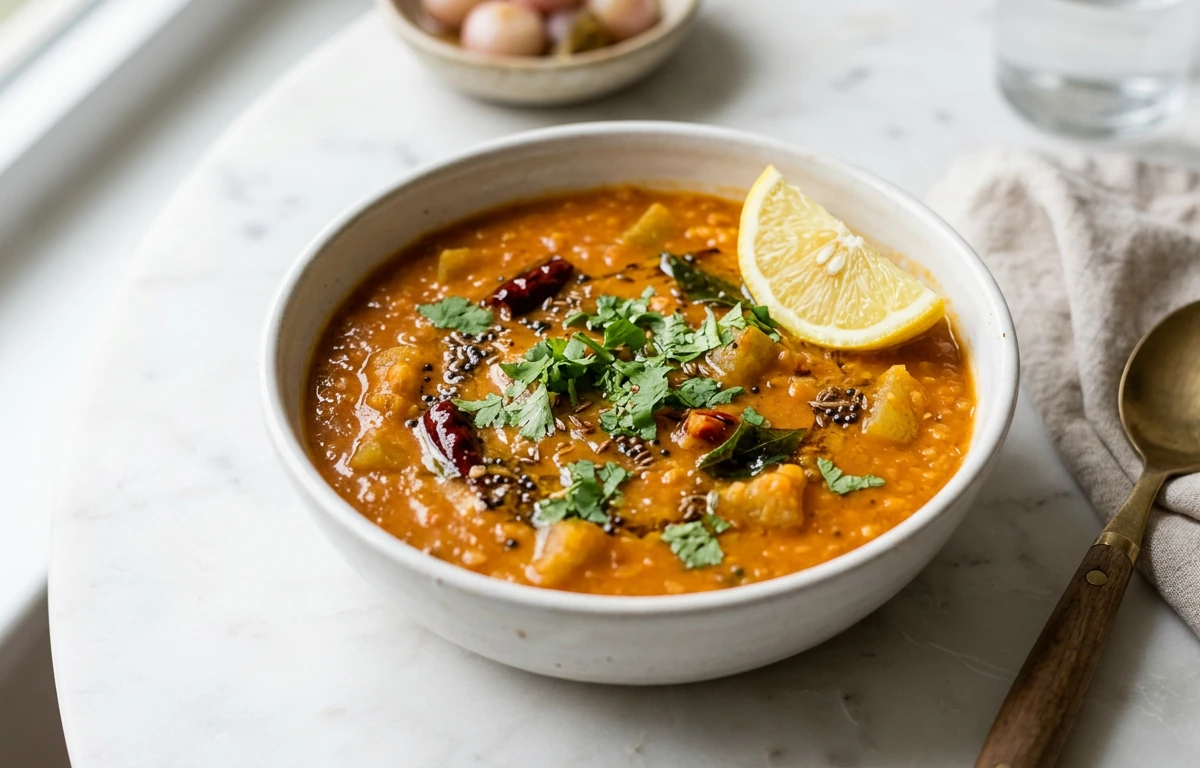
10 recipes · sorted by what’s quick